Diving into a Coral Reef with Cambridge Communities

Written by Sara Steele, Museum Education Assistant, Museum of Zoology and Roz Wade, Learning Officer, Museum of Zoology.

This article was first published as a blog for University of Cambridge Museums, 1st June 2020.

Our audiences are full of creativity, something we see in bucketfuls at our events and workshops. We wanted to go further, and showcase audience creations and collaborations in our programming and displays.

As a Museum celebrating the wonders of the natural world, we have an innate desire to protect it. We have committed to embedding sustainability into our public programme : tackling the materials we use and considering the impacts of activity outputs. Not all craft day creations end up on the fridge, let alone as an item cherished for life. Could we bear the thought of our logo sitting atop a landfill?

With this focus on collaboration and sustainability in mind, and with the help of the artistic mind of volunteer Fanny Bara Moreau, we designed a summer activity with longevity at its core.

Every summer, the University of Cambridge Museums box up their wares and head out into the weather with themed activities to communities across the city with Cambridge City Council’s Big Weekend and Children and Young People’s Participation Service (ChYpPs). Summer 2019 had a tropical oceans theme at the Museum of Zoology, with the goal of inspiring conversations around the conservation of our coral reefs. We wanted to use this as an opportunity to bring audiences together through shared making and showcase their creations in our programmes and displays.

Continue reading

NatSCA Digital Digest – November

Compiled by Glenn Roadley, Curator (Natural Science), The Potteries Museum & Art Gallery.

Welcome to the November edition of NatSCA Digital Digest.

A monthly blog series featuring the latest on where to go, what to see and do in the natural history sector including jobs, exhibitions, conferences and training opportunities. We are really keen to hear more about museum re-openings, exhibition launches, virtual conferences and webinars, and new and interesting online content. If you have any top tips and recommendations for our next Digest please drop an email to blog@natsca.org.

News from the Sector 

Upcoming Conference: Decolonising Natural Science Collections
November 19th 2020
NatSCA will be holding a one-day online conference on November 19th 2020, 9:50am – 4.15pm GMT. Continue reading

Telling the Truth About Who Really Collected the “Hero Collections”.

Written by Jack Ashby, Assistant Director of the University Museum of Zoology, Cambridge.

One way that museums can decolonise their collections is to celebrate the true diversity of all the people that were ultimately responsible for making them. We often say things like, “This specimen was collected by Darwin”, or whichever famous name put a collection together, when in reality we know that often they weren’t actually the ones who found and caught the animal.

Museums can be rightly proud of their “hero collections” and the famous discoveries represented by them. Acknowledging that they did not work alone does nothing to diminish their accomplishments. We just need to make clear that other people made enormous contributions to their successes, and celebrate them too.

Undeniably, natural history museums have overwhelmingly celebrated dead white men. A major strand of decolonisation work is to show that a greater diversity of people are, in fact, represented in the history of our collections. But in reality, their contributions are rarely documented.

The Malay Teenagers Who Collected Wallace’s Birds

Lately, I’ve been looking at the collection of birds here at the University Museum of Zoology, Cambridge, that Alfred Russel Wallace brought back from his eight-year voyage to the Malay Archipelago. Any museum with Wallace material considers it among their treasures. He co-discovered evolution by natural selection, added mountains of invaluable specimens to museums worldwide, and founded entire scientific disciplines based on his interpretations of what he saw. And he gives a lot of credit to the people of colour who collected much of his material.

Continue reading

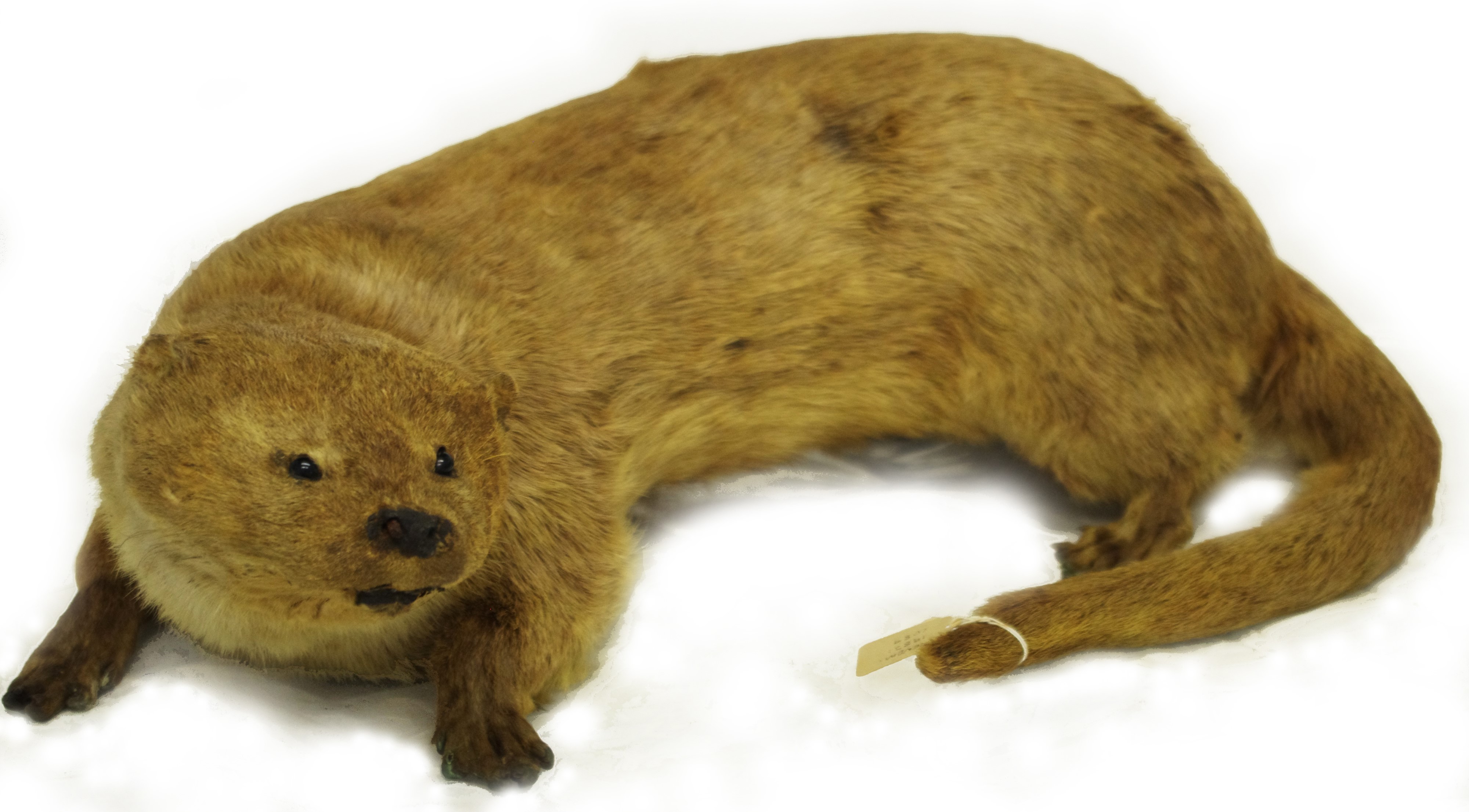
Trials From The Riverbank: Conserving a Taxidermy Otter

Written by Jen Gossman, MSc first year Conservation Practice student at Cardiff University.

Otter mount © Jen Gossman

I received a mounted taxidermy otter in still life pose without a base from the Tenby museum, Wales where it had been in long term storage wrapped in Tyvek. On initial examination it showed some skin shrinkage and was covered in a thick layer of dirt, grease and dust.

Continue reading

NatSCA Digital Digest – October

Compiled by Lily Nadine Wilkes. NatSCA Volunteer.

Welcome to the October edition of NatSCA Digital Digest.What can I read?

There are some wonderful posts on our blog. Patricia Francis, the natural history curator of Gallery Oldham, wrote Natural Connections an investigation of the person, place and specimens of a painting that reveals a hidden Oldham story. There is also Andrew Kitchener’s post on CryoArks, the UK’s first zoological biobank.

As we are in Black History Month, there is a lovely collection of research from the Natural History Museum into how the museums history and collections are connected to the transatlantic slave trade in Slavery and the Natural World.

Continue reading