
Written by Louise Green, Project Manager and Collections & House Manager, Felbrigg Hall, National Trust, and Martha Infray, Regional Conservator, National Trust.
Introduction
The Bird Corridor at Felbrigg Hall, Norfolk, houses a nationally significant natural history collection. Consisting of taxidermy bird dioramas collected by Thomas Wyndham Cremer (1834-1894), the displays document many of the resident and migratory bird species historically found in East Anglia.
Created by renowned nineteenth-century taxidermists Gunn of Norwich and Pratt of Brighton, the dioramas are a first-hand resource documenting the ornithological scene in East Anglia during the 19th-century.
Following the successful completion of the first Phase of conservation treatment in 2025, the second and final phase is nearing completion, with only two weeks of treatment remaining this autumn.
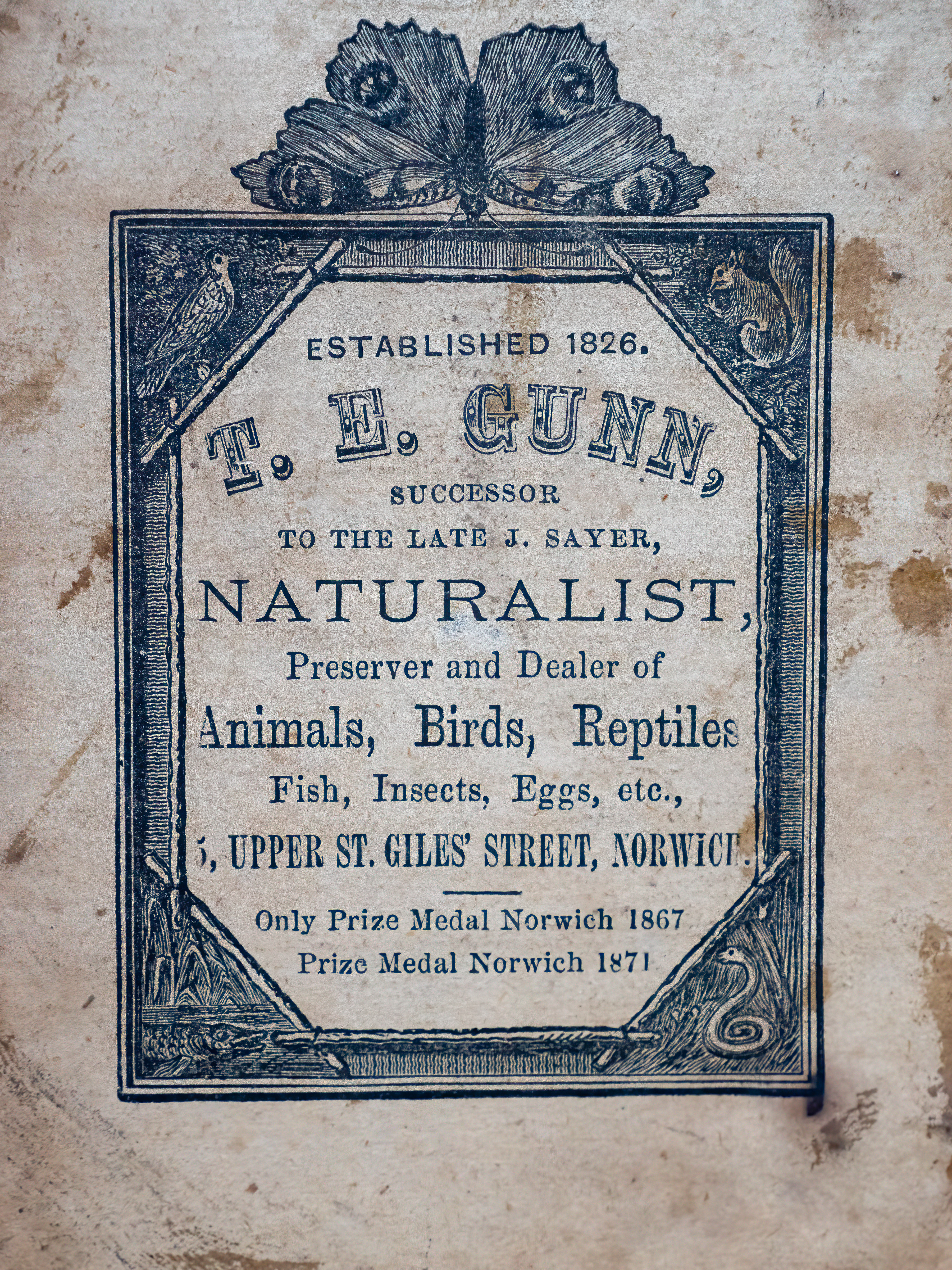
Historic label by Thomas Gunn, attached to the back of a diorama © National Trust/ Rob Coleman
Why Conservation Was Needed
The dioramas were in varying states of condition. Many had developed significant cracks, allowing the ingress of dust and insect pests. Mould was present on internal glass surfaces and, in some cases, on the specimens themselves. Historic woodworm activity had weakened the structural stability of several dioramas, while some were also poorly mounted to the wall. Many of the dioramas were also sealed with failing modern electrical insulation tape. While the taxidermy birds themselves were generally stable, some showed signs of deterioration, such as detached feathers and unstable feet.
Before remedial treatment could begin, environmental conditions within the corridor were reviewed. The space presents particular challenges due to its large scale and north-facing exterior wall. Measures to improve humidity control and better manage the relative humidity to maintain it within the recommended band (40 – 65% at the National Trust) were implemented.
Pilot Case Studies
A pilot study involving two dioramas was undertaken to establish treatment methodologies and realistic project timescales.
One case required extensive intervention, including repairs to a suspended specimen whose corroded steel armature had failed. Another was in fair condition, the surfaces of the cases and specimens required thorough cleaning, and failing electrical insulation tape replaced. Historically, glass panels were secured using passepartout tape, but over time this was replaced with electrical insulation tape or painted brown gummed paper tape, both of which had deteriorated and begun to peel. As several dioramas retained their original wooden beading, demonstrating a more stable and accessible solution, it was decided to replace all failing tapes with timber beading improving both appearance and long-term stability.
The pilot study also provided an opportunity to investigate the presence of historic pesticides. As with many nineteenth-century taxidermy collections, arsenic and mercury compounds were frequently used in specimen preparation. Analysis of one specimen was undertaken using a handheld Bruker Tracer 5g portable XRF analyser. High levels of arsenic were detected on the body and neck, confirming the presence of historic pesticide residues and informing handling and treatment procedures for the wider project.
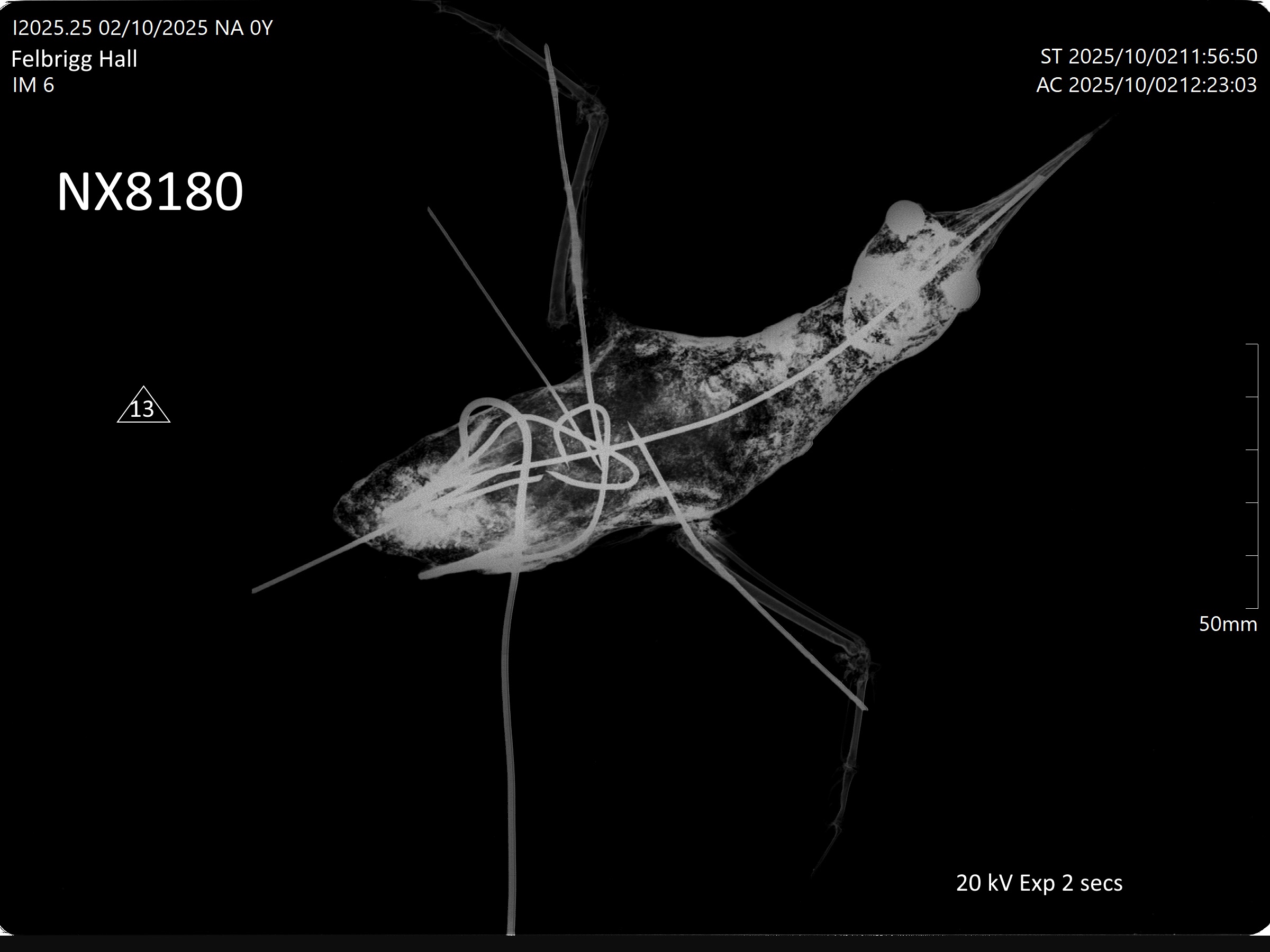
X-ray image of a detached specimen with kind permission of Conservation and Design Services acting as part of Norfolk Museums Service
Conservation Treatment
Due to the fragility of the dioramas most treatment work was carried out on site at Felbrigg Hall by Remedial Conservator Felicity Bolton and Furniture Conservator Michael Cox, supported by Regional Conservator Martha Infray.
Specimens were cleaned using a two-stage process. Dry cleaning used a HEPA-filtered vacuum and soft brush, followed by a polyurethane sponge to remove embedded dirt. Where needed, wet cleaning used cotton swabs dampened with a 50:50 ethanol and deionised water solution. Excess moisture was removed with dry cosmetic sponge pieces to prevent feather dehydration.
Most dioramas contained original Victorian cylinder glass, whose thin, hand-blown structure made it highly fragile and prone to manufacturing imperfections, surface distortion and age-related deterioration. The careful removal, cleaning and reinstatement of these historic panels formed a significant part of the project. The edges of the panels were cleaned with deionised water and Synperonic A7, tape residues were removed with a Swann™ No.10 scalpel blade, and surfaces were cleaned with 50:50 ethanol and deionised water before drying and reinstallation.
The ebonised pine cases, constructed with simple butted and nailed joints or basic dovetails, required some structural repairs. Small cracks were filled with balsa wood and fish glue, or Japanese tissue and Flügger™ acrylic putty. Larger fractures were stabilised by removing panels, clamping them in place, and reinstating them to maintain structural stability while preserving original materials.
Internal habitat features, including botanical models, soil and hand-painted backgrounds, were similarly conserved. Torn and lifting background papers were repaired using wheat starch paste and 12 gsm Tengujo Japanese tissue, tinted with either water colours or acrylic paints to match the original colour of the diorama background paper.
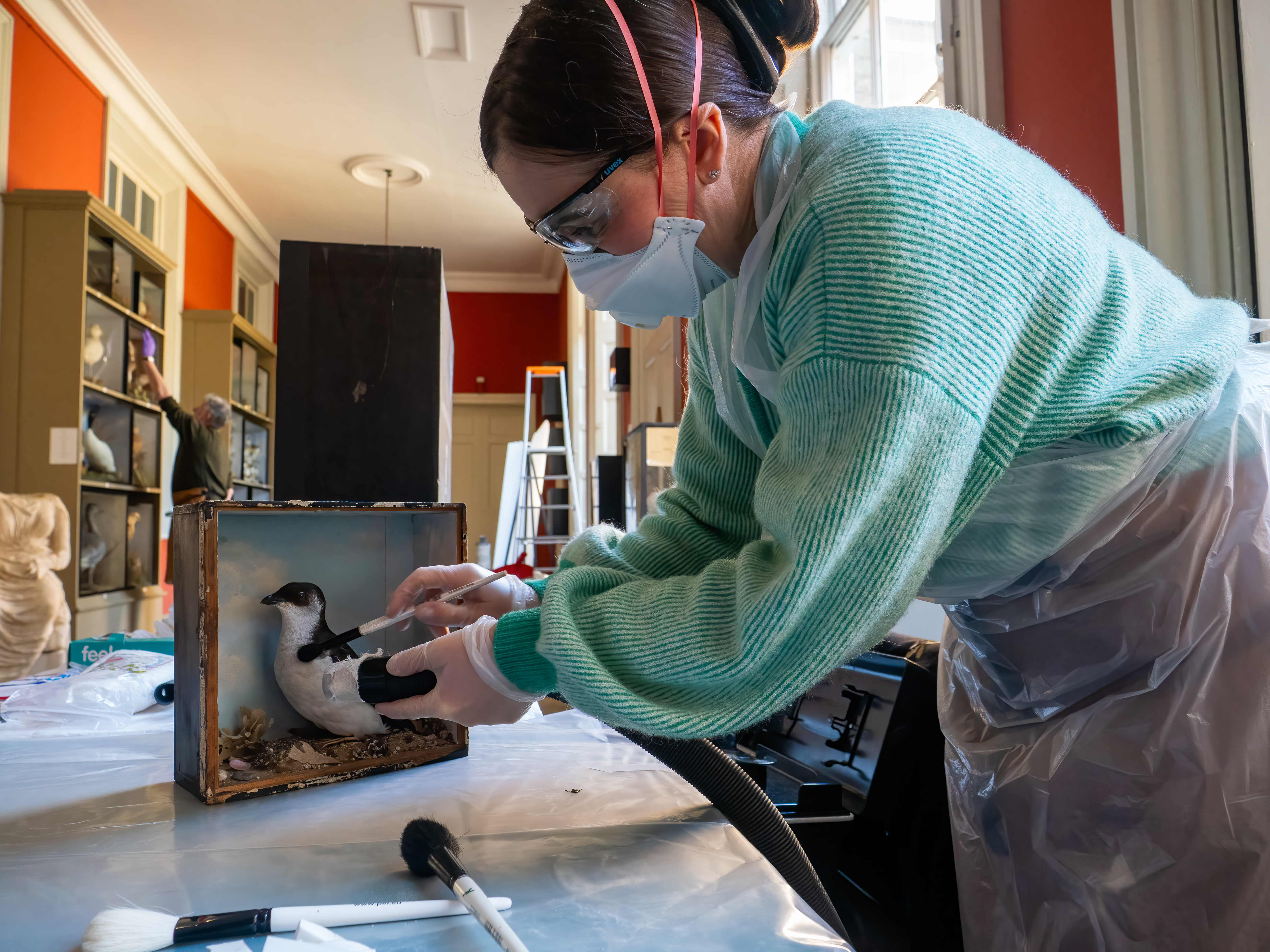
Surface cleaning and stabilisation work underway on one of the bird dioramas. © National Trust / Rob Coleman
Connecting Historic Collections with Contemporary Conservation
Alongside remedial conservation, the project aimed to improve public understanding of the collection and its ongoing relevance.
Working with ornithological specialists, every species represented within the Bird Corridor has been assessed using the Birds of Conservation Concern (BOCC) framework and assigned a site-specific “Felbrigg status” reflecting its historic and current local presence. These classifications help visitors connect nineteenth-century specimens with contemporary issues such as biodiversity loss, habitat change and species decline.
The project has also provided an opportunity to host The Red List, an exhibition by Norfolk artist Jayne Ivimey, at Felbrigg Hall from 18 July to 1 November. Drawing inspiration from Felbrigg’s taxidermy collection, the exhibition explores the link between historic specimens and today’s increasingly vulnerable bird populations.
Co-curated by Paulina Kulacz, Collections and House Officer, and artist Jayne Ivimey, The Red List is installed throughout the house. Through sculptures, silverpoint drawings and photographic portraits, it encourages reflection on extinction, climate change, habitat loss and humanity’s changing relationship with nature. By placing contemporary artworks alongside historic collections, the exhibition highlights the role museum specimens can play in discussions around modern conservation challenges.
A particular highlight is Ivimey’s Red List sculpture installation in the Dining Room, which draws attention to species in decline and prompts reflection on the fragility of modern bird populations and the pace of environmental change.


The Red List, Jayne Ivimey © National Trust / Rob Coleman
Engaging Audiences
To support these themes, a series of interpretation and engagement initiatives have been introduced throughout the Bird Corridor.
Natural history illustrator Natalie Scurll was commissioned to create interpretation featuring species represented in the collection, while sound artist Mike Challis developed an immersive birdsong soundscape for the space. Interactive elements including nests, feathers, eggshell samples, sketching materials and magnifying glasses encourage visitors to engage more closely with the displays. Elsewhere in the house, visitors have participated in bird-spotting activities.
There have also been opportunities to meet Norfolk taxidermist Nicky Secker-Bligh, gaining insights into contemporary taxidermy practice and specimen preparation.
Together, these initiatives have transformed the Bird Corridor from a static display into a space for conservation in action, learning and discussion.
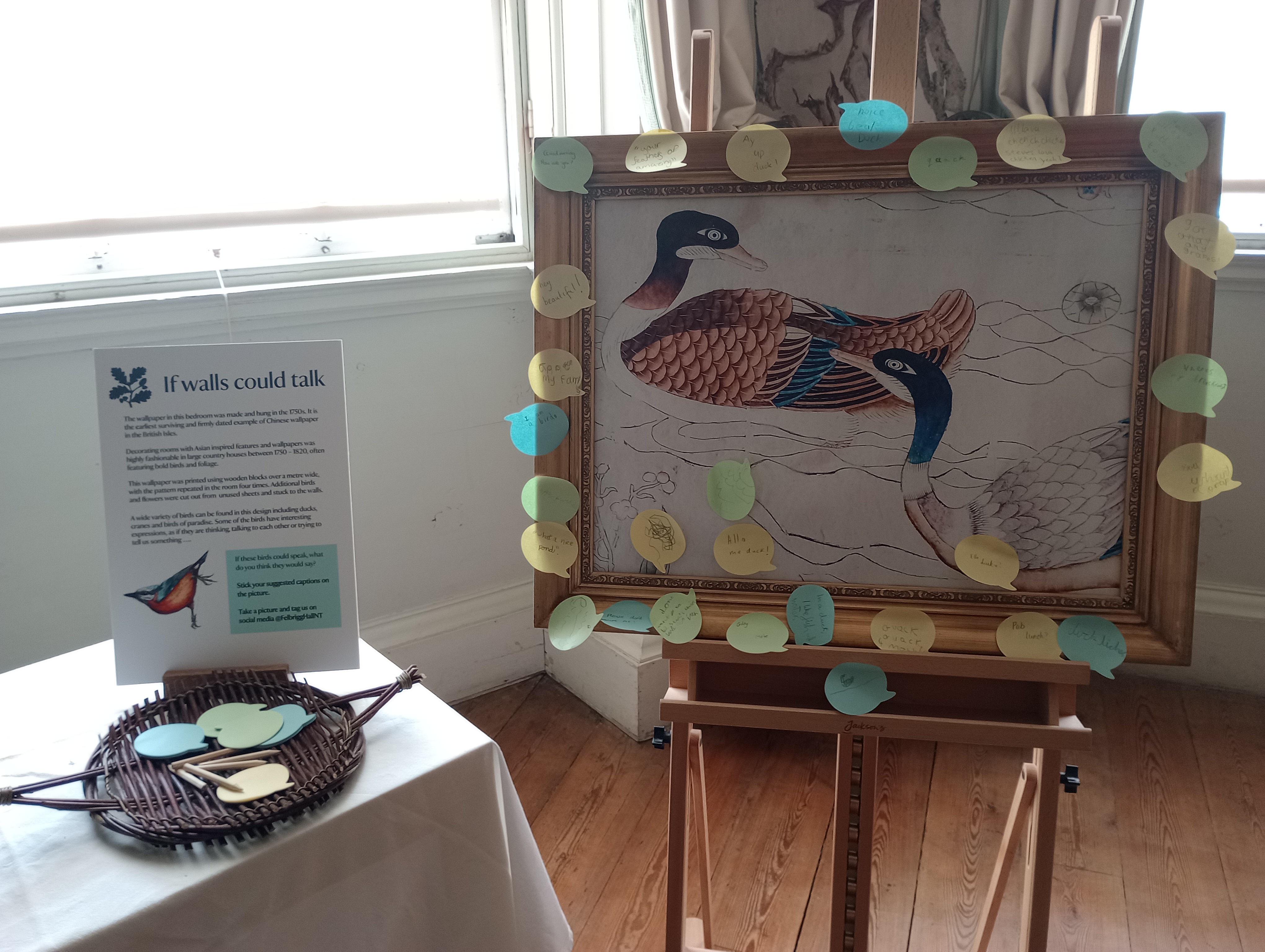
Public engagement, Chinese Bedroom © National Trust/ Louise Green
Looking Ahead
With conservation work nearing completion, visitors are invited to discover The Red List, on display until 1 November, which connects Felbrigg’s historic bird collection with the conservation challenges facing species today.
With special thanks to all members of the project team whose expertise and dedication have helped make this conservation and engagement project a success.


Pingback: NatSCA Digital Digest – September 2026 – NatSCA