The Herbarium Handbook – Sharing Best Practice from Across the Globe.

Submitted by Clare Drinkell, Senior Curator Botanist at the Royal Botanic Gardens, Kew.

Editors: Nina Davies, Clare Drinkell, Timothy Utteridge. 290 pp, 234 x 156 mm. Over 700 colour photographs. Paperback, ISBN 9781842467695. Kew Publishing, TW9 3AE, UK 2023. £25.00. https://shop.kew.org/kew-herbarium-handbook

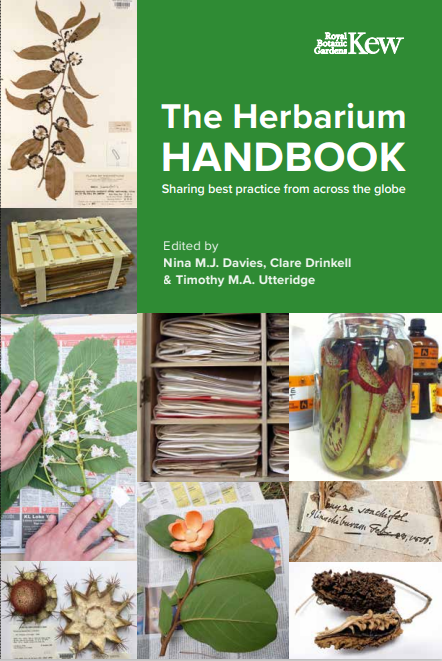
Cover page of The Herbarium Handbook

The new Herbarium Handbook is a key new addition to Kew Publishing’s series of handbooks, including The Plant Glossary and The Temperate Plant Families Identification Handbook. Unlike the other books in the series the Herbarium Handbook is a new version of a book first compiled and edited by Kew botanists some thirty-four years ago. The initial Herbarium Handbook came about following an extremely popular International Diploma Course in Herbarium Techniques at Kew. The demand to attend the course was so high that the number of applicants far exceeded places on the course. In view of the interest, the main information imparted during the course was published as a manual, widely recognised as an important reference for fundamental aspects of herbarium care and management.

Continue reading →

Deaccessioning of the Non-Manx Herbarium in the Natural History Collection, Manx Museum.

Written by Laura McCoy, Curator of Natural History, Manx National Heritage.

The Manx Museum, part of Manx National Heritage, is both the national museum and part of the National Trust of the Isle of Man, which is technically not a part of the UK, it is a Crown Dependency. Its collecting focus is to represent the Island and its history, similar to county museums in the UK. No other museum represents our Island better and that is our strength. When accessing our material, researchers are looking for something relating to the Island itself or how it sits in context to a wider geographical area. We are an Accredited museum and, like many others, we have a collections development forum, made up of curatorial and collections management staff, through which any new proposed acquisitions have to be assessed – but this has not always the case. We still have objects within the collection which would not pass our collections development policy today. 

Continue reading →

Conserving Garden Plant Diversity

Written by Yvette Harvey, Keeper of the Herbarium, Royal Horticultural Society, RHS Garden Wisley.

We live at a period in time where we are very familiar with the concept of mass extinctions that are likely to be caused by human intervention (from burning of the rain-forests, hunting and desertification through to global warming). As the years/decades/centuries progress, our preserved plant and animal [by which I mean anything that moves] collections find themselves being useful tools to provide empirical evidence for the causes of the above, outside of their main purpose of pure taxonomy (Thiers 2020: 219-242).

Following the recent closure of Kew’s Red Listing department, conservation is a subject that readily springs to mind. With c. 390 million specimens contained within the World’s herbaria, information captured in specimen labels has ultimately provided the data for calculating the Area of Occupancy and Extent of Occurrence, both of which play a large part in assessing the IUCN (International Union for Conservation of Nature) Red listing of a plant.

I am lucky to work with a specialist herbarium collection – one that contains ornamental plants based at RHS Garden Wisley. Yes, highly unlikely to play a role in an IUCN assessment, but all the same, a dried ornamental plant collection does play a vital role in conservation. Whilst Plant Heritage aims to conserve living plants, a herbarium that specialises in ornamentals (cultivars) can preserve material of long lost or even recently lost garden plants.

Continue reading →

Collecting with Lao Chao [Zhao Chengzhang]: Decolonising the Collecting Trips of George Forrest

Written by Yvette Harvey, Keeper of the Herbarium, Royal Horticultural Society, RHS Garden Wisley.

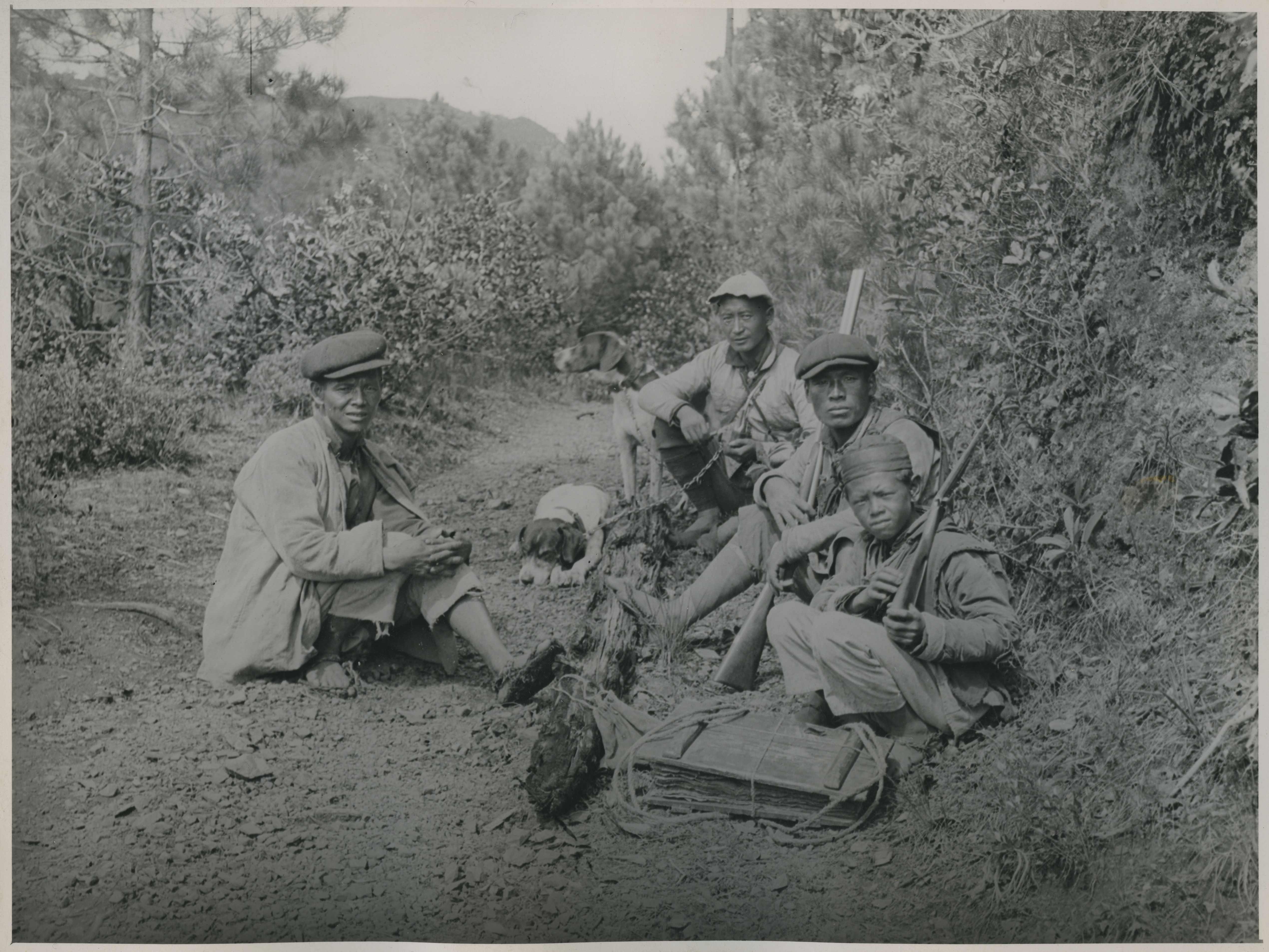
Lao Chao (left) and team. McLean (2004: 193) wrote that Forrest called Lao Chao his ‘best card in this business’ © The Royal Horticultural Society and Royal Botanic Garden Edinburgh

This is the essence of a talk that was recently presented at the virtual conference of the US based Society for the Preservation of Natural History Collections (SPNHC). Inspired by Das & Lowe in their 2017 NatSCA conference talk and subsequent paper (2018), in a similar way mentioned by Machin (2020) in her recent blog, I have started looking at stories by and about some of our revered plant collectors, or rather, hunting for small clues about their escapades from the perspective of others on their teams. This is with the aim of decolonising narratives for present and future interpretation, having finally opened my eyes and realised that current interpretation for living collections can fall way short of acknowledging what really happened and where credit should lie. And being mindful of different concepts of decolonisation, discussed by Gelsthorpe (2020) in an earlier blog.

For years, the curators of museums and living collections, and their visitors have been programmed to respond to and expect talks of the grand, death-defying adventures of our collectors – so much so that we appear to have closed our minds to the realities and injustices of what really happened on expeditions.

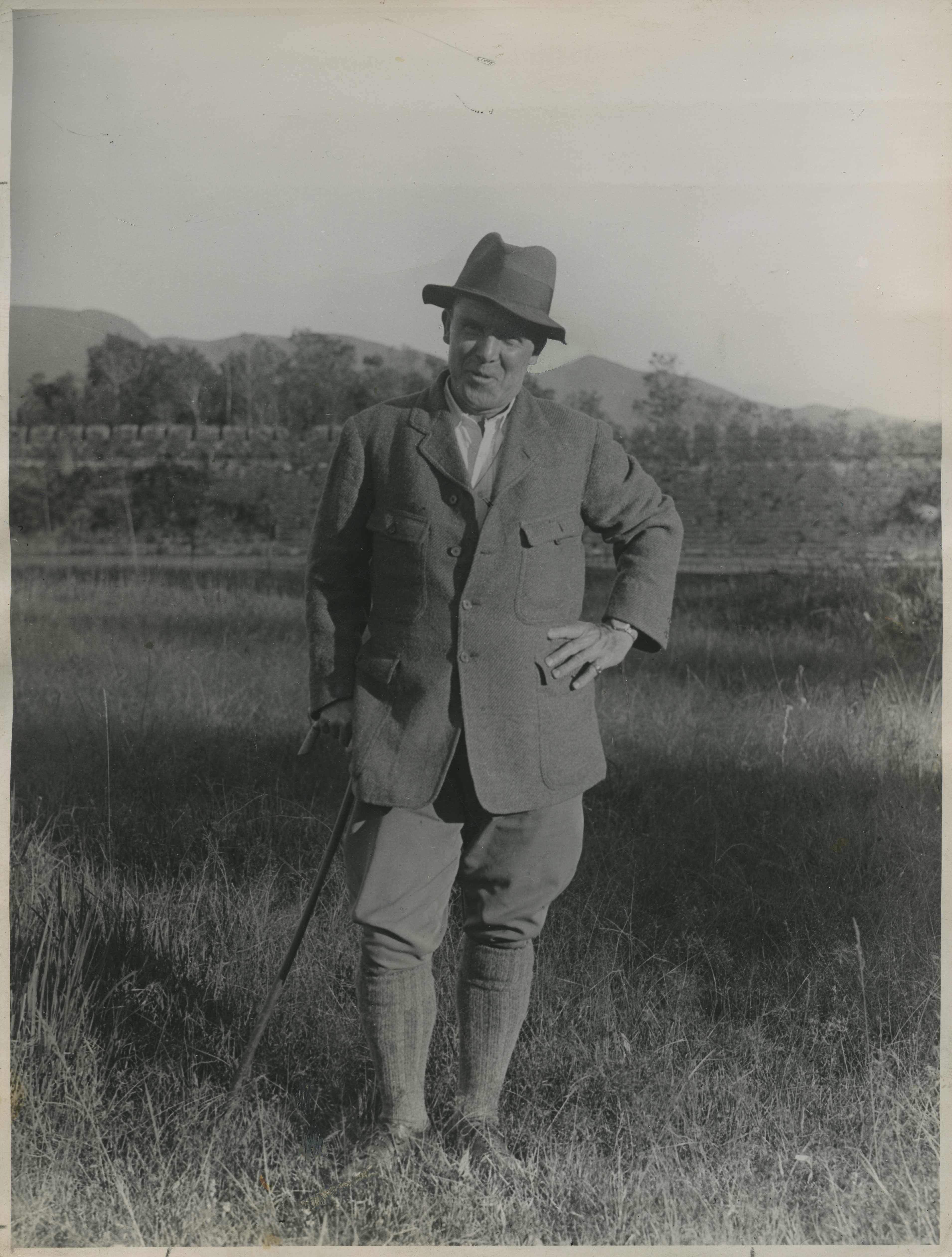
George Forrest © The Royal Horticultural Society and Royal Botanic Garden Edinburgh

The main focus here is on George Forrest, born in 1873, the Scottish plant collector whose collections still have a huge impact on what is grown in our gardens today. Son of a draper’s shop assistant, Forrest had an interesting earlier career after leaving school at 18 – he worked in a pharmaceutical chemists prior to getting a small inheritance that gave him the opportunity to travel to Australia where he undertook a few jobs including sheep shearing and gold-mining (McLean 2004). On his return to the UK, through a serendipitous stroke of luck in discovering a rare archaeological find whilst out botanising, he landed a job as an assistant in the herbarium of the Royal Botanic Garden Edinburgh in 1903 – gaining curatorial skills and insights necessary to make him an ideal plant collector in the field.

Continue reading →

What Is That Spiny Thing?

Written by Ranee Om Prakash, Senior Curator – General Herbarium IV, Algae, Fungi and Plants Division, Department of Life Sciences, Natural History Museum

The Natural History Museum (NHM) holds over 80 million specimens and every single specimen tells a story.

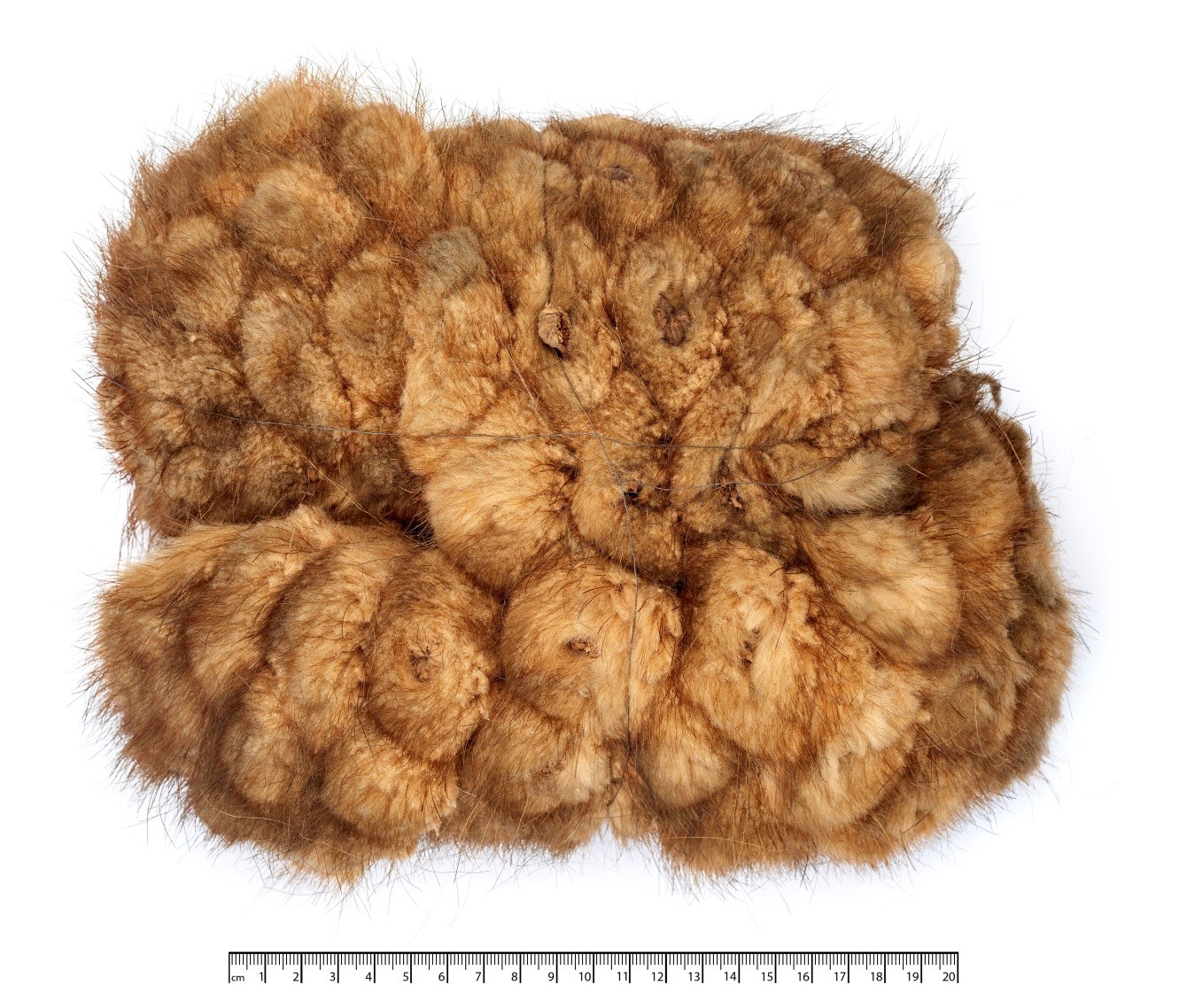
Amongst these 80 million objects, one such object is a specimen (Fig. 1) that the museum acquired from Mexico over 2 decades ago. This object excites curiosity amongst novices, students and the general public alike. Whenever anyone looks at this, the first thing they ask is what is that? A pineapple? A furry cat? Is it a sponge? The imaginations are limitless….

Fig. 1. Flower of Melocactus (© The Trustees, Natural History Museum, London)

Continue reading →