A Refresher Course on Fluid Specimen Conservation at the Natural History Museum of Denmark

Written by Anastasia van Gaver (Conservator) & Bethany Palumbo (Head of Conservation) Natural History Museum Denmark).

Workshop participants and Julian Carter

As conservators, it’s essential we keep up to date with developments in the techniques used in specimen treatments. With hundreds of fluid-preserved specimens to make and conserve for the new exhibitions at the Natural History Museum of Denmark, we sought the best in the field to give us a refresher course. Esteemed expert Julian Carter arrived fresh off the plane from Cardiff and over 3 days we explored different techniques for preserving and mounting specimens and well as discussing the unique challenges we face when conserving these invaluable scientific resources.

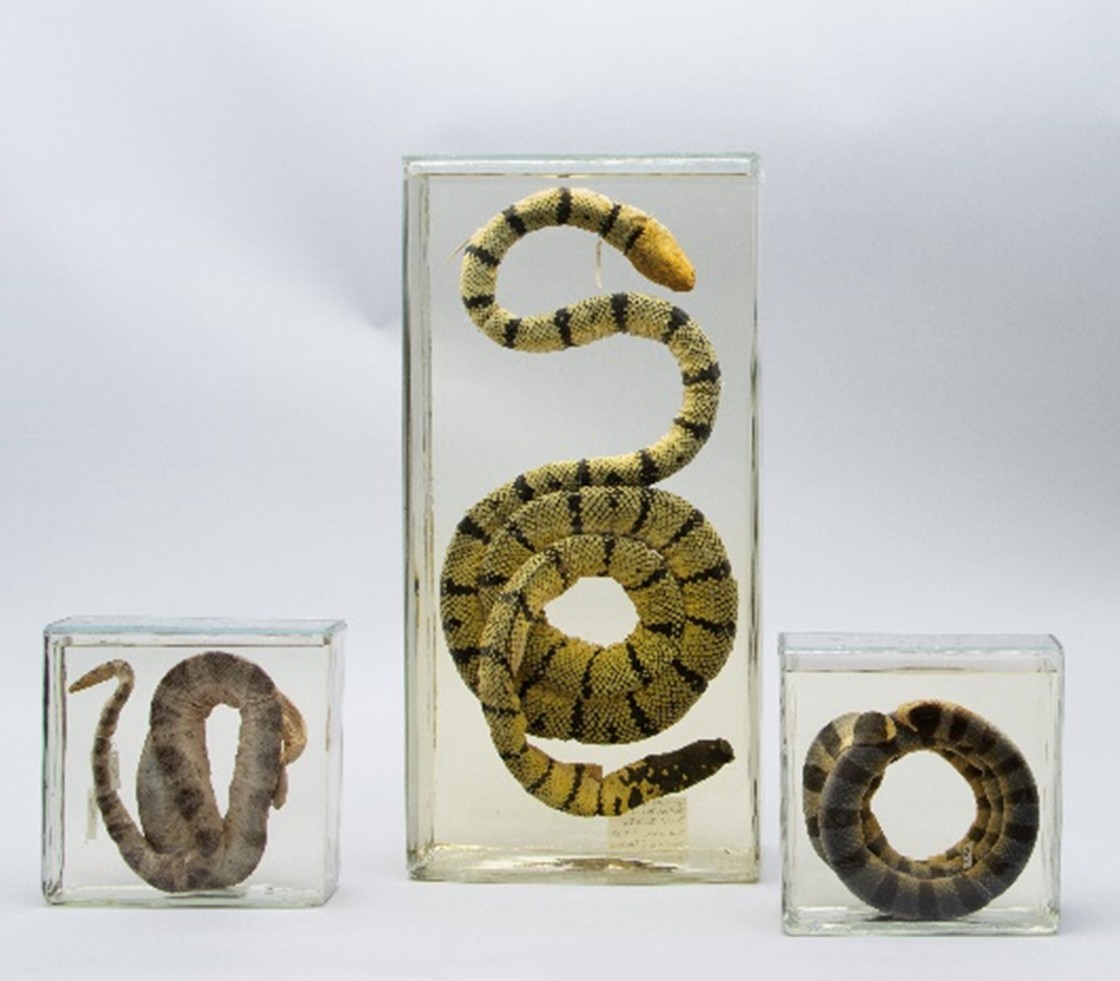
Example of three fluid specimens prepared by the conservation team for the new Natural History Museum of Denmark

Continue reading

Snagged Setae 2, The Sequel: Packing Materials After 14 Years in Fluid Storage

By Lu Allington-Jones (Senior Conservator), Wren Montgomery (FTIR Specialist) and Emma Sherlock (Senior Curator), The Natural History Museum, London UK

Many years ago, we undertook some research into a suitable replacement for cotton wool as bungs for vials holding small fluid-stored specimens. In 2008 we placed samples of Parafilm MTM, white Plastazote® LD45 and colourless HDPE (high-density polypropylene) lids in 10% formalin, 100% ethanol, and 80% IMS (Industrial Methylated Spirit, aka Industrial Denatured Alcohol) and allowed them to steep for 3 years. We undertook visual inspections, pH tests and FTIR analysis and concluded that Parafilm MTM was an unsuitable replacement, but that the other materials had undergone no change and had caused no contamination of the host fluids.  

We decided to revisit the samples after an additional 11 years on a south-west facing sunny lab windowsill, for a total of over 14 years of storage in the various fluids. 

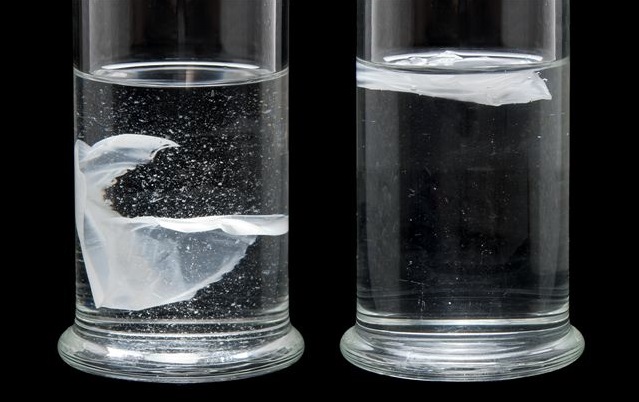
The state of ParafilmTM after only 3 years: particles are visible to the naked eye in the 100% ethanol on the left. The ParafilmTM in the formalin on the right showed a thinning and perforation at its edges. ©The Trustees of the Natural History Museum
Continue reading

We Brought Our Electric Ray Specimens Into The Lab…What Happened Next Will Shock You!

Written by Claire Smith, Project Officer at the Cole Museum of Zoology.

If you’ve been following the Cole Museum of Zoology on Twitter, you’ll know that the museum is closed at the moment – not only because of the COVID-19 lockdown, but also because we’re preparing our collections for their move into a brand new Life Sciences building. While the new museum may not be ready to open until 2021, we have plenty of work to do behind the scenes in the meantime.

Along with a team of staff and volunteers, I work on the fluid-preserved collections at the Cole Museum. As well as the ongoing task of keeping all of the wet specimens in good condition, we’re also putting some into safe storage, and getting others ready to go out on display. As part of my fluid-preservation Twitter, I share weekly threads about the kinds of tasks that the team takes on.

When specimens come into the lab needing work, we identify them from an abridged version of the museum’s catalogue. This gives us basic information such as the specimen’s accession number, its species, and what kind of fluid it’s preserved in. The majority of the Cole Museum’s specimens are fairly new, by museum standards – they’re mostly around 60 to 100 years old. Many of them have been re-sealed, re-mounted or been housed in new jars during this time, but every now and then we come across one which appears untouched. Continue reading

Survey of Flowering Plants Stored in Fluid Preservatives Across European Herbaria

Written by Ranee Prakash, Senior Curator (Flowering Plants), Algae, Fungi and Plants Division, Department of Life Sciences, Natural History Museum, London.

A survey of flowering plant material stored in various fluid preservatives across several European herbaria/institutions was carried out a few years ago. The feedback received from the survey is shared and shows that the majority of the herbaria use 70% IMS (industrial methylated spirit) to store their collections.

Introduction

The seed plant collections (stored in various liquids such as formalin, some have unknown liquids, and some mention poison) form a relatively small yet significant part of the botanical holdings at NHM (Natural History Museum). They include some important material dating back to the mid 1800’s and type collections such as the world’s largest flower Rafflesia arnoldii collected by Robert Brown. However, these wet collections have remained a somewhat underused asset and are in dire need of curatorial attention.

In continuation to this aim, a survey of flowering plants stored in spirit collections across various institutions in Europe was carried out in 2012 so as to assess what preservatives other institutions were using and what would be the best method to store the collections at NHM for posterity. The objective of this survey was to gather information on:

  • How big the spirit collection is
  • How the collection is used
  • Which liquid preservatives the flowering plant collections are stored in

Continue reading

NatSCA Digital Digest

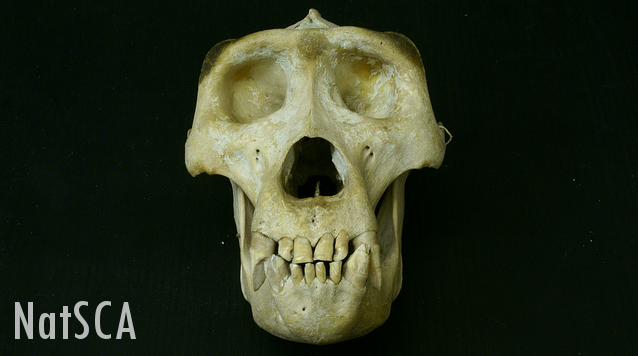
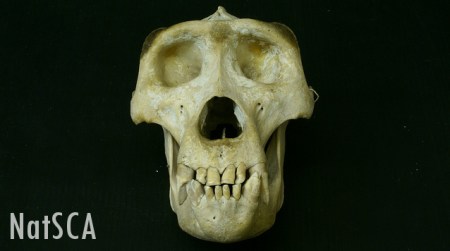
Gorilla skull on a black background

Your weekly round-up of news and events happening in the wonderful world of natural sciences!


Jobs

Unusually, there are a few natural science jobs out there in the UK at the moment:

Curatorial Assistant (Human Remains and Repatriation) – Natural History Museum. Applications close 29th March.

Curator/Lecturer in Vertebrate Palaeontology – Cambridge University. Applications close 3rd April.

Several interesting posts at Royal Botanic Gardens, Kew, including an Assistant Curator (applications close 7th April).

And, just in case you haven’t already seen it:

Collections Manager (Life Collections) – Oxford University Museum of Natural History. Applications close 10th April.

Events

Simon Moore’s renowned fluid preservation course will next run on 1st – 4th June at the Horniman Museum & Gardens. The four-day course costs £300 (NatSCA members can apply for a bursary). See here for details and booking.
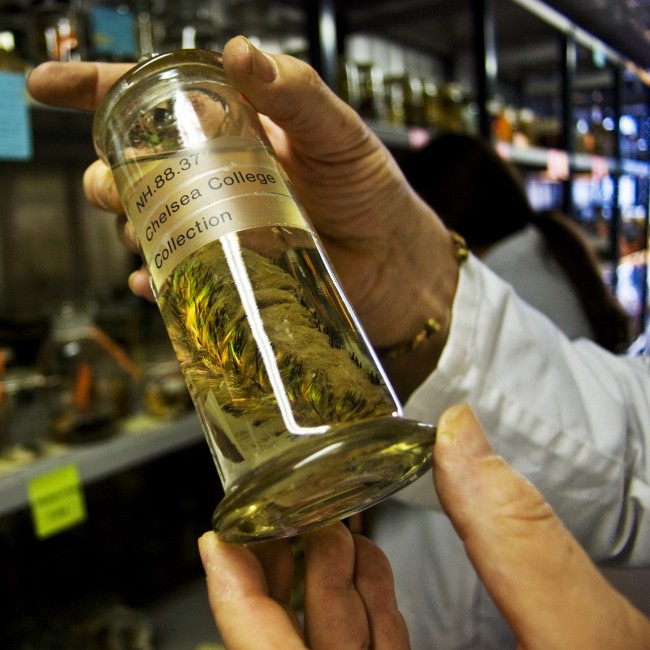
A fluid-preserved specimen in a jar is held up to the camera. Image: Russell Dornan

Learn the skills to care for fluid-preserved specimens (Image: Russell Dornan)

The Society for the History of Natural History (SHNH) has put out a call for speakers for their annual conference, to be held at Wakefield Museum on 31st July – 1st August.

The Museum Ethnographers Group (MEG) 2015 conference is entitled Nature and Culture in Museums, and will explore the relationship between natural science and ethnography. It takes place at the Powell-Cotton Museum on 20th – 21st April, and booking is open now!

In the Media

Today is Taxonomist Appreciation Day, a holiday devised by Dr Terry McGlynn, of California State University Dominguez Hills, to highlight the decline in taxonomic skills and the importance of museum collections.

These taxonomists definitely deserve some appreciation: A census of all known marine life by WoRMS (the World Register of Marine Species) has added many new species and removed 190,400 duplicates!

Darwin’s ‘strangest animals ever discovered’ finally find their place in the tree of life.


Got a submission for the blog or Digital Digest? Email us at blog@natsca.org!