NatSCA Digital Digest – November 2024

Compiled by Ellie Clark, Collections Moves Team Leader at the Natural History Museum, London.

Welcome to the November Edition of NatSCA Digital Digest.

A monthly blog series featuring the latest on where to go, what to see and do in the natural history sector including jobs, exhibitions, conferences, and training opportunities. We are keen to hear from you if you have any top tips and recommendations for our next Digest, please drop an email to blog@natsca.org.

Sector News
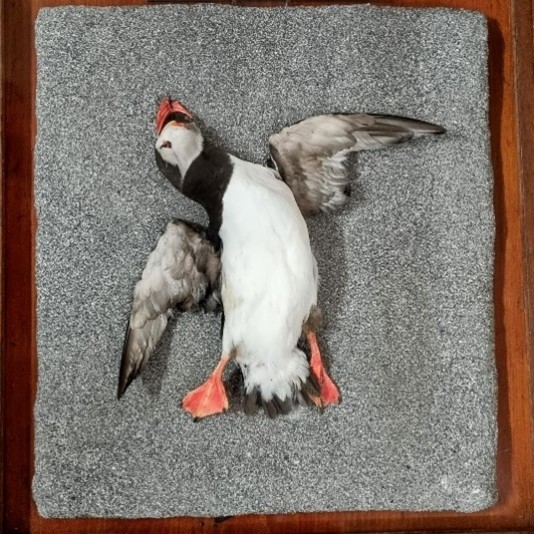

The Unnatural History Museum Seminar Series is Back!

The Unnatural History Museum brings together museum professionals and academics across disciplines to platform vital conversations about the museum mediation of the natural world during the sixth mass extinction.

The first session, on Avian Life, is at 5pm Irish Standard Time on Wednesday 13th November and will feature papers from and discussion with Megan Kuster, University of Manchester; Clara Dawson, University of Manchester; and Elle Kaye, Ethical Taxidermist. Get free tickets here.

Collections Sage Journals 20th Anniversary – Calling all Museum Enthusiasts and Cultural Thinkers

In honour of the 20th anniversary of Collections (Collections: Sage Journals), they have announced an open call for contributions to a special “Re-Collections” series! This edition will explore personal perspectives on museum experiences and bold visions for the future of museum collections. They invite reflections, thoughts, and forward-looking ideas on the impact of museum collections. This is your chance to contribute to a series celebrating both the history and future of museums.

The deadline for submissions is the 1st of February 2025. Find submission details here.

Continue reading

Make Plastic History

Written by Glenn Roadley, Curator of Natural Science, The Potteries Museum & Art Gallery, Stoke-on-Trent.

In May 2023, Professor Claire Gwinnett reached out to me with an opportunity to host a public event at The Potteries Museum & Art Gallery (PMAG). Claire, Professor of Forensic and Environmental Science at Staffordshire University, is an expert in the study of plastic pollution and has worked with the museum before to lead activities at our various science events, so immediately thought of us when seeing the call for applications for the British Academy’s SHAPE Involve and Engage grants. The programme offered grants of up to £8,000 for innovative engagement activities which highlight humanities research, with partnerships between academic and cultural institutions eligible to apply. Claire and I put our heads together and came up with a plan for a day of family-friendly activities aimed at raising awareness of plastic pollution and the research being undertaken to tackle it. At the centre of these activities would be a workshop run by Dan Lewis, an artist who uses plastic fragments found on the beach to create works of art.

Continue reading

NatSCA Digital Digest – October 2024

Compiled by Milo Phillips, Digitisation Coordinator at the Royal Botanic Garden Edinburgh.

Welcome to the October edition of NatSCA Digital Digest.

A monthly blog series featuring the latest on where to go, what to see and do in the natural history sector including jobs, exhibitions, conferences, and training opportunities. We are keen to hear from you if you have any top tips and recommendations for our next Digest, please drop an email to blog@natsca.org.

Sector News

Forensic Solutions to Pangolin Poaching

Does your collection include pangolins? Museum pangolins requested in an effort to build a stable isotope database.

The plight of the pangolin and intensification of poaching for traditional medicine is well-publicised. There is an urgent need for new forensic solutions to this crisis that transcend disciplines. The Scottish Universities Environmental Research Centre (SUERC) are seeking small scale samples from any and all pangolin species held in UK museums. Of particular interest currently is the Philippine pangolin (Manis culionensis).

The project aims to develop a robust, multi-isotope provenancing map which will make it possible to determine where specific confiscated scales are poached. It will do this using stable isotopes and spatial markers such as trace metals. The team at SUERC are happy to travel for in-house destructive sampling or can provide postage materials if the curators and collection managers would prefer to take samples themselves.

For details, please contact Ruth Lewis-Smith (r.lewis-smith.1@research.gla.ac.uk) at the University of Glasgow.

Continue reading

Creating a New Diorama at the Booth Museum of Natural History

Editors note: This is the second of two concurrent blogs about the new diorama at the Booth Museum. Click here to read the first and find out more about how the diorama was created.

Written by Su Hepburn, Head of Learning & Engagement, Brighton & Hove Museums.

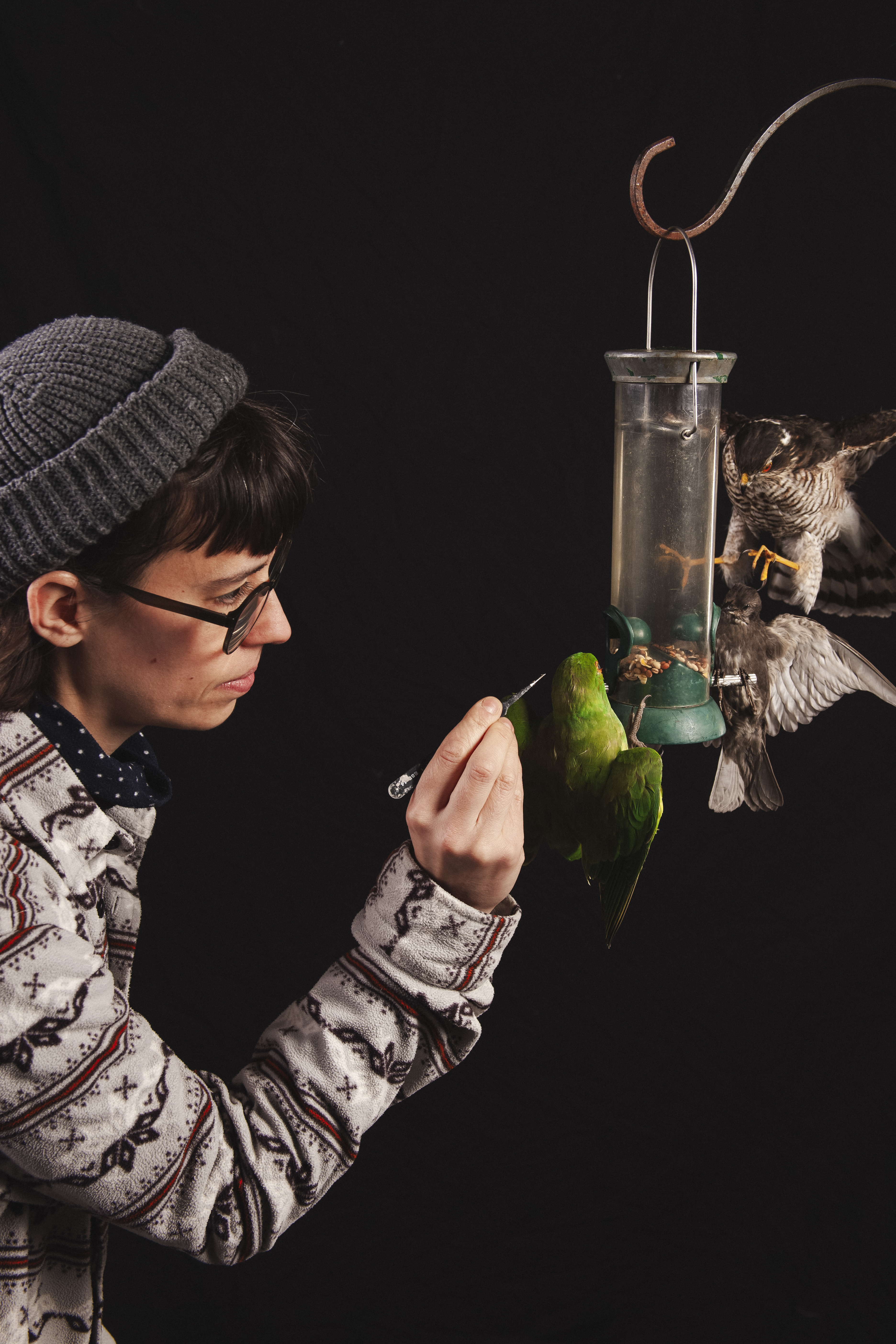
Jazmine Miles-Long, Taxidermist © Laurence Dean Photography

Why a new diorama?

In the autumn of 2022, we started our ‘Discover our Dioramas’ project at the Booth Museum of Natural History, part of Brighton & Hove Museums. Funded by an Esmée Fairbairn Collections Fund of £50,000 we set about building the first natural history diorama at the museum in 92 years. This was a significant project for a museum whose Victorian creator Edward Booth had lined every wall with dioramas of birds. Dioramas are an ideal way of storytelling. They are visual and can get a lot of key information to audiences without the need for words.

Alongside this we were also given £3000 from Rampion Windfarms to research and display more information about people especially women involved in the museum’s history. 

These projects gave us the time and space to be playful and to make friends. To impact on our audiences, our staff, our collections, and our future practices. It has brought joy to the museum, visitor and staff alike. 

Continue reading