‘Tahemaa Transformed’ The Conservation of the Mummy Coffin at The Bournemouth Natural Science Society.

Written by Bethany Palumbo, ACR, Founder and Owner of Palumbo Conservation Services on behalf of the Bournemouth Natural Science Society.

Tahemaa has been a resident of the Bournemouth Natural Science Society since 1922, when she was donated from the Salisbury museum (fig. 1). New research indicates that she arrived in the UK in 1823 from the ancient city of Thebes, now known as Luxor, on the river Nile. Her coffin is dated from 700 BC making her approximately 2700 years old. We know from the hieroglyphics on the side of her coffin that she was the daughter of a Hor a high priest of Montu, the Flacon-God of War. Other than this we know very little about her and her life in Egypt.
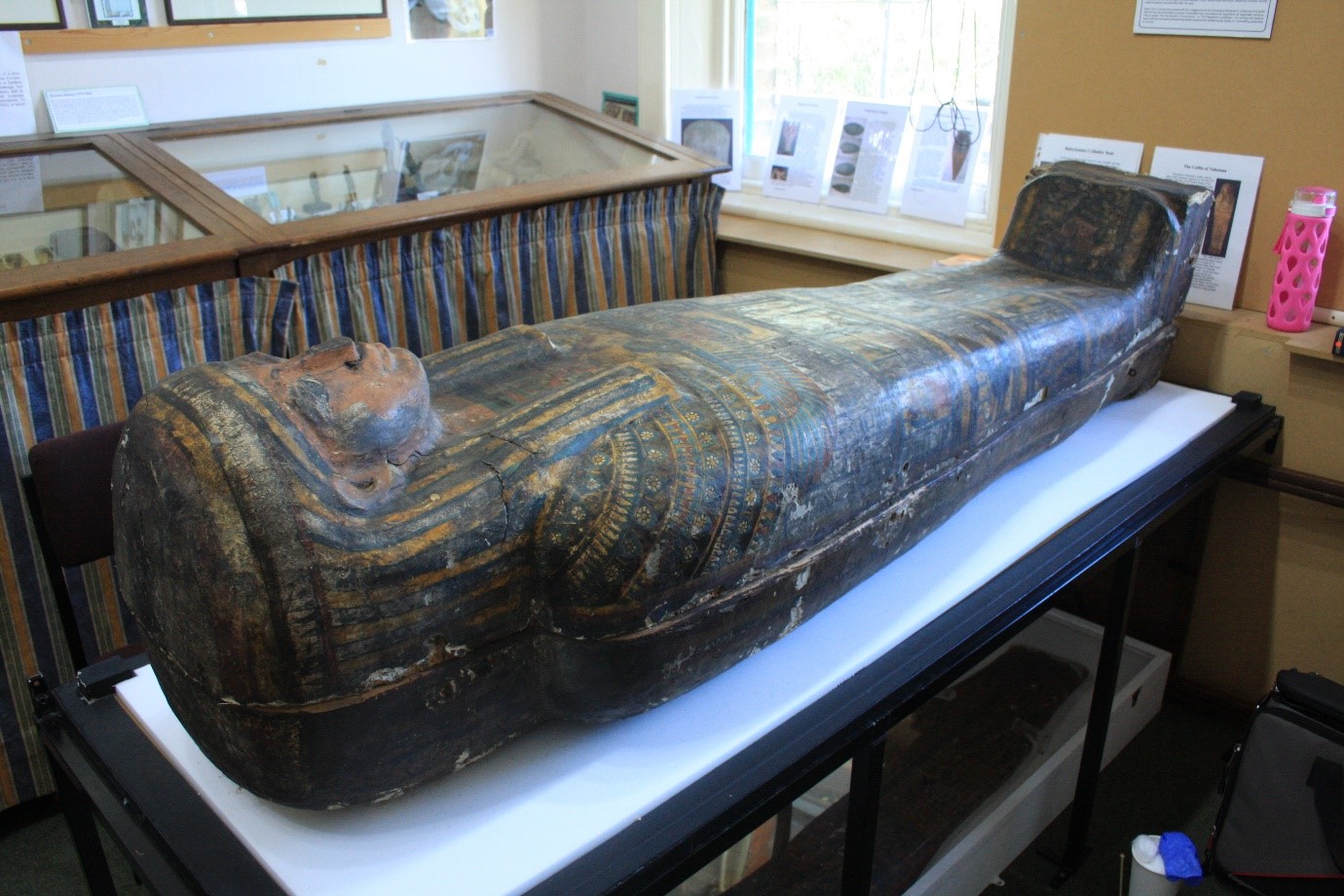
Figure 1. Tahemaa the Mummy at the Bournemouth Natural Science Society.

Tahemaa has been at the Society for nearly 100 years but she has spent most of this time locked away from public view. In 1993, the Society decided to put her on permanent display in the Egyptology exhibition. Since then she has been seen by thousands of admirers, however due to her age and fragile condition, she is in need of urgent conservation treatment. Hundreds of years in an unstable environment have caused significant damage to the coffin. The fluctuations have caused the wood, plaster layers and paint to crack and flake. The layers of the coffin have even separated in some areas, lifting away from the wooden frame (fig 2). Many years without a display case has also resulted in a thick layer of dark, engrained dirt concealing the original colours of her decorative paintwork (fig 3).
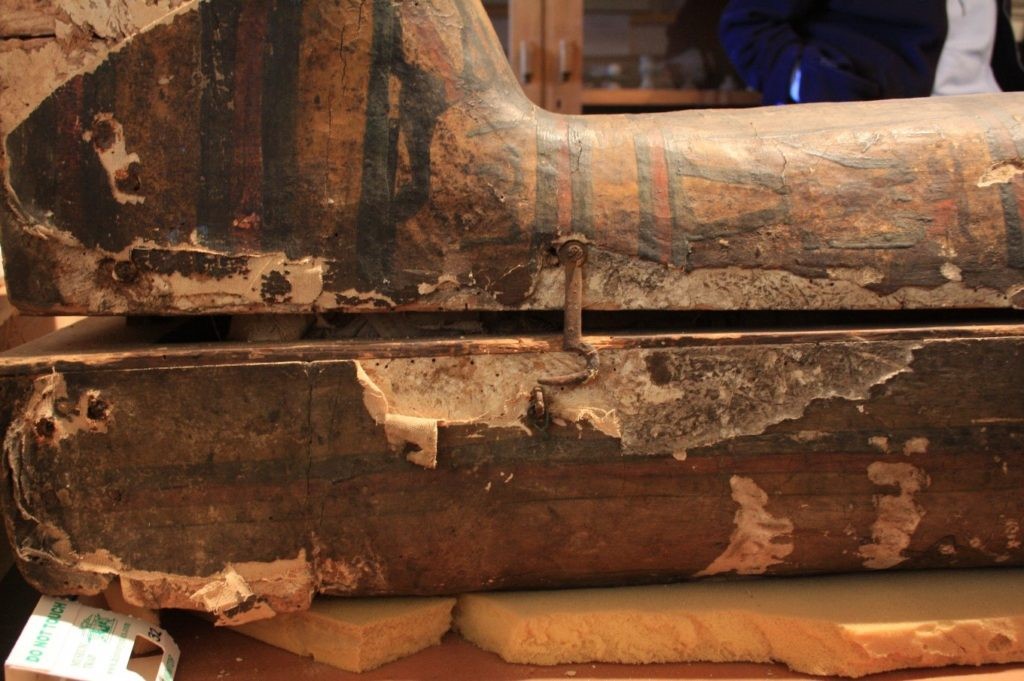
Figure 2. Layers of the coffin structure peeling away.
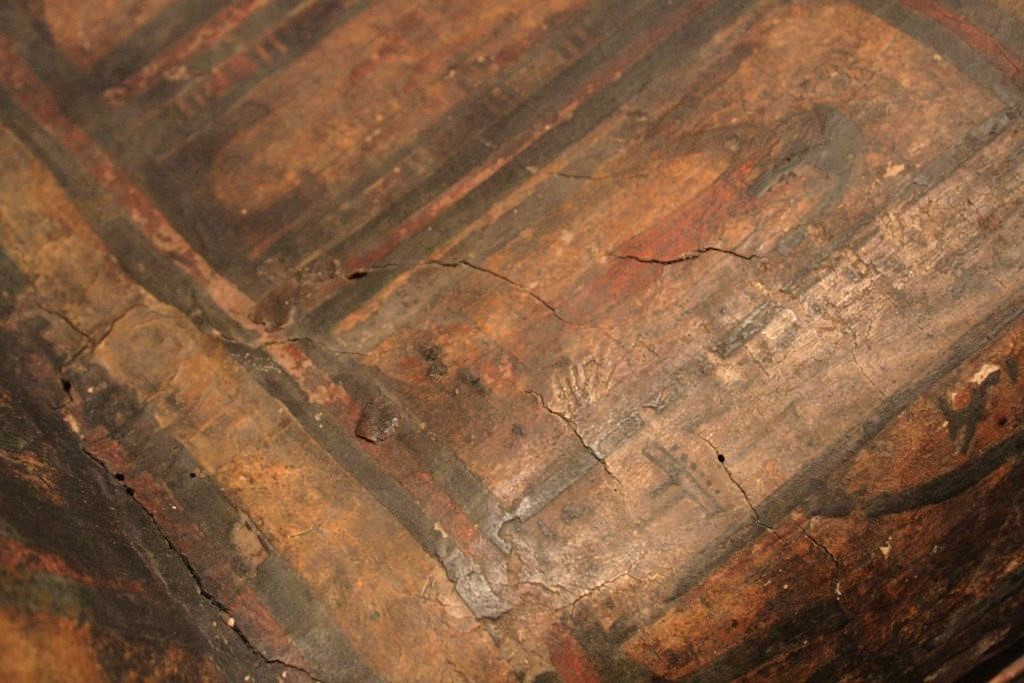
Figure 3. Original colours are darkened with the build-up of surface dirt.

Continue reading

NatSCA Digital Digest – August

Compiled by Glenn Roadley, Curator (Natural Science), The Potteries Museum & Art Gallery.

Welcome to the August edition of NatSCA Digital Digest!

A monthly blog series featuring the latest on where to go, what to see and do in the natural history sector including jobs, exhibitions, conferences and training opportunities. We are really keen to hear more about museum re-openings, exhibition launches, virtual conferences and webinars, and new and interesting online content. If you have any top tips and recommendations for our next Digest please drop an email to blog@natsca.org.

Where Can I Go?

Museums have been steadily reopening since the beginning of July, and August brings a growing list of museums tentatively opening their doors to a limited number of visitors. The Art Fund has put together a list of opening dates, with big names in August including The Natural History Museum, the Science Museum (London), the Museum of Science and Industry (Manchester), National Museum Cardiff and Eureka (Halifax).

What Can I Read?

We’ve got two great posts on the NatSCA blog this month. Yvette Harvey writes about the colonial history of the collecting trips of George Forrest, whose collections still have a huge impact on what is grown in our gardens today. Jan Freedman writes about his experiences in busy museums, and how a calmer, post-Covid environment may benefit the experiences of visitors.

Continue reading

Museums Beyond Covid

Written by Jan Freedman, Curator of Natural History, The Box, Plymouth.

The sun was hot on my neck as I walked up the stone steps of the largest museum in America. The Smithsonian National Museum of Natural History is on every natural curators museums to visit list, and I was full of youthful excitement!

Inside was cool, and I was met with a grand hall, with a beautiful taxidermy elephant in the centre. The space buzzes with the echoing chatter and the scuttling of excited little feet. I walk on to the stairs, past the large mass of people queuing for the lift, and head up the stairs, patiently waiting for people to pass, so I can meet my ancestors. Here in the Human Origins gallery, there are wonderful displays and interactives all about the evolution of our species. Children run from case to case. Prams block display panels. Interactives are bashed.

I move along to the mammal gallery, where it seems like twenty different schools have chosen to visit at the same time. The cases are two deep with visitors peering at mammals from continents away: children squashed at the front, adults squeezing and pushing to get a glimpse. Reminiscent of a Friday night at our student bar. The air is stale and dry. The noise of a thousand different conversations ring loud in my head. There’s a feeling of being moved along by an invisible force of hunger: not for food, but to ‘see’ the next thing.

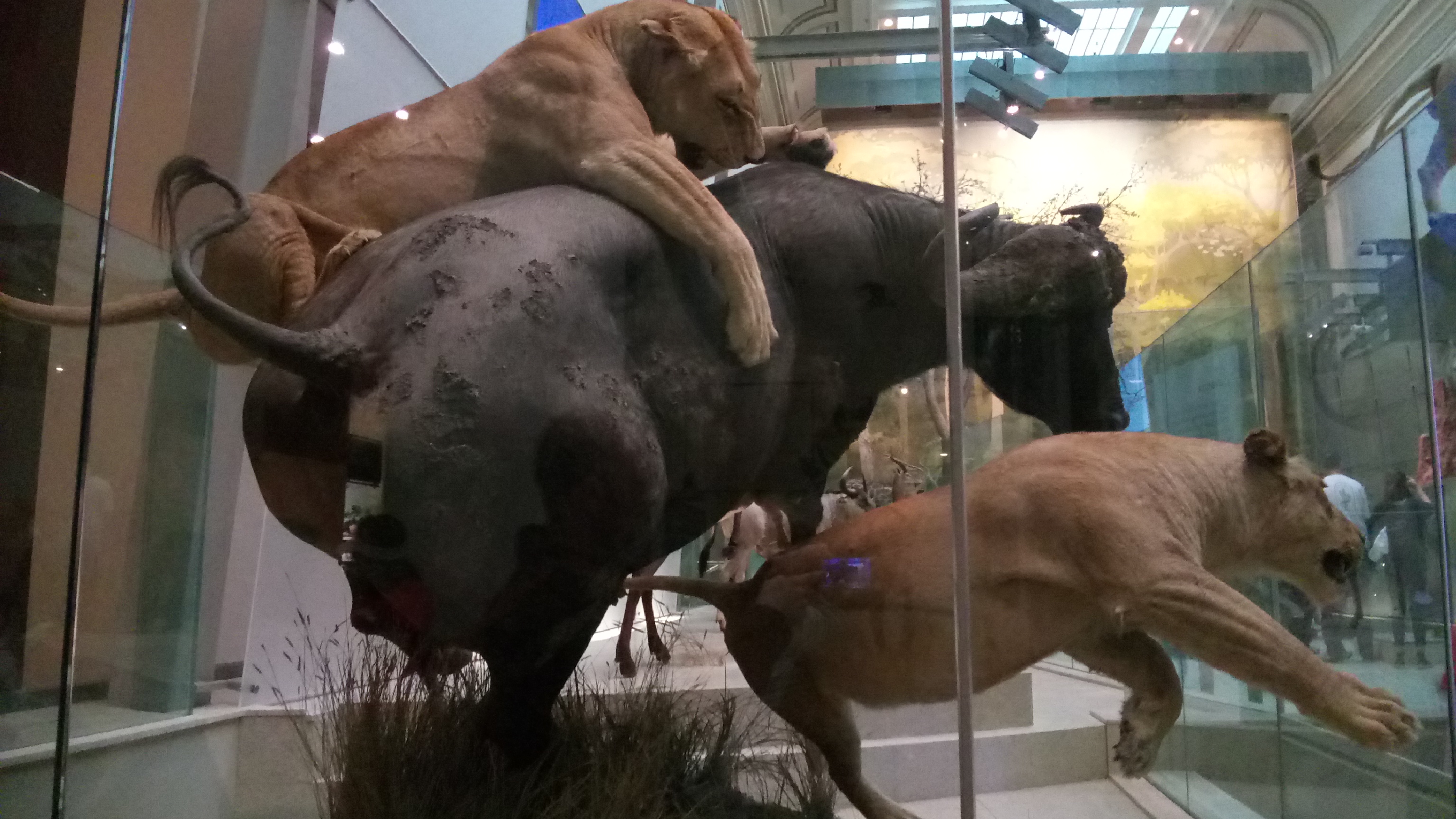
Beautiful taxidermy work of lions attacking a buffalo. I patiently waited 15 minutes until the case was clear of visitors for this photo. Photo by Jan Freedman.

Continue reading

NatSCA Digital Digest – July

Compiled by Lily Nadine Wilks, Intern at Museum Development Yorkshire.

Welcome to the July edition of NatSCA Digital Digest!Where Can I Visit?

It’s that time, museums have been allowed to reopen! Sadly most aren’t re-opening just yet to keep everyone safe. You can visit Derby Museum and Gallery from the 7th July and experience their Notice Nature Feel Joy exhibition. https://www.derbymuseums.org/locations/museum-art-gallery

Also you can visit Beamish Museum in the North East from 23rd July and visit their wonderful farms. http://www.beamish.org.uk/

The Yorkshire Museum Gardens have reopened, 7 days a week from 10.30am to 6pm – they are a wonderful place to sit and watch the squirrels https://www.yorkshiremuseum.org.uk/news-media/latest-news/york-museum-gardens-reopening-in-june/

Doors may remain closed but you can visit National Museums Liverpool Dinosaurs and Natural World virtual gallery tour: https://www.liverpoolmuseums.org.uk/dinosaurs-and-natural-world-virtual-tour

Continue reading

NatSCA Digital Digest – June

Compiled by Jan Freedman, Curator of Natural History, The Box, Plymouth.

Welcome to the June edition of NatSCA Digital Digest!

With the government easing lockdown, some of us return to work, but museums and art galleries still remain closed. There are still lots of great online resources and activities to enjoy.

Where can I ‘visit’?

The Natural History Museum, London has several virtual tours around their galleries. Whether you would like to flick through the Wildlife Photographer of the Year images, or listen to the soothing voice of Sir David Attenborough, there’s plenty to see, and inspire some ideas for your own museum.

The Oxford University Museum of Natural History has a wonderful virtual tour of their galleries. The North Carolina Museum of Natural History has several online events and activities, including talks with curators about their collections. Similarly, the Naturalis Biodiversity Centre has several online videos of curators talking about the collections.

What can I do?

SPNHC and ICOM NATHIST are holding a virtual digital meeting from June 8th – June 12th. The event includes presentations, symposiums and educational sharing to promote communication and professional development. More details can be found here.

Continue reading