‘Provocative Practice’: New Ways of Working with Natural Science Collections

A 70 foot long whale skeleton hangs overhead a fantastic ‘collection’ of natural science curators, collection managers, conservators, and education and museum professionals, busily gathering around and eagerly greeting each other at this year’s annual Natural Sciences Collections Association (NatSCA) conference. As Natural History Museum ‘fly’ specialist Erica McAlister tweeted: “If that fell that’s most of UK’s natural history curators & conservators wiped out”.
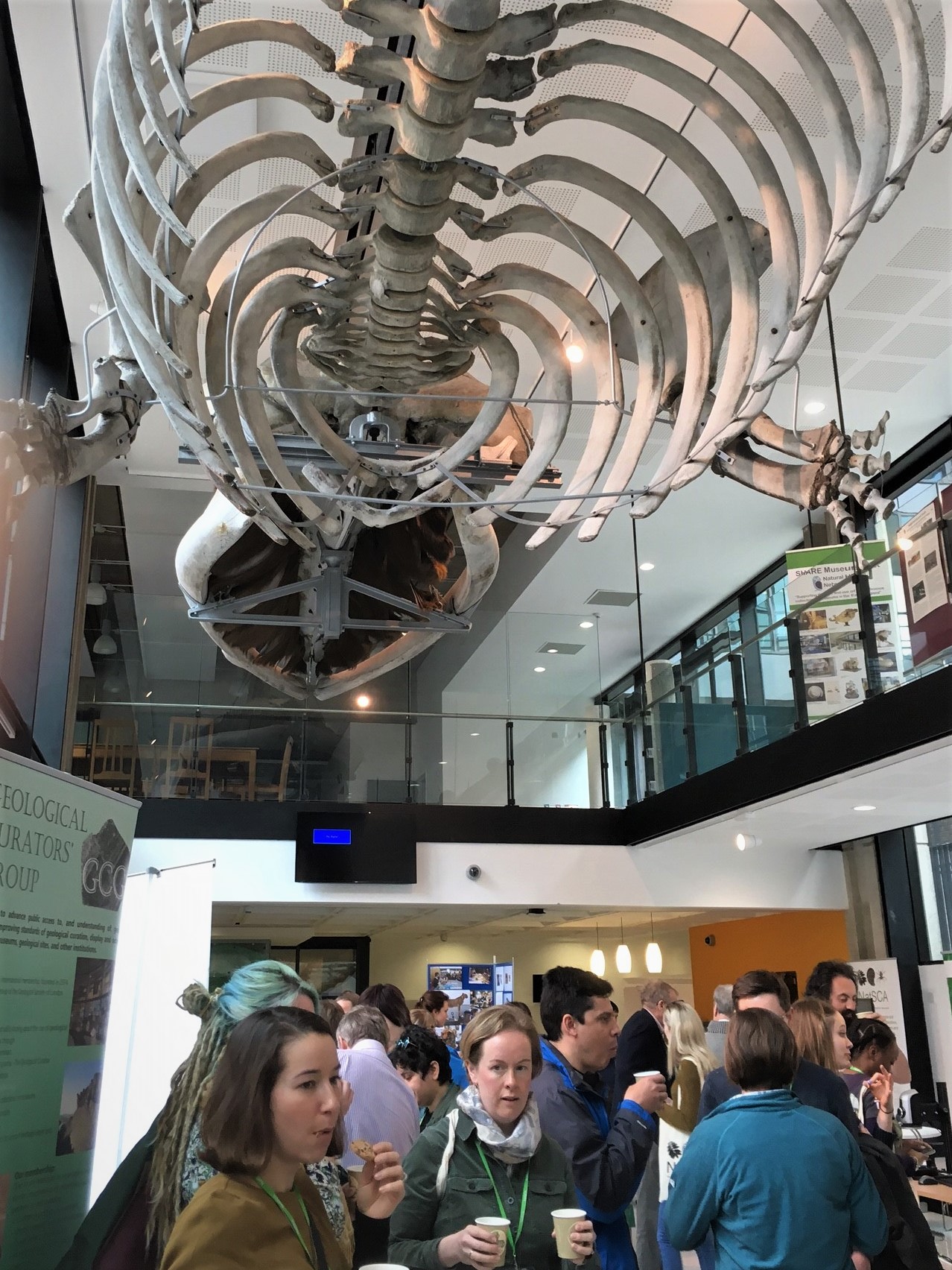
NatSCA delegates gathering below the newly hung Fin Whale. Photograph by Simon Jackson, shown thanks to University Museum of Zoology, Cambridge.

This year’s event (#NatSCA2017), at the University Museum of Zoology, Cambridge, had a record 110 delegates, and as such was the biggest NatSCA conference to date. At the heart of the conference was the new Whale Hall, part of an enormous redevelopment project of the David Attenborough Building. As many of us marvelled at the huge leviathan overhead, the rest of us rushed between advertising sponsor stalls, exchanged ideas, caught up with one another and most importantly, fuelled up on coffee!

Feeling inspired, we were ready to begin this year’s talks on the theme: “Evolving Ideas: Provocative New Ways of Working with Collections” as Paolo Viscardi, NatSCA Chair, keenly ushered us in to the main lecture theatre. Continue reading →

NatSCA Digital Digest – June

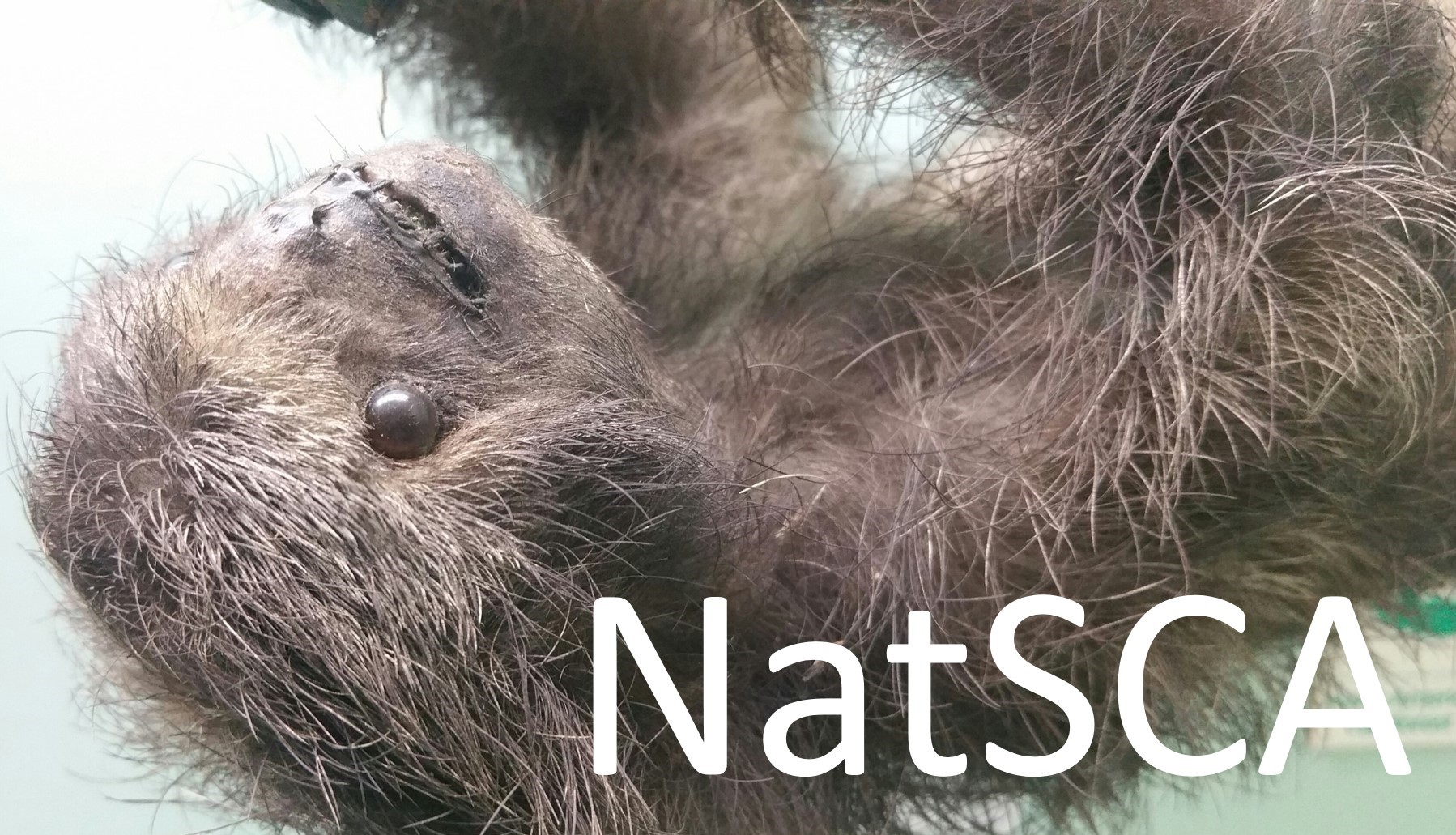
Three-toed sloth (C) Horniman Museum and Gardens

What Should I Read?

Four new dinosaurs all under one article, plus a good reason to check what’s in your museum stores more carefully. Dr Dave Hone introduces a cavalcade of new giant dinosaurs.

We all want to live in a perfect world where all museum records are available online, so why don’t we just digitise everything huh? Peel Art Gallery, Museum and Archives tackles The Question so many of us seem to get asked: Why don’t archivists digitize everything?

Not so much a blog or article to read, but definitely something to have a quick look at for it’s wow factor alone. If you’re looking for inspiration for your next event, be it for children or adults, it doesn’t come much better than these balloon animals and insects. These incredible balloon sculptures are by artist Masayoshi Matsumoto, and are just amazing. Continue reading →

National Gorilla Day! (or Racist Skeletons in our Closets)

Happy National Gorilla Day!

We don’t usually cover “national *insert_animal* day” specially on this blog, but this year we’re particularly excited about gorillas because a book was recently published that contains a comprehensive list of all the gorillas held in natural science collections worldwide.

Screenshot 2017-05-26 at 12.31.47 - Edited

This impressive resource has been compiled by John Cooper and Gordon Hull over the course of many years and not only are specimens listed, their collection and/or acquisition data are also reported. Cooper and Hull have also offered suggestions for use of specimens in collections as well as guidance on the different types of preservation available and how they can be achieved. This only forms part of the book, with the first section more concerned with the health and conservation of these impressive animals. Continue reading →

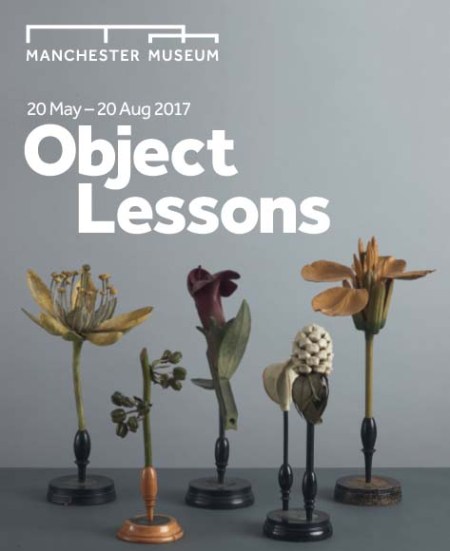
Object Lessons; Manchester Museum

Most curators have those niggling objects at the back of their stores. Models and illustrations previously used for teaching or display in the dim and distant past, but kept for a rainy day. Not quite real objects and not the kind of thing you would necessarily want to accession.

Well, we’ve embraced these wonderful objects in our new exhibition: Object Lessons.

Brendel Models, George Loudon Collection

Brendel Models, George Loudon Collection

Object Lessons celebrates the scientific model and illustration collection of George Loudon. Each of these finely crafted objects was created for the purpose of understanding the natural world through education, demonstration and display.

The object-rich exhibition will look at this incredible collection through themes such as Craftsmanship, the Teaching Museum and the Microscopic. Continue reading →

To Dress a Wolf

I like a nice little link to a place I am visiting. And there is a wonderful (if not a little tenuous) link between where I work in Plymouth and Cambridge. Charles Darwin studied theology at University of Cambridge in the old oak clad lecture theatres. And it was through the connections he made at Cambridge that set him on board the HMS Beagle, on a journey that would change the world of scientific thinking forever. The HMS Beagle, with Darwin and all the crew, set sail from in Plymouth after a three month delay. It’s a neat little link.

With such a strong historic links to science, there was perhaps no better place suited to hold the NatSCA  conference 2017. Even the theme title linked in, with a little nod to Darwin (those clever committee members): Evolving ideas: provocative new ways of working with collections.

Continue reading →