The Mass Migration of the Cole Museum of Zoology

This article has been reposted from The Mass Migration of the Cole Museum of Zoology blog.

Spreading the word

We’re back!

There has been a lot of progress made in organising the move of our animals, and there will be a series of blog posts here to update you on what we’ve been up to behind the scenes.

In front of the scenes (as it were), some of our invaluable undergraduate volunteers have created and started to roll out an outreach/awareness focused Pop-Up Museum.

The pop-up features specimens (that aren’t part of the official museum collections!) and an information sheet about each species, with members of the public able to pick up and explore them. The volunteers are there to engage in enthusiastic conversation, to educate people about animal life and raise awareness of the Cole Museum itself.

The Featured Image of this post shows Max and Amelia at a local primary school’s summer fair, and below is the huge amount of interest the museum got from young zoologists on its first ever outing:
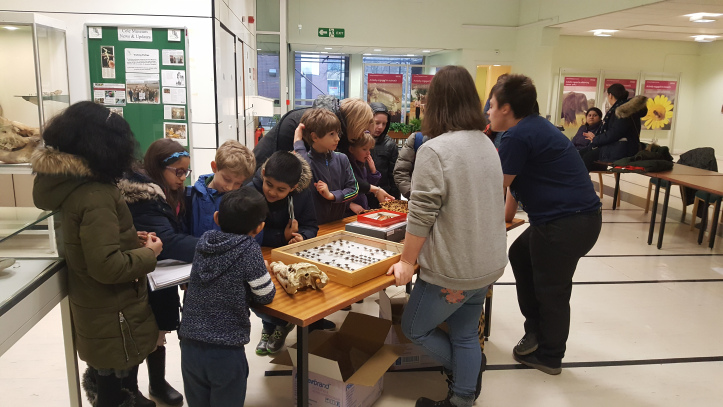
Max and Amelia at a local primary school’s summer fair. © Cole Museum of Zoology

The beauty of the pop-up museum lies in its portability and flexibility of content; it can include games, sweets and toys for sale if being run in the museum during holidays or at schools but could also include more in-depth specimen information, a more grown-up friendly range of merchandise and quizzes. The whole thing packs into 2 or 3 boxes, and requires only a table to set up.

For the Cole, our pop-up museum encompasses so many things that are really important to us; great undergraduate student experiences, public outreach, inspiring the next generations of zoologists and raising awareness/funds for the Cole Museum and its upcoming move. It’s a win-win-win…win-win…

Written by Meg Cathcart-James, Project Officer at Cole Museum of Zoology

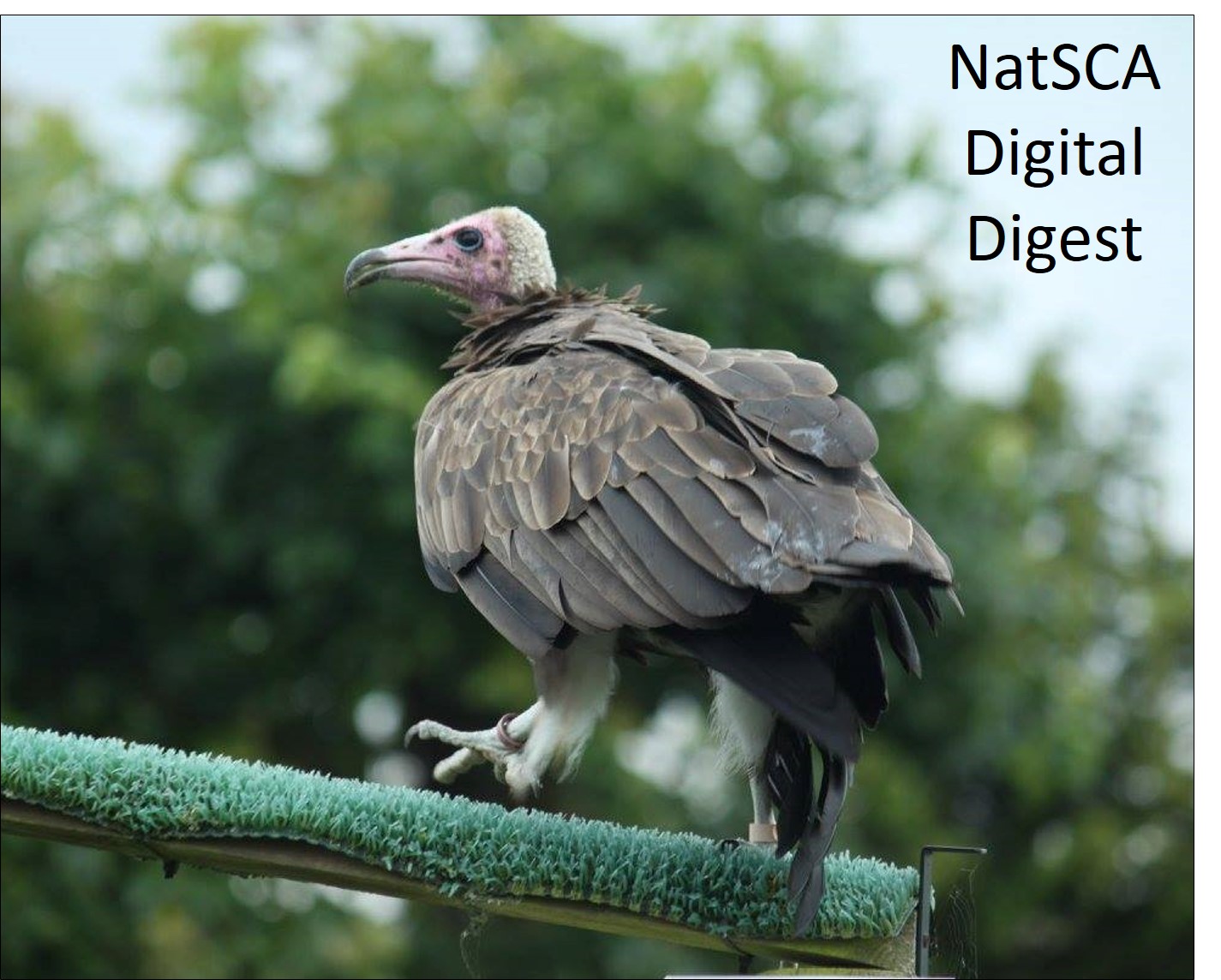
NatSCA Digital Digest – July

What Should I Read?

On the palaeo-blog by ever prolific palaeoartist Mark Witton, a new piece called Ricardo Delgado’s Age of Reptiles at 25: a palaeontological retrospective looks back on the Age of Reptiles comic series, that first appeared in 1993. It is full of palaeoartistry insights, entertaining musings, and images from both Witton and the comic series.

The Geological Curators’ Group blog is a hive of activity with new content now coming out fortnightly. The latest article, published a couple of days ago, is a review of the very popular and highly successful pyrite workshop that took place at the Natural History Museum, London. With really useful content, the article by Deborah Hutchinson, Curator of Geology at Bristol City Museum and Art Gallery, is called Pyrite Oxidation: Where Are We Now?

Some fantastic new dinosaur skeletons, with thought-provoking growth rings within the bones…., are currently being unearthed in Argentina. Read about this Triassic site in the following article from the BBC; Fossil of ‘first giant’ dinosaur discovered in Argentina.

Continue reading

We Are All Experts…

I recently attended a conference where one of the speakers happily declared ‘We are all experts’. I have heard this said a few times, but feel it misunderstands what an expert is, devalues expertise and misses out the joy and benefits of learning new things.

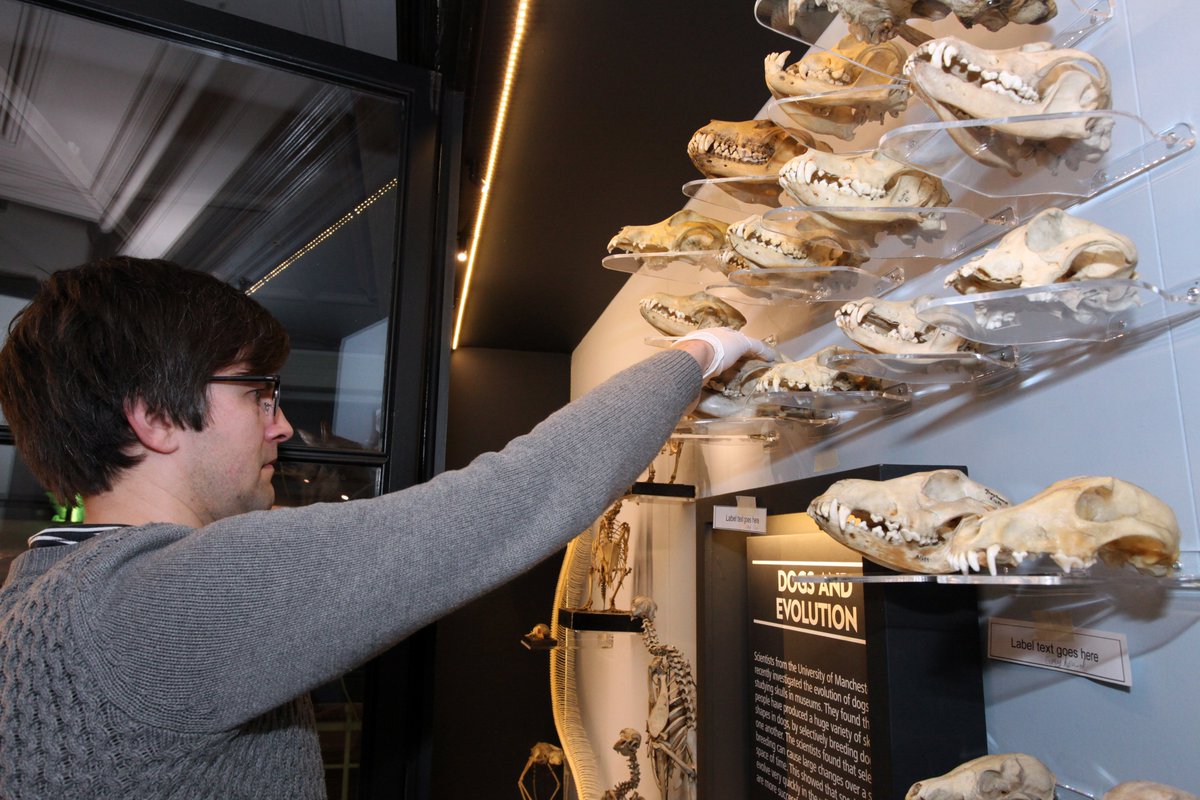
Maybe I would say this wouldn’t I? After all, I am employed as an expert in my field as Curator of Earth Sciences at Manchester Museum and am a NatSCA committee member. But there are good reasons why experts are important and are vital to museums being relevant to society and changing people’s lives for the better.

Installing Manchester Museum’s Nature’s Library gallery showcasing how the collection is used. © The University of Manchester, Manchester Museum.

Everyone brings their opinions, feelings, and ideas about collections, and experts are no exception but crucially experts also bring the knowledge, ideas and understanding of those who have gone before, many of which have been rigorously scientifically tested and challenged.

Continue reading

Transforming Scientific Natural History 3D Data into an Immersive Interactive Exhibition Experience

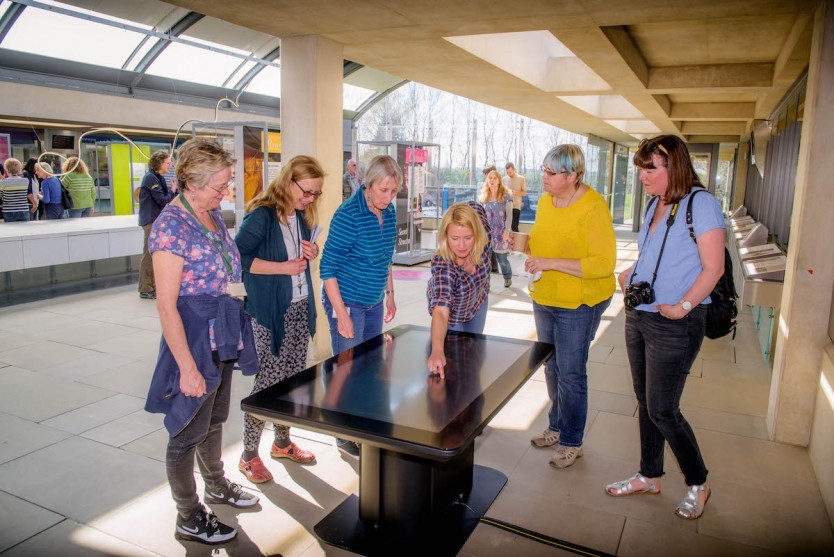
Interspectral is a Swedish company that provides an interactive exhibition system called Inside Explorer using 3D volumetric scanning, such as CT and micro CT, real-time graphics visualisation and a large touch table to enable gallery visitors to interactively explore natural history subjects using modern science techniques.

Inside Explorer is today used at museums worldwide, for example the British Museum, Natural History Museum London, Utah Natural History Museum, Denver Museum of Science and Nature and many more.

A recent collaboration between Interspectral and Wakehurst; Kew’s wild botanic garden for their Millennium Seed Bank Visitor Atrium, has resulted in some spectacular results. These can be seen in the specially commissioned Secret Structures exhibition. The Inside Explorer system at the exhibition enables visitors to the Millennium Seed Bank to not only marvel at plants, but to learn from them and to understand our need to protect them. The Inside Explorer Digital Table invites them to peel back the layers of intriguing, scanned objects from RBG Kew’s collections; a Brazil nut, a piece of oak, an orchid and a carved walnut shell.

© Kew Gardens

Wakehurst and Interspectral worked with London’s Natural History Museum’s imaging labs to micro CT scan the subjects for the exhibits. These were then produced for exhibition by Interspectral and Wakehurst.

Continue reading

NatSCA Digital Digest – June

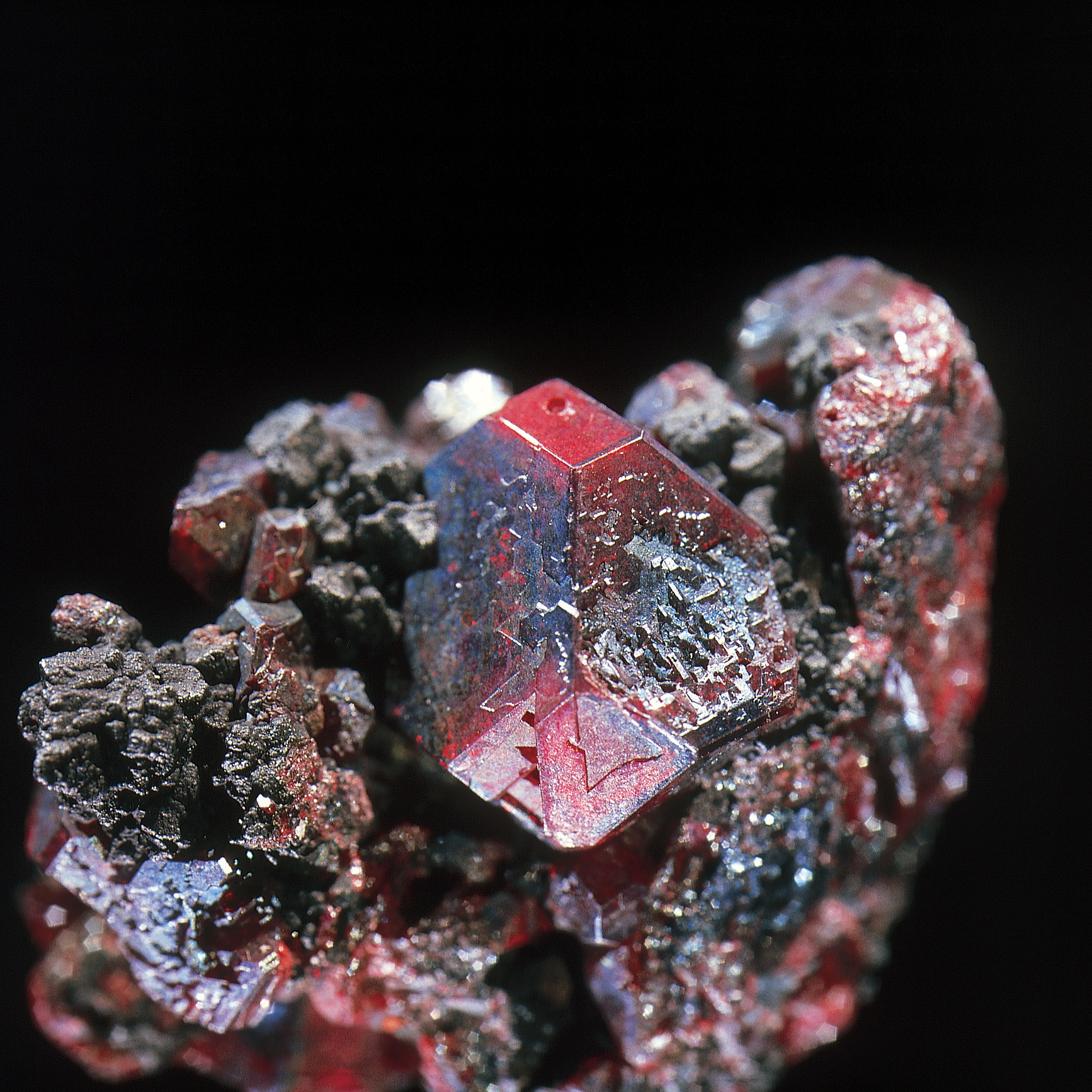
The beautiful mineral Cuprite, from Phoenix Mine, Cornwall. (© Plymouth Museums, Galleries, Archives).

Post-Conference Blues

It’s been a few months since our 2018 conference and AGM at Leeds City Museum. It was wonderful to see so many people there – to catch up with old friends and to meet new ones. And as always, I am so sad when it is over. I guess this is why it’s nice to revisit what went on for the two days. There have been a few different write ups about the conference:

David Waterhouse, Senior Curator of Natural History, Norfolk Museums Service, wrote his first blog post ever all about his time at the conference here.

Glenys Wass, Heritage Collections Manager at Peterborough Museum wrote about her summary of the conference talks here.

Jan Freedman (me), Curator of Natural History, at Plymouth Museums, Galleries, Archives, shared my experiences of the conference here.

Plus, the talks from the conference will be written up either for the NatSCA blog, the Notes & Comments, or the Journal of Natural Science Collections.

The Future of Museum Collections

Leading on from the conference, one talk by Alistair Brown at the Museums Association, looked at where collections will be in 2030. This new research project will be working with museum staff to understand issues that currently face museums and where they want them to be in less than 15 years time. A write up of the Collections 2030 project can be found here.

Continue reading