Aliens Escape the Herbarium

Written by Annette Townsend (Interdisciplinary Natural History Artist) & Sally Whyman (Curator: Botany Curator, Amgueddfa Cymru – National Museum Wales).

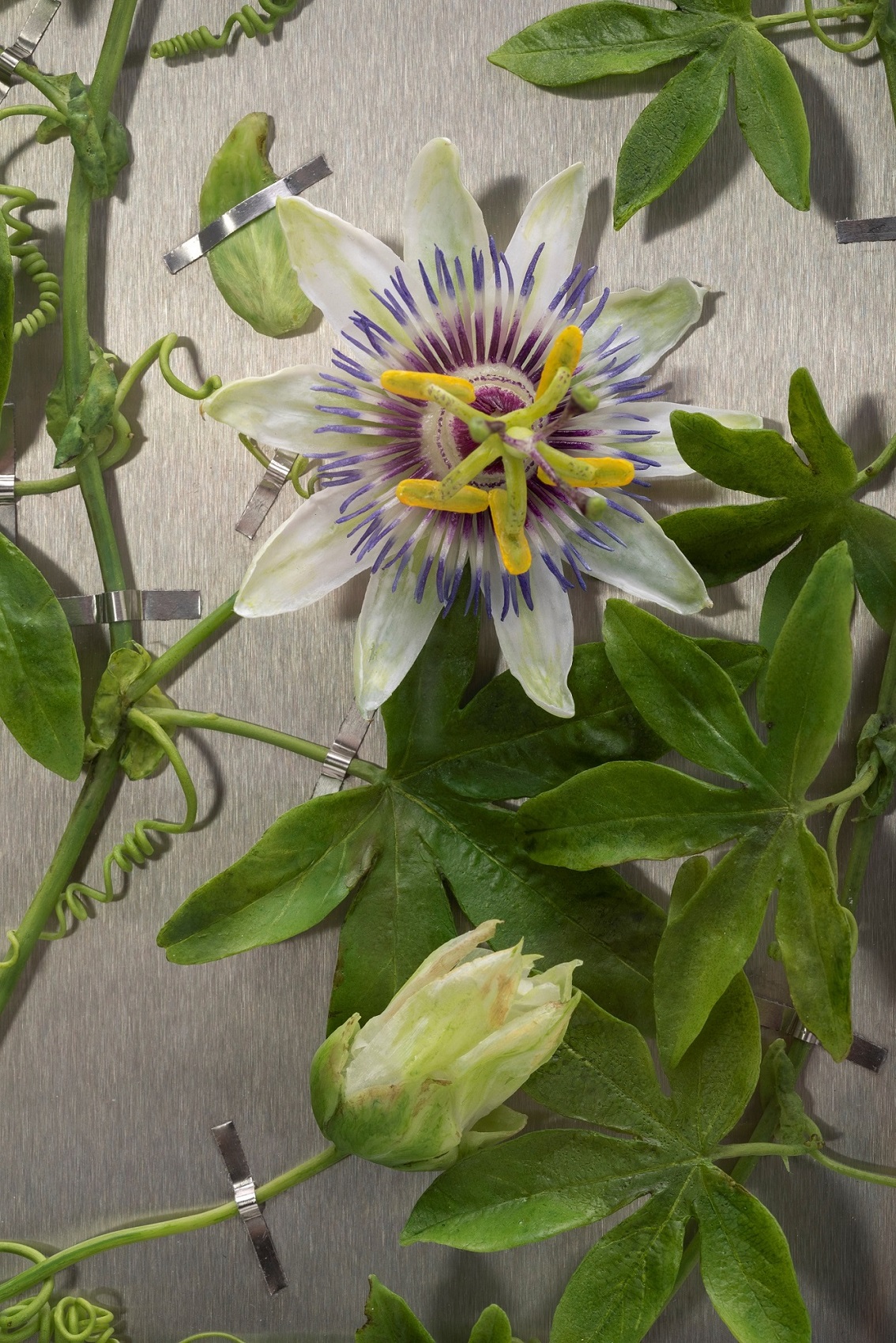
Aliens 1956. Close-up. Annette Marie Townsend. Image Dewi Tannatt Lloyd

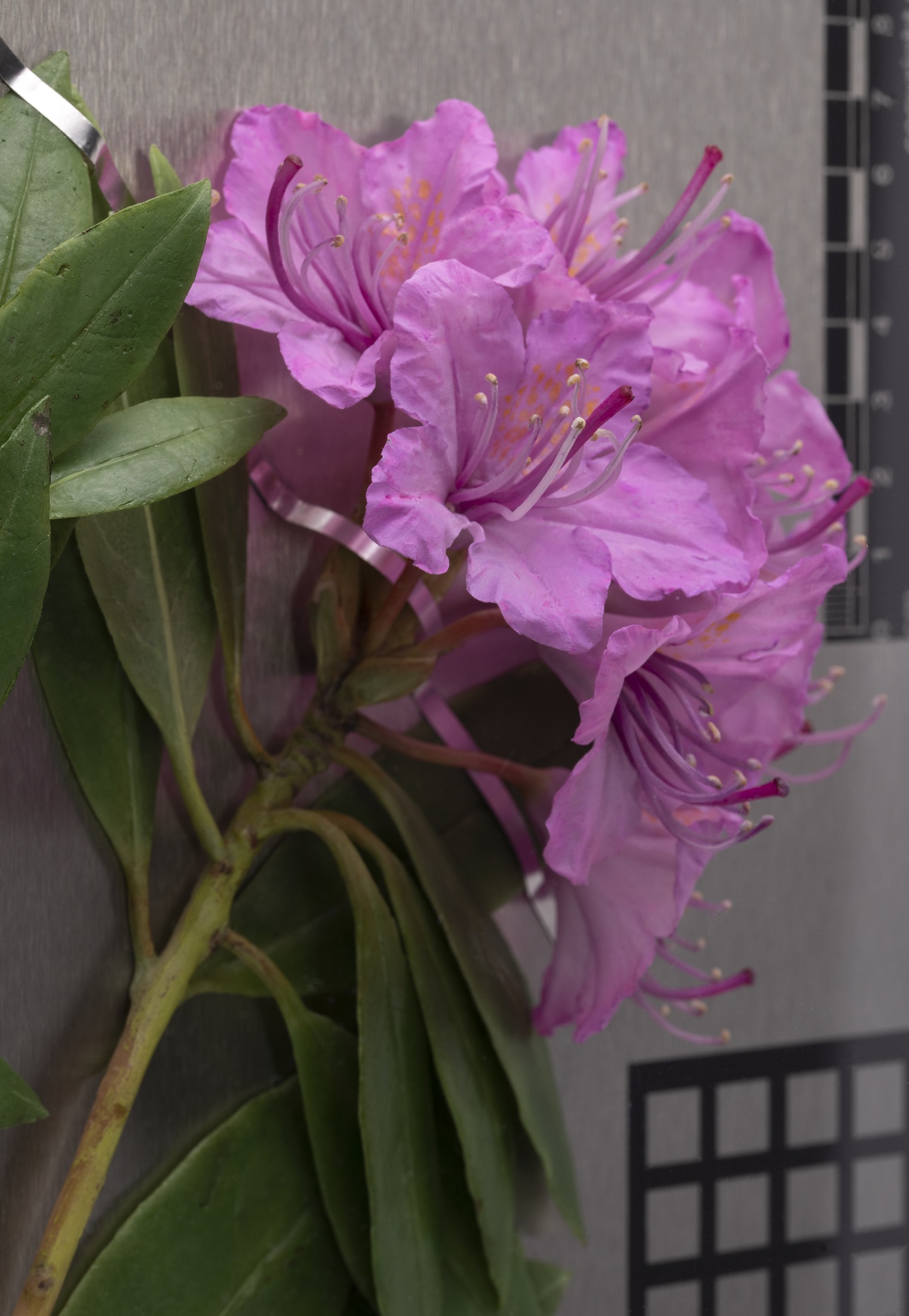
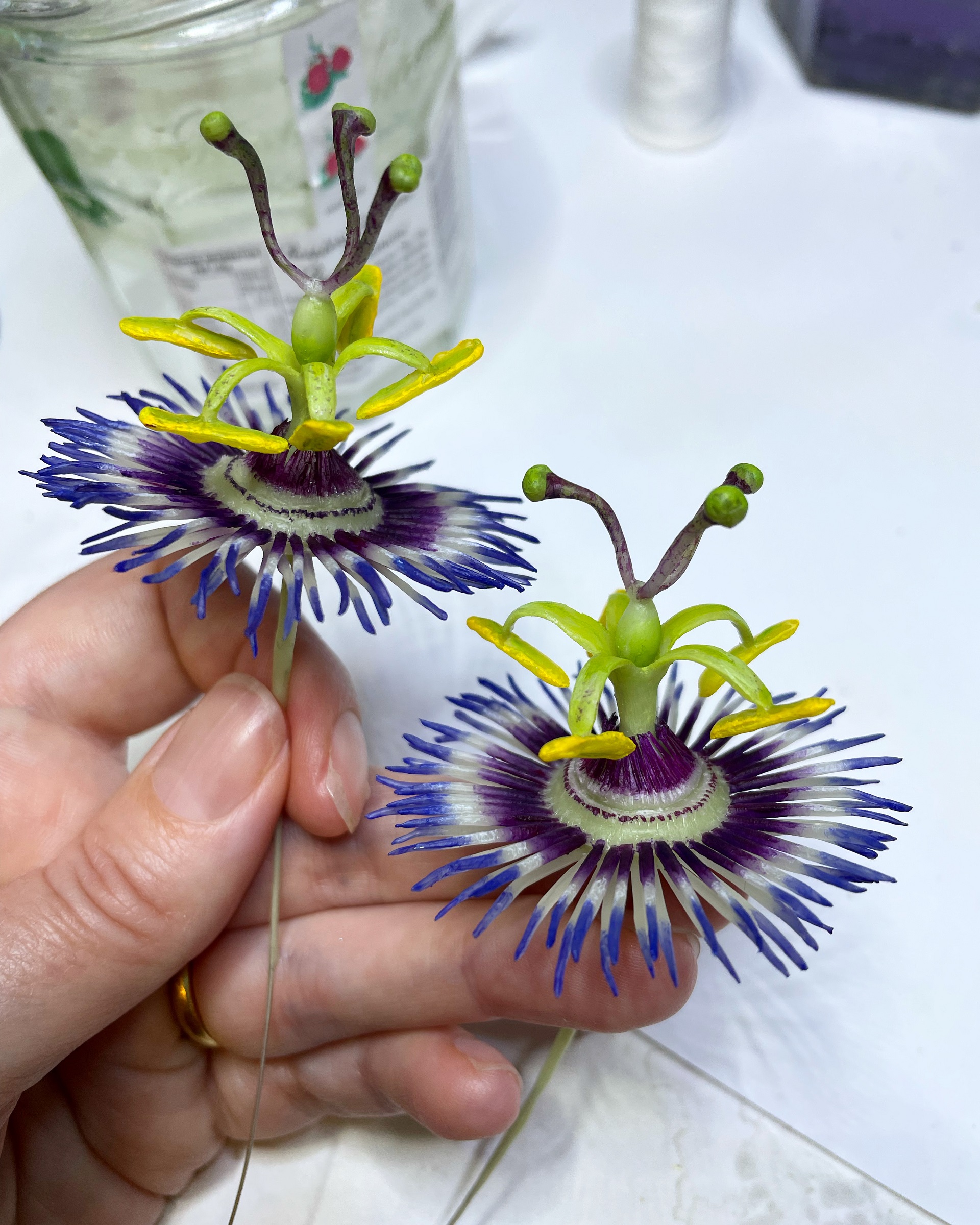
Plants growing on the wall of a London art gallery!! On closer inspection you discover they are alien plants, introduced to the UK. Looking even closer you realise they are delicate sculptures, handmade from beeswax, paraffin wax, tinned copper wire, tissue paper, cotton thread, artists’ pigments, acrylic paint and acrylic varnish.

Aliens 1992. Close-up. Annette Marie Townsend. Image Dewi Tannatt Lloyd

Mounted on stainless steel plates with stainless steel strips, and epoxy printed collector labels, in a juxtaposition of historic and modern materials and techniques, each sculpture mimics a real herbarium sheet, found in the Welsh National Herbarium, Amgueddfa Cymru.   

Wax passion flowers in progress. Image A.M. Townsend

The brainchild of Annette Marie Townsend and Sally Whyman who wanted to combine the skill, vision and dexterity of the artist with the depth of collection knowledge of the curator, allowing the plants to come to life and escape the confining folders and cabinets of the herbarium. This Aliens series allows the plants tell their stories of biodiversity change and invasive species to new audiences, further afield than museum visitors and botanical researchers.    

Continue reading

Natural History Museums for a World in Harmony with Nature: Now’s the Time!

Written by Henry McGhie, Curating Tomorrow, henrymcghie@curatingtomorrow.co.uk.

Bio: Henry McGhie has a background as an ecologist, museum curator and manager. He set up Curating Tomorrow in 2019 to help empower museums and their partners to contribute to sustainable development agendas, including the Sustainable Developmet Goals (SDGs), climate action, biodiversity conservation, Disaster Risk Reduction and human rights. He is a member of the ICOM Sustainability Working Group, and a Churchill Fellow working on these topics.

This blog post takes in some of the developments over the last couple of years, and sets out some current opportunities for museums with natural history collections to strengthen their contributions to environmental sustainability.

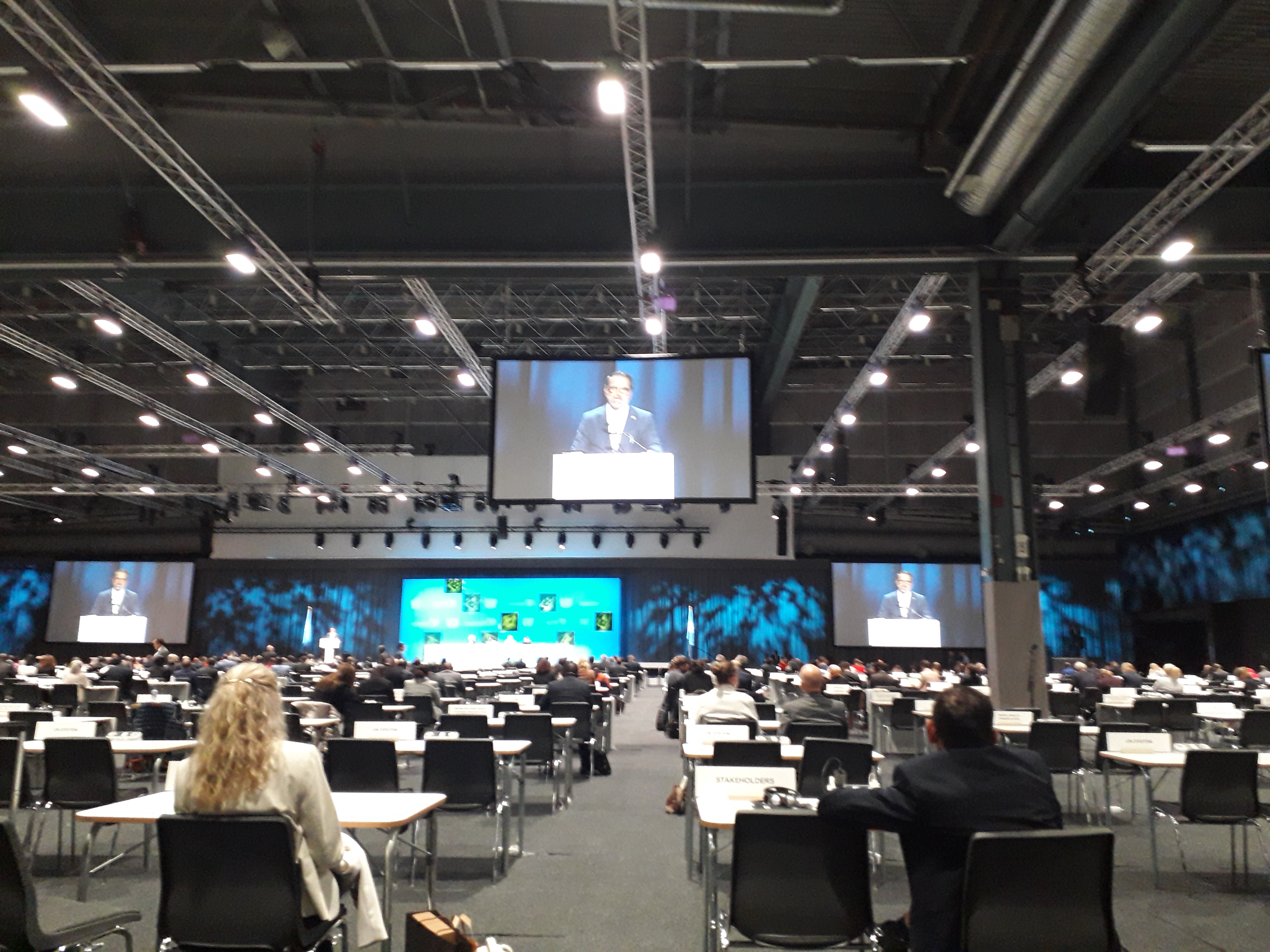
Let’s cast our minds back to 1992, over thirty years ago now, when representatives of all countries agreed to take action in three areas. This was the Rio Earth Summit, which adopted the Convention on Biological Diversity, the Framework Convention on Climate Change (the grandparent of the Paris Agreement) and the Convention to Combat Desertification. It’s entirely possible you may not even have heard of all of these, but don’t worry you’re far from alone. While governments signed onto these agreements, they were broad, framework agreements. It is true that governments were supposed to take the lead in these, and other agreements, but surely sectors – including museums – don’t need to wait to be asked? However, the agreements have just not been turned into action, and that is a fault of governments, but also of the sectors, that could have gained a lot by saying ‘we have something to contribute here’. What I’m proposing isn’t just that museums take up these agreements to look good, sound good, show off, or compete with one another or with other sectors, but to use them as practical tools.

Why? Because connecting with the big picture and international agreements helps museums to:

  • Shape their programmes and activities, to provide people interested in these topics with educational and participatory activities.
  • Put their unique resources to good use in pursuit of positive social and environmental outcomes.
  • Play a significant and distinctive part in an ambitious programme for a better world.
  • Build partnerships and collaborations, with one another and with other sectors, working to shared goals.
  • Create and demonstrate impact, showing that museums and collections are not a nice-to-have, but essential players in securing a future in harmony with nature.
Continue reading

4th MOBILISE Training School: “Next Step in the Digitisation Process of Natural History collections: Publishing of Biological, Geological, Palaeontological and Mineralogical data”.

Written by Olivia Beavers, Assistant Curator of Vertebrate Zoology at World Museum, National Museums Liverpool.

In December I was selected, along with 17 others, to attend the 4th MOBILISE Action Training School held in Brussels, 6–7th February. This training school gave an opportunity for students and professionals of Natural History Institutions from Europe and Israel to learn more about the publishing of our collections’ data sets. A crucial aim of the training school was to learn how to map data to the Darwin Core Standard, and as a result, create a Darwin Core Archive file to be uploaded to GBIF.

The Training School consisted of two parts: the first was an introduction to the group. This was conducted online and addressed theoretical issues associated with our datasets. Part 2 was the two-day, face to face trip to Brussels to check the cleaning and validation of our data for it to be ready for publishing on GBIF (for Biological Data) or GeoCASe (for Geological, Palaeontological and/or Mineralogical data).

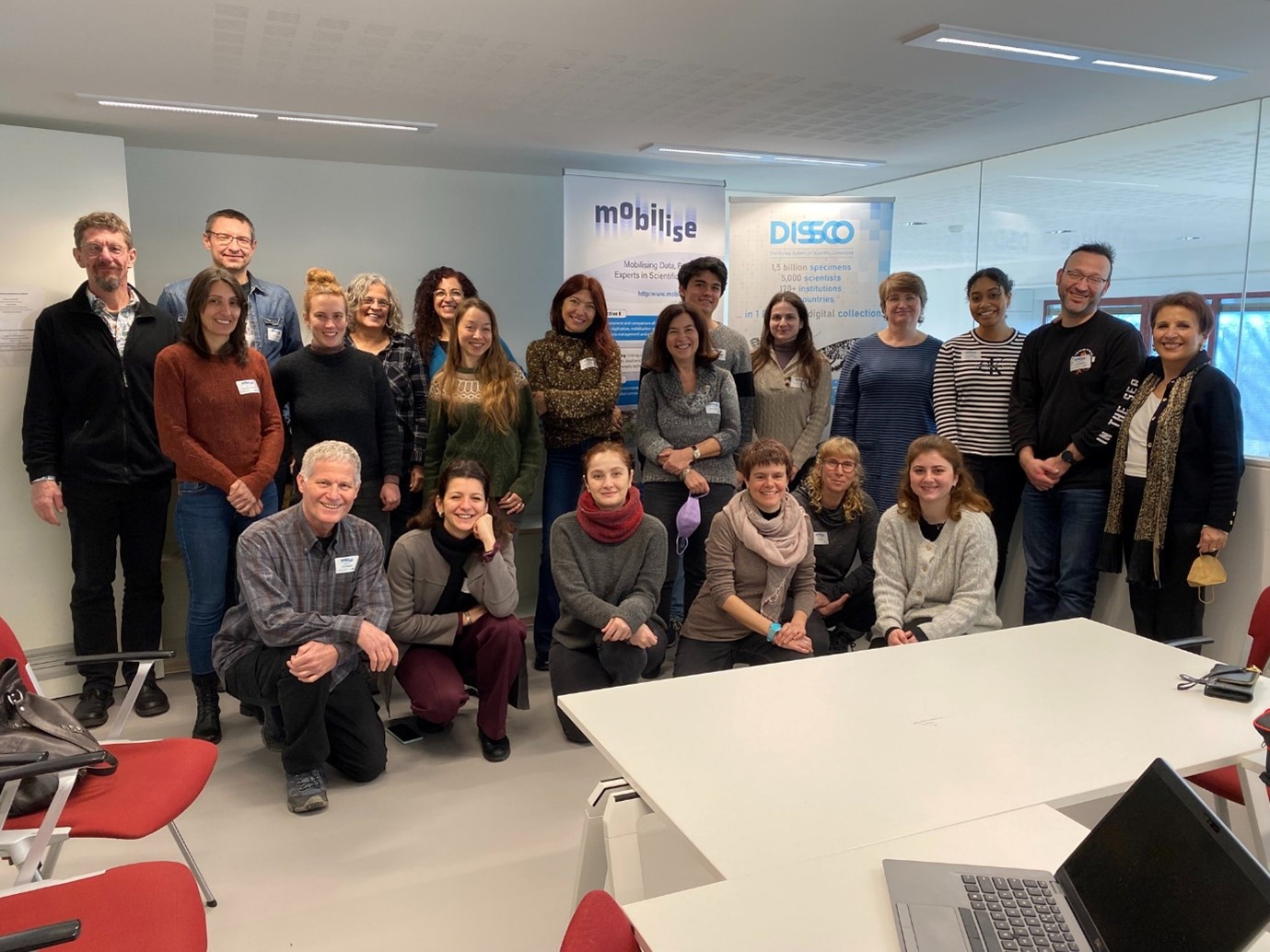
A group photo of the 21 attendees and group leaders at the 4th MOBILISE Action Training School, Brussels
Figure: 1 A group photo of the attendees and group leaders at the 4th MOBILISE Action Training School, Brussels ©Katerina Voreadou
Continue reading

NatSCA Digital Digest – February 2023

Compiled by Glenn Roadley, NatSCA Committee Member, Curator of Natural Science at The Potteries Museum & Art Gallery.

Welcome to the February edition of NatSCA Digital Digest.

A monthly blog series featuring the latest on where to go, what to see and do in the natural history sector including jobs, exhibitions, conferences, and training opportunities. We are keen to hear from you if you have any top tips and recommendations for our next Digest, please drop an email to blog@natsca.org.

Sector News

NatSCA Conference

The NatSCA annual conference and AGM will be held at The Potteries Museum & Art Gallery on Thursday 27th and Friday 28th April 2023. The focus this year is:

So how do we actually do all this? Hopeful futures and turning theory into practice for big issues in natural history collections.

This is the “How To…” conference for people working with natural history collections. The last few years have seen unprecedented changes in the expectations for what the museum sector can deliver. Global and local social and environmental issues have coincided to reinforce the needs of museums to consider their reinvention and relevance. Booking will open shortly, so keep an eye on our website and social media channels for updates.

SPNHC Conference

The 38th Annual Meeting of The Society for the Preservation of Natural History Collections is being held in San Francisco, California 28 May – 2 June 2023. Full details here.

DiSSCo UK Community Event

The next DiSSCo UK event will be held on March 3rd, 14:30-16:30 via Microsoft Teams. Please save this date in your calendars! A general update on DiSSCo UK activities and future plans will be provided, and we will hear from our colleagues at Kew regarding their digitisation project, and will discuss the affiliation between natural science collections and the humanities sector. For details, contact Tara Wainwright (tara.wainwright@nhm.ac.uk)

Bursaries for People and Plants workshop 2 at Royal Botanic Gardens, Kew (Friday March 10th 2023)

Applications are now open for 4 funded spaces at workshop 2 of the AHRC funded project ‘People and Plants: reactivating ethnobotanical collections as material archives of Indigenous ecological knowledge’.

Four bursaries of up to £225 each are available. This sum may be set against your travel costs or accommodation costs.

Conditions:

  • Only members of the Natural Science Collections Association and the Museum Ethnographers Group can apply for a bursary.
  • All successful applicants must provide a write up for the NatSCA or MEG blog.
  • Due the funds available, applications are limited to UK residents only.
  • Bursaries are only open to individual members.

To apply for a bursary please write no more than 500 words on how the workshop would be useful for your own personal or professional development, how this fits with your interests and what you might bring to the discussion.

Preference will be given to those lacking institutional support to attend workshops, early career museum professionals and students.

All bursaries are given at the discretion of the project team and the NatSCA and MEG committee. Applicants will be notified by February 20th if they have been successful and travel and accommodation will be booked by the project.

Applications should be sent to: Ali Clark a.clark@nms.ac.uk by Friday February 17th at 5pm.

Details of the workshop: March 10th Royal Botanic Gardens, Kew

This workshop will be run in partnership with the Department of Cultures and Languages, Birkbeck, University of London and Museu Goeldi, Brazil. Discussions will be centred around the ecological value of ethnobotanical collections, including a focus on the interaction of western botanical nomenclature and traditional knowledge which forms the basis of an existing British Academy Knowledge Frontiers project. The Richard Spruce collection (1849-1864) will be the basis of a case study for how culture, plants and environment in the northwest Amazon have changed over the last 160 years.

Speakers include: Luciana Martins (Birkbeck), Dagoberto Lima Azevedo (Tukano Indigenous Researcher), Claudia-Leonor Lopez Garces (Museu Paraense Emilio Goeldi) and Cinthya Lana (University of Gothenburg)

Continue reading

Flora Explorer: Opening the Cabinets at Portsmouth Museums.

Written by Violet Nicholls, Assistant Curator (Herbarium), Portsmouth Museums.

Plants, lichens and fungi have captured the interests of collectors, scientists and artists for centuries, and I have discovered something about them for myself. As time passes from them being found in the field, they don’t get any less complicated, any less fascinating or any less beautiful. I am about 6 months into a two-year project working on the Guermonprez Herbarium called “Flora Explorer”, which is funded by the Headley Trust.

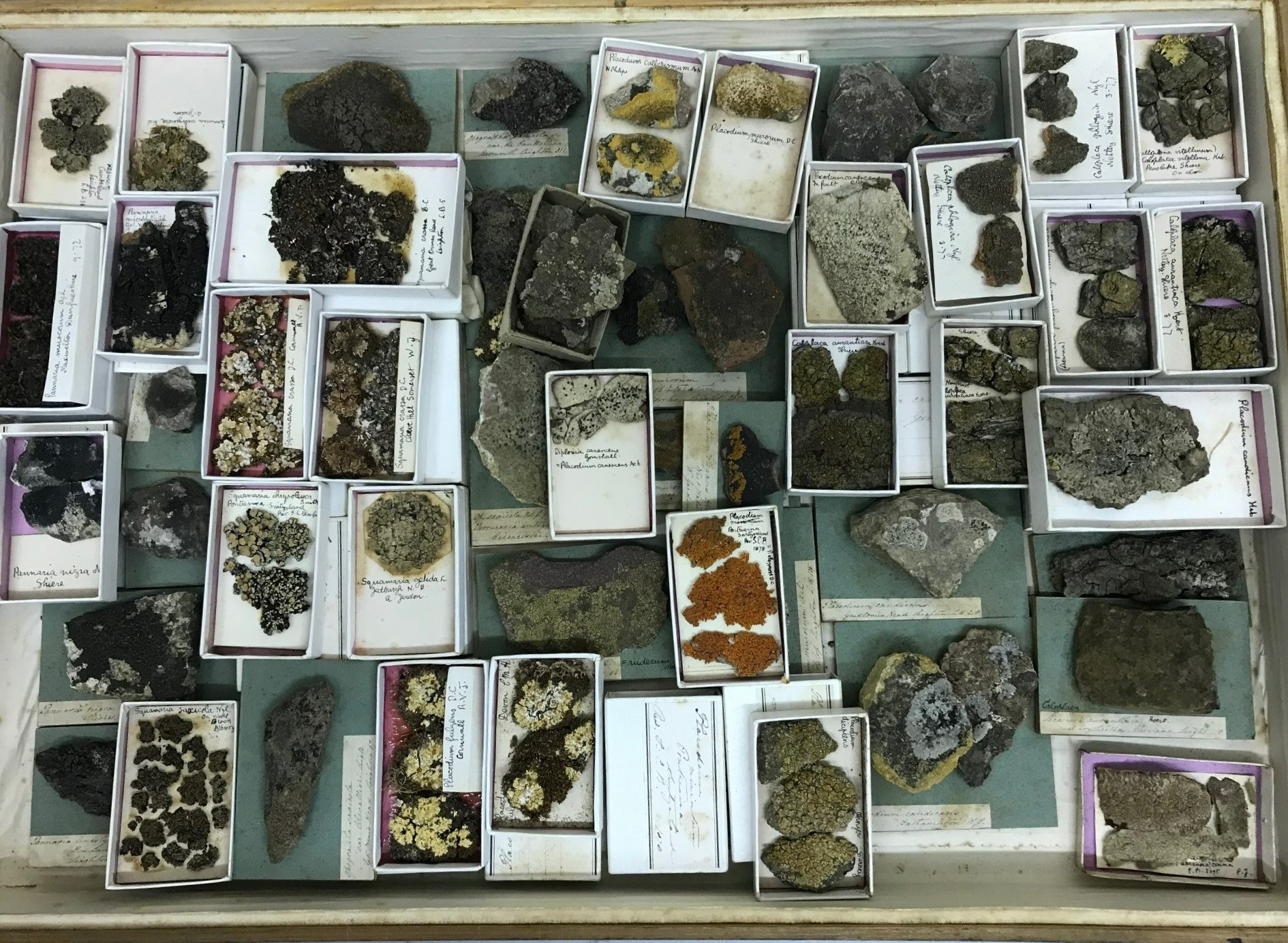
Image of lichen specimens in open trays
Fig. 1. Drawer of colourful specimens from the lichen cabinet.

The Herbarium

I have been cataloguing and studying the plant, fungi and lichen collections at Portsmouth Museums, and am learning a huge amount about past collecting practices, as well as taxonomy and the collectors themselves. There were so many! Sixty-two different names have cropped up whilst cataloguing the herbarium, with nearly 1000 plant specimens recorded on the database so far. There are around 10,000 plants in the Guermonprez Herbarium in total. How many more names will appear?

Henry Leopold Foster Guermonprez (1858-1924) was a taxidermist, ornithologist and “a botanist who should have been better known”.1 The herbarium is made up of plants collected by Guermonprez and members of his family, plants that were sent to him, and others that were purchased. The large collection was transferred from Bognor Regis Museum to Portsmouth Museum in the 1970’s. Many specimens were collected from West Sussex, where I have lived for most of my life.

“Flora Explorer” builds on work carried out during the “Wild about Portsmouth” project, funded by the National Lottery Heritage Fund. The herbarium is organised into taxonomic order, stored in sealed herbarium cabinets, and the specimens are being catalogued using the relational database used by over 650 museums in the UK, Modes Complete. Digitising the collection has many benefits as it increases access for researchers, and for people who may need the data but can only obtain it remotely. Through the process I have also been updating the taxonomy where necessary, which adds further value to the collection.

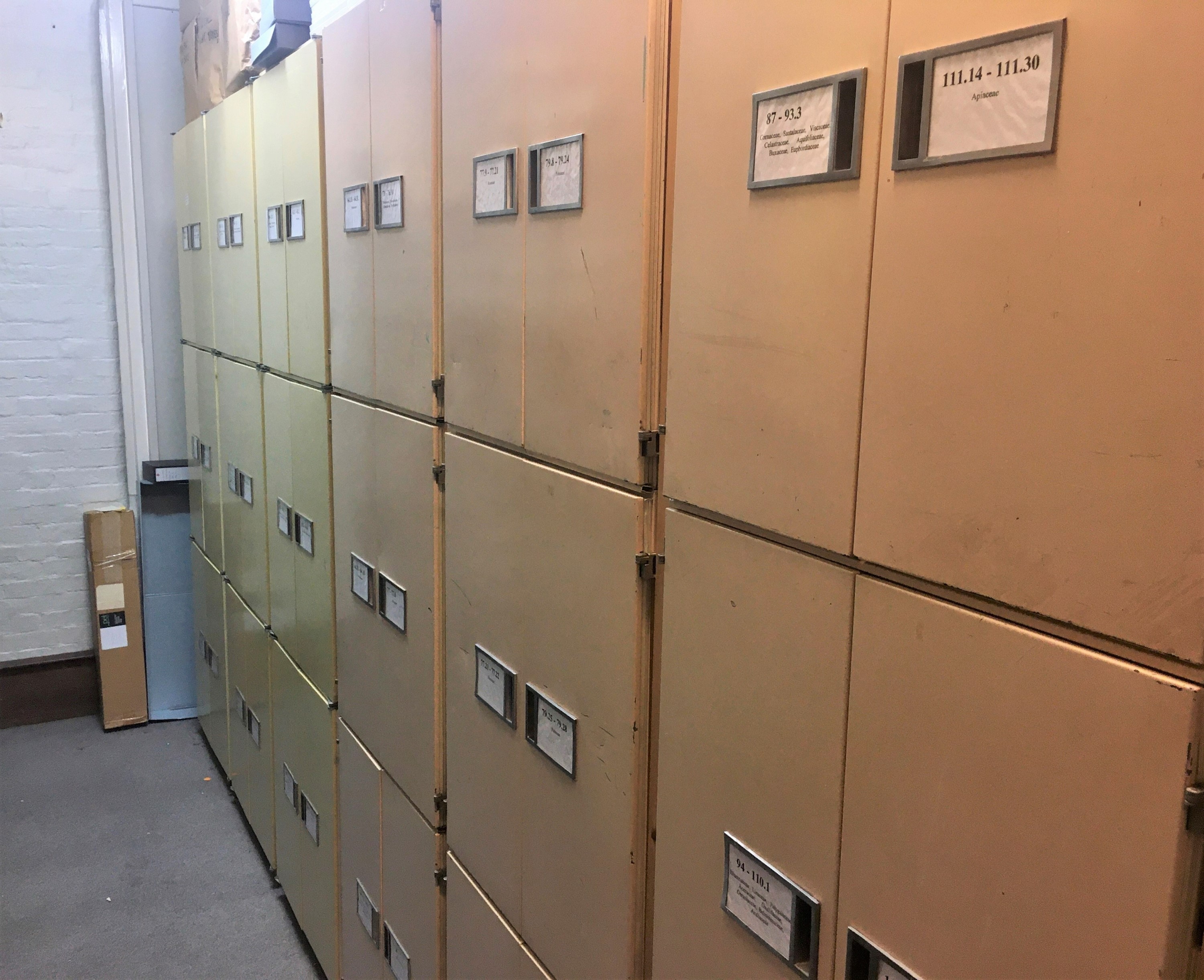
Image of herbarium cabinets at Portsmouth City Museum
Fig. 2. Herbarium cabinets at Portsmouth City Museum, containing plant specimens arranged into taxonomic order.
Continue reading