Exciting new natural science workshops and a new book

Time is racing away, and in just a few days we will be at the NatSCA Bone Collections day in Cambridge (8th September 2015). The talks and posters promise to be really varied, interesting, and hugely informative. There is also the added bonus of a practical session to get your hands on some skeletal material, and, under the expert guidance of Bethany Palumbo, learn all about the basics of bone conservation.

Just a month later (15th October 2015), Paolo Viscardi will be leading a workshop on the identification of natural materials, a free course run by NatSCA and held at the Royal Albert Memorial Museum in Exeter (now sold out).

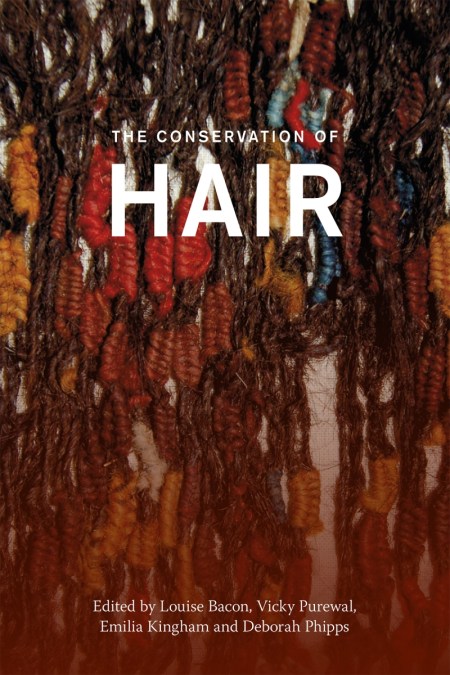
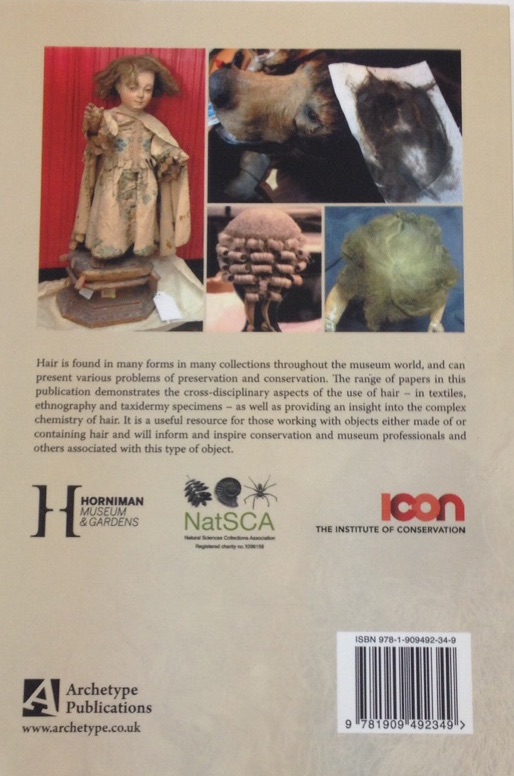
There is still more good news in that NatSCA, the Horniman Museum and Gardens, and Icon have published a book containing the full papers given at the Conservation of Hair conference held in June 2014. The book is published by Archetype books.

Conservation of Hair Publication

back_hair

NatSCA Digital Digest


NatSCA 2

Your weekly round-up of news and events happening in the world of natural sciences

Conferences and Workshops

As PalaeoSam mentioned in the last Digital Digest, the Symposium of Vertebrate Palaeontolotgy and Comparative Anatomy is on next week. It is my personal palaeo highlight of the year and so am sad that I will miss it this year. (Though not too sad given I am missing it to be in Italy for the Grand Prix.) If you are attending and would like to do a super write up of the weeks’ events, please do let us know.  I look forward to experiencing SVPCA through the eyes of a blogger.

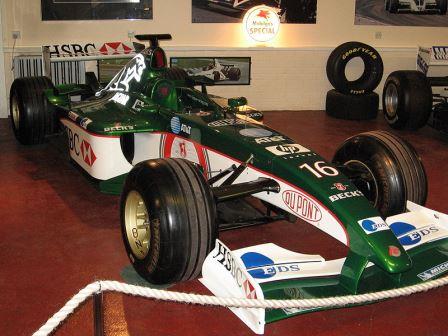
Jaguar

Those of you who are fans of F1 will know why this car is relevant to natural history (image in public domain)

News

Not really on the subject of natural history, but a topic that will touch the heart of any museum professional or visitor. ISIS have taken even more away from the us, the global nation, via the destruction of an Ancient temple in Palmyra. These open air museums are original sites of cultural heritage and are irreplaceable once gone. Not at the top of the list of the most tragic event of the last couple of weeks by any means, but a sad day for museums nevertheless.

News from the Blogosphere

The #MuseumInstaSwap phenomenon has launched as staff from some of the top museums in London (including the NHM and the Horniman) swap museums and take to social media to chat about it. An article in Time Out nicely summarises what is going on but a lot of the museums involved have their own exciting blogs on it worth looking up. Hence this is in the News from the Blogosphere section, see?

Highlights from the Papers

More and more, scientists are relying on Citizen science, as a means of collecting data. The mode of research is especially important in fields such as marine biology where the incorporation of sightings made by anglers, for example, can add significantly increase the size of datasets. An article in Nature called Rise of the Citizen Scientist explores the good the bad and the ugly of this practice as a research tool.


As ever, if you would like to write a blog for NatSCA on anything natural sciences related, give us an online shout blog@natsca.org.

Using Social Media as part of a Curatorial Traineeship

This post is another in our series of presentation write-ups from the 2015 NatSCA Conference, Museums Unleashed!


It felt like I was up there for hours when it was happening, but then it was over with a massive sense of relief. That’s how I’d summarise my first presentation in front of fellow NatSCA conference attendees.

We (myself and another two Natural Science Curatorial Trainees, Glenn and Lukas) had been asked to prepare a talk fitting with the conference theme of ‘Museums Unleashed’.  The conference was to focus on sharing collections using digital platforms, television and other forms of media, so we decided to present on our own use of Social Media throughout the 12 months of our Traineeships.

The presentation we came up with explored our use mainly of Twitter and WordPress throughout our year (other social media platforms are available), which we used to document our experiences and engage with the wider museum community. We were able to speak about things such as how fun Social Media can be when it’s used well, and how good of a platform it can be to engage with members of the public in order to (hopefully) dispel some of the myth about museums being so exclusive.

Presenting in full flow! (Image from Clare Brown @CuratorClare)

Presenting in full flow! (Image from Clare Brown @CuratorClare)

We also got to speak about how Social Media (from our perspective as trainees) could be used for our host museums. For example, showing the support of an institution or organisation for a trainee by letting them be there, working with collections and allowing them to further advocate said collections.

Our presentation allowed us to touch on some things that can make Social Media a challenge too, such as building a following. This can be difficult, especially when trying to expand outside the ‘Museum bubble’ – it can be hard to find those who may be interested in a particular discipline or hashtag.

Finally, I would like to take this opportunity to thank everyone at the conference who gave us great positive feedback about our talk, as especially for myself being so nervous, it was great to hear I wasn’t a complete mumbling wreck! And thanks again to NatSCA and its members for its support of myself, and my fellow trainees whom it has helped support over the years of the HLF Skills for the Future
programme.


Adam Peel, Curatorial Trainee Natural Science, 2014 – 2015

Request for Poster Submissions for Bone Collections Conference

Bone Collections: Using, conserving and understanding osteology in museums.

Tuesday, 8th September 2015
University Museum of Zoology, Cambridge

NatSCA invites you to submit abstracts for short, informal poster presentations to be held at the NatSCA Bone Collections day on the 8th September at the University Museum of Zoology, Cambridge.

The day will include both a workshop on in-depth case studies of bone cleaning, re-articulation, conservation and restoration as well as presentations on bone identification and preparation, covering a wide variety of museum osteology topics.

Spaces are still available for both workshop and talks. The full programme and booking are available here.

Working with, understanding, using, maintaining and conserving bone collections is a large and complex topic. If you have experience and would like to submit a poster, please follow the guidelines below.

We hope that this poster session will facilitate skills-sharing and friendly discussion among participants, as well as providing an opportunity to exchange tips and tricks. Poster presentations are an ideal format for student projects, case studies, innovative ideas, and tried and tested techniques, as well as research related to this topic.

Abstracts must be submitted by 14th August, 2015. All submissions will be acknowledged within a few days. The posters will be on view throughout the day, with an organised time period for authors to discuss posters with conference attendees. Please ensure posters are no larger than A2 (420 x 594mm).

All abstracts will be printed and made available to attendees, and all posters will be made available on the NatSCA blog in pdf format.

Abstract submission:

  • List all authors: surname first, followed by first and middle names or initials. Separate authors’ names with semicolons
  • List authors’ institutions and addresses
  • Include the title in boldface
  • Abstract

Please send your abstracts and any queries to:

Natalie Jones

nj273@cam.ac.uk
T 07786 023709

or

Vicky Purewal

E vjpurewal@gmail.com
T 07917533411

How ‘The Beetles’ Changed my Life

Beetles are one of the most successful groups of organisms on the planet. In the UK there are over 4000 species, compared to fewer than 600 wild bird species and around 90 mammal species. Beetles are critical to the health of many habitats, through their roles as feeders on plants and fungi, recyclers of animal and plant debris, and as predators.

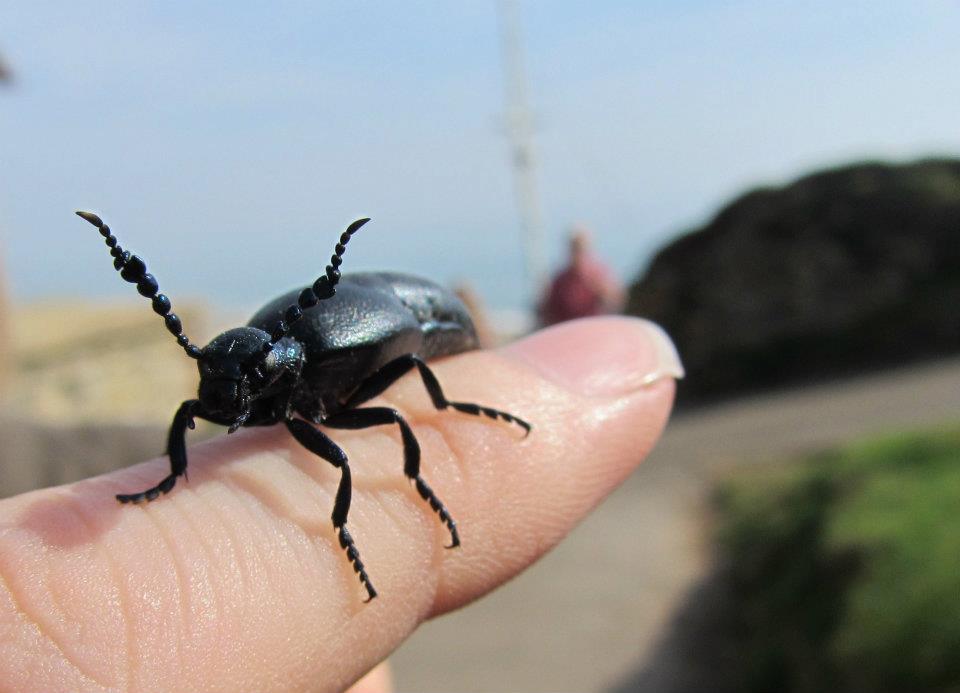
When I first began volunteering with natural science collections at Plymouth City Museum, I occasionally assisted local entomologist Peter Smithers of Plymouth University, who regularly ran ‘Bug Hunts’ with schools around the Devon and Cornwall area. It was here that I came across some of my first beetles. In 2010, whilst walking along the South West Coast Path near the chalk cliffs at Beer, I found a black beetle with a vinyl-like sheen. It was beautiful, but unlike anything I had seen before. I later discovered that it was from a distinctive group called Oil Beetles (Meloidae), which possess one of the most extraordinary life cycles of any UK insect: they are nest parasites of solitary mining bees such as Andrena, Anthopora, and Lasioglossum.

After a female Oil Beetle lays her eggs in a nest hole, the larvae (known as triangulins) wait on a plant until they can attach themselves to a passing bee, using hooks on their feet. The larvae then eat the stored pollen and nectar in the bee’s nest. The strategy means minimal effort from the adult female in raising her young, and the larvae have all the food they need.
Black Oil Beetle (Meloe proscarabaeus)

Black Oil Beetle (Meloe proscarabaeus)

At the time of my discovery, Buglife was leading the way in trying to understand the state of Oil Beetle populations in the UK, which had suffered severe declines over the past 100 years. With four species believed to be extinct already, there was an urgent need to understand the distribution of the remaining Black, Violet, Rugged and Short-necked Oil Beetles. Buglife launched an Oil Beetle Recording Scheme to map their distribution and engage people of all ages through citizen science.

The survey results have enabled Buglife to learn more about the habitat preferences and hosts of the remaining species, and gain a better understanding of the health of the UK landscape, as Oil Beetles are restricted to wildflower-rich habitats, unimproved coastal grasslands, and woodland edges. Two species of Oil Beetle that were believed to be extinct in the UK have been re-discovered. The Short-necked Oil Beetle was found in South Devon in 2006, before a much larger second population was found on the Isle of Coll in Scotland in 2010. The rare Mediterranean Oil Beetle was found on the same Devon site in 2012, having been last recorded in Kent in 1906.

The efforts of Buglife, local recorders and naturalists have produced valid records to create time series of biodiversity data. Museum collections can also provide useful time series data for conservation efforts, based on specimen label data in terms of location and distribution in a given year. Where a species has been recorded in a particular place and time, we can perhaps find relic populations or sites for reintroduction.
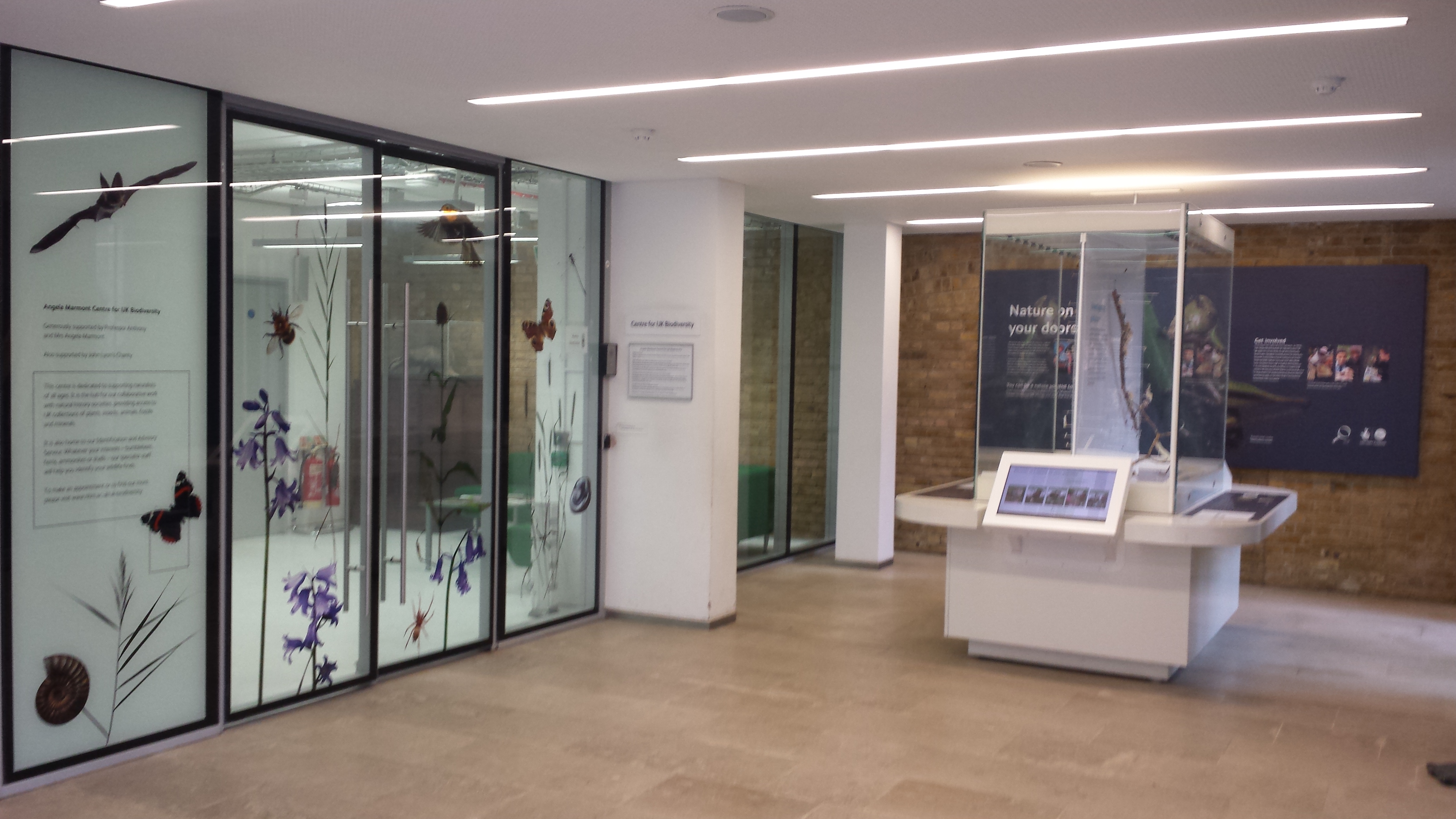
Interior of the Angela Marmont Centre, NHM

Angela Marmont Centre, NHM

It was my interest in Buglife’s Oil Beetle recording scheme that led me to recently join the Natural History Museum’s Angela Marmont Centre for UK Biodiversity (AMC) as an Identification Trainee. The AMC provides world-class facilities in the museum’s Darwin Centre for citizen scientists, as well as expert and amateur naturalists, to enable them to identify UK species using the AMC’s extensive reference collections. Working here is brilliant, and I hope to be trained to identify the key UK biodiversity groups, gain more practical experience of surveying UK wildlife, assist the AMC team in developing citizen science projects based around museum collections, and continue to develop collections management experience through curatorial projects.


Anthony Roach
Skills for the Future Trainee & Science Educator
NHM