We Are All Experts…

I recently attended a conference where one of the speakers happily declared ‘We are all experts’. I have heard this said a few times, but feel it misunderstands what an expert is, devalues expertise and misses out the joy and benefits of learning new things.

Maybe I would say this wouldn’t I? After all, I am employed as an expert in my field as Curator of Earth Sciences at Manchester Museum and am a NatSCA committee member. But there are good reasons why experts are important and are vital to museums being relevant to society and changing people’s lives for the better.
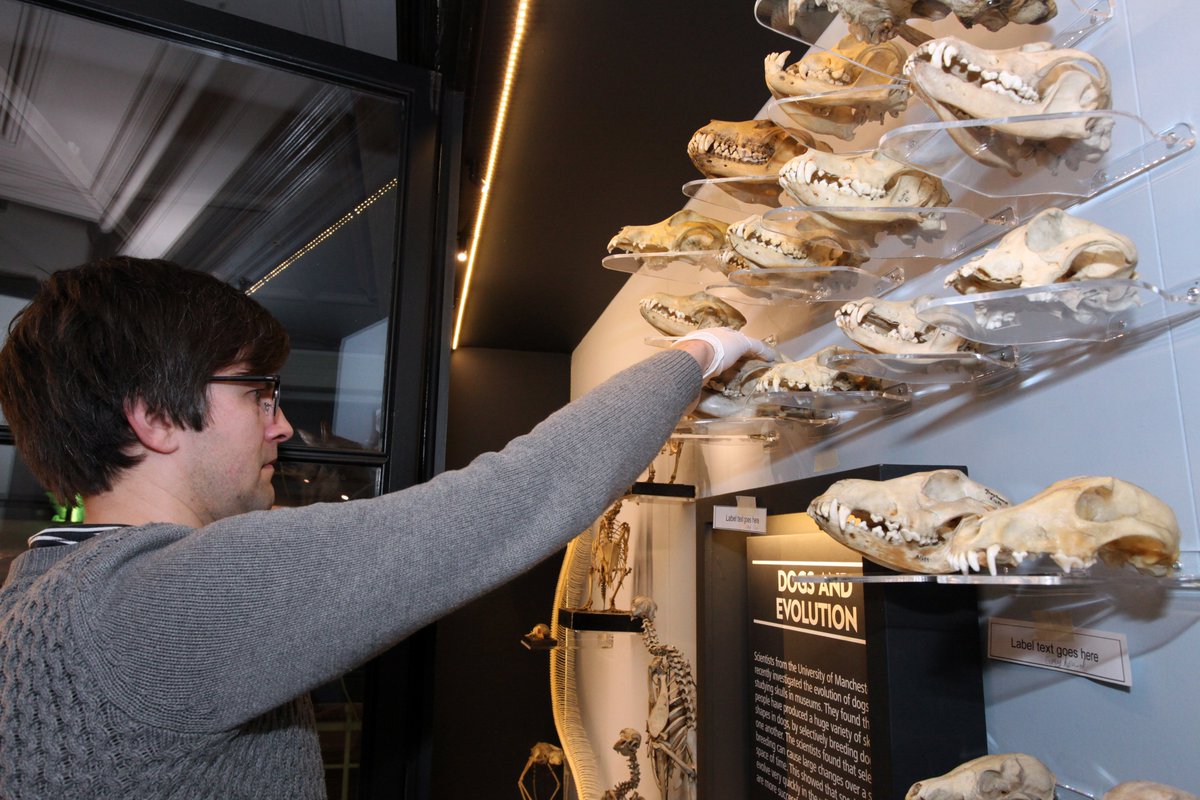
Installing Manchester Museum’s Nature’s Library gallery showcasing how the collection is used. © The University of Manchester, Manchester Museum.

Everyone brings their opinions, feelings, and ideas about collections, and experts are no exception but crucially experts also bring the knowledge, ideas and understanding of those who have gone before, many of which have been rigorously scientifically tested and challenged.

Continue reading

Meet the Committee – Jennifer Gallichan

What is your role on the NatSCA committee?

I am new to the NatSCA committee so am just starting to feel my way and find what my role might be as an Ordinary Member. I have considered joining the committee for many years, so I am really excited to finally be a part of it and just looking forward to getting involved, helping out and learning as much as I can.

Job title and institution

Curator: Mollusca & Vertebrates at Amgueddfa Cymru – National Museum Wales, Cardiff

Twitter Username

@jennifergallich

Tell us about your day job

I have been at National Museum Cardiff for 17 years and for the large part of this time my role has been to work as part of the team curating the mollusc collections. We have one of the largest collections of molluscs in the UK, and it is taxonomically and historically significant. In recent years however, I have also taken on the role of facilitating access to the Vertebrate Collections. As you can imagine, this has been a significant learning curve and I am still in the process of developing in this role. As with many curators, a large part of my job is making collections accessible to everyone, be it through enquiries, loans, collection tours, open days, workshops, talks, visits and everything else. My job also includes curation – adding collections to our databases, sorting labels, etc, but with so many things to cover, I don’t get as much opportunity to do this as I would like. In recent years I have been involved with collections-based research, locating and investigating Type specimens in both our own collections and those in other institutions.

Continue reading

Meet the Committee – Donna Young

What is your role on the NatSCA committee?

My main role over for the last four years has been organising our annual conferences at York, Bristol, Derby and Cambridge museums.

There’s a lot of work involved in putting the programme together and it’s a great team effort, along with our fantastic treasurer and the staff based at the various venues. I have found it very rewarding to see us expand our audience and develop our programme themes.

I am currently a member of the of the journal editorial board and NatSCA bursaries/grants sub-committee.

Job Title & Institution

Curator of the Herbarium: World Museum, National Museums Liverpool.

Twitter Username

@HerbariumDonna

Donna Young, hard at work on the herbarium. (C) National Museums Liverpool.

Continue reading

Meet the Committee – Isla Gladstone

What is your role on the NatSCA Committee?

I help promote information sharing and collaboration between NatSCA and closely allied subject specialist network the Geological Curators’ Group. These groups share core aims and, increasingly with loss of specialist curatorial posts, a membership. It’s exciting to explore how we can capitalise their individual strengths for the benefit of natural sciences collections and the people who work with them. 

Job title and institution

Senior Curator (Natural Sciences), Bristol Museum & Art Gallery, Bristol Culture

Twitter username

@isla_gladstone

Tell us about your day job

I work with a small team (Biology Curator Rhian Rowson and Geology Curator Deborah Hutchinson) to curate over one million natural sciences specimens of all shapes and sizes. As many a curator will recognise, this varies from high level strategic work to lifting, shifting, labelling and cleaning – a medley of activities to enable diverse access to and preserve these astonishing collections.

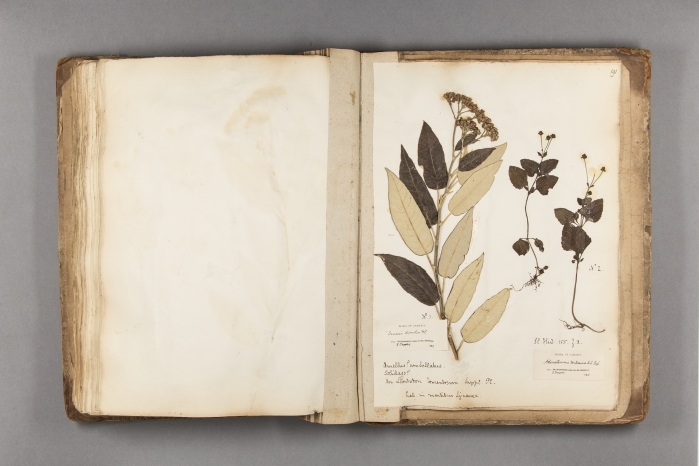
Medicinal plant on a page from Bristol’s earliest natural sciences collection – the Broughton herbarium, Bristol & Jamaica, 1779-90. (C) Bristol Culture.

Continue reading

Meet the Committee – Roberto Portela Miguez

What is your role on the NatSCA Committee?

I have been the Secretary for the Society since 2014 and on the committee, since 2011. NatSCA and its membership have contributed significantly to my development as a curator and collection manager, so I am very grateful for the opportunity to serve the society in this capacity now.

Job title and institution

I am the Senior Curator in Charge for the Mammal Section at the Natural History Museum, London.

The Museum collection contains an estimated 500,000 mammal specimens and over 8,000 of those are type specimens. This makes it one of the largest and most comprehensive collections in the world.

Twitter username

@bertieportela

“Fashion is key for fieldwork” says Roberto

Continue reading