Global Biodiversity Collections: Becoming Part of the Open Data Community

Written by Isla Gladstone, Senior Curator Natural Sciences, Bristol Museums

On 13th March I travelled to Sofia in Bulgaria, my mind buzzing with questions about biodiversity data…

I had been awarded one of 30 funded places on the first training school of Mobilise, an EU initiative to mobilise data, experts and policies in scientific collections. More specifically, Mobilise is an EU COST Action: a bottom-up network funded over four years to boost research, innovation and careers by COST, an intergovernmental framework for European Cooperation in Science and Technology.

Digitisation and data management challenges in small collections promised new skills in the key basics of data quality and cleaning. It also offered a chance to meet colleagues from around the world, and connect to a bigger picture.

At a time of unprecedented human-caused climate change, biodiversity loss and environmental degradation, it feels more urgent than ever to connect museum collections to real-world change. Natural sciences collections offer precious opportunities here. Alongside huge potential to engage communities and inspire debate, specimens are unique sources of the scientific evidence urgently needed to unlock sustainable development solutions:

“There is more information about biodiversity in [the world’s] natural sciences collections than all other sources of information combined.” iDigBio
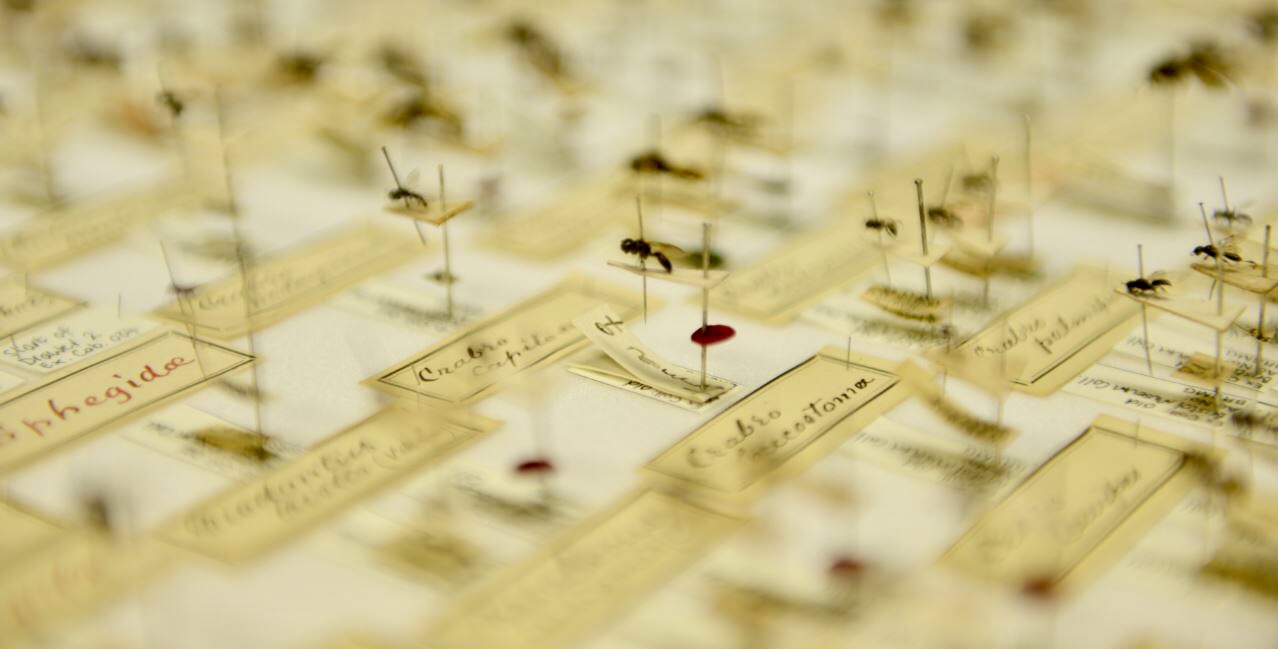
Collections’ biodiversity data: the what, when, where, who collected attached to many biological and palaeontological specimens © Bristol Museums

Continue reading

Oldfield Thomas: In His Own Words.

Written by Roberto Portela Miguez, Senior Curator in Charge of Mammals, The Natural History Museum.

One could think that natural history curators are a kind of unidimensional creature because of their secretive nature (preference for collections habitat over open exposed museum public galleries) and their passion verging on obsession for the specimens they look after.

However I like to think that much has been done in the 21st century to change this perception and that our consistent and abundant presence in social media and public events sufficiently demonstrates that we are actually well-rounded human beings capable of entertaining a wide range of interests.

For instance, I myself, am known to be partial to a bit of heavy metal, chocolate spread sandwiches (Wild World Magazine, 2013), have a gentle interest in poetry (Waterhouse Times, 2006) and even have indulged my thespian side by making brief appearances on celluloid alongside Javier Bardem (Mondays in the Sun, 2002) …and therefore, aside from my professional interests, I do enjoy exploring other aspects of my personality and sharing the joy with the world.

Continue reading

The beauty of a smile

Written by Jan Freedman, Curator of Natural History, Plymouth Museum Galleries Archives.

Someone once said to me “to smile is to live”. What a beautiful statement. And so very true. To smile at the wonders of the world around us makes us happier people. How can a blue tit singing on a branch, or a beetle scurrying in the grass, not bring a smile to our lips?

Smiling really is good for your well-being too. A smile releases chemicals called endorphins, which make your brain happier. These chemicals automatically make you feel more relaxed, and boost your mood. The more we smile the better we feel, making us smile more. Like a circle of happiness, a smile makes you smile more.

A smile is also good for other people too. How wonderful it makes you feel when you see the joy of families exploring our museum galleries. I want visitors to smile when they are wandering around an exhibition, and share that joy with their family. The same endorphins are at work when we see a smile; it makes us smile, and gives you a little boost.

There’s another wonderful side to a smile too. A side that shows people you are listening, you are interested, and you want to hear more.

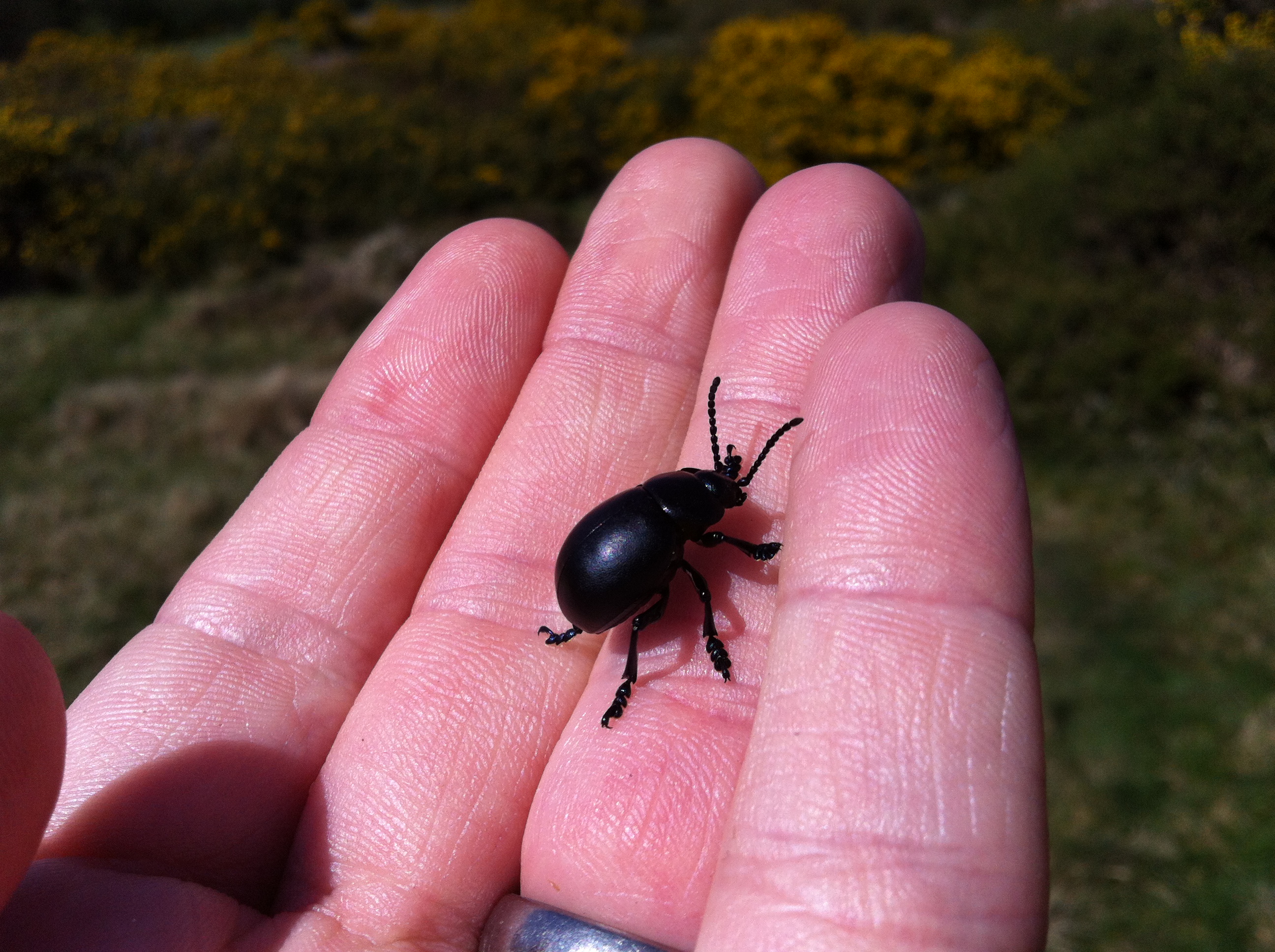
The beautiful bloody-nosed beetle. Those beautiful feet, and gorgeous antenna brings a smile to my face every time I see one! (© Jan Freedman).

Many of us will have been to talks or presentations, be it might an evening do, or a multi-day conference listening to a number of speakers. All of us are familiar with those long talks that never seem to end. Or it might be the last talk of the day. We drift. We doodle. We tap our phones. The slides click along, and the voice of the speaker seems to drift away.

Continue reading

Harry Higginson: Distributing Dodos in the 1860s

Written by Clare Brown, Curator of Natural Science, Leeds Museums and Galleries.

Curators are often asked to name their favourite object. I’ve got loads and swap between them all the time: the adult longhorn beetle that emerged from someone’s wooden sofa after a few years of chewing, our thylacine mount, the dude-y little rock hyrax with attitude, the Peruvian “mummy’s eyes” (read squid lenses), that gorgeous La Brea tar pits water beetle… My favourites at the moment are our dodo bones. Yes they’re dodo bones and so, obviously, are amazing but the story behind how Leeds came to have them is wonderful too.

It all started in 1838 in Thormanby near York where little Harry Higginson was born. He progressed through school in Leicester and an apprenticeship in Manchester to a railway construction job in Mauritius in 1862. Harry’s completely brilliant ‘Reminiscences of Life and Travel‘ is a great read. It’s packed full of amazing 19th century colonial derring-do from out-galloping the monsoon in a gorge to unbelievable childcare practices (burying them up to their necks in sand) to feeding a friend a dead – and extremely tough – donkey ‘as a lark’. It is in this book that Harry describes the moment when the dodo story gets more interesting:

Shortly before the completion of the railway I was walking along the embankment one morning, when I noticed some [locals] removing some peat soil from a small morass. They were separating and placing into heaps, a number of bones, of various sorts, among the debris. I stopped and examined them, as they appeared to belong to birds and reptiles, and we had always been on the lookout for bones of the then mythical Dodo. So I filled my pocket with the most promising ones for further examination.

And guess what? They were dodo bones and Higginson then kindly sent a box full to York, Liverpool and Leeds Museums. We all still have them.

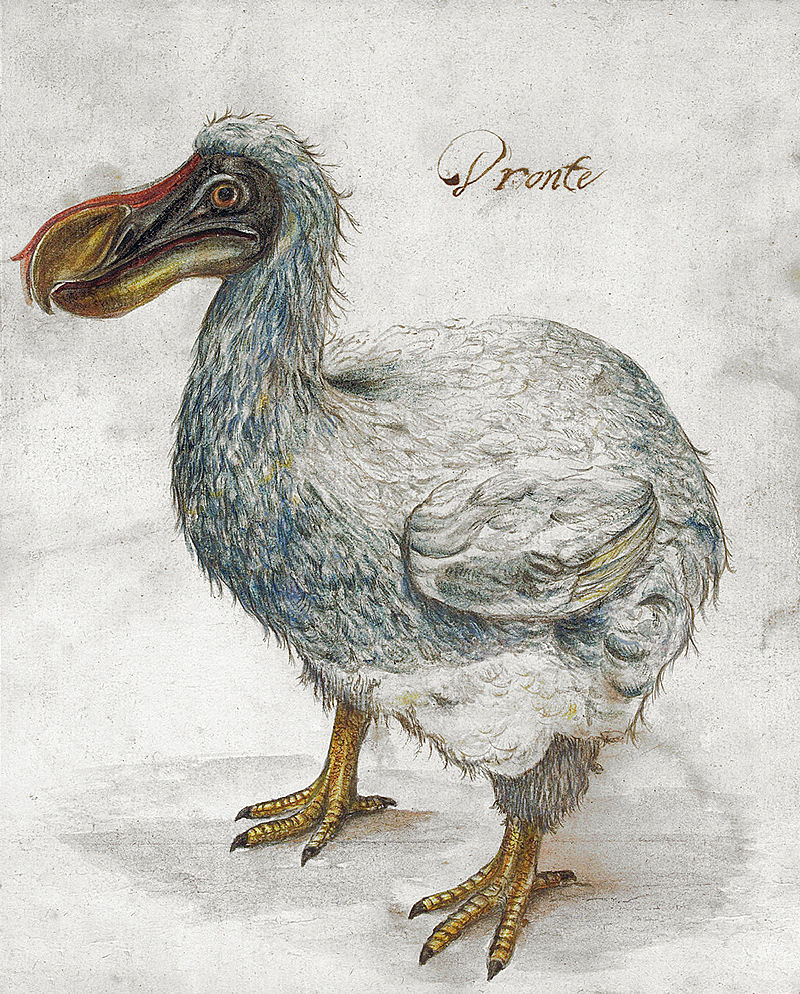
This beautiful watercolour of a dodo dates back to the 17th Century. During this period, ‘dronte’ (as seen in the image) was the word used in Dutch, French and Italian for the dodo. © Image in public domain.

Continue reading

Why Cultivated Plants Matter in an Urban Environment

A subject close to our hearts at the Horticultural Taxonomy department of the Royal Horticultural Society is the vastness of the UK cultivated flora – in fact, the latest RHS Plant Finder 2018 lists over 76,000 plants grown in the UK. Stroll through any village, town or city and it is clear that the botanical life of our urban places is dominated by cultivated plants. However, cultivated plants appear only rarely in Floras, the scientific work that catalogues the plant life of a given area. Recording introduced plants is essential if the ecosystems of our towns and cities are to be fully understood.

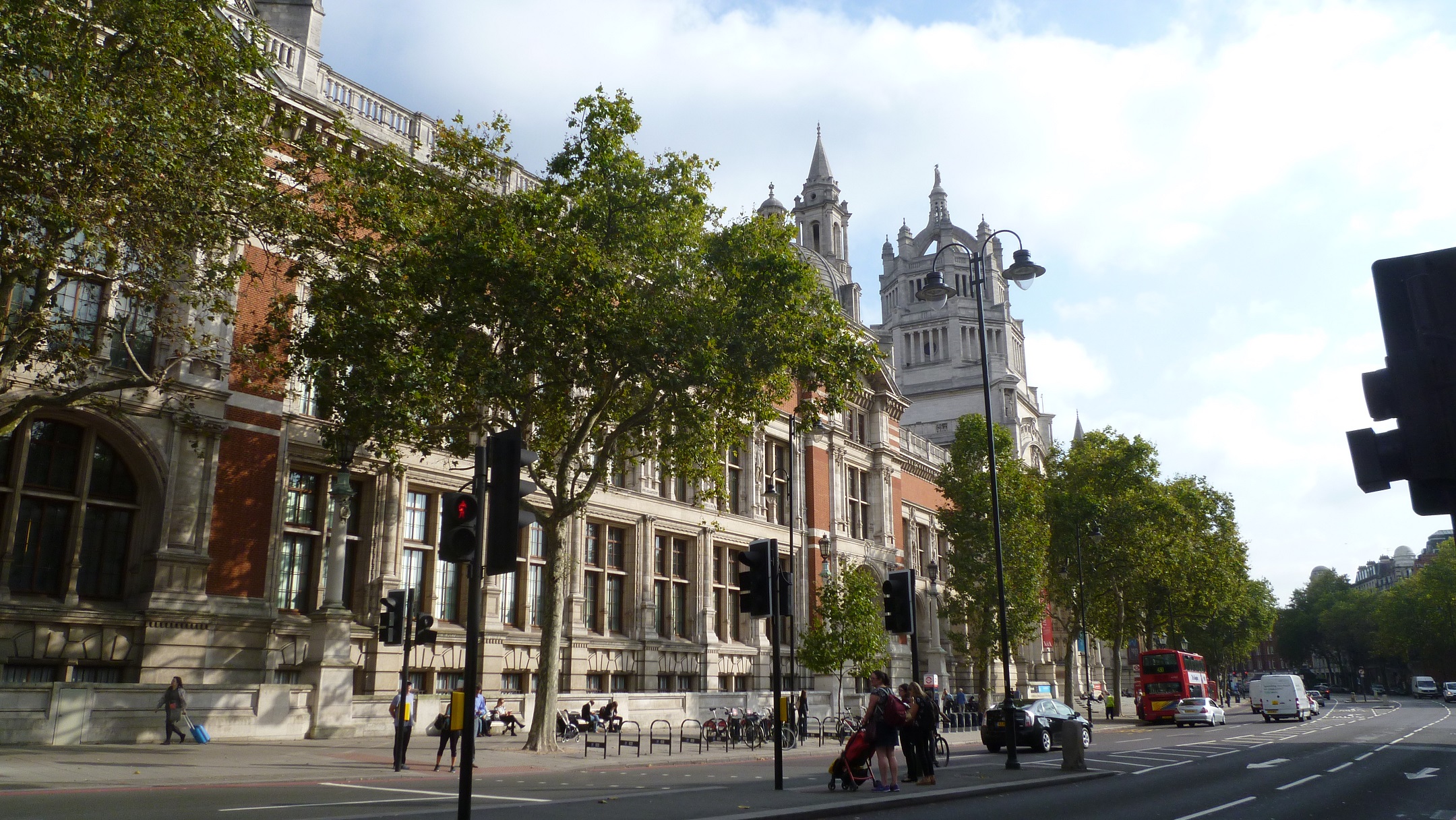
London street trees providing welcome shade for pedestrians on a sunny day. © Yvette Harvey.

Why Does this Matter?

There is increasing evidence that plants grown for ornament serve more than just an aesthetic function. The flexibility of fauna in adapting to available vegetation has been documented in a 30-year study of a suburban domestic garden (Owen, 2010). The four-year RHS experiment known as Plants for Bugs found that to encourage pollinating insects in gardens the best strategy is to plant a mixture of native and exotic flowering plants (Salisbury et al., 2015). There is also a greater understanding that the human environment can be managed by an informed use of cultivated plants. Examples include the value of street trees and green walls in mitigating heat island effect and the role of green spaces in reducing water runoff.

Pollinators visiting an ornamental flower bed. © Yvette Harvey.

Continue reading