Packing the Blaschka Glass Models 

Written by Julian Carter, Principal Conservator Natural Sciences, Amgueddfa Cymru – Museum Wales, Cardiff

During the late 19th century, Leopold Blaschka (1822-1895) and his son Rudolf (1857-1929) produced thousands of beautifully detailed glass models of a wide range of sea creatures, and other animals, for natural history museums and aquaria all over the world. The work has since been hailed as “an artistic marvel in the field of science and a scientific marvel in the field of art”. The work of the Blaschka’s remains remarkably contemporary today, working as they did on the cusp of design, craft, and industry. Crossing the boundaries of science and art, the surviving models today have a value that makes them irreplaceable. 

The idea for making lifelike renditions of sea creatures out of glass arose from the difficulty of preserving and displaying soft-bodied animals such as jellyfish, marine worms, and sea anemones. Preserving such animals in a lifelike way is difficult as techniques such as fluid preservation cause colours to quickly fade and shapes to become distorted. Leopold Blaschka devised a solution to this problem by using his glass working skills to accurately model these animals out of glass and other materials available to him and went on to establish a successful business supplying glass models to museums worldwide during the latter half of the 19th century. 

The model of the sea anemone Actinia mesembryanthum (right) based on a plate (left) from Phillip Henry Gosse’s Actinologia britannica. A history of the British sea-anemones and corals which Leopold Blaschka used for the early sea anemone models that he built.
Continue reading

It’s Getting Better

Written by Dr Amy Geraghty, Assistant Keeper/Curator of aquatic zoology collections with responsibility for fluid collection management.

The National Museum of Ireland (NMI) Natural History Division (NHD) holds about 2 million specimens in its collection. The collection is ordinarily split between three locations: the museum and two off-site storage buildings. However, at the time of writing, nearly all specimens are in one of the two storage buildings. The museum galleries are being emptied to facilitate investigative works on and the refurbishment of building itself.

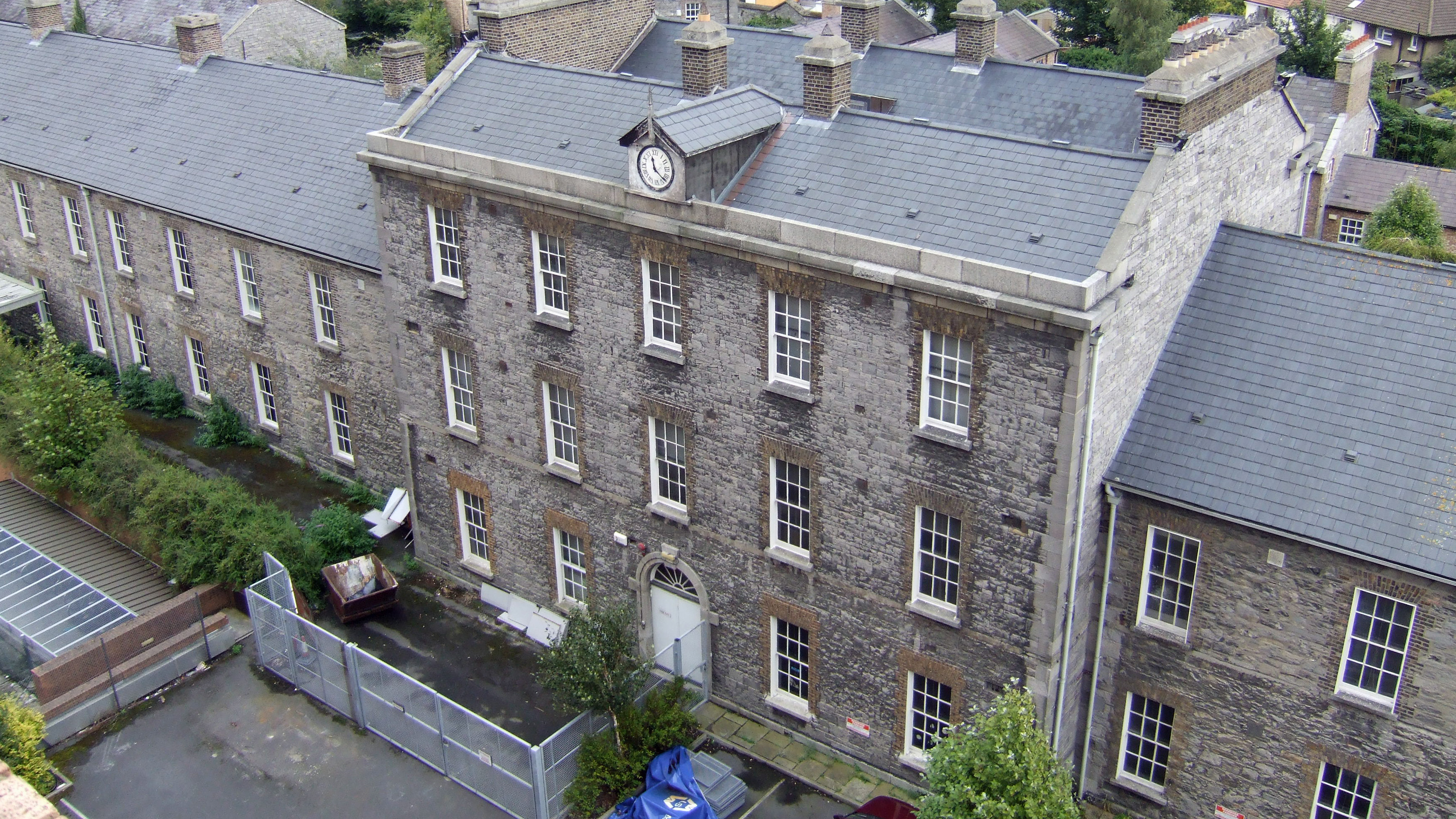
One of the National Museum of Ireland’s two storage buildings in 2006. It is an old British army barracks that now stores the fluid collection, some of the dry zoology, mineralogical and paleontological collections. (Image courtesy of Nigel Monaghan)

One of the storage buildings is a mid-nineteenth century British army barracks that came to NMI in the mid-1990s and now stores NHD collections. Retrofitting the building for collection storage has involved the installation of plasterboard ceilings, internal doors, and security and fire alarm systems. Toilets, telephones, a tearoom, shelving, and internet facilities were later installed in the 2000s.

Continue reading

Thoughts on Working with Natural Sciences Collections (and hoping to continue) in the United Kingdom as an Emerging Conservator.

Written by Anais Ellis, Project Conservator, Nature + Love at the Horniman Museum and Gardens.

Around a year ago I concluded three years of formal training to become a conservator. At the Institute of Archaeology, University College London (UCL) the training is taught in two sequential parts.  First, the MA, Principles of Conservation, grounds an understanding of conservation practice within ethical frameworks and principles. Following this, the MSc, Conservation of Archaeology and Museums, includes a year of developing remedial conservation skills in a lab and a 9-month placement in a museum or adjacent environment. The formative moment during this placement was my first experience working with natural sciences collections. There were fossils to clean, fluid specimens to top-up, and a taxidermy ringed seal with several claws missing that the curator asked to be reconstructed. Now, a year later, having finished studying and having worked consistently with natural sciences collections in the United Kingdom (UK) it feels like a good moment to reflect on these experiences. As hoped, they have been wonderful.

Continue reading

Conservation Matters in Wales – Christmas Conference 2023

Written by Sebastien Lherondel-Davies, 2nd year BSc student, Swansea University, whilst on placement at National Museum Cardiff and Swansea Museum.

On Wednesday 13th December 2023, conservators and curators from all over Wales gathered in Swansea for the first in-person Conservation Matters Wales Christmas Conference since the pandemic. Conservation Matters Wales is a collaboration between Amgueddfa Cymru – National Museum Wales, the Federation of Museums and Art Galleries in Wales, and Cardiff University. The event, hosted by the delightful Swansea Museum, was an opportunity for professionals in the museum collections conservation sector to come together and share the wide range of projects they have been working on. The conference provided us with the chance to present our research project on a historic Lepidoptera collection. 

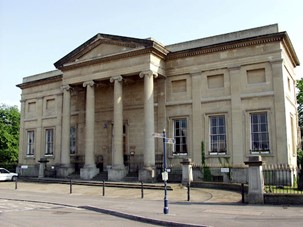
Swansea Museum
Continue reading

NatSCA Digital Digest – September 2024

Compiled by Olivia Beavers, Assistant Curator of Vertebrate Zoology at World Museum, National Museums Liverpool.

Welcome to the September edition of NatSCA Digital Digest.

A monthly blog series featuring the latest on where to go, what to see and do in the natural history sector including jobs, exhibitions, conferences, and training opportunities. We are keen to hear from you if you have any top tips and recommendations for our next Digest, please drop an email to blog@natsca.org.

Sector News

GCG 51st Winter Seminar and AGM – Call for Abstracts Now Open

The Geological Curators Group have announced the details for their Winter Seminar Reciprocal Relationships: how can partnerships help us and our collections develop?  and AGM taking place at Oxford University Museum of Natural History 11 – 13th November 2024. The dates include an evening icebreaker, presentations, workshops, AGM, conference dinner and a field trip.

The deadline for abstracts is October 14th 2024. Please follow the link for further details: https://www.geocurator.org/events/180-agm51 .

Continue reading