The Power of People and Collections in the Climate Emergency

Written by David Gelsthorpe, Curator of Earth Science Collections, The Manchester Museum and Jan Freedman, Curator of Natural History, The Box, Plymouth (formerly Plymouth City Museum and Art Gallery).

Museums are most powerful when they connect real objects and research with real people. Natural science objects elicit deep emotional responses to the climate emergency; they help people to care and when done right, empower action.

This message is central to the NatSCA conference this year:

Changing the World: Environmental Breakdown, Decolonisation and Natural Science Collections

We’d love to hear your experience in a talk at the conference, the deadline for submissions is the 7th February.

Natural science collections are unique records of past biodiversity and climate across Britain, and the world, and are essential for climate change research taking place in museums every day. They allow access to historical information about millions of different species, providing an incredible amount of detail. They show how plants and animals have responded to past climate change, they show long-term population trends, and they show what we have lost.

These are all stories essential to bring clear factual science to an emotionally-charged debate. Research on these collections has directly shaped conservation work and climate change mitigation. In short, natural science collections are a powerful way to help save the world and give people hope for a better future.

Continue reading

Decolonising Natural Sciences Collections

Written by David Gelsthorpe, Curator of Earth Science Collections, The Manchester Museum.

Decolonising museums is in the headlines a lot at the moment and so it should be. I’ve chatted to a few people about this recently and it isn’t very clear what it means, how it relates to natural science collections and how we can start to decolonise our collections, so I thought I’d share my own thoughts.

Much of the discussion in the museum sector has been around ethnography collections with some great work that goes some way to redress our colonial past (including from my own institution Manchester Museum who have returned sacred aboriginal objects). Some ethnography objects are made from bark, fur or ivory, but these materials don’t often form part of the decolonisation debate.

The reality is that many natural history collections, particularly in the western world have a colonial origin. Many objects were traded on slave ships and were an attempt to map and tame the British Empire. Miranda Lowe and Subhadra Das have done some brilliant work to highlight this and the Grant Museum’s new exhibition on their Colonial Histories is a great first step in bringing this to the public.

Continue reading

NatSCA Digital Digest – January

Compiled by Jennifer Gallichan, Curator of Molluscs & Vertebrates at National Museum Cardiff.

Welcome to the January edition of Digital Digest and a Happy New Year to you all.

I am dedicating this first Digital Digest to conferences, as calls for papers seem to be coming thick and fast. There are some fab events this year so get planning, submitting and registering.

NatSCA Conference & AGM 2020 .

Changing the World: Environmental Breakdown, Decolonisation and Natural Science collections

Thursday 14th & Friday 15th May 2020. National Museum Wales, Cardiff.

The #NatSCA2020 conference invites proposals for presentations exploring the role of natural science collections in addressing or engaging with ‘big issue’ challenges, both in the environment and in society. For example:

  • Have you been involved in a research project using natural science collections to inform decision/policy makers on the implications of climate change, biodiversity loss or biosecurity threats?
  • Are you developing plans to reconceptualise and decolonise your collections?

We would like to hear from anyone and everyone who uses natural science collections to interact with important global topics.

Deadline for submission: 7th February. Click here for more info about how to submit your abstract.

Continue reading

Our Top Ten Blogs of 2019

Written by Jennifer Gallichan, Curator of Molluscs & Vertebrates at National Museum Cardiff.

2019 was an interesting year for me as I took on the role of NatSCA blog editor. It has been a great year and I have very much enjoyed reading all of the articles from our amazing contributors. To celebrate this, I wanted to bring together a list of our top ten most viewed blogs from 2019 in case you missed any of them.

Top scorers this year include a surprising number of botanical articles, with four of the ten written by our plant loving colleagues.

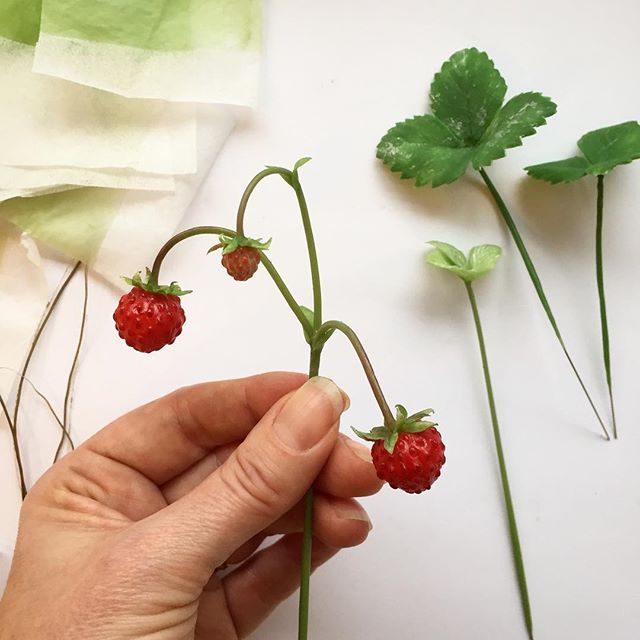
Strawberry fruits made from dressmaking beads coated in molten wax and attached to waxed wire stems. © Annette Townsend

Some of my personal favourites, although not top scorers, are actually two articles which we were kindly allowed to re-blog: Annette Townsend’s beautiful and mesmerising work in how to make a wild strawberry sculpture from honey bee wax, and John Wilson’s fantastic article about the orang-utan specimens sent to World Museum, Liverpool by Alfred Russell Wallace.

But, here are the top ten most read NatSCA blogs by your good selves…

Continue reading

Wild About Portsmouth – Discovering and Uncovering a Little Known Natural History Collection

Written by Christine Taylor, Curator of Natural History, Portsmouth Museums

Wild about Portsmouth is a two-year Heritage Lottery Funded project to share and raise the profile of the city’s natural history collections.  In addition to enabling visitors to get more hands on with the collections through events and activities, work is being carried out to make them more accessible for museum staff and researchers.

Challenges

The collections are held at three sites across the city and housed in environmentally controlled stores with many specimens held in archival quality boxes. However, the absence of a natural history curator for over 10 years has led to a series of challenges with accessing them:

Little Knowledge of Collections

Apart from the sizeable and substantial HLF Guermonprez Collection transferred from Bognor Regis Museum in the 1970s, very little was known about the collectors associated with the remainder of the natural history collections. In-depth knowledge of the HLF Guermonprez Collection has also been lost over time, although it is occasionally cited in publications by Sussex naturalists.

Continue reading