To Dress a Wolf

I like a nice little link to a place I am visiting. And there is a wonderful (if not a little tenuous) link between where I work in Plymouth and Cambridge. Charles Darwin studied theology at University of Cambridge in the old oak clad lecture theatres. And it was through the connections he made at Cambridge that set him on board the HMS Beagle, on a journey that would change the world of scientific thinking forever. The HMS Beagle, with Darwin and all the crew, set sail from in Plymouth after a three month delay. It’s a neat little link.

With such a strong historic links to science, there was perhaps no better place suited to hold the NatSCA  conference 2017. Even the theme title linked in, with a little nod to Darwin (those clever committee members): Evolving ideas: provocative new ways of working with collections.

Continue reading

NatSCA Digital Digest – May

nddLogo2017-05-04

What a month we’ve had! The Conference at Cambridge on the 20th to 21st April was a roaring success. Over 100 museum delegates gathered together beneath the mantle of a Finback whale skeleton, to swap notes and revive old connections. Many heated exchanges were had over issues ranging from fungi to frocked wolves. No museum-based conference is complete without a tour of the stores – big thanks once again to the Zoology Museum for having us. We got a sneak-preview of the new gallery space too and, while I can’t post pictures of that, I can tell you that you have to go and see it when they open. Highlights for me included an elephant from Sri Lanka with links to Stanley Kubrik, and a Diorama of a beach with added surprises for future conservators. Continue reading

Not Just Old Birds in Cases

This article is reposted from the Stories from the Museum Floor blog by the Visitor Team at Manchester Museum

Not Just old Birds in Cases – The Value of Natural History Collections

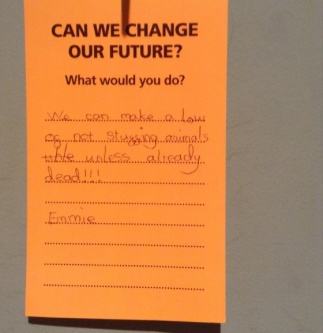
The most recent exhibition ‘Extinction or Survival?’ at Manchester Museum has brought many interesting ideas and suggestions from a wide group of visitors about how we can change our future. Several comments have mentioned animals kept in museums and collections, for example, “Stop killing animals to put in a museum” or “help all the animals by collecting DNA … and … not get stuffed like … in museums”. These comments have inspired me to write about the importance of natural history collections, especially the value of bird collections.

deana 2Comment card left at the ‘Extinction or Survival?’ exhibition at Manchester Museum, 2017.
Whether collecting birds for science is still necessary remains a hotly debated topic. However, the value of scientific collections cannot be questioned. Research or reference collections are still making crucial contributions in documenting biodiversity in time and space, and understanding species’ ecology and evolution, vital for conservation strategies. Furthermore, collections and museum have an important role in preserving and caring for past and present natural heritage and providing educational opportunities. Continue reading

Meet the NatSCA Committee – Paul A. Brown

What is your role on the NatSCA Committee?

I am the Archivist, responsible for collecting together the archives from our previous incarnations; The Biology Curators’ Group and The Natural Sciences Conservation Group and more recent NatSCA documents. Most of this sits by my desk. Do any of you membership have anything that could be added?

Job title and institution

Senior Curator, Hemiptera (Sternorrhyncha), Thysanoptera, Phthiraptera, Psocoptera, Collembola, Thysanura, Archaeognatha, Diplura & Protura, Insect Small Orders section, Life Sciences Department, Natural History Museum, London.

Twitter username

I am too old to learn how to have one!

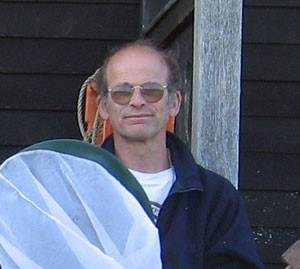
On field work at Scolt Head, Norfolk

On field work at Scolt Head, Norfolk

Tell us about your day job

I am presently responsible for part of the ‘small’ orders listed above. This entails re-curating and data-basing the mostly microscope slide collections and dealing with scientific visitors, loans of material and answering enquiries. I still do some research into the taxonomy of Aphids in particular (see research-gate). Almost 40 years in Museums so according to some, I might know something? If you have problems with microscope slides then who ya gonna call, ‘slide busters?’! Continue reading

NatSCA Digital Digest – April

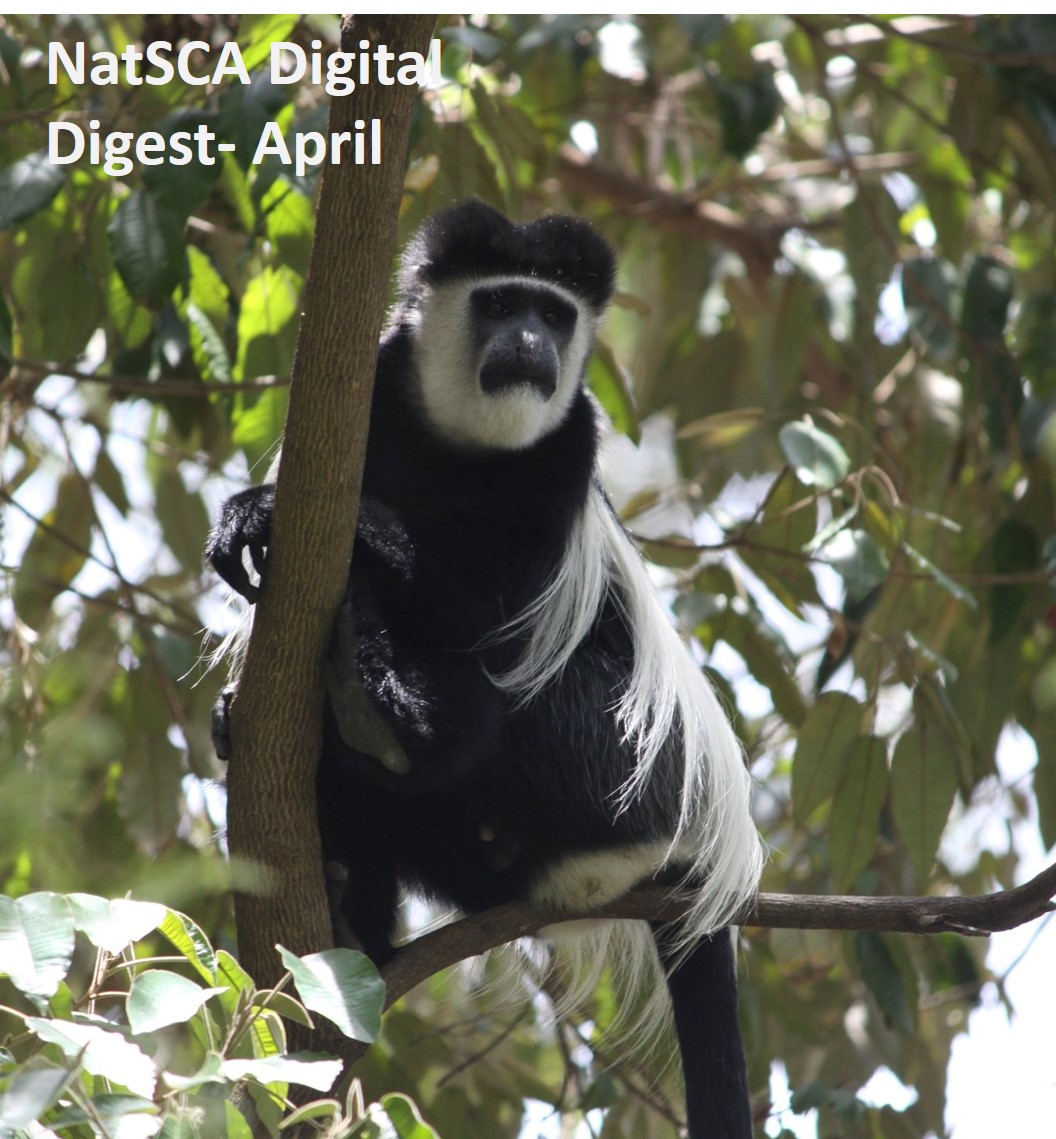
Colobus monkey © E-L Nicholls

What Should I Read?

I came across a very entertaining blog by Lily Nadine Wilks which looks at the frustrations of museum documentation in Mysteries of the Past. She has been working on the Charles Lyell digitisation project at the Oxford University Museum of Natural History.

Having noticed lately that there are more harlequin ladybirds in my house than there are Lego sets*, I was interested to come across A decade of invasion – a story of Harlequin Ladybird in the UK. I can’t believe THAT many ladybirds exist in the UK having only arrived in 2004. They are clearly a prolific species, if only I could teach them to write research papers. Continue reading