NatSCA Digital Digest – June

Compiled by Jan Freedman, Curator of Natural History, The Box, Plymouth.

Welcome to the June edition of NatSCA Digital Digest!

With the government easing lockdown, some of us return to work, but museums and art galleries still remain closed. There are still lots of great online resources and activities to enjoy.

Where can I ‘visit’?

The Natural History Museum, London has several virtual tours around their galleries. Whether you would like to flick through the Wildlife Photographer of the Year images, or listen to the soothing voice of Sir David Attenborough, there’s plenty to see, and inspire some ideas for your own museum.

The Oxford University Museum of Natural History has a wonderful virtual tour of their galleries. The North Carolina Museum of Natural History has several online events and activities, including talks with curators about their collections. Similarly, the Naturalis Biodiversity Centre has several online videos of curators talking about the collections.

What can I do?

SPNHC and ICOM NATHIST are holding a virtual digital meeting from June 8th – June 12th. The event includes presentations, symposiums and educational sharing to promote communication and professional development. More details can be found here.

Continue reading

NatSCA Digital Digest – May

Compiled by Glenn Roadley, Curator (Natural Science), The Potteries Museum & Art Gallery.

Welcome to the May edition of NatSCA Digital Digest!

A note from the Blog editor:

As you know, Digital Digest is our monthly blog series featuring the latest on what’s new in the natural history sector. We normally feature the latest on where to go, what to see and do in the natural history sector including jobs, exhibitions, conferences and training opportunities. With the onset of the lockdown, we can’t go anywhere physically, but perhaps now more than ever, there is still heaps of stuff out there to keep you entertained.

It’s month two of lockdown, but the sector has continued to produce an incredible stream of digital engagement activities for visitors and colleagues alike, and is showing no signs of slowing down. Here’s a selection of resources and activities from across the museum web:

Where Can I ‘Visit’?

A number of museums have been conducting virtual tours of their collections and recording interviews with staff members to maintain a link to the public while closed. Birmingham Museums Trust have posted a look behind the scenes with their Natural Sciences Curator, Lukas Large. The Natural History Museum have created a hub full of tours, resources and activities to inspire and engage during lockdown.

What Can I do?

The Field Studies Council has created a list of resources and ideas for staying in touch with nature while in lockdown. With most of us confined to houses and gardens, why not get more acquainted with the natural history you can find there? I’m thinking of building a moth trap…

And in a move to advocate what NOT to do, Plantlife are promoting #NoMowMay – a citizen science project to encourage people to leave their mowers in the shed and join an national count of the resulting wildflowers.


What can I Read?

You really don’t need anything more than Rebecca Machin’s #AnimalAcrostics to get you through the day, but if for some reason that isn’t enough for you, we have two fab conservation stories on our NatSCA blog. Written by Lu Allington-Jones, Senior Conservator & Chelsea McKibbin, Conservator, at the Natural History Museum, London, our latest blog explains the process of conserving a celebrity specimen – the 1,341 year-old slice of Giant Sequoia that stands on the second-floor balcony of the Hintze Hall. A blog by our very own Paolo Viscardi, ‘Resurrection 101’, gives a step-by-step guide to rehydrating a desiccated frog specimen – the before and after photos are incredible and reveal the technique to be actual witchcraft, probably.

Before You Go…

If you have any top tips and recommendations for our next Digest please drop an email to blog@natsca.org.

Similarly, if you have something to say about a current topic, or perhaps you want to tell us what you’ve been working on, we welcome new blog articles so please drop Jen an email if you have anything you would like to submit.

Stay safe and keep well.

NatSCA Digital Digest – April

Compiled by Lily Nadine Wilks, Intern at Museum Development Yorkshire.
Welcome to the April edition of NatSCA Digital Digest!

A note from the Blog editor:

As you know, Digital Digest is our monthly blog series featuring the latest on what’s new in the natural history sector. We normally feature the latest on where to go, what to see and do in the natural history sector including jobs, exhibitions, conferences and training opportunities. With the onset of the lockdown, we can’t go anywhere physically, but perhaps now more than ever, there is still heaps of stuff out there to keep you entertained. I would like to welcome Lily to the Digital Digest team, who had the tough job of compiling her first ever Digest in our first month of lockdown! Many thanks and well done for all of your suggestions.

In this strange and unusual time more and more of us are looking online for fun things to do, read and watch. I have compiled some of my favourites:

Where Can I ‘Visit’?

If you are like me and are missing going out to museums and seeing physical exhibitions, the Smithsonian – National Museum of Natural History have the next best thing with a range of virtual tours through their permanent, current and past exhibits. There are plenty to choose from to keep you entertained.

Chester Zoo did two wonderful live virtual tours of some of their animals throughout the day on their Facebook page and YouTube channel. They are still up and if you didn’t catch them first time round they are definitely worth watching. My favourites are the adorable Red Pandas and the curious Meerkats. Find them all on YouTube here.

What Can I do?

The Natural History Society of Northumbria have issued the North East Bee Hunt to get help recording bee species across the North East. It comes with a handy identification guide, this is something I will be trying in my garden and on my daily outdoor exercise.

If you don’t have time to watch but are able to listen, I have enjoyed the Ologies series with Alie Ward, a comedic science podcast on all things ‘Ology’. I enjoyed Plumology (feathers) featuring Dr. Alison Shultz, the Ornithology curator at the Natural History Museum of LA.

I enjoy a good bit of competition and the University of Cambridge Museum of Zoology have created Open Your Window Bingo! You can get points for looking out your window and spotting Butterflies, Birds, Plants and Extras.

Good Reads?

I enjoyed reading the Late bloomer: the exquisite craft of Mary Delany blog from the British Museum, beautiful visuals accompany a story about Mary Delany who at 72 began producing floral collages. It is mind-blowing that the images are not painted but are paper collages.

April Fools came around once more and I thought the National Trust is definitely my favourite this year. Rangers on Brownsea Island are helping squirrels find their nuts.

As another bit of light relief, Laura Bailey has been sharing the adventures of Moley on Twitter. Moley is a stone seal. I have to agree with Moley on this one.

Before You Go…

If you have any top tips and recommendations for our next Digest please drop an email to blog@natsca.org.

Similarly, if you have something to say about a current topic, or perhaps you want to tell us what you’ve been working on, we welcome new blog articles so please drop Jen an email if you have anything you would like to submit.

Stay safe and keep well.

Our Top Ten Blogs of 2019

Written by Jennifer Gallichan, Curator of Molluscs & Vertebrates at National Museum Cardiff.

2019 was an interesting year for me as I took on the role of NatSCA blog editor. It has been a great year and I have very much enjoyed reading all of the articles from our amazing contributors. To celebrate this, I wanted to bring together a list of our top ten most viewed blogs from 2019 in case you missed any of them.

Top scorers this year include a surprising number of botanical articles, with four of the ten written by our plant loving colleagues.

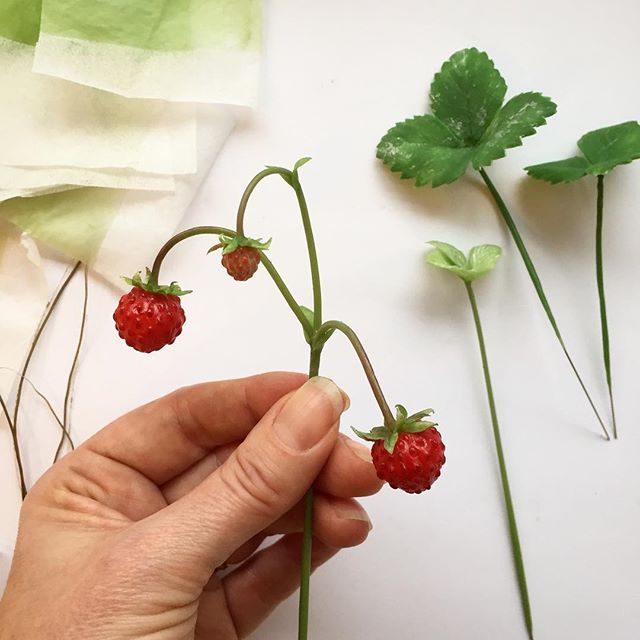
Strawberry fruits made from dressmaking beads coated in molten wax and attached to waxed wire stems. © Annette Townsend

Some of my personal favourites, although not top scorers, are actually two articles which we were kindly allowed to re-blog: Annette Townsend’s beautiful and mesmerising work in how to make a wild strawberry sculpture from honey bee wax, and John Wilson’s fantastic article about the orang-utan specimens sent to World Museum, Liverpool by Alfred Russell Wallace.

But, here are the top ten most read NatSCA blogs by your good selves…

Continue reading

NatSCA Digital Digest – October

Compiled by Jennifer Gallichan, Curator: Vertebrates/Mollusca, Amgueddfa Cymru – National Museum Wales

Welcome to the October edition of NatSCA Digital Digest!

A monthly blog series featuring the latest on where to go, what to see and do in the natural history sector including jobs, exhibitions, conferences and training opportunities. If you have visited an exhibition/museum, have something to say about a current topic, or perhaps you want to tell us what you’ve been working on, please drop an email to blog@natsca.org.

Where Should I Visit?

It is definitely worth visiting Beavers to Weavers: The Wonderful World of Animal Makers exhibition at Leeds City Museum as they have just won a Museums Change Lives award in the category of environmental sustainability. More than 48,000 people visited this exhibition last year, so if you’ve not yet been, it’s worth checking out. The exhibition has an environmental focus displaying beautiful objects made by animals. Discover how animals build homes, make armour or camouflage, craft tools and traps to catch food or change their appearances to attract each other. If you want to know more there is also a great blog about it.

After its recent stay in Great North Museum: Hancock, Dippy On Tour finally comes to National Museum Cardiff this month! This will be Dippy’s only sojourn in Wales, and so is a fantastic opportunity for many to see this iconic specimen. Croeso Dippy i Gymru! There are tonnes of related events programmed, you can dance around Dippy at our Silent disco, or find your inner calm at Dippy about Yoga, so well worth a visit.

Continue reading