Decolonising Manchester Museum’s Mineral Collection – A Call To Action

Presented by David Gelsthorpe, Manchester Museum.

Abstract

The history of Black people, people from indigenous cultures and the role of empire in museum natural history collections is largely ignored. This talk uses Manchester Museum’s mineral collection to take the first steps to uncover these stories, analyse the role of empire and expose racism. For the first time, archive photographs from the early 1900s are used in a new display, to tell the story of the people who mined the Museum’s South African gold ore specimens. Recent research and the Museum’s Sierra Leone diamond are used to tell the story of ‘Blood Diamonds’. Data analysis of the mineral collection reveals that 24% of the collection comes from colonial countries. 50% of the Museum’s minerals from the British Empire are Australian, of which 33% came from the Imperial Institute. This research has shown that Manchester Museum’s mineral collection is intimately connected to empire, but the history of Black and indigenous people is ignored or unknown. This is institutional racism and museums need to be proactive in addressing this. There are enormous opportunities to develop this research through fostering partnerships with source communities around the world. This paper is a call to action.

Continue reading

Nature Read in Black and White: An Update

Presented by Miranda Lowe, Natural History Museum and Subhadra Das, University College
London.

Abstract

There has been an enthusiastic uptake of ideas and practices around decolonising the natural history museum in the wake of the publication of our paper ‘Nature Read in Black and White: Decolonial Approaches to Natural History Collections’ in the NatSCA Journal in 2018. People have written blogs, there have been exhibitions relating to the topic and even the Daily Mail scare quoted cancel culture fears when they heard the Natural History Museum in London was reviewing the colonial histories of its collections. A highlight moment was when Sadiq Khan, the Mayor of London, complimented one of the co-authors of the
paper, saying he had read all sixteen pages and how it was accessible and easy to read. We are gladdened by the national and international impact of our words and research, and this has encouraged us to reflect on this success and raise some other related issues that we would like to share with you in this keynote presentation. In addition to listing recent successes within our own organisations and some plans for future work, we also plan to talk about two further topics about decolonising natural history museums. The first will consider the colonial roots and context of the environmentalist movement, while the second will examine the question of representation in the natural history museum workforce. We will consider the current state of the discourse around decolonising museums, and discuss what continues to be required in the interests of long-term, equitable change.

Continue reading

Top 10 Blogs of 2020

Written by Jennifer Gallichan, NatSCA Blog Editor; Curator (Vertebrates/Mollusca), National Museum Cardiff.

2020 – what a year! Well done on getting through it, and a heartfelt thanks from me for all of the fantastic blog contributions this year. We saw a marked increase in online engagement when the first lockdown hit, with more of you reading and engaging with our blog page than in any other year. I have very much enjoyed reading all of the articles, and I hope you have too.

To reflect on the year, here are your Top Ten most read NatSCA blog articles from 2020. Covid obviously features, as well as a strong focus on discussions surrounding decolonising collections. I am also pleased to see that there is a healthy dose of solid natural history conservation practice this year. I know I have taken great solace from the fact that no matter what was happening in the world, time seemed to stand still the minute I entered the stores. I hope that focusing on the practicalities of caring and conserving our collections has been a healthy and hopefully reassuring distraction from the craziness surrounding us all.

10. Frequently Asked Questions about Taxidermy

Written by Ella Berry amateur taxidermist & MSc Conservation Practice student, Cardiff University. Attempting to deal with some of those tricky taxidermy questions.

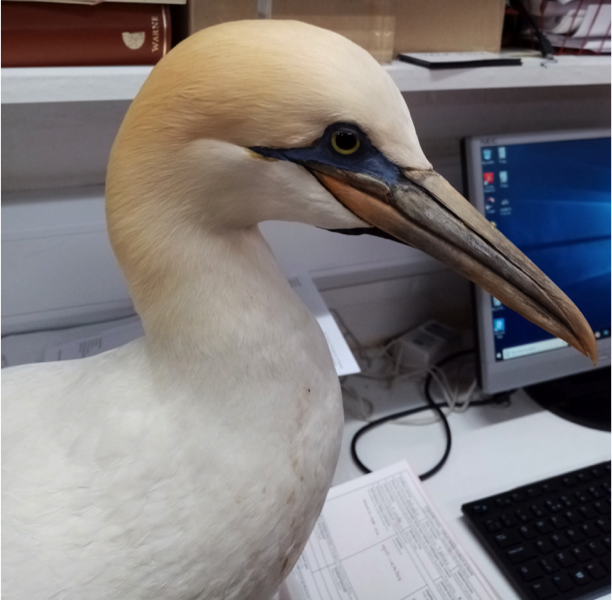
Photo of the taxidermy Gannet (Morus bassanus) waiting patiently(!) to go on display before the event. Photo by author.

9. Museums Beyond Covid

Written by Jan Freedman, Curator of Natural History, The Box, Plymouth. Exploring how our museum spaces and experiences might be very different in the future.

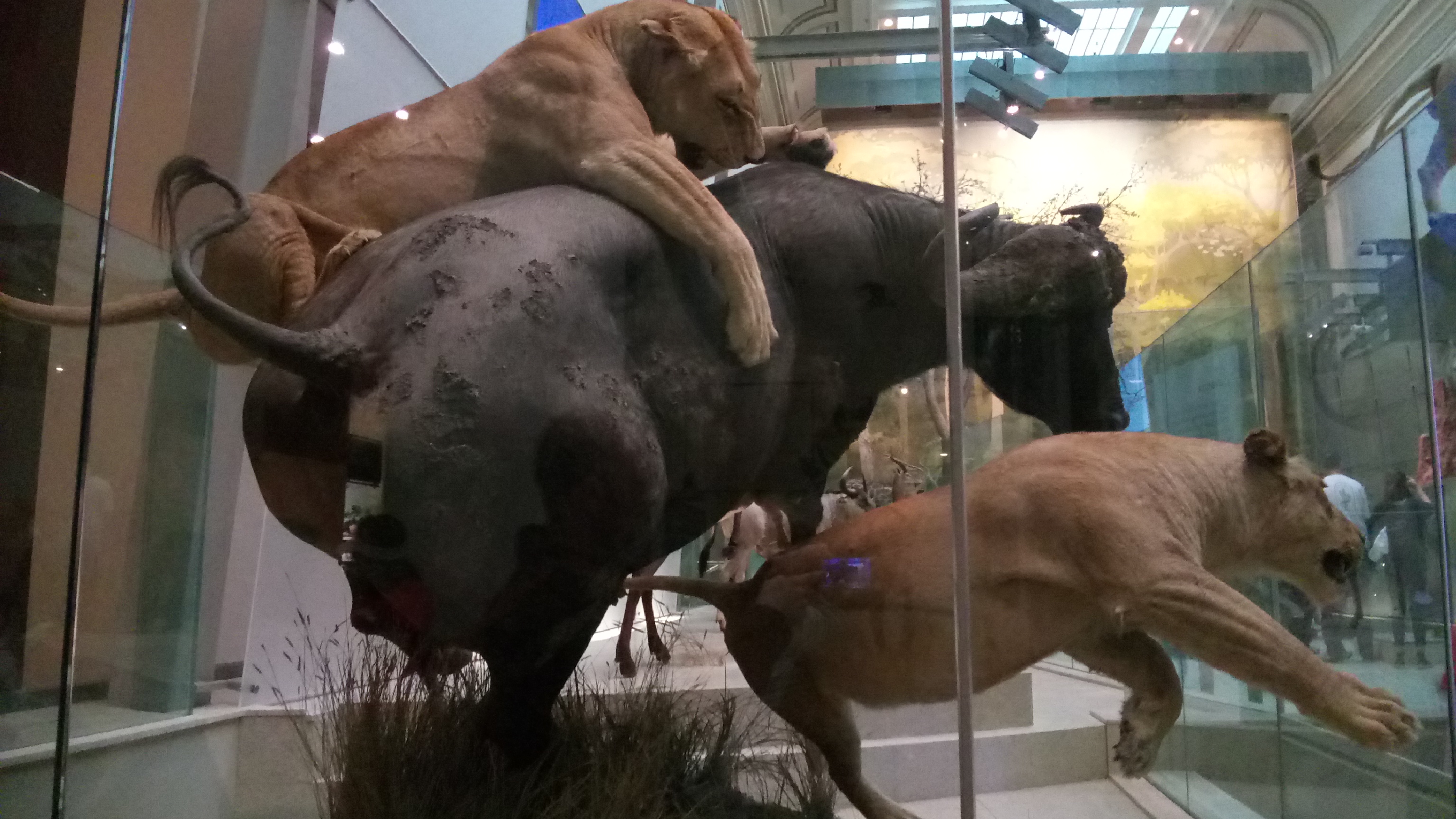
Beautiful taxidermy work of lions attacking a buffalo. I patiently waited 15 minutes until the case was clear of visitors for this photo. Photo by Jan Freedman.

Continue reading

#NatSCAConservation Twitter Conference

Written by Lucie Mascord, NatSCA committee conservation representative.

During the week of the 18th January 2021 NatSCA will be hosting their first ever Twitter conference all on the subject of conservation.

Following on from the success of our inaugural conservation conference “Caring for Natural Science Collections” held at Oxford University Museum of Natural History back in October 2018, the NatSCA conservation working group had hopes of another conference this year. However, it was not to be, so we are changing the format and coming to you in 2021!

The attendees of the “Caring for Natural Science Collections” one-day conference at Oxford University Museum of Natural History in 2018. ©Bethany Palumbo @bethany_bug

Given how strange this year has been we are keeping it simple. Just follow us on the week of 18th January (programme with exact dates and times to follow) on the hashtag #NatSCAConservation and we will bring the unique world of natural science conservation to you for free! Join us for this great opportunity to explore conservation work relating to the range of natural materials including bone, taxidermy, fluid preserved collections, geology, botany and entomology.

Continue reading

Trials From The Riverbank: Conserving a Taxidermy Otter

Written by Jen Gossman, MSc first year Conservation Practice student at Cardiff University.

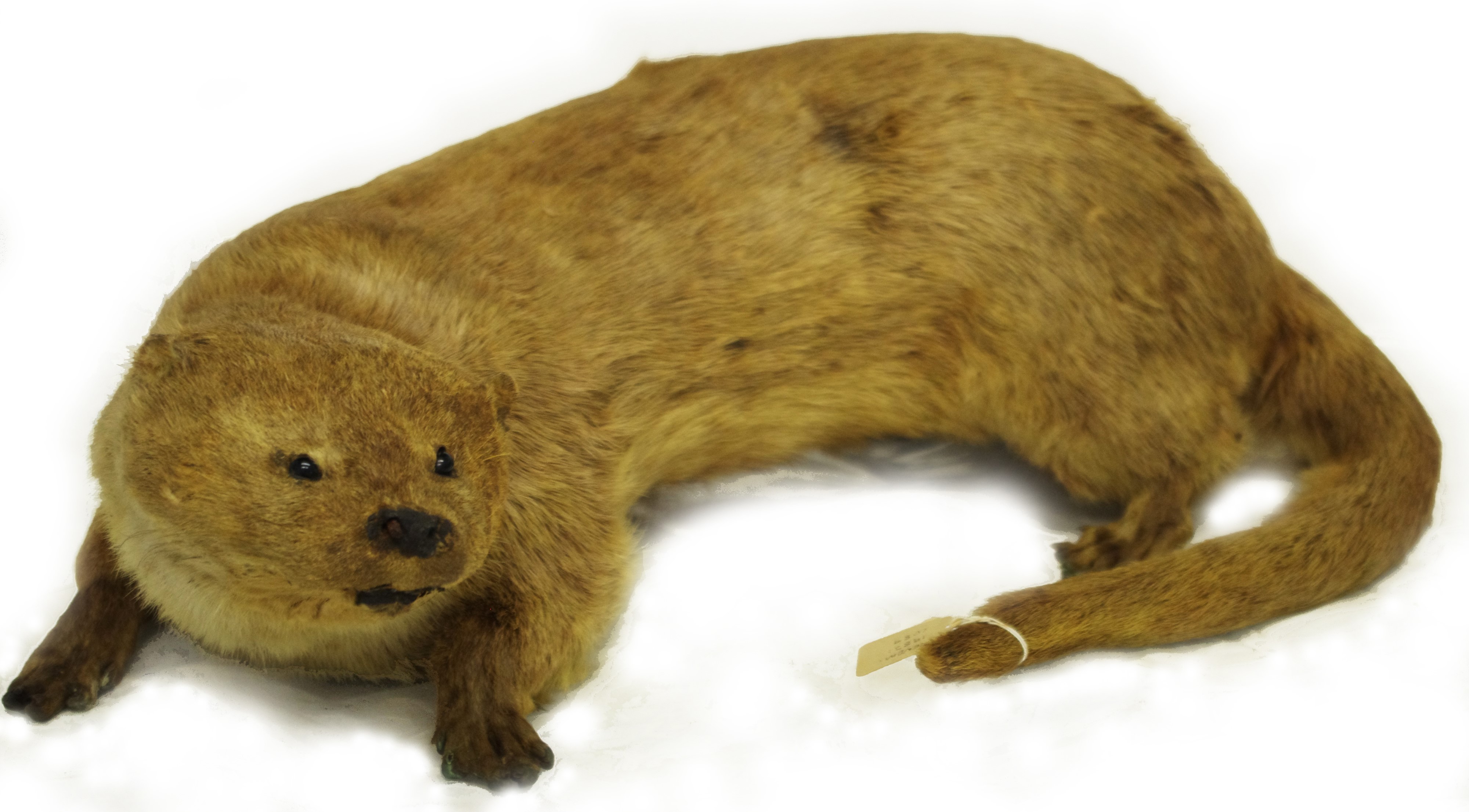
Otter mount © Jen Gossman

I received a mounted taxidermy otter in still life pose without a base from the Tenby museum, Wales where it had been in long term storage wrapped in Tyvek. On initial examination it showed some skin shrinkage and was covered in a thick layer of dirt, grease and dust.

Continue reading