Creating a New Diorama for The Booth Museum of Natural History – Taxidermy, Silk flowers and Wax Slugs.

Editors note: This is the first of two concurrent blogs about the new diorama at the Booth Museum, you can read the second one here.

Written by Jazmine Miles Long, Taxidermist. https://www.jazminemileslong.com, Twitter: @TaxidermyLondon; Instagram: @Jazmine_miles_long

The Booth Museum of Natural History was founded in 1874 by naturalist and collector, Edward Thomas Booth. Mr Booth collected a huge variety of British birds and was a pioneer of the taxidermy ‘diorama’, displaying birds in their natural habitat. His collection of over 300 detailed cases were donated to the city of Brighton in 1891 with the proviso the dioramas would not be changed. In 1971 the Booth became a Museum of Natural History. Today alongside the dioramas the museum has a huge collection of 525,000 insects, 50,000 minerals and rocks, 30,000 plants and 5,000 microscopic slides.

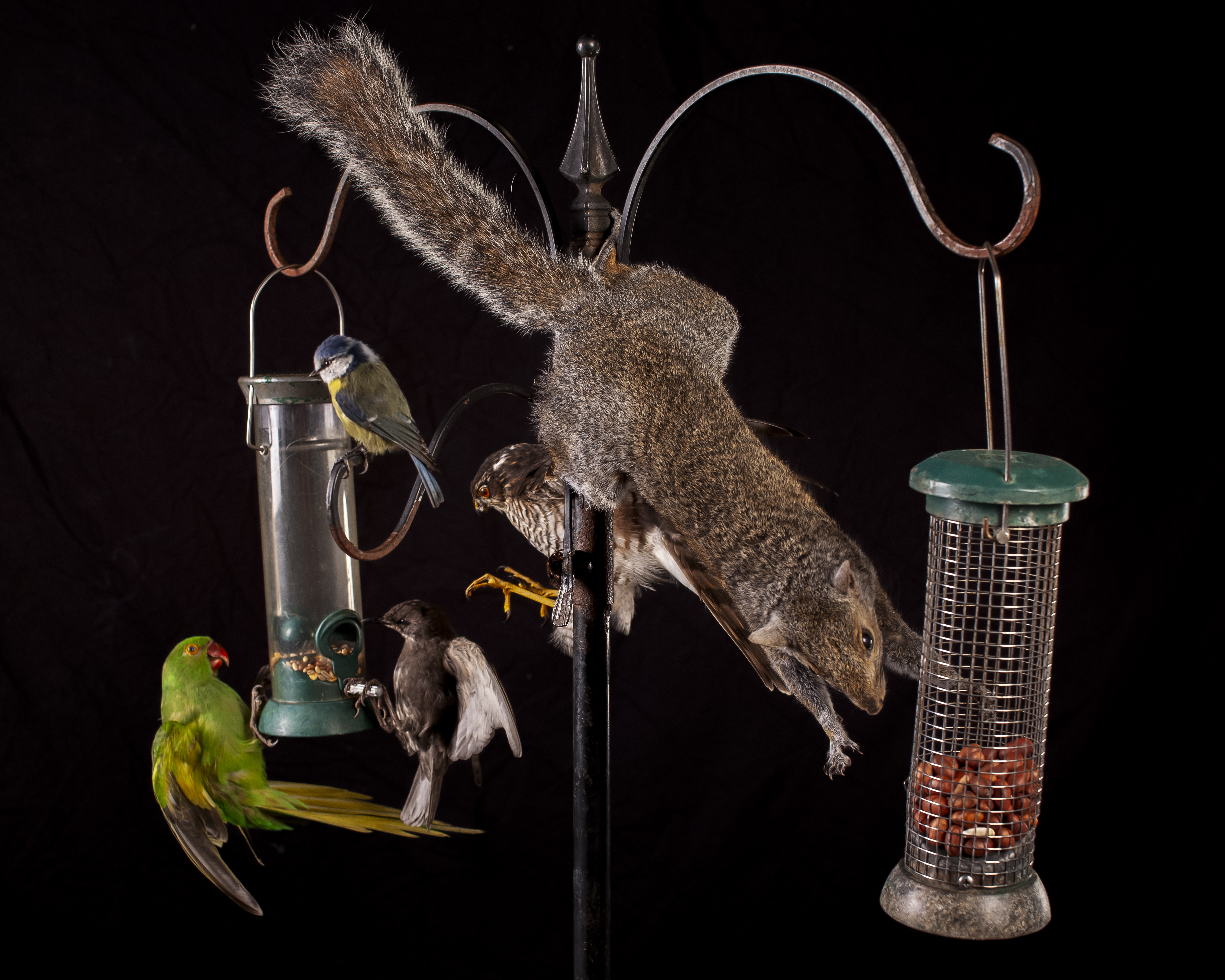
Life in the Garden. Image credit: Laurence Dean.
Continue reading

Unicorns and Baby Dolls: Narwhal Specimens in the Cole Museum.

Written by Amanda Callaghan, Curator/Director of the Cole Museum of Zoology at the University of Reading.

The narwhal Monodon monoceros is one of the rarest and oddest-looking whales. Cousin to the white Beluga whale, narwhal means “corpse whale” in Icelandic, (nar corpse and hvalr whale) a reference to its blotchy grey pallor1. Male narwhals (and a small number of females) have a canine tooth on the left-hand side of the upper jaw that grows through the upper lip into a long spiral “tusk.” The function of this strange tooth is unclear, but the horns are used for duelling or ‘tusking’ when the males compete for females.

From medieval times through to the 17th century, the legend of the mythical horned horse, or unicorn, was reinforced by the spectacular spiralling horns brought to Europe. Those observed live in the seas around Greenland and Iceland were known as “sea unicorns”2. Today, although we know they are not unicorn horns, there remains a fascination and high price for these rare and beautiful teeth.

Continue reading

NatSCA Digital Digest – July 2023

Compiled by Milo Phillips, Assistant Curator of Entomology for National Museums Scotland.

https://natsca.blog/wp-content/uploads/2018/10/natsca-logo-small-ggg.jpg?w=326&h=124

Welcome to the July edition of NatSCA Digital Digest.

A monthly blog series featuring the latest on where to go, what to see and do in the natural history sector including jobs, exhibitions, conferences, and training opportunities. We are keen to hear from you if you have any top tips and recommendations for our next Digest, please drop an email to blog@natsca.org.

https://natsca.blog/wp-content/uploads/2018/10/natsca-logo-small-ggg.jpg?w=326&h=124

Sector News

HOGG Conference & Field Meeting

There’s still time to register for the upcoming The History of Geology Group (HOGG) conference & Field Meeting. The event will be hosted at Trinity College Dublin, Ireland and will take place between Tuesday 15th and Friday 18th August 2023 on ‘Aspects of the history and progress of geology in Ireland’. 

The programme includes the one-day conference and three days of field and archive visits, including a visit to the birthplace of modern seismology, and opportunity to look at material not often open to view.

Registration is €17 (£15) and can be completed through Eventbrite by clicking here. For more information, visit the event page or email duncan.hawley.hogg@gmail.com

Continue reading

Unpacking the Unnatural History Museum (Season 1)

Written by Verity Burke, John Pollard Newman Fellow of Climate Change and the Arts, University College Dublin.

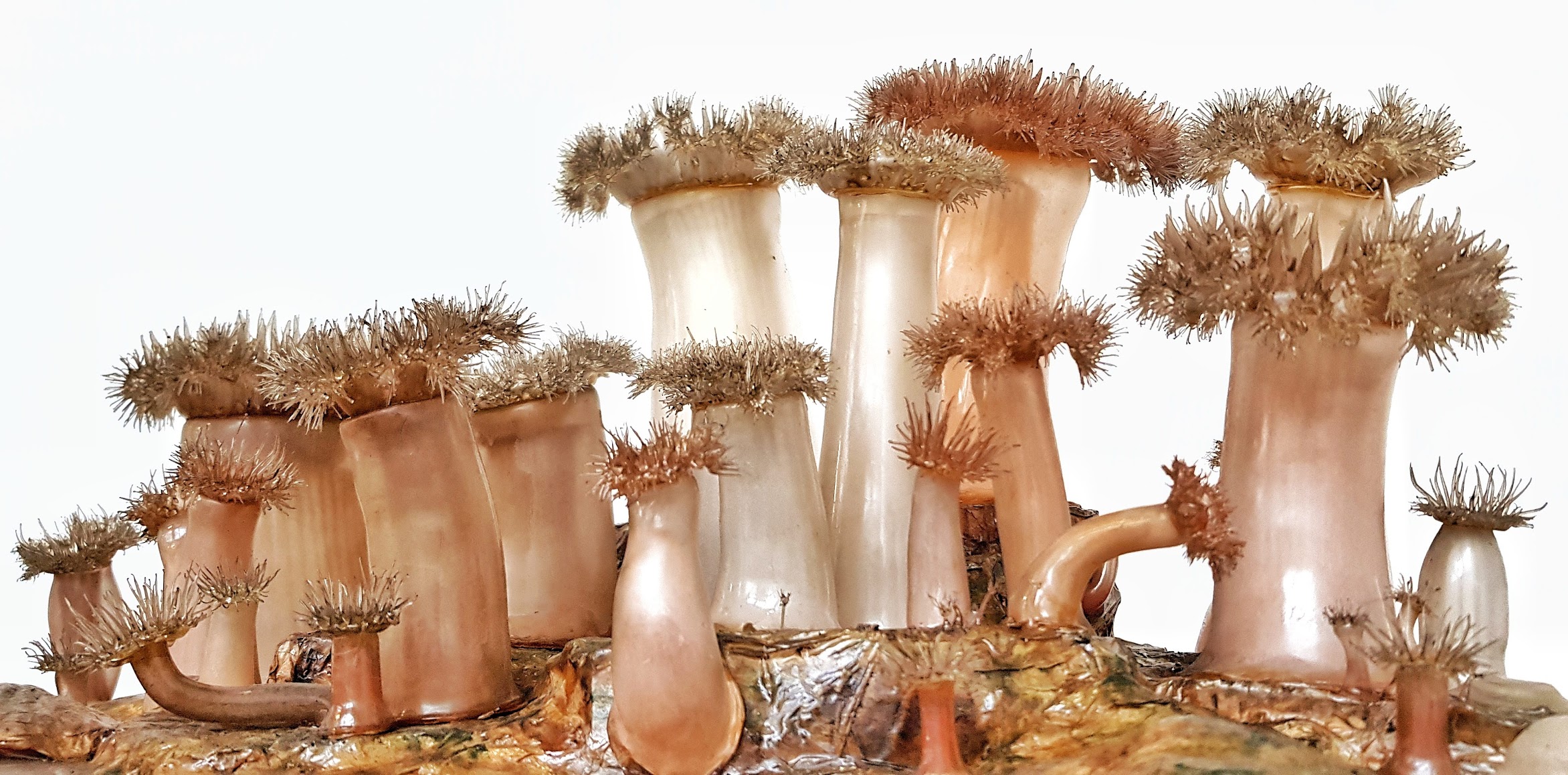
Blaschka Models. Image credit: courtesy of the National Museum of Ireland: Natural History.

We’re at a crucial historical moment, in which the International Union for Conservation of Nature Red List has announced a catastrophic decline in global biodiversity, and the Intergovernmental Panel on Climate Change has reported on the devastating trajectory of the climate crisis. Museums have an important role to play in communicating the value of nature. Yet nature is, necessarily, mediated in museums, through taxidermy dioramas and skeletal mounts; virtual tours and digital databases; image, text and film. While the natural world has always been mediated in the museum space, what does this mediation mean now for natural history museums and collections, and the natures they present?

These are some of the questions which drive my research into museum representations of the natural world, and was the inspiration behind putting together an event series called ‘The Unnatural History Museum: Mediating Nature in the Sixth Mass Extinction’ (part of the Irish Research Council-funded project ‘Still Lives: Organic and Digital Animals in the Natural History Museum’ at Trinity College Dublin). I was keen to make a space to have these conversations across disciplines and sectors (something which we get surprisingly few opportunities to do, despite often working on similar topics or issues), to allow us to share what we were doing and discuss why. This blog is a short overview of the topics that the first season of the Unnatural History Museum engaged with from September 2022 to April 2023, with some excitement about what arose in the first season, and in anticipation of continuing these conversations in a planned second season.

Continue reading