Unpacking the Unnatural History Museum (Season 1)

Written by Verity Burke, John Pollard Newman Fellow of Climate Change and the Arts, University College Dublin.
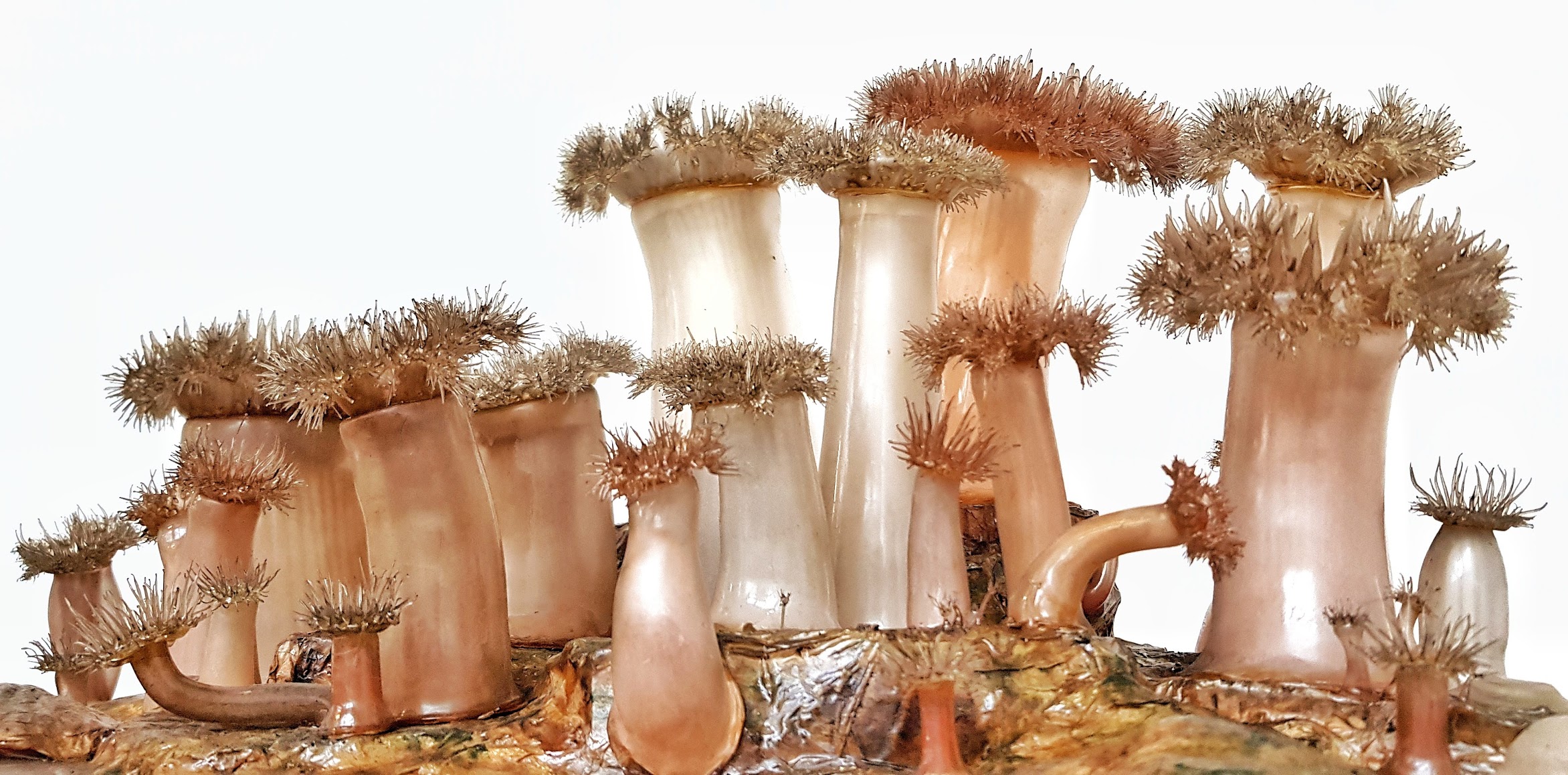
Blaschka Models. Image credit: courtesy of the National Museum of Ireland: Natural History.

We’re at a crucial historical moment, in which the International Union for Conservation of Nature Red List has announced a catastrophic decline in global biodiversity, and the Intergovernmental Panel on Climate Change has reported on the devastating trajectory of the climate crisis. Museums have an important role to play in communicating the value of nature. Yet nature is, necessarily, mediated in museums, through taxidermy dioramas and skeletal mounts; virtual tours and digital databases; image, text and film. While the natural world has always been mediated in the museum space, what does this mediation mean now for natural history museums and collections, and the natures they present?

These are some of the questions which drive my research into museum representations of the natural world, and was the inspiration behind putting together an event series called ‘The Unnatural History Museum: Mediating Nature in the Sixth Mass Extinction’ (part of the Irish Research Council-funded project ‘Still Lives: Organic and Digital Animals in the Natural History Museum’ at Trinity College Dublin). I was keen to make a space to have these conversations across disciplines and sectors (something which we get surprisingly few opportunities to do, despite often working on similar topics or issues), to allow us to share what we were doing and discuss why. This blog is a short overview of the topics that the first season of the Unnatural History Museum engaged with from September 2022 to April 2023, with some excitement about what arose in the first season, and in anticipation of continuing these conversations in a planned second season.

Continue reading

‘Dino Takedown’ at the Natural History Museum of Denmark.

Written by Bethany Palumbo, ACR, Head of Conservation Unit, The Natural History Museum of Denmark.

At the Natural History Museum of Denmark, work is currently underway to prepare and move thousands of specimens to a new building, located in the Botanical Gardens in Copenhagen. One such specimen is ‘Misty’ our beloved 17-meter-long Diplodocus. Misty has been welcoming visitors to the Zoological Museum since 2014 and is a much-loved part of our exhibitions.

Taking this specimen down was symbolic in many ways. It was a goodbye to the old building but also a celebration of the new building and future of the museum. We wanted to commemorate this milestone and so we decided to make the Diplodocus deinstallation into an outreach event called the ‘Dino Takedown’. This would create a rare opportunity for the public to watch the deinstallation process, ask questions and further understand the types of conservation work we do in a museum.

Continue reading

Designated Status for Ipswich Museums’ Post-Cretaceous Geology Collection.

Written by Dr Simon Jackson, Collections and Learning Curator (Natural Sciences), Colchester + Ipswich Museums.

Ipswich Museums’ Post-Cretaceous Geology Collection, which includes our outstanding ice age collection, has been awarded Designated status by Arts Council England. The team here are delighted!

“OK, what exactly is Designation?” some of you may be thinking… Well, the scheme is administered by Arts Council England and identifies the pre-eminent collections of national importance held in England’s non-national museums, libraries and archives, based on their quality and significance. So, this award is a mark of distinction which is useful, for instance, in securing funding. If this has piqued your interest, and, for instance, you may be thinking “perhaps my collection is eligible for the scheme?” you can read more about Designation here: Designation Scheme | Arts Council England or my 2020 paper about the Tullie House bid I led on then, here https://www.natsca.org/article/2578 .

So, what’s been Designated at Ipswich? The Ipswich Post-Cretaceous Geology Collection includes c.30,000 specimens. The greatest strength of the collection includes Suffolk Plio-Pleistocene fossils, the remains of animals which lived during the Pleistocene ice age, and the warmer Pliocene before it. Suffolk has an outstanding Plio-Pleistocene record, with the only exposures of the Coralline Crag (Middle Pliocene) and extensive exposures of the Red Crag (the only exposed British deposit to document the transition into the ice age). The county’s deposits also document the dramatically changing environments of the ice age between warmer, wetter episodes (interglacials) and colder, drier episodes (glacials).  With pre-eminent collections covering this period, the collection now attracts international research, which, for instance, includes searching for the oldest mammoth DNA from Europe in c. 200,000 year old teeth from Suffolk – research led by the Centre for Palaeogenetics, at the Stockholm University and the Swedish Museum of Natural History, and the NHM). You can read more about the project here: https://cimuseums.org.uk/mammothdna/

Continue reading

Aliens Escape the Herbarium

Written by Annette Townsend (Interdisciplinary Natural History Artist) & Sally Whyman (Curator: Botany Curator, Amgueddfa Cymru – National Museum Wales).

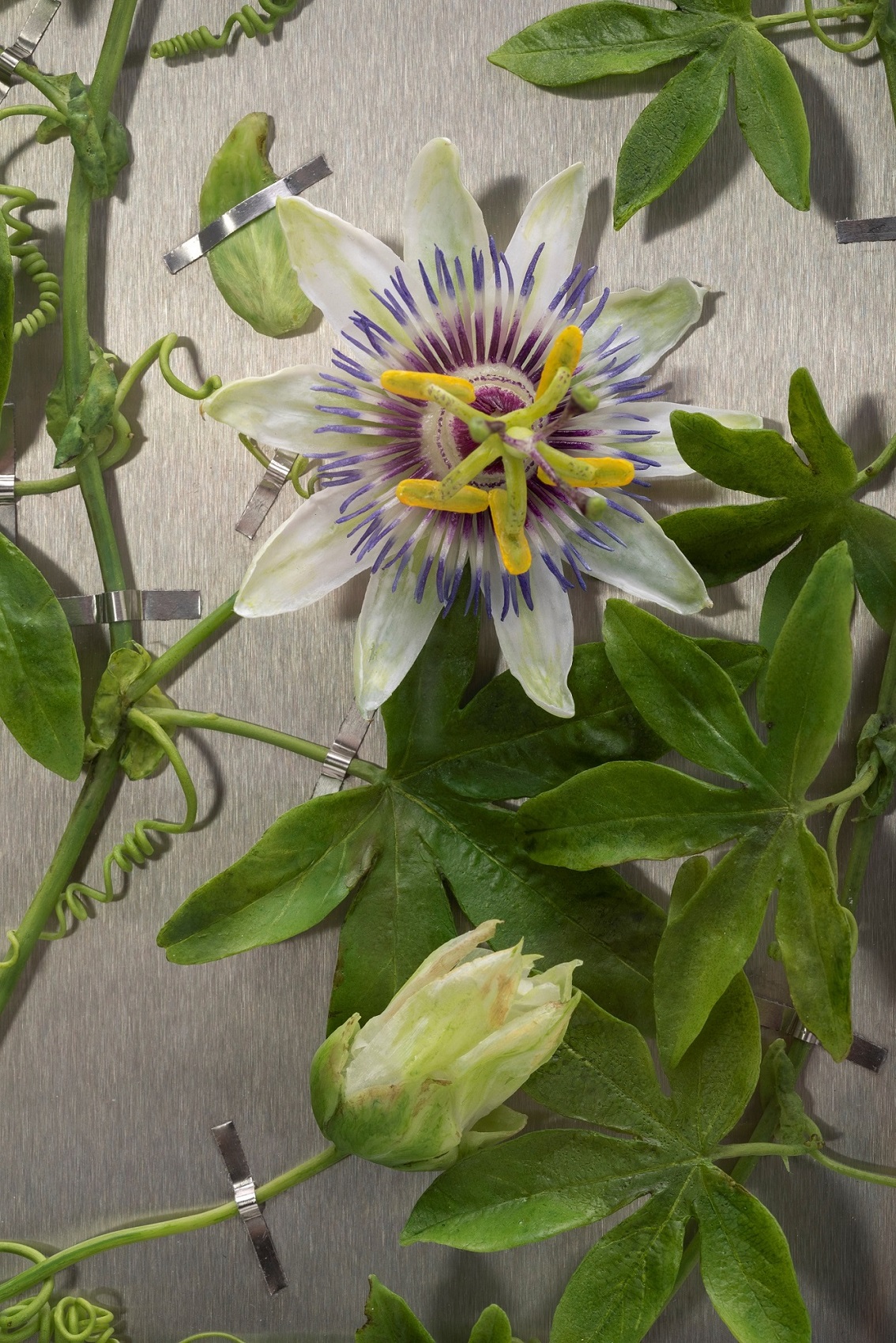
Aliens 1956. Close-up. Annette Marie Townsend. Image Dewi Tannatt Lloyd

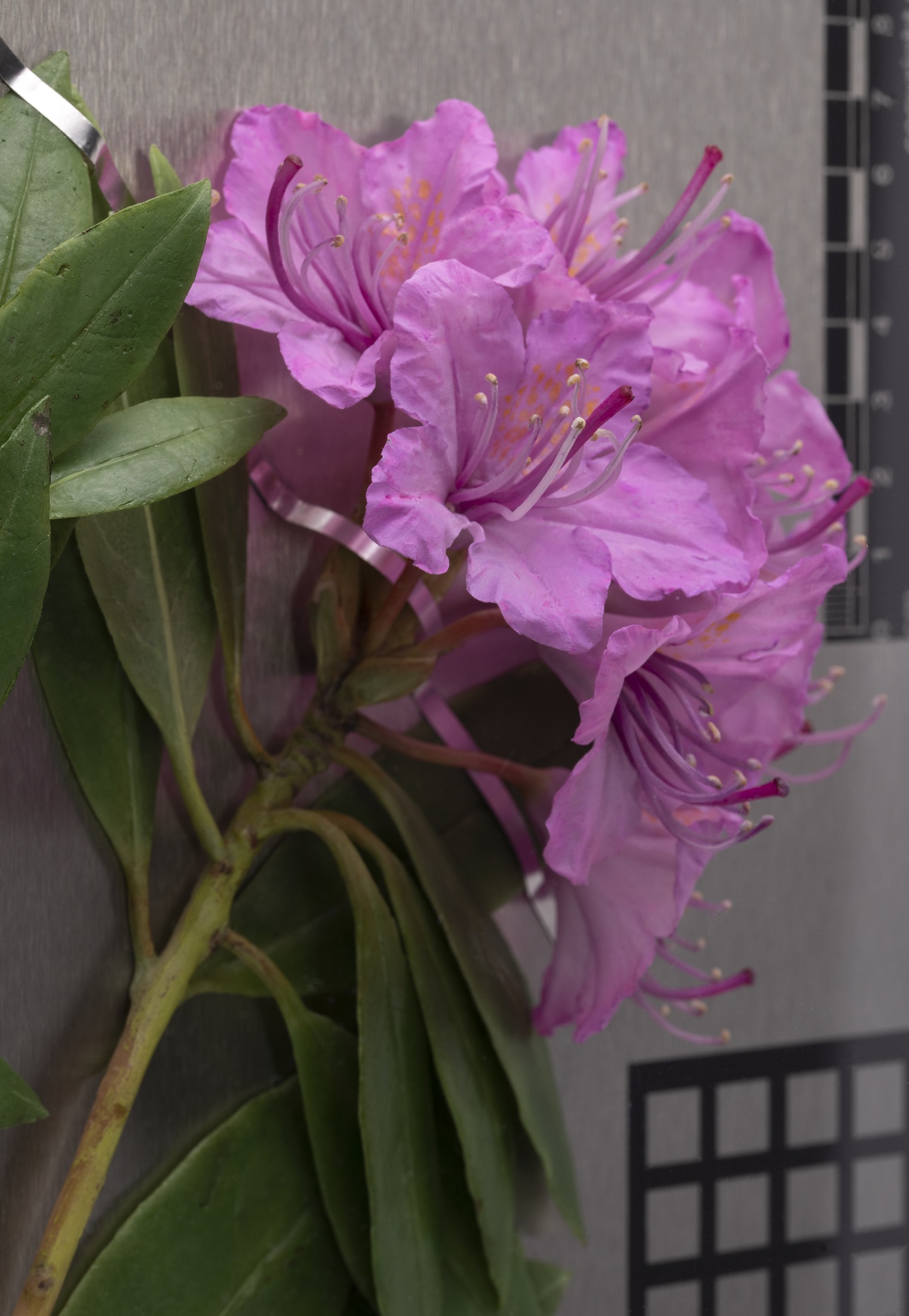
Plants growing on the wall of a London art gallery!! On closer inspection you discover they are alien plants, introduced to the UK. Looking even closer you realise they are delicate sculptures, handmade from beeswax, paraffin wax, tinned copper wire, tissue paper, cotton thread, artists’ pigments, acrylic paint and acrylic varnish.

Aliens 1992. Close-up. Annette Marie Townsend. Image Dewi Tannatt Lloyd

Mounted on stainless steel plates with stainless steel strips, and epoxy printed collector labels, in a juxtaposition of historic and modern materials and techniques, each sculpture mimics a real herbarium sheet, found in the Welsh National Herbarium, Amgueddfa Cymru.   

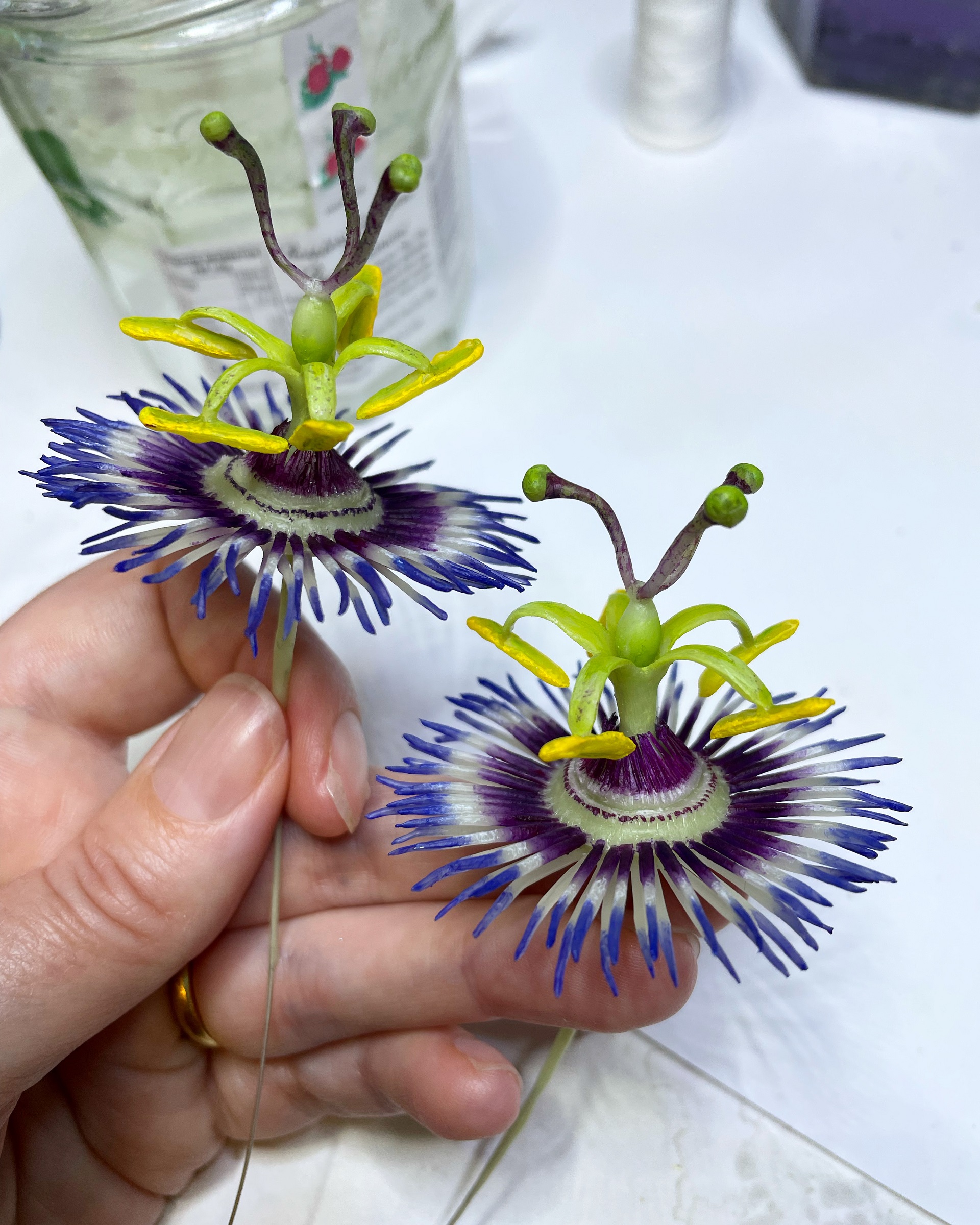
Wax passion flowers in progress. Image A.M. Townsend

The brainchild of Annette Marie Townsend and Sally Whyman who wanted to combine the skill, vision and dexterity of the artist with the depth of collection knowledge of the curator, allowing the plants to come to life and escape the confining folders and cabinets of the herbarium. This Aliens series allows the plants tell their stories of biodiversity change and invasive species to new audiences, further afield than museum visitors and botanical researchers.    

Continue reading

Natural History Museums for a World in Harmony with Nature: Now’s the Time!

Written by Henry McGhie, Curating Tomorrow, henrymcghie@curatingtomorrow.co.uk.

Bio: Henry McGhie has a background as an ecologist, museum curator and manager. He set up Curating Tomorrow in 2019 to help empower museums and their partners to contribute to sustainable development agendas, including the Sustainable Developmet Goals (SDGs), climate action, biodiversity conservation, Disaster Risk Reduction and human rights. He is a member of the ICOM Sustainability Working Group, and a Churchill Fellow working on these topics.

This blog post takes in some of the developments over the last couple of years, and sets out some current opportunities for museums with natural history collections to strengthen their contributions to environmental sustainability.

Let’s cast our minds back to 1992, over thirty years ago now, when representatives of all countries agreed to take action in three areas. This was the Rio Earth Summit, which adopted the Convention on Biological Diversity, the Framework Convention on Climate Change (the grandparent of the Paris Agreement) and the Convention to Combat Desertification. It’s entirely possible you may not even have heard of all of these, but don’t worry you’re far from alone. While governments signed onto these agreements, they were broad, framework agreements. It is true that governments were supposed to take the lead in these, and other agreements, but surely sectors – including museums – don’t need to wait to be asked? However, the agreements have just not been turned into action, and that is a fault of governments, but also of the sectors, that could have gained a lot by saying ‘we have something to contribute here’. What I’m proposing isn’t just that museums take up these agreements to look good, sound good, show off, or compete with one another or with other sectors, but to use them as practical tools.

Why? Because connecting with the big picture and international agreements helps museums to:

  • Shape their programmes and activities, to provide people interested in these topics with educational and participatory activities.
  • Put their unique resources to good use in pursuit of positive social and environmental outcomes.
  • Play a significant and distinctive part in an ambitious programme for a better world.
  • Build partnerships and collaborations, with one another and with other sectors, working to shared goals.
  • Create and demonstrate impact, showing that museums and collections are not a nice-to-have, but essential players in securing a future in harmony with nature.
Continue reading