A Hundred Feet Through the Door – A Chance Encounter with some Centipedes set me on a Curatorial Path…

Written by Dan Gordon, Keeper of Biology, The Great North Museum: Hancock.

So, how did I get started in museums? Like perhaps many people, it began with a stroke of luck.

I’d decided to study Biology at university—I suppose I’d vaguely pictured myself at some point in the future, white-coated in the lab, pouring over spectrophotometer readings or agar plates. But by the end of the first year, I found myself staring out of the window during practicals. Nineteen-year-old me was slowly becoming disillusioned: Botany was biochemistry; Zoology was elegant mathematics; even Ecology was really an intricate forest of statistics, not trees. There was beauty in the numbers, but it was all a long way from my childhood passion for birdwatching, rock pooling and reading travel books. One day, peering at smudges on a petri dish and trying to work out if I’d just induced gene expression, I realised I might not be cut out for that imagined future. I was fascinated by the soul of the subject, but the finer points of its language were losing their magic.

Continue reading

NatSCA Digital Digest – May 2025

Compiled by Ellie Clark, Collections Moves Team Leader at the Natural History Museum, London.

Welcome to the May edition of NatSCA Digital Digest

Digital Digest is a monthly blog series featuring the latest on where to go, what to see and do in the natural history sector including jobs, exhibitions, conferences, and training opportunities. We are keen to hear from you if you have any top tips and recommendations for our next Digest, please drop an email to blog@natsca.org.

Sector News

Registration Now Open for SHNH International Summer Meeting

We are pleased to announce that registration is now open for the two-day international meeting ‘A Sense of Nature’. The conference will explore the intersections of the senses – including sight (vision), sound (hearing), smell (olfaction), taste (gustation) and touch (tactile perception) – with the history of natural history.

The event will be at Kelvin Hall, Glasgow on 19th June and 20th June 2025. The conference will feature 12 papers across six sessions, as well as collections tours and an optional conference dinner.

Full details are available here. Registration will close at 6pm (BST) on 28th of May 2025.

Continue reading

NatSCA Digital Digest – May 2023

Compiled by Glenn Roadley, NatSCA Committee Member, Curator of Natural Science at The Potteries Museum & Art Gallery.

Welcome to the May edition of NatSCA Digital Digest.

A monthly blog series featuring the latest on where to go, what to see and do in the natural history sector including jobs, exhibitions, conferences and training opportunities. If you have any top tips and recommendations for our next Digest please drop an email to blog@natsca.org.

Sector News

NatSCA Conference

The NatSCA annual conference and AGM was held at The Potteries Museum & Art Gallery on Thursday 27th and Friday 28th April 2023. The focus this year was So how do we actually do all this? Hopeful futures and turning theory into practice for big issues in natural history collections.

With 86 delegates present each day plus over 20 online, it was great to welcome everyone back to physical NatSCA conferences. A huge thanks to everyone that attended and to our speakers for the brilliant talks! For those that were unable to attend, we’re hoping to make the presentations available online in the near future.

SPNHC Conference

The 38th Annual Meeting of The Society for the Preservation of Natural History Collections is being held in San Francisco, California 28 May – 2 June 2023. Full details here.

SHNH International Summer Meeting

This year’s SHNH International Summer Meeting, ‘The Language of Nature’, will take place at Thinktank, Millennium Point, Birmingham on Tuesday 13 June 2023 (with visits planned for 14 June). This one-day international meeting will explore the language of nature in its broadest sense. Over centuries, different formats and mediums, stylistic approaches and classification systems have been used to describe and represent the natural world. These ‘languages’ influence how we conceive of nature, how we categorise it, how we wonder at it and who we credit with its ‘discovery’. This conference aims to bring new perspectives to the history of natural history writing and other expressions of nature, exploring not only the creativity and originality involved but also the limitations and biases that shape our understanding of the natural world and how it has been perceived throughout history. Full details here.

Continue reading

NatSCA Digital Digest – September

Compiled by Olivia Beavers, Assistant Curator of Natural Science at The Potteries Museum & Art Gallery.

Welcome to the September edition of NatSCA Digital Digest.

A monthly blog series featuring the latest on where to go, what to see and do in the natural history sector including jobs, exhibitions, conferences and training opportunities. We are really keen to hear more about museum re-openings, exhibition launches, virtual conferences and webinars, and new and interesting online content. If you have any top tips and recommendations for our next Digest please drop an email to blog@natsca.org.

What to do

As we move into the new school year, The Grantham Climate Art Prize is calling for messages of hope from young people on climate change – ahead of the UN Climate Change Conference (COP26) in Glasgow this November. This is an opportunity for young people aged 12-25 to raise awareness for our precious habitats and send a message of hope through designing a mural to go onto walls across the UK – and be in for a chance to win £250 cash!  The theme of this competition is Biodiversity Loss and Climate Change. Click here to learn more – entries by 24.09.21.

Continue reading

NatSCA Digital Digest – September

Compiled by Jan Freedman, Curator of Natural History, Plymouth Museums Galleries Archives.
Welcome to the September edition of NatSCA Digital Digest!

Where Should I Go?

A new exhibition at the Oxford University Museum of Natural History, First Animals explores the evolution of the earliest animal life more than 500 million years ago. Highlights include 55 exceptionally-preserved fossils from the Chengjiang biota, on loan from Yunnan University and displayed outside of China for the very first time, and virtual reconstructions of the early Cambrian sea floor, made possible through close collaboration between researchers at the two universities. The exhibition is open until 24th February 2020.

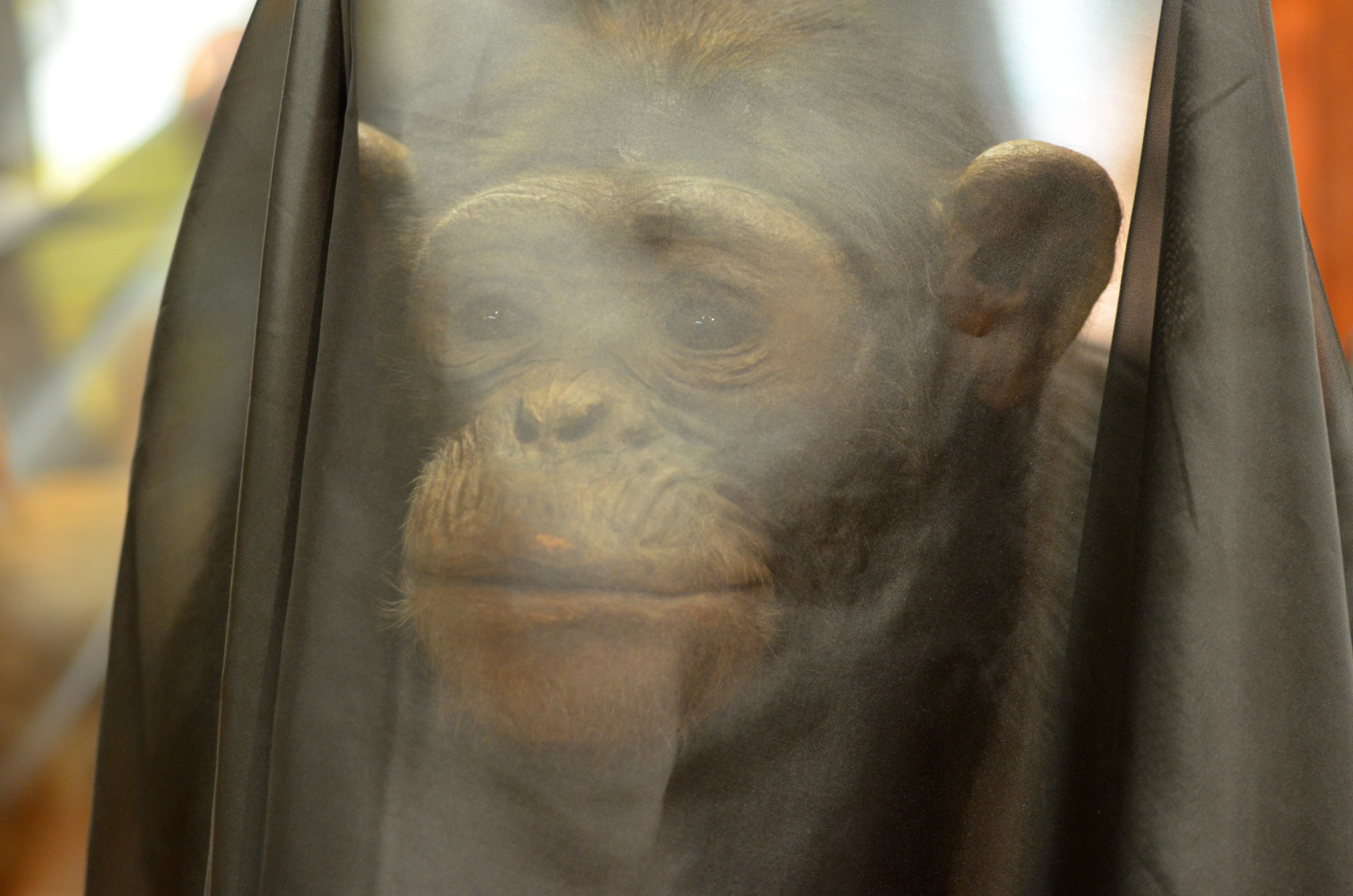
How can we highlight the biggest issues threatening our planet today? It’s difficult with permanent displays, but not impossible. Bristol Museum & Art Gallery have addressed biodiversity loss and extinction in a unique way without new display cases. The natural science curators have covered endangered animals on display with a black veil. Standing out from the other animals, this has a huge visual impact on visitors. This innovative way of showing our impact on the planet was covered by The Guardian last month.
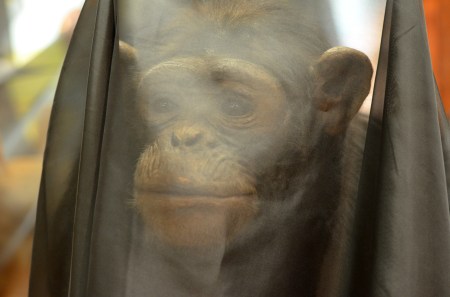
A chimpanzee on permanent display, covered with the black veil. © Bristol Culture

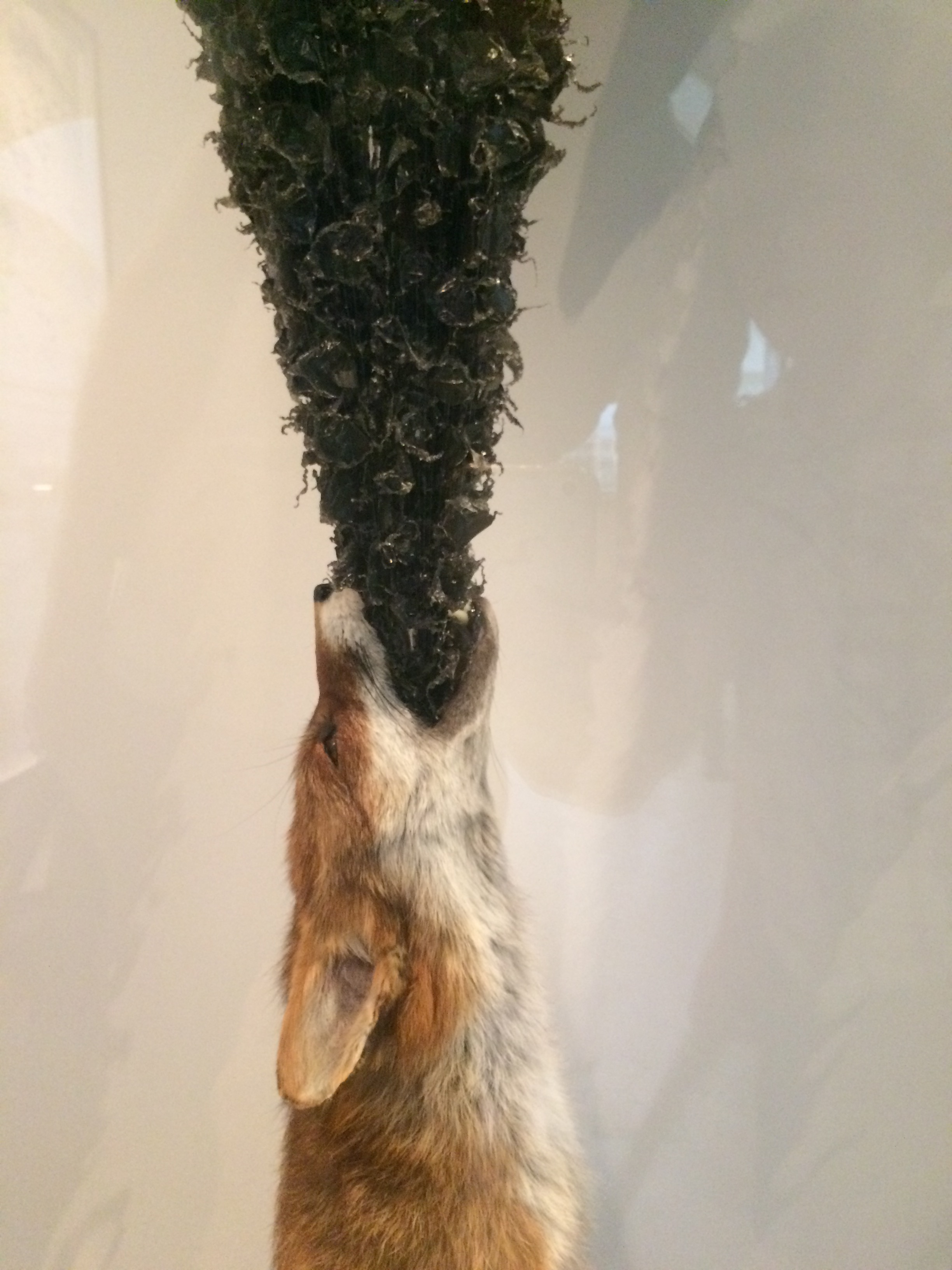
I recently visited As I Live and Breathe at the Horniman Museum, a very impactful exhibit about plastics. At the front of the natural history gallery, taxidermy animals were displayed as if they were dead, with thousands of pieces of black plastic erupting from their mouths, and a hedgehog dead in a fast food container. The message is clear: plastic pollution is killing our wildlife.
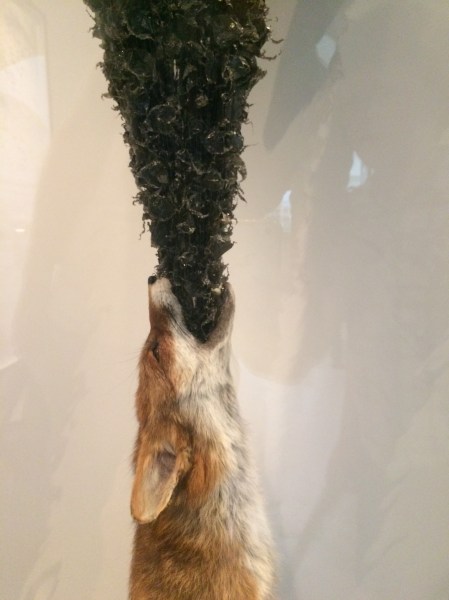
A powerful display at the Horniman museum. A dead fox with plastic erupting from it’s mouth. (Image by Jan Freedman)

Bristol Museum & Art Gallery recently were awarded a certificate of excellence by the Curry Fund. This amazing acknowledgment was for the engaging exhibition, Pliosaur! about the life of the almost complete Pliosaur specimen found at Westbury, Wiltshire. The exhibition, which received funding from The Curry Fund, took the visitor into the past to explore the world that this giant reptile lived in.

What Should I Read?

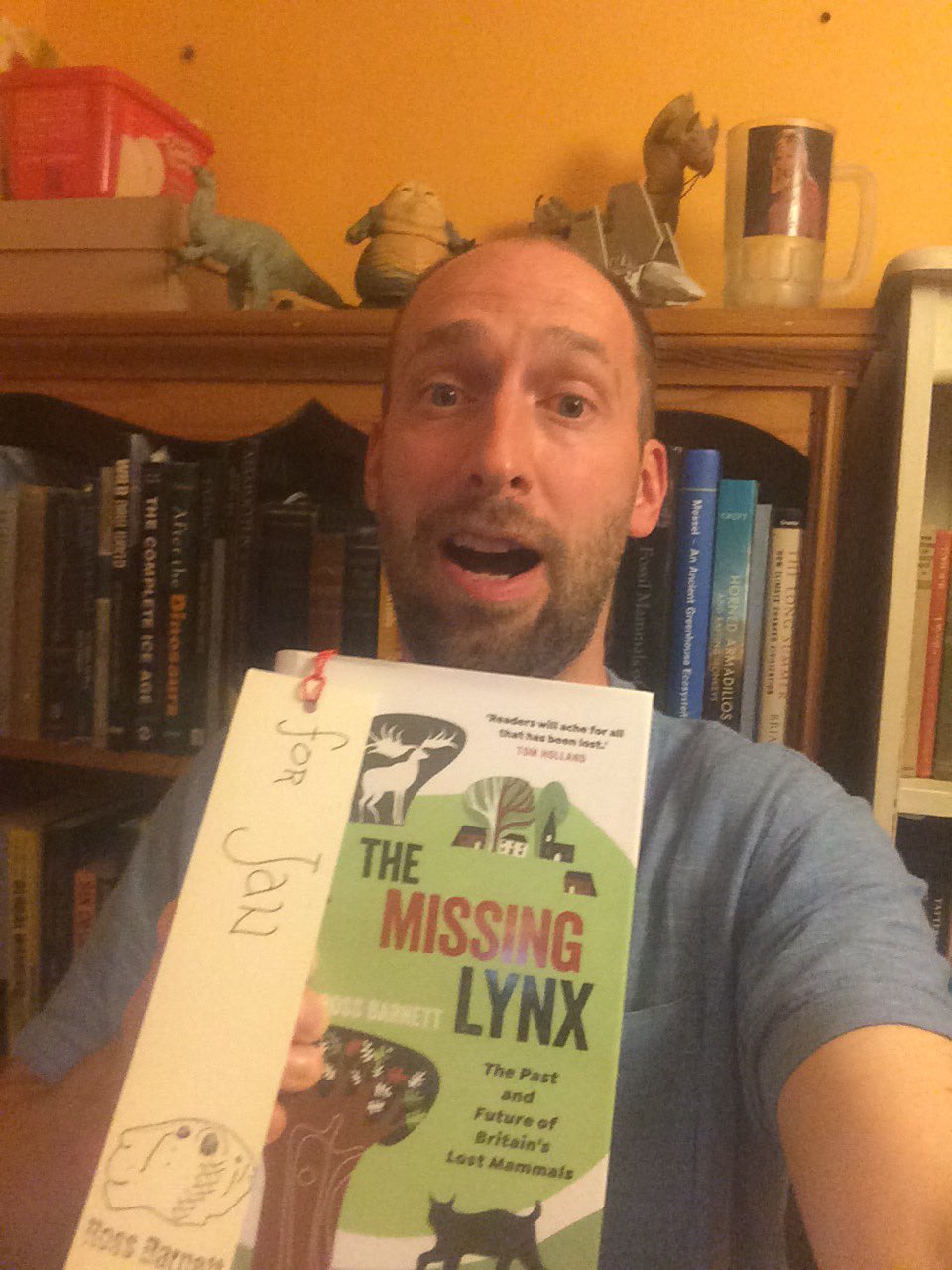
With many of us holding Pleistocene collections, a new book written by Dr Ross Barnett, The Missing Lynx, can help us understand them more. It looks at the lost mammals of Britain. Mammoths, sabre tooth cats, beavers, and more fill this prehistoric safari. It is full of life histories of the animals and their extinction, the history of their finds, and if they could be reintroduced into Britain. It’s a fascinating, and fun read, and highly recommended! Our very own Jack Ashby has just written a great review of it for our blog.
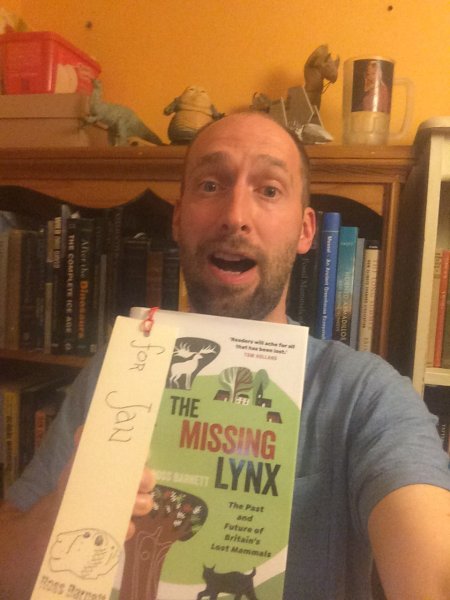
The Missing Lynx, the new book about Britain’s lost beasts. (Image Jan Freedman)

Where Should I Work?

The Royal Horticultural Society is looking for a horticultural taxonomist to join their horticultural taxonomy team at Wisley, working with one of the largest plant collections in the UK.

Job title: Horticultural taxonomist. Full time. £26,498 per annum. For more information, click here.

Kew Gardens is looking for a botanical horticulturalist to work with their tropical nurseries.

Job title: Botanical Horticulturist – decorative nursery. 1 year, fixed term. £18,590 per annum. For more information, click here.

Before You Go…

If you have visited an exhibition/museum, have something to say about a current topic, or perhaps you want to tell us what you’ve been working on, please drop Jen an email at blog@natsca.org. Thanks!