NatSCA Digital Digest – November 2021

Compiled by Glenn Roadley, NatSCA Committee Member, Curator of Natural Science at The Potteries Museum & Art Gallery.
Welcome to the November edition of NatSCA Digital Digest.

A monthly blog series featuring the latest on where to go, what to see and do in the natural history sector including jobs, exhibitions, conferences and training opportunities. We are really keen to hear more about museum re-openings, exhibition launches, virtual conferences and webinars, and new and interesting online content. If you have any top tips and recommendations for our next Digest please drop an email to blog@natsca.org.

Sector News

SPNHC / BHL / NatSCA Conference 2022

Next summer will see the return of the physical NatSCA Conference – a triple whammy partnership with the Society for the Preservation of Natural History Collections and the Biodiversity Heritage Library. Abstract submission opens November 12th, so keep an eye on the conference site if you’ve got a great idea or project to share with the community.

GCG Virtual Winter Seminar

The Geological Curators Group are delighted to announce that the call for speakers for the Virtual Winter Seminar event is now open. In this unprecedented 18 months, GCG has seen a wonderful increase in engagement from international members, and with this seminar, they would like to celebrate this. GCG are looking for submissions for talks of around 10-15 minutes sharing innovations in, relationships with, and stories from, geological collections around the world. These can be surrounding the topic of Covid and how your organisation coped, or anything else you would like to share!

Please e-mail abstracts to events@geocurator.org. The closing date for submissions is November 5th at 5p.m. BST. The maximum word count should be 250 words plus one image. 

Registration will open shortly with tickets at £5 with the AGM following the seminar and a fun event to end the day. 

More details will land soon at https://www.geocurator.org/agm2021.

Continue reading
NatSCA Digital Digest – October

Compiled by Lily Nadine Wilkes, NatSCA Volunteer.

Welcome to the October edition of NatSCA Digital Digest.

This image has an empty alt attribute; its file name is natsca-logo-small-ggg.jpg

A monthly blog series featuring the latest on where to go, what to see and do in the natural history sector including jobs, exhibitions, conferences and training opportunities. We are really keen to hear more about museum re-openings, exhibition launches, virtual conferences and webinars, and new and interesting online content. If you have any top tips and recommendations for our next Digest please drop an email to blog@natsca.org.

Note from editor: Unfortunately this is the last of Lily’s posts as she had stepped down from her role as part of the Digest team. A huge thanks for all your contributions! If anyone is interested in taking up her position, drop me a line.

This image has an empty alt attribute; its file name is natsca-logo-small-ggg.jpg

What to Do

There are lots of fun Natural Science activities happening in October half term, like the Marine Day at the Great North Museum: Hancock. The National Museum of Scotland has lots of activities to do in October Half Term. This event at National Museums NI Ulster Folk Museum on the Naturalists Notebook looks fascinating.

Continue reading

NatSCA Digital Digest – September

Compiled by Olivia Beavers, Assistant Curator of Natural Science at The Potteries Museum & Art Gallery.

Welcome to the September edition of NatSCA Digital Digest.

A monthly blog series featuring the latest on where to go, what to see and do in the natural history sector including jobs, exhibitions, conferences and training opportunities. We are really keen to hear more about museum re-openings, exhibition launches, virtual conferences and webinars, and new and interesting online content. If you have any top tips and recommendations for our next Digest please drop an email to blog@natsca.org.

What to do

As we move into the new school year, The Grantham Climate Art Prize is calling for messages of hope from young people on climate change – ahead of the UN Climate Change Conference (COP26) in Glasgow this November. This is an opportunity for young people aged 12-25 to raise awareness for our precious habitats and send a message of hope through designing a mural to go onto walls across the UK – and be in for a chance to win £250 cash!  The theme of this competition is Biodiversity Loss and Climate Change. Click here to learn more – entries by 24.09.21.

Continue reading

Top Ten Most Read Blogs of 2017

This year has been a riotous 365 days of wolves in dresses, spiral poo, and googly-eyed owls, and that’s just the tip of the iceberg. We’ve had more articles (up by *84%* on 2016) (that number surely requires bold text), more comments, more feedback, and most importantly- more authors than ever before. The NatSCA blog is clearly the place to find stupendous stories, pretty pictures, wondrous wisdom, and… alluring alliteration it seems. To round up 2017, we have identified the top ten most read blogs of 2017, and, because we are super nice, we have even included links to save you searching for them and facilitate your viewing pleasure. You’re welcome, enjoy, and…

Happy New Year to you all!

The top ten most read blogs in 2017:

1- The curious life of a museum curator

2- Neither a Borrower Nor a Lender Be?

3- Stirring the hornet’s nest – are natural science collections even legal?

4- National Gorilla Day! (or Racist Skeletons in our Closets)

5- Private Bone/Taxidermy Collection: The Good, The Bad and The Illegal

6- Famous Flies – Petiver

7- Top Ten Most Read Blogs of 2016   (curiously)

8- It’s All In The Subconscious

9- Making Nature; at Wellcome Collection

10- What is a museum curator made of? Slugs and snails and puppy dog tails, and then some…

The number of blogs that have been published through NatSCA this year is the highest we’ve ever had, but next year we want to beat that record so do get in touch with your idea/s if you would like to submit an article to us. You don’t have to be a professional in natural history, as blogs are relatively informal by nature (no pun intended), it just needs to be related to a natural sciences subject which, let’s face it, with the right twist can encompass just about anything. So drop us an email, or peruse the guidelines and then send us a submission; blog@natsca.org. We look forward to hearing from you after you’ve recovered from the turkey and mince pies.

Written by Dr Emma-Louise Nicholls, Deputy Keeper of Natural History at the Horniman Museum and Gardens and NatSCA Blog Manager.

NatSCA Digital Digest

Welcome to the weekly digest of posts from around the web with relevance to natural science collections. We hope you find this useful and if you have any articles that you feel would be of interest, please contact us at blog@natsca.org

1. Blog: Natural Support from Colleagues

Jan Freedman, Plymouth City Museum and Art Gallery

Synopsis

The way to best manage and safeguard our natural history collections is to ask for help and guidance from each other, says Freedman. He talks about the different types of natural sciences collections and hazards that we should look out for.

http://www.museumsandheritage.com/advisor/news/item/3242

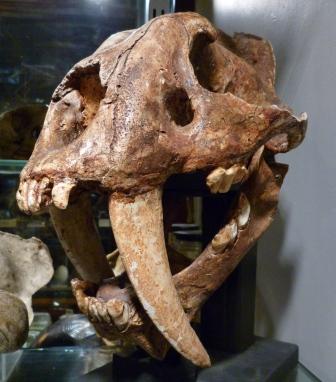
To care for and manage our collections, Freedman explains why it's best to ask each other for help. The smilodon cast LDUCZ-Z2724 at the Grant Museum of Zoology. (C) UCL / Grant Museum of Zoology

To care for and manage our collections, Freedman explains why it’s best to ask each other for help. The Smilodon cast LDUCZ-Z2724 at the Grant Museum of Zoology. (C) UCL / Grant Museum of Zoology

2. Blog: On the Origin of Our Specimens

Emma-Louise Nicholls, Grant Museum of Zoology

Synopsis

In a 12 part series, Nicholls looks at each of the curators that have cared for the collections at the Grant Museum over the last 186 years. Illustrating the series with specimens that can be directly attributed to specific curators, she tells the story of the Museum by demonstrating how each curator added to and steered the development of the collections.

http://blogs.ucl.ac.uk/museums/tag/on-the-origin-of-our-specimens/

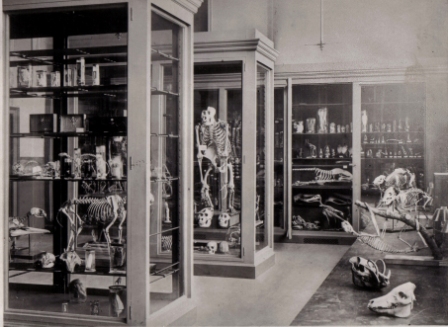
The Grant Museum as it was in the 1880s. (C) UCL / Grant Museum of Zoology

The Grant Museum as it was in the 1880s. (C) UCL / Grant Museum of Zoology

3. Paper: Natural History’s Place in Science and Society

Joshua j. Tewksbury, John G. T. Anderson, Jonathan D. Bakker, Timothy J. Billo, Peter W. Dunwiddie, Martha J. Groom, Stephanie E. Hampton, Steven G. Herman, Douglas J. Levey, Noelle J. Machnicki, Carlos Martínez del Rio, Mary E. Power, Kirsten Rowell, Anne K. Salomon, Liam Stacey, Stephen C. Trombulak and Terry A. Wheeler.

Synopsis

An interesting look at how natural history is of vital importance to a wide range of disciplines. Despite this, it seems that there has been a decline in support for natural history in developed economies. The paper argues that the support should be reinforced as natural history provides a significant benefit to society.

http://bioscience.oxfordjournals.org/content/early/2014/03/23/biosci.biu032.full

Compiled by Emma-Louise Nicholls, NatSCA Blog Editor