
Written by David Gelsthorpe, Curator of Earth Science Collections, The Manchester Museum.
Decolonising museums is in the headlines a lot at the moment and so it should be. I’ve chatted to a few people about this recently and it isn’t very clear what it means, how it relates to natural science collections and how we can start to decolonise our collections, so I thought I’d share my own thoughts.
Much of the discussion in the museum sector has been around ethnography collections with some great work that goes some way to redress our colonial past (including from my own institution Manchester Museum who have returned sacred aboriginal objects). Some ethnography objects are made from bark, fur or ivory, but these materials don’t often form part of the decolonisation debate.
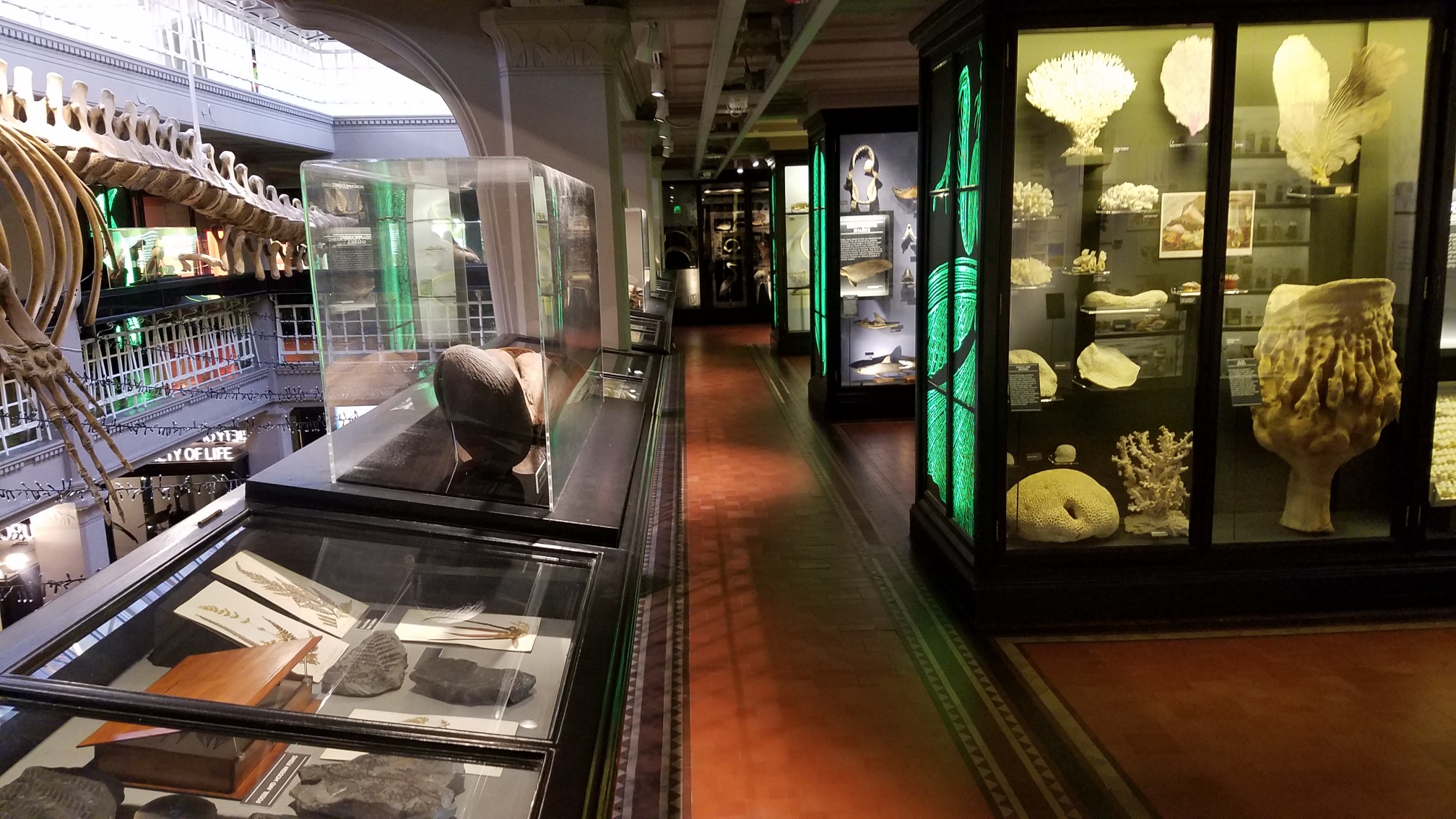
The reality is that many natural history collections, particularly in the western world have a colonial origin. Many objects were traded on slave ships and were an attempt to map and tame the British Empire. Miranda Lowe and Subhadra Das have done some brilliant work to highlight this and the Grant Museum’s new exhibition on their Colonial Histories is a great first step in bringing this to the public.






 NatSCA