Montrose Museum in Angus, northeast Scotland, houses an impressive natural history collection. Everything from taxidermy to fossils to rare minerals are housed in a modest, Greek-revival style museum off the high street. Built in 1842, it is one of the first purpose-built museums in Scotland.
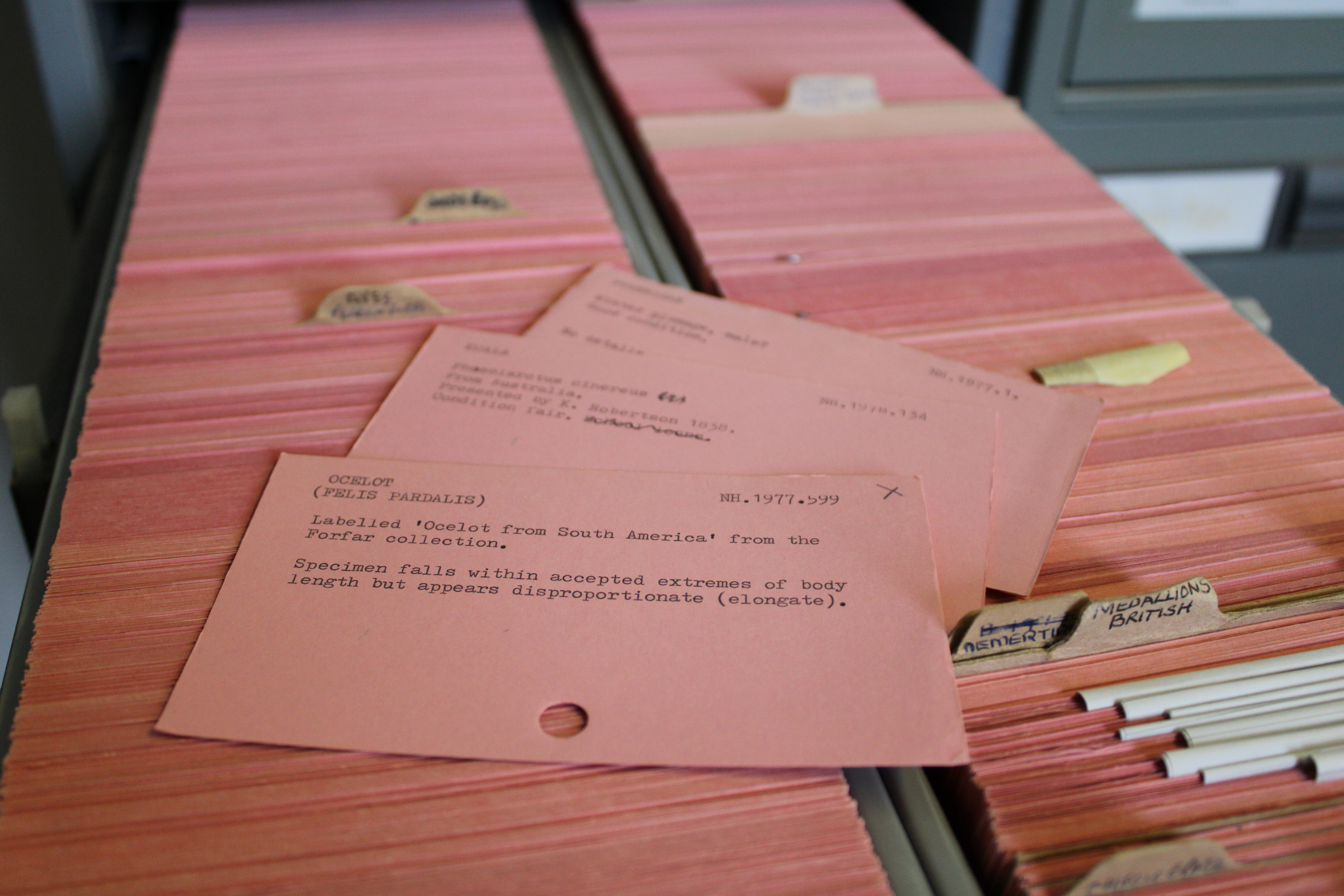
Sadly, due to changing public interest (and the challenging funding situation facing many local authority museums) the collection has been somewhat forgotten since it was catalogued onto neat pink index cards in the late 1970s.
Montrose Museum’s 1970s card catalogue (author’s own photo)
Written by Julian Carter, Principal Conservator Natural Sciences, Amgueddfa Cymru – Museum Wales, Cardiff
During the late 19th century, Leopold Blaschka (1822-1895) and his son Rudolf (1857-1929) produced thousands of beautifully detailed glass models of a wide range of sea creatures, and other animals, for natural history museums and aquaria all over the world. The work has since been hailed as “an artistic marvel in the field of science and a scientific marvel in the field of art”. The work of the Blaschka’s remains remarkably contemporary today, working as they did on the cusp of design, craft, and industry. Crossing the boundaries of science and art, the surviving models today have a value that makes them irreplaceable.
The idea for making lifelike renditions of sea creatures out of glass arose from the difficulty of preserving and displaying soft-bodied animals such as jellyfish, marine worms, and sea anemones. Preserving such animals in a lifelike way is difficult as techniques such as fluid preservation cause colours to quickly fade and shapes to become distorted. Leopold Blaschka devised a solution to this problem by using his glass working skills to accurately model these animals out of glass and other materials available to him and went on to establish a successful business supplying glass models to museums worldwide during the latter half of the 19th century.
The model of the sea anemone Actinia mesembryanthum (right) based on a plate (left) from Phillip Henry Gosse’s Actinologia britannica. A history of the British sea-anemones and corals which Leopold Blaschka used for the early sea anemone models that he built.
Written by Dr Amy Geraghty, Assistant Keeper/Curator of aquatic zoology collections with responsibility for fluid collection management.
The National Museum of Ireland (NMI) Natural History Division (NHD) holds about 2 million specimens in its collection. The collection is ordinarily split between three locations: the museum and two off-site storage buildings. However, at the time of writing, nearly all specimens are in one of the two storage buildings. The museum galleries are being emptied to facilitate investigative works on and the refurbishment of building itself.
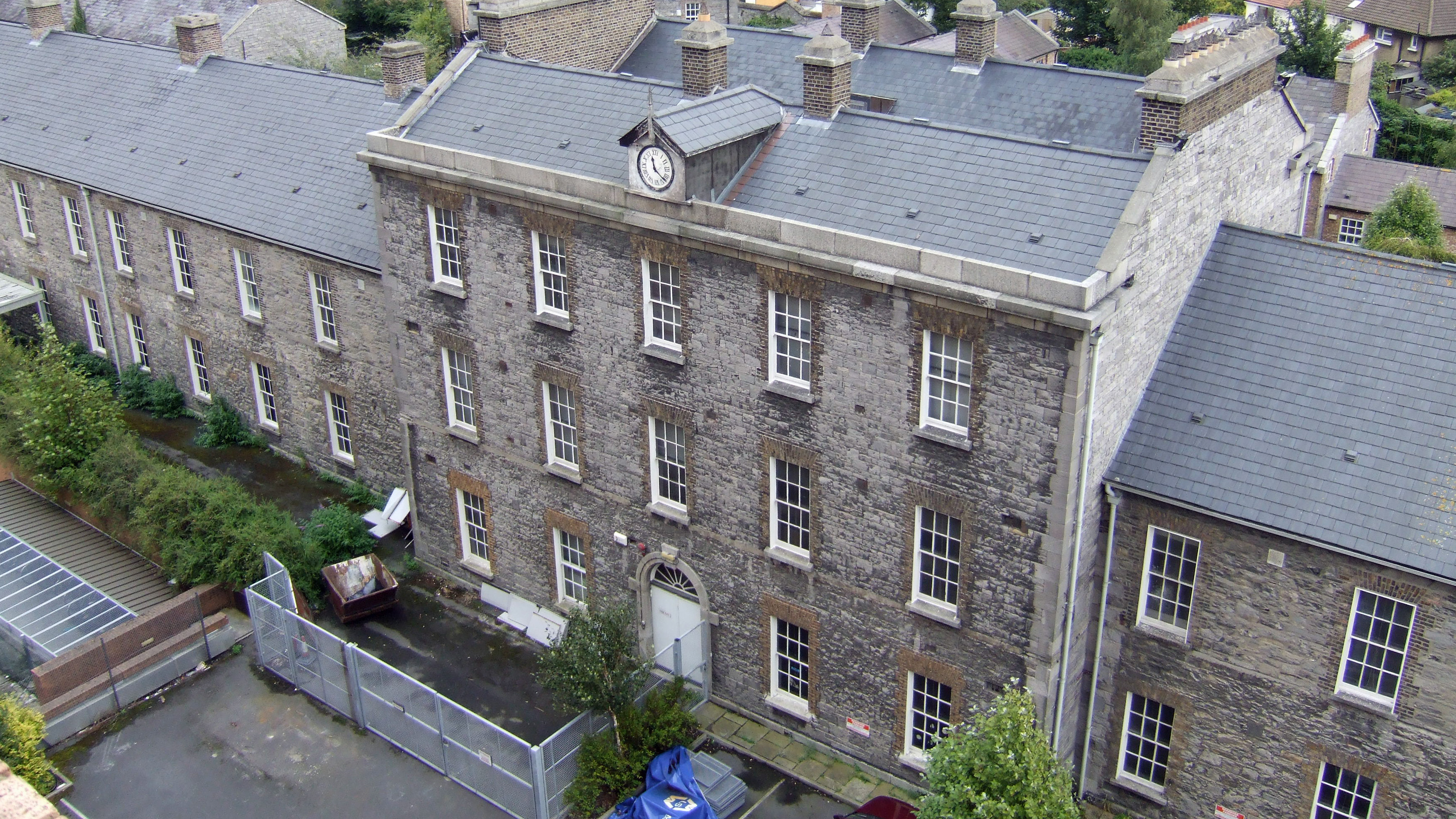
One of the National Museum of Ireland’s two storage buildings in 2006. It is an old British army barracks that now stores the fluid collection, some of the dry zoology, mineralogical and paleontological collections. (Image courtesy of Nigel Monaghan)
One of the storage buildings is a mid-nineteenth century British army barracks that came to NMI in the mid-1990s and now stores NHD collections. Retrofitting the building for collection storage has involved the installation of plasterboard ceilings, internal doors, and security and fire alarm systems. Toilets, telephones, a tearoom, shelving, and internet facilities were later installed in the 2000s.
Written by Lauren Field, Curator of Natural History, Bolton Museum.
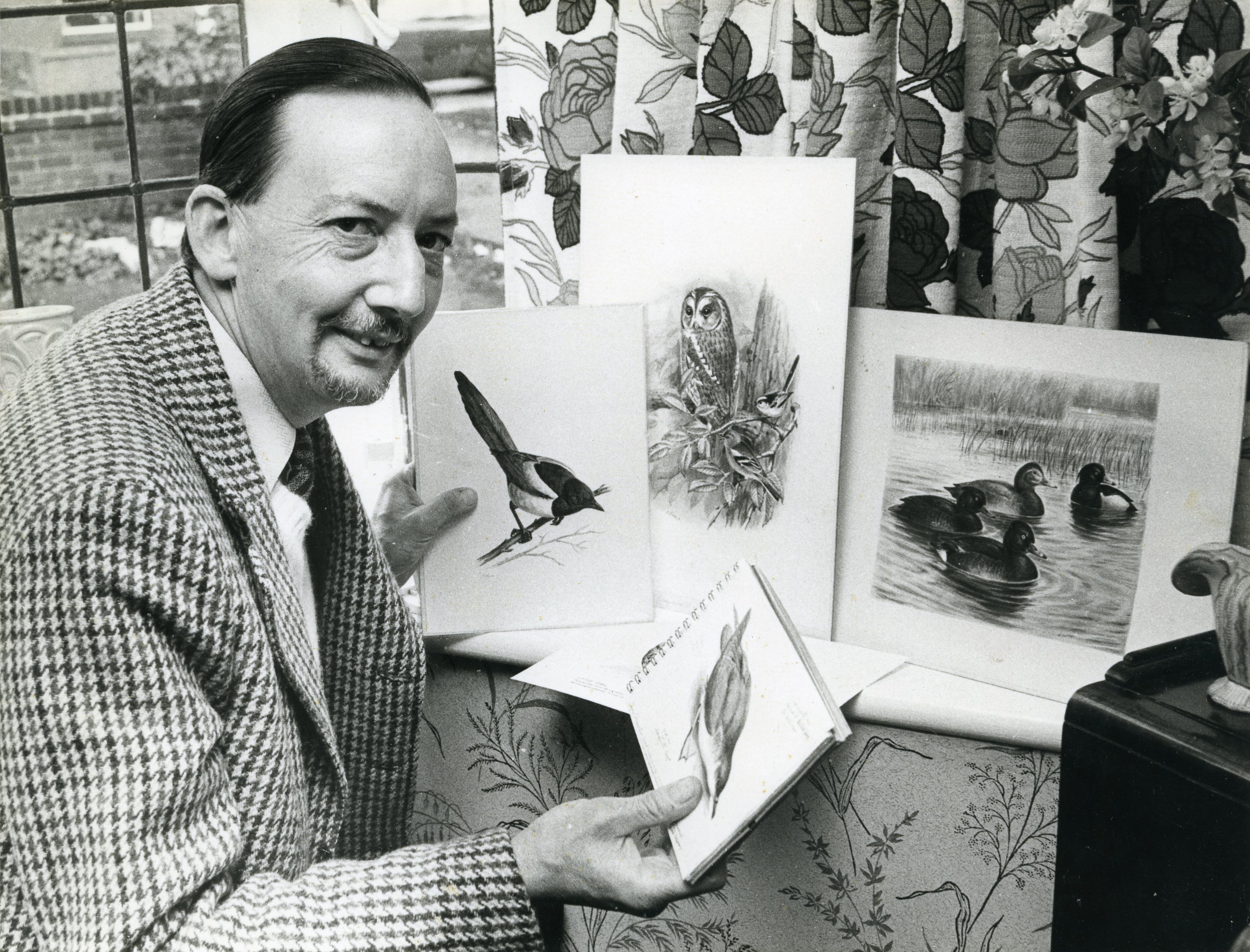
In June 2024 Bolton Museum launched a summer exhibition titled Birds of Bolton. This exhibition celebrated the incredible variety of bird life in Bolton and beyond and was inspired by the recent donation of a large collection of sketchbooks by Bolton-born artist and naturalist Eric Gorton (1929-2001).
Dating from 1947 to 1998, the sketchbooks are the record of a lifelong love of birds and other local wildlife. His drawings capture the rich diversity of Bolton’s bird population – their shapes, colours, how they behave, and where they live. Eric Gorton spent over fifty years filling his sketchbooks with observations of birds in the field.
Gorton worked for Bolton Museum from 1947 to 1976. He worked initially as the museum taxidermist and later as Keeper of Natural History, and he helped to build one of the best collections of bird skins in the country which is still held at the museum today.
The National Herbarium (DBN) at the National Botanic Gardens of Ireland is home to an ever-expanding collection of approximately 600,000 plant and fungal specimens from across Ireland and around the globe. This rich collection spans mainly from the early 1800s to the present day, including specimens gathered from voyages of exploration, ranging from the Americas to Asia. Some of the oldest specimens, dating back to 1661, are over 350 years old. Apart from our herbarium, the other important plant collections on the island of Ireland are held by the Ulster Museum and Trinity College Dublin. This makes the DBN collection invaluable not only as a source of natural heritage but also as a part of Ireland’s cultural legacy.
Herbarium collections are crucial to enhancing our understanding of the natural world. Beyond documenting plant species, these specimens reveal the intricate relationships between plants and their environments and tell the story of botanical discovery over time. The wealth of data gathered from this collection allows us to track historical and geographical changes in flora and helps predict future environmental impacts. Digitising this vast collection is a key step toward preserving these resources for future generations. Digital records not only provide greater access for researchers and the public but also safeguards the physical specimens by minimising handling and potential damage.






 NatSCA