Telling the Truth About Who Really Collected the “Hero Collections”.

Written by Jack Ashby, Assistant Director of the University Museum of Zoology, Cambridge.

One way that museums can decolonise their collections is to celebrate the true diversity of all the people that were ultimately responsible for making them. We often say things like, “This specimen was collected by Darwin”, or whichever famous name put a collection together, when in reality we know that often they weren’t actually the ones who found and caught the animal.

Museums can be rightly proud of their “hero collections” and the famous discoveries represented by them. Acknowledging that they did not work alone does nothing to diminish their accomplishments. We just need to make clear that other people made enormous contributions to their successes, and celebrate them too.

Undeniably, natural history museums have overwhelmingly celebrated dead white men. A major strand of decolonisation work is to show that a greater diversity of people are, in fact, represented in the history of our collections. But in reality, their contributions are rarely documented.

The Malay Teenagers Who Collected Wallace’s Birds

Lately, I’ve been looking at the collection of birds here at the University Museum of Zoology, Cambridge, that Alfred Russel Wallace brought back from his eight-year voyage to the Malay Archipelago. Any museum with Wallace material considers it among their treasures. He co-discovered evolution by natural selection, added mountains of invaluable specimens to museums worldwide, and founded entire scientific disciplines based on his interpretations of what he saw. And he gives a lot of credit to the people of colour who collected much of his material.

Continue reading →

Trials From The Riverbank: Conserving a Taxidermy Otter

Written by Jen Gossman, MSc first year Conservation Practice student at Cardiff University.

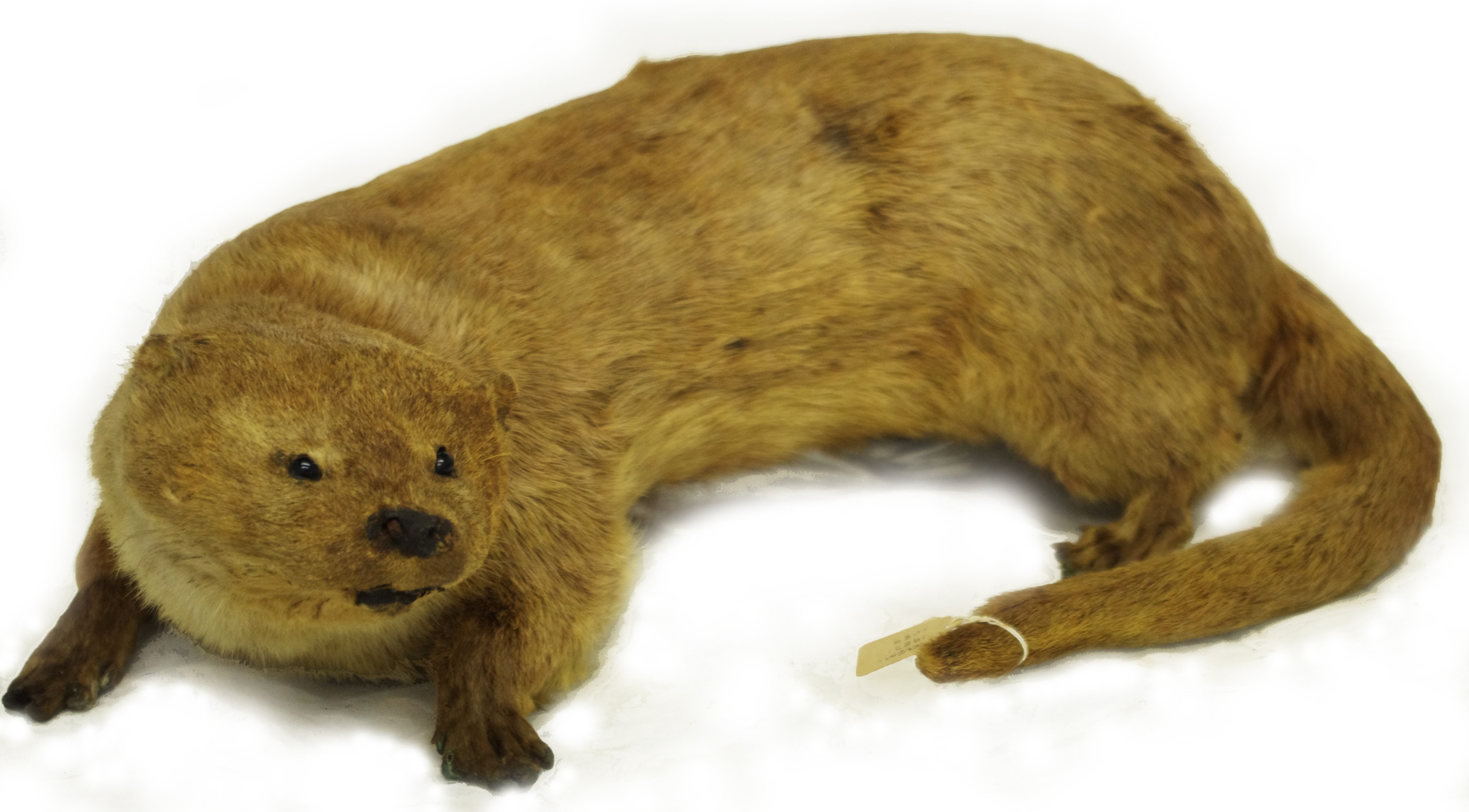
Otter mount © Jen Gossman

I received a mounted taxidermy otter in still life pose without a base from the Tenby museum, Wales where it had been in long term storage wrapped in Tyvek. On initial examination it showed some skin shrinkage and was covered in a thick layer of dirt, grease and dust.

Continue reading →

Natural Connections

This is a modified version of two articles originally published on the Gallery Oldham webpage by Patricia Francis, Natural History Curator, Gallery Oldham. May & June 2020.

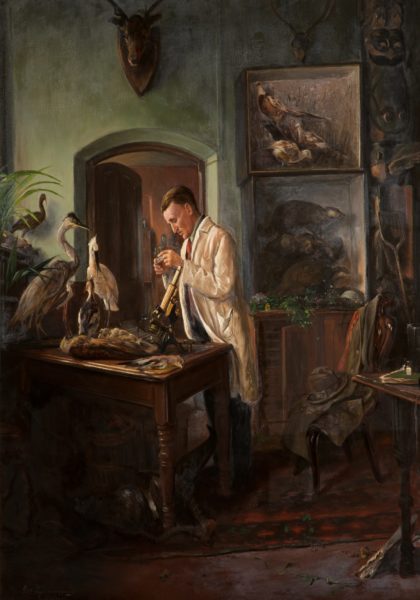
Fred Stubbs shown in The Naturalist by George Henry Wimpenny

This painting reveals a hidden Oldham story. It dates from the 1920s and has always been a great favourite with our visitors. Several years ago it inspired me to look more deeply and investigate, the person, the place and the specimens.

The person is Fredrick J. Stubbs

Fred was born in Liverpool in 1878 and moved with his family to Oldham where he became apprenticed to an upholsterer. He joined the Oldham Microscopical and Natural History Society, his first love being birds. Fred volunteered at the Oldham Municipal Library, Art Gallery and Museum which was long connected with the Natural History Society. When a vacancy arose at Stepney Museum’s Nature Study Centre, he was successful in getting the job and in 1909 left Oldham for London. Completing the booklet, ‘The Birds of Oldham’ in 1910.

Returning to Oldham in April 1919 he became the Deputy Librarian and Curator at the Library and Museum. He became president of the Yorkshire Natural History Society; was a member of the Beautiful Oldham Society and help found the Oldham Society of Artists. He worked at the Library and Museum until his death caused by pneumonia in 1932.

Continue reading →

‘Tahemaa Transformed’ The Conservation of the Mummy Coffin at The Bournemouth Natural Science Society.

Written by Bethany Palumbo, ACR, Founder and Owner of Palumbo Conservation Services on behalf of the Bournemouth Natural Science Society.

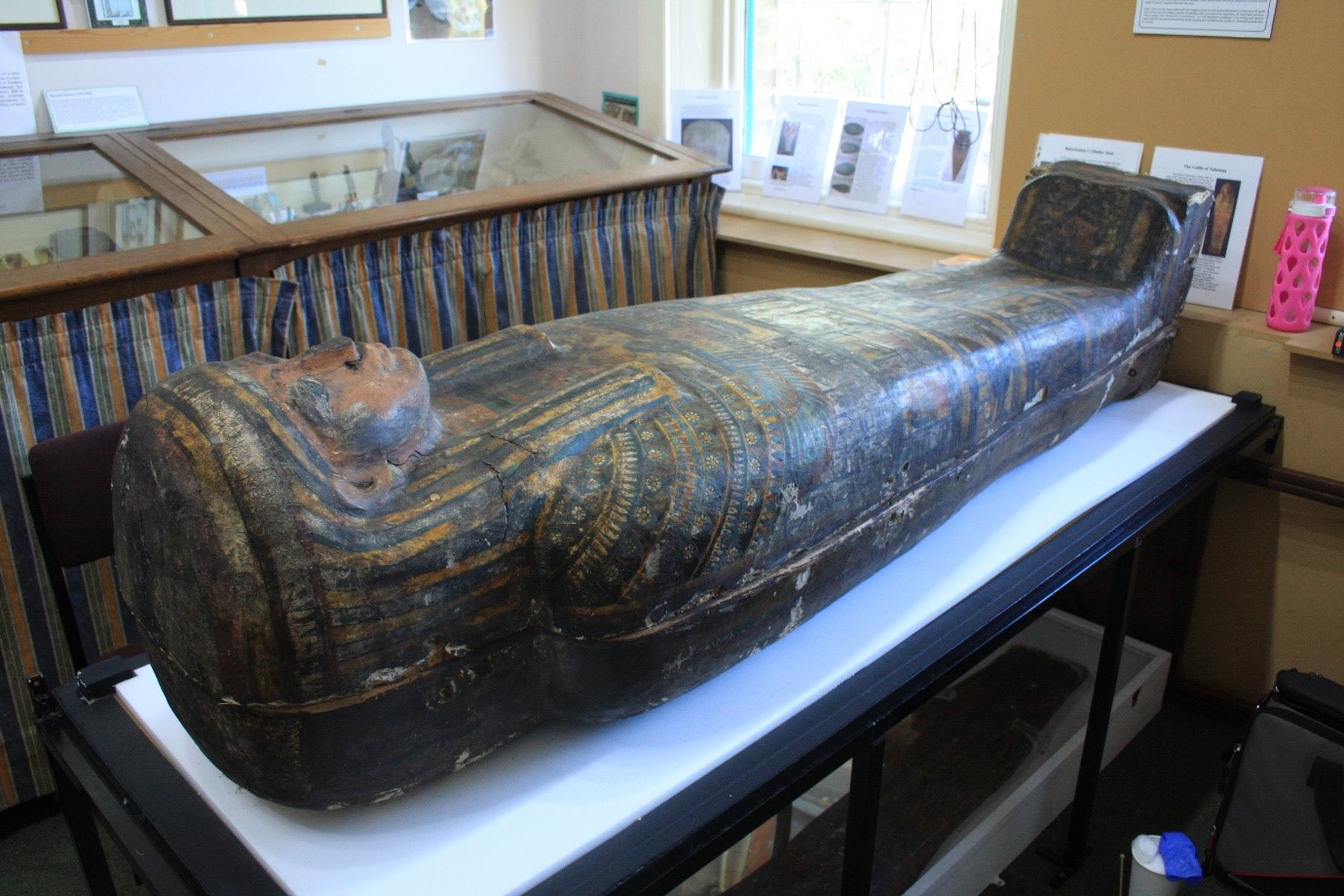
Tahemaa has been a resident of the Bournemouth Natural Science Society since 1922, when she was donated from the Salisbury museum (fig. 1). New research indicates that she arrived in the UK in 1823 from the ancient city of Thebes, now known as Luxor, on the river Nile. Her coffin is dated from 700 BC making her approximately 2700 years old. We know from the hieroglyphics on the side of her coffin that she was the daughter of a Hor a high priest of Montu, the Flacon-God of War. Other than this we know very little about her and her life in Egypt.

Figure 1. Tahemaa the Mummy at the Bournemouth Natural Science Society.

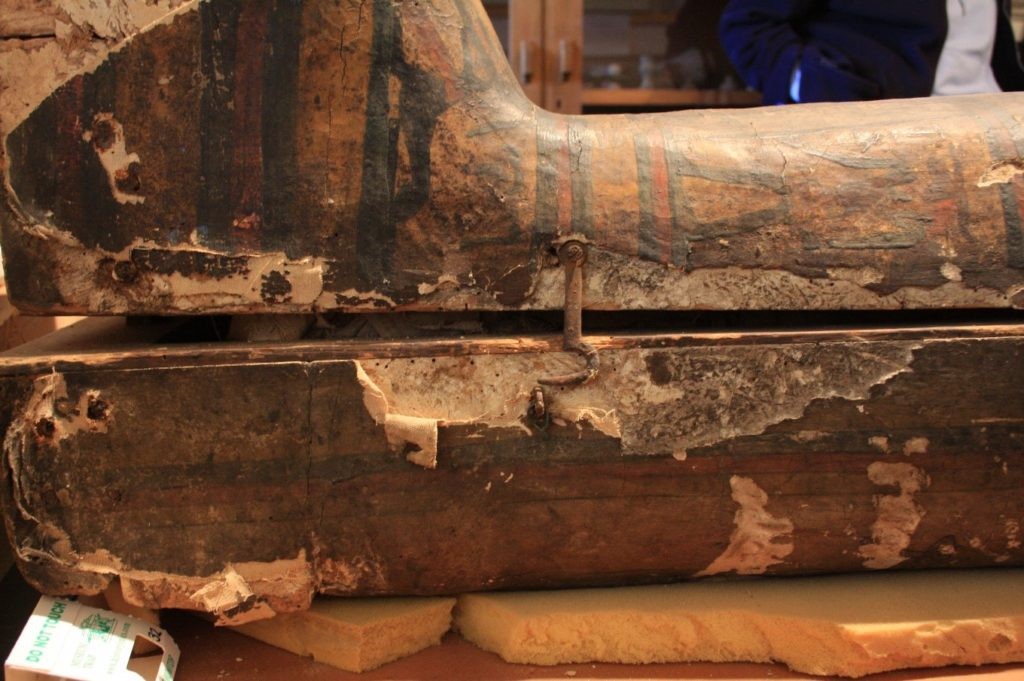
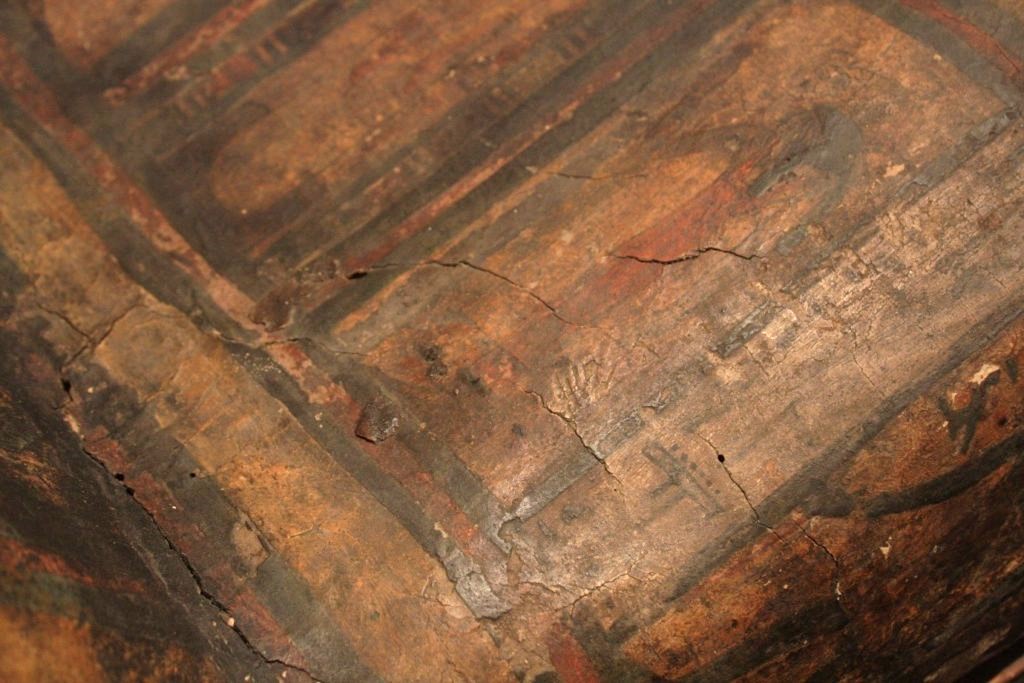
Tahemaa has been at the Society for nearly 100 years but she has spent most of this time locked away from public view. In 1993, the Society decided to put her on permanent display in the Egyptology exhibition. Since then she has been seen by thousands of admirers, however due to her age and fragile condition, she is in need of urgent conservation treatment. Hundreds of years in an unstable environment have caused significant damage to the coffin. The fluctuations have caused the wood, plaster layers and paint to crack and flake. The layers of the coffin have even separated in some areas, lifting away from the wooden frame (fig 2). Many years without a display case has also resulted in a thick layer of dark, engrained dirt concealing the original colours of her decorative paintwork (fig 3).

Figure 2. Layers of the coffin structure peeling away.

Figure 3. Original colours are darkened with the build-up of surface dirt.

Continue reading →

Collecting with Lao Chao [Zhao Chengzhang]: Decolonising the Collecting Trips of George Forrest

Written by Yvette Harvey, Keeper of the Herbarium, Royal Horticultural Society, RHS Garden Wisley.

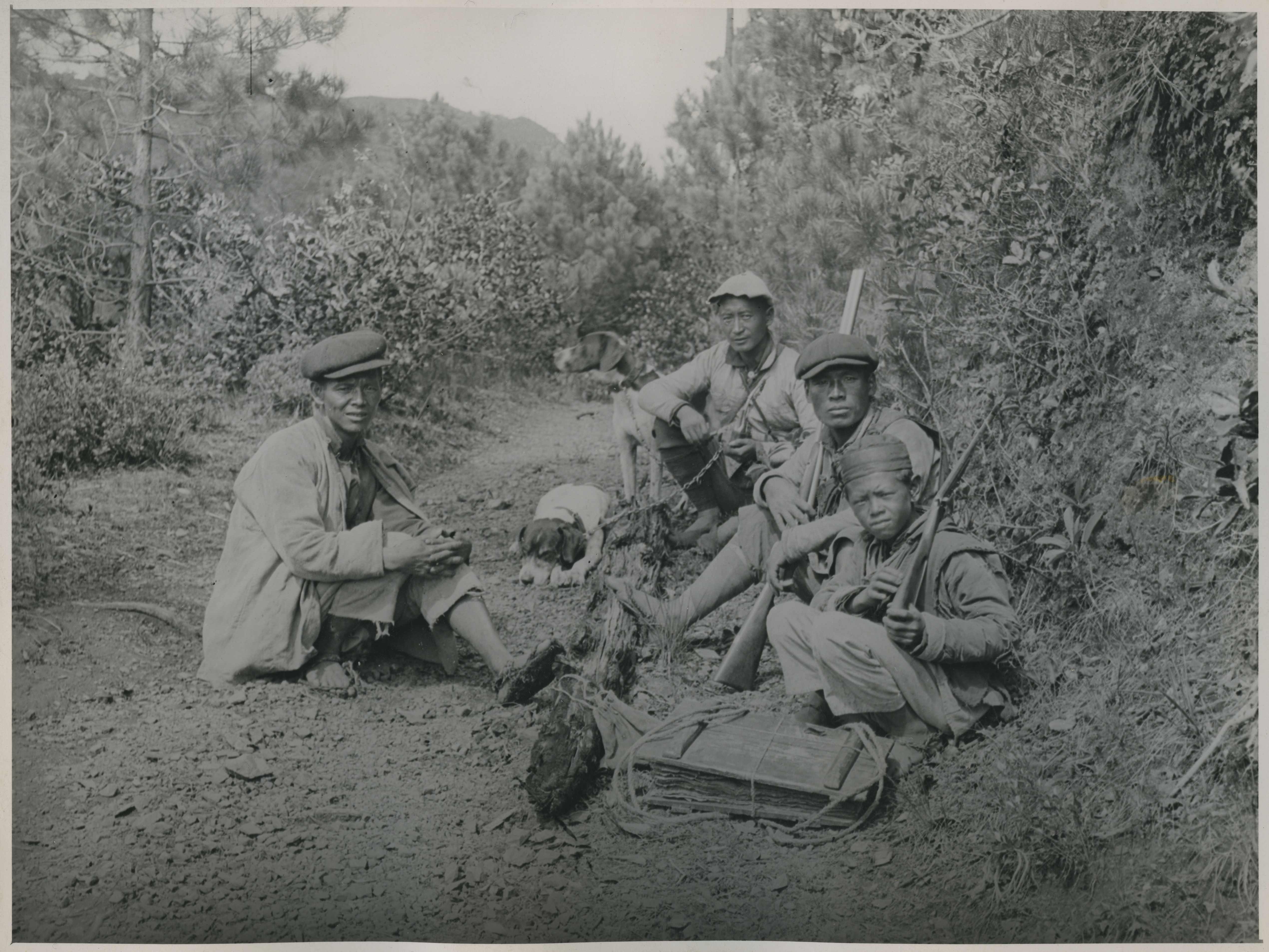
Lao Chao (left) and team. McLean (2004: 193) wrote that Forrest called Lao Chao his ‘best card in this business’ © The Royal Horticultural Society and Royal Botanic Garden Edinburgh

This is the essence of a talk that was recently presented at the virtual conference of the US based Society for the Preservation of Natural History Collections (SPNHC). Inspired by Das & Lowe in their 2017 NatSCA conference talk and subsequent paper (2018), in a similar way mentioned by Machin (2020) in her recent blog, I have started looking at stories by and about some of our revered plant collectors, or rather, hunting for small clues about their escapades from the perspective of others on their teams. This is with the aim of decolonising narratives for present and future interpretation, having finally opened my eyes and realised that current interpretation for living collections can fall way short of acknowledging what really happened and where credit should lie. And being mindful of different concepts of decolonisation, discussed by Gelsthorpe (2020) in an earlier blog.

For years, the curators of museums and living collections, and their visitors have been programmed to respond to and expect talks of the grand, death-defying adventures of our collectors – so much so that we appear to have closed our minds to the realities and injustices of what really happened on expeditions.

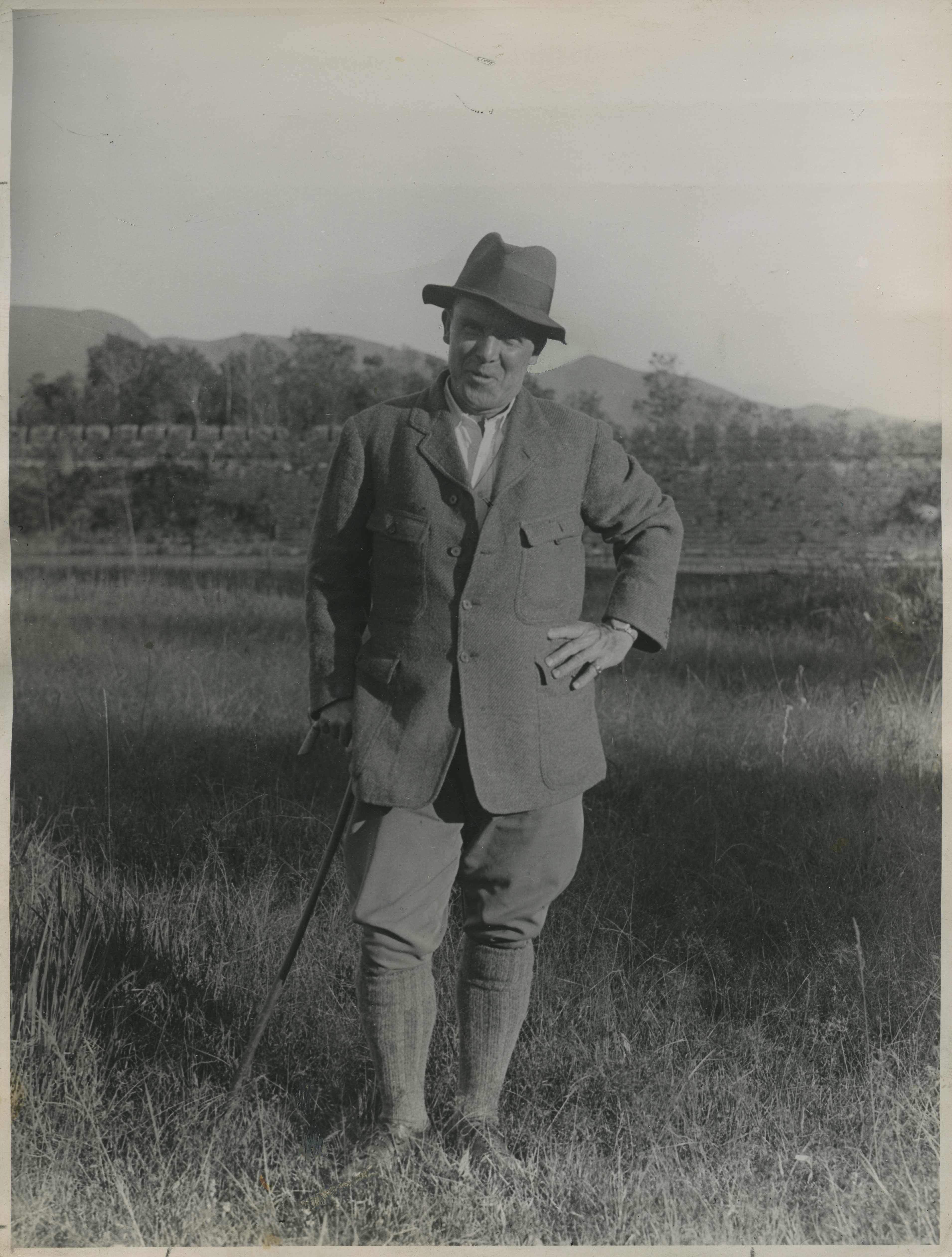
George Forrest © The Royal Horticultural Society and Royal Botanic Garden Edinburgh

The main focus here is on George Forrest, born in 1873, the Scottish plant collector whose collections still have a huge impact on what is grown in our gardens today. Son of a draper’s shop assistant, Forrest had an interesting earlier career after leaving school at 18 – he worked in a pharmaceutical chemists prior to getting a small inheritance that gave him the opportunity to travel to Australia where he undertook a few jobs including sheep shearing and gold-mining (McLean 2004). On his return to the UK, through a serendipitous stroke of luck in discovering a rare archaeological find whilst out botanising, he landed a job as an assistant in the herbarium of the Royal Botanic Garden Edinburgh in 1903 – gaining curatorial skills and insights necessary to make him an ideal plant collector in the field.

Continue reading →