Creating a New Diorama at the Booth Museum of Natural History

Editors note: This is the second of two concurrent blogs about the new diorama at the Booth Museum. Click here to read the first and find out more about how the diorama was created.

Written by Su Hepburn, Head of Learning & Engagement, Brighton & Hove Museums.
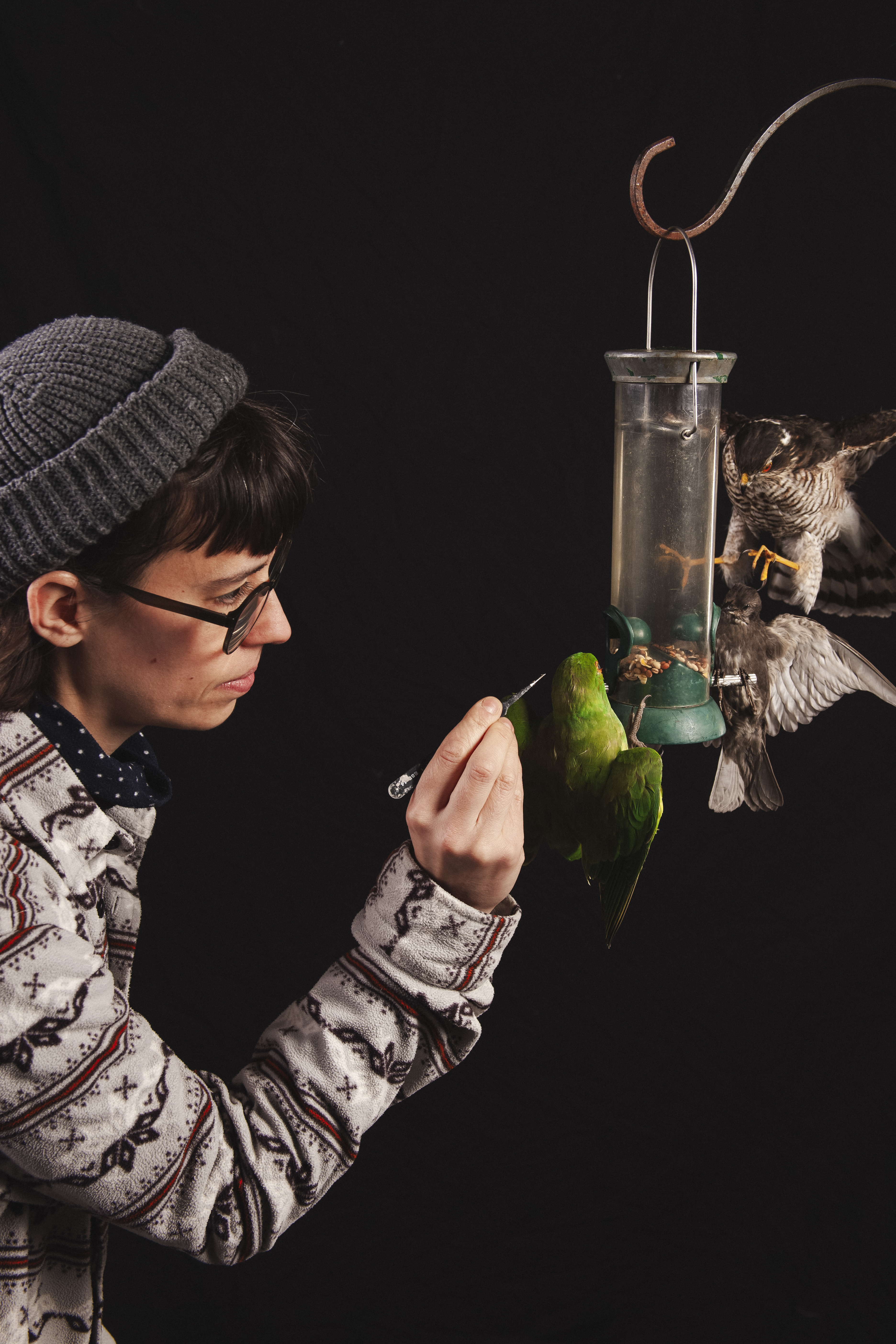
Jazmine Miles-Long, Taxidermist © Laurence Dean Photography

Why a new diorama?

In the autumn of 2022, we started our ‘Discover our Dioramas’ project at the Booth Museum of Natural History, part of Brighton & Hove Museums. Funded by an Esmée Fairbairn Collections Fund of £50,000 we set about building the first natural history diorama at the museum in 92 years. This was a significant project for a museum whose Victorian creator Edward Booth had lined every wall with dioramas of birds. Dioramas are an ideal way of storytelling. They are visual and can get a lot of key information to audiences without the need for words.

Alongside this we were also given £3000 from Rampion Windfarms to research and display more information about people especially women involved in the museum’s history. 

These projects gave us the time and space to be playful and to make friends. To impact on our audiences, our staff, our collections, and our future practices. It has brought joy to the museum, visitor and staff alike. 

Continue reading
Creating a New Diorama for The Booth Museum of Natural History – Taxidermy, Silk flowers and Wax Slugs.

Editors note: This is the first of two concurrent blogs about the new diorama at the Booth Museum, you can read the second one here.

Written by Jazmine Miles Long, Taxidermist. https://www.jazminemileslong.com, Twitter: @TaxidermyLondon; Instagram: @Jazmine_miles_long

The Booth Museum of Natural History was founded in 1874 by naturalist and collector, Edward Thomas Booth. Mr Booth collected a huge variety of British birds and was a pioneer of the taxidermy ‘diorama’, displaying birds in their natural habitat. His collection of over 300 detailed cases were donated to the city of Brighton in 1891 with the proviso the dioramas would not be changed. In 1971 the Booth became a Museum of Natural History. Today alongside the dioramas the museum has a huge collection of 525,000 insects, 50,000 minerals and rocks, 30,000 plants and 5,000 microscopic slides.

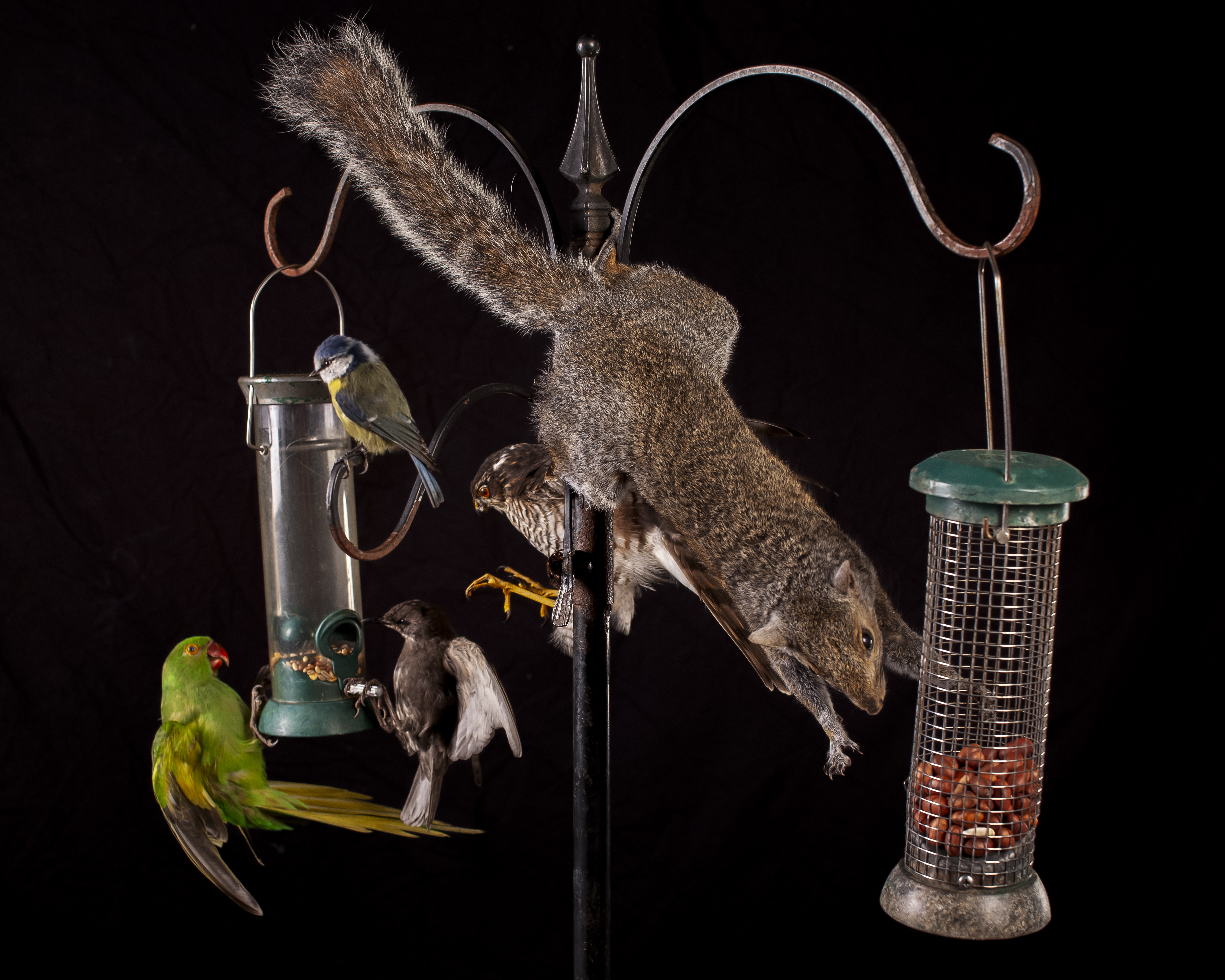
Life in the Garden. Image credit: Laurence Dean.
Continue reading

NatSCA Digital Digest – August

Compiled by Ellie Clark, Collections Move Team Leader at the Natural History Museum

Welcome to the August edition of NatSCA Digital Digest.

A monthly blog series featuring the latest on where to go, what to see and do in the natural history sector including jobs, exhibitions, conferences, and training opportunities. We are keen to hear from you if you have any top tips and recommendations for our next Digest, please drop an email to blog@natsca.org.

Sector News

Registration is now open for the 13th European Bird Curators Meeting, October 2024, in Liverpool.

The European Bird Curators Meetings aim to promote cooperation, dissemination of best practices and new techniques in the curation, management, and use of bird collections. Presenters in the scientific programme often include curators, collection managers, museum historians and ornithological researchers. These are friendly meetings and anyone with an interest is welcome to join us.

The meeting will include plenary and submitted presentations, discussion sessions, collections tour, conference dinner (optional – Tuesday 29th October) and field excursion (optional – Thursday 31st October). 

Please follow the ‘Tickets available here’ link from the event webpage to register. They have single day registration options and have kept costs as low as possible to encourage attendance by local natural history curators. 

If you have any questions, please email vertebratezoology@liverpoolmuseums.org.uk.

Continue reading

NatSCA Digital Digest – July 2024

Compiled by Milo Phillips, Digitisation Coordinator at the Royal Botanic Garden Edinburgh.

Welcome to the July edition of the NatSCA Digital Digest.

A monthly blog series featuring the latest on where to go, what to see and do in the natural history sector including jobs, exhibitions, conferences, and training opportunities. We are keen to hear from you if you have any top tips and recommendations for our next Digest, please drop an email to blog@natsca.org.

Sector News

SPPC Registration and Call for Abstracts

Registration for the Symposium on Palaeontological Preparation and Conservation is now open!

The deadline for abstract submission is July 31st and, the symposium will be run in a hybrid format. Afternoon tours of the university archaeological laboratories will also be available.

For more information on SPPC and to see past abstracts and posters, please visit their website.

Call for Papers – Book of Nature, Nature of Books: Practices of Female Botanists

The research centres TIL (Université de Bourgogne) and EMMA (Université Paul-Valéry Montpellier 3) are organizing a bilingual, international, interdisciplinary conference on the role of women in the development of botany as part of visual, manuscript and print cultures, from the Middle Ages to the contemporary period.

Discussions will focus on the history of natural sciences, print culture, book history, illustration studies, gender studies, plant studies and ecocriticism and the organisers welcome papers on a wide range of case studies, from archives and museum collections to the garden itself.

Please send a 300-word abstract and a biobibliography (in English or French) before 31 October 2024 to the following address: bookofnature2025@gmail.com

The full details can be found here.

Continue reading

NatSCA Digital Digest – June 2024

Compiled by Olivia Beavers, Assistant Curator of Vertebrate Zoology at World Museum, National Museums Liverpool.

Welcome to the June edition of NatSCA Digital Digest.

A monthly blog series featuring the latest on where to go, what to see and do in the natural history sector including jobs, exhibitions, conferences, and training opportunities. We are keen to hear from you if you have any top tips and recommendations for our next Digest, please drop an email to blog@natsca.org.

Sector News

From Collections to Connections, May – November 2024

This Changing Chalk commission/ Natural Trust funded project is a collaborative archival art and environment initiative. Artist Pauline Rutter invites Black and minoritised young people, their families and communities to explore the rich history of flora and fauna across several locations of the Changing Chalk area within the South Downs National Park.

‘From Collections to Connections’ offers opportunities for learning and sharing about collections held at the Booth Museum which relate to the Sussex locations of Mill Hill, Truleigh Hill and Devils Dyke. Through walks, talks and creative interventions, opportunities are provided for exploring the museum collections and their related histories. Individuals will be invited to find their own connections between these elements and their experiences within the natural and museum environments. To find out more, follow this link to the summary outline: https://drive.google.com/file/d/1cJQh4UYMTeRB_HqsM7EydOmNBLGKYQpb/view

Continue reading