NatSCA Digital Digest – October 2025

Compiled by Milo Phillips, Digitisation Co-ordinator at the Royal Botanic Garden Edinburgh.

Welcome to the October edition of NatSCA Digital Digest.

A monthly blog series featuring the latest on where to go, what to see and do in the natural history sector including jobs, exhibitions, conferences, and training opportunities. We are keen to hear from you if you have any top tips and recommendations for our next Digest, please drop an email to blog@natsca.org.

Sector News

GCG Winter Seminar in Hastings – Registration Open Now

While the call for abstracts has now closed, you can still register to join the Geological Collections Group in December at Hastings Museum & Art Gallery for their 2025 Winter Seminar and Annual General Meeting. The Seminar and AGM will be held at the Museum on December 10th and will be followed by a field trip to the coast in the Pett Level – Fairlight area on December 11th.

For registration forms and details about the talks of the day, guidance on what to expect during the field trip, and directions for finding your ways to all of the above, visit their website here.

Continue reading

NatSCA Digital Digest – August 2025

Compiled by Ellie Clark, Collections Moves Team Leader at the Natural History Museum.

Welcome to the August edition of NatSCA Digital Digest.

Digital Digest is a monthly blog series featuring the latest on where to go, what to see and do in the natural history sector including jobs, exhibitions, conferences, and training opportunities. We are keen to hear from you if you have any top tips and recommendations for our next Digest, please drop an email to blog@natsca.org.

Sector News

Transmitting Science Upcoming Online Courses

Registration is open for a number of online training courses over at Transmitting Science. Upcoming courses include Naturalistic & Scientific Illustration, An Introduction to R, Finite Element Analysis Applied to Life Sciences and Python Machine Learning in Biology.

For a full list of courses, details on timetables, course structure, pricings, academic credits, and registration can be found on the courses open for registration page here.

Continue reading

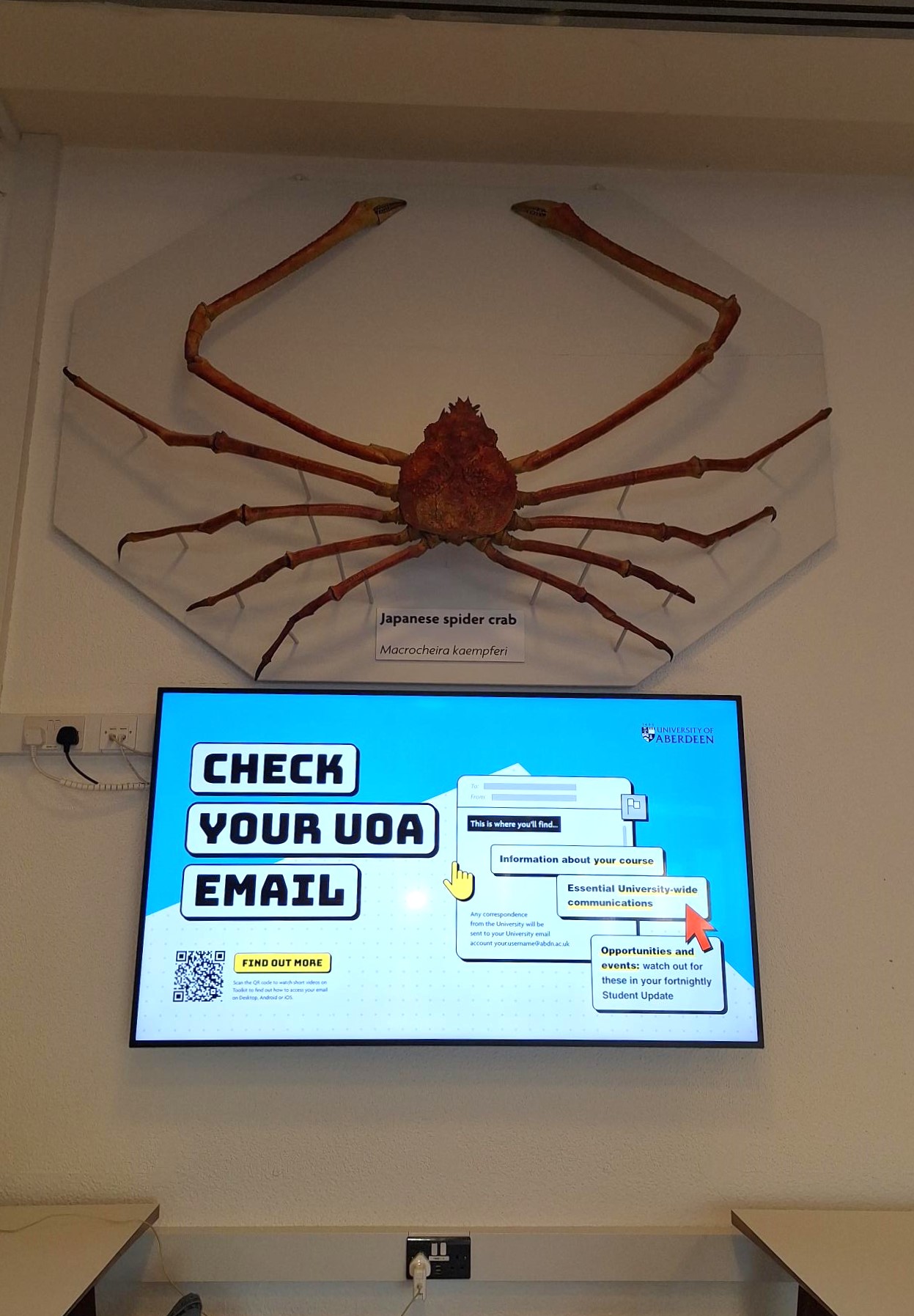
Moving a ‘Monster’ – the Ups and Downs of Exhibiting a Japanese Spider Crab

Written by Hannah Clarke – Assistant Curator (Collections Access), University of Aberdeen.

In May this year, I was given the slightly terrifying task of overseeing the removal and transportation of Aberdeen University’s much-loved Japanese Spider Crab (Macrocheira kaempferi) specimen. The crab, who is usually proudly displayed in the foyer of the University’s Zoology Building, had been requested for loan by Aberdeen Art Gallery & Museums, for their exciting new exhibition ‘Monsters of the Deep.’

The crab had previously been removed during renovation work in 2019, without hiccup, so recalling how ‘straightforward’ this had been last time, I was confident that we could get the crab removed, cleaned, packed, and ready for transport in just under three days.

Continue reading

NatSCA Digital Digest – July 2025

Compiled by Milo Phillips, Digitisation Co-ordinator at the Royal Botanic Garden Edinburgh.

Welcome to the July edition of NatSCA Digital Digest.

A monthly blog series featuring the latest on where to go, what to see and do in the natural history sector including jobs, exhibitions, conferences, and training opportunities. We are keen to hear from you if you have any top tips and recommendations for our next Digest, please drop an email to blog@natsca.org.

Sector News

Geological Collections Group – Dinosaur trackways field workshop

There is still time to register for the GCG Dinosaur Trackways field workshop, happening later this month on the 24th July.

This one-day field workshop will teach participants how to clean out large sauropod footprints and, take measurements of both isolated prints and entire trackways. This is a practical field workshop, with hands on experience of working with dinosaur trackways. For this reason, participants must be able to move across uneven ground unaided.

Continue reading

Planet Ocean: Using Local Collections to Celebrate Global Climate Action

Written by Sarah Marden, Curator of Natural History at The Box, Plymouth.

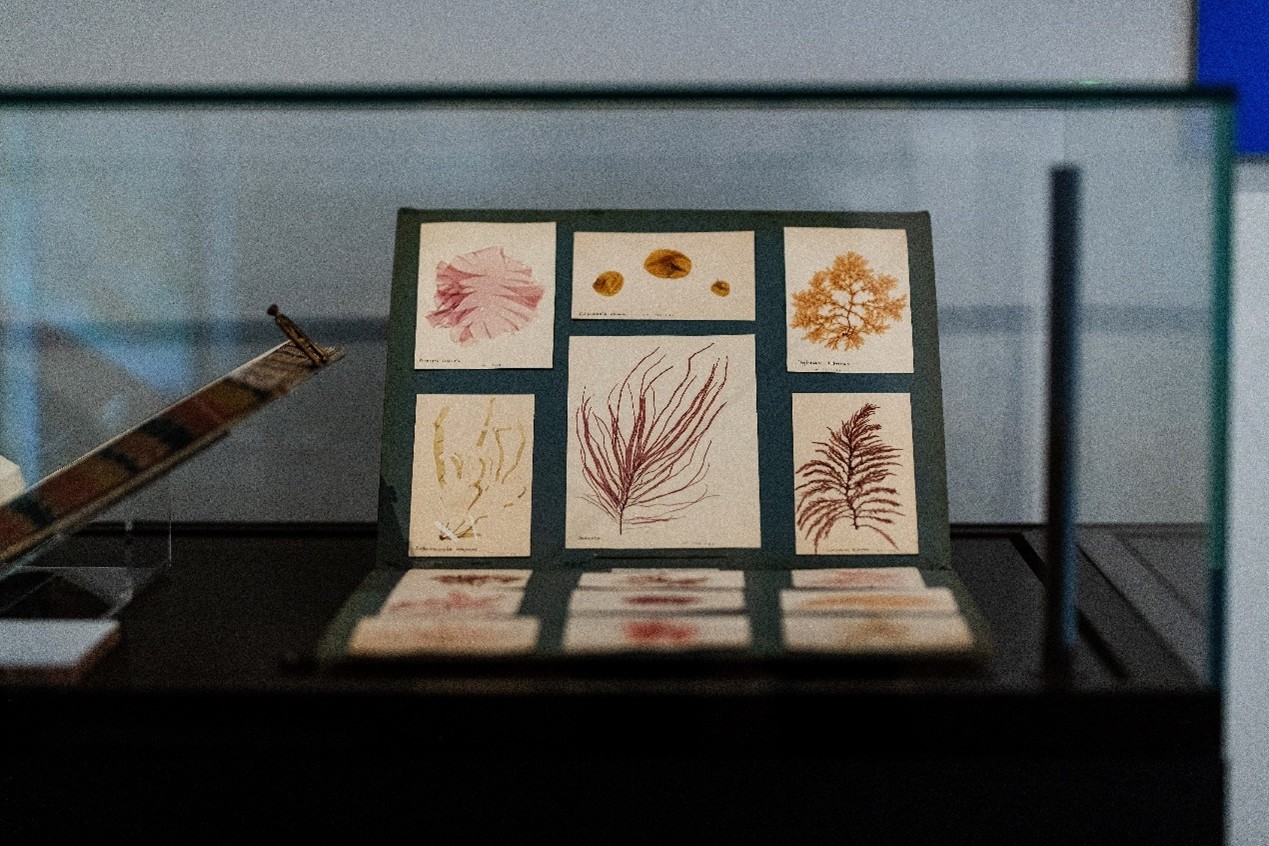
From March 2024 to April 2025, a new exhibition at The Box called Planet Ocean explored Plymouth’s marine heritage and contemporary identity as “Britain’s Ocean City”. Specimens from our natural history collections, including spirit-preserved marine invertebrates, molluscs, corals, mounted sea birds and seaweed folios were displayed alongside art, world cultures collections, image and film and loan material from local partners.

Flowers of the Sea folio by Emily Johns, © Dom Moore

Taking inspiration from science fiction writer and undersea explorer Arthur C Clarke who said “how inappropriate to call this planet Earth when it is clearly ocean”, we explored why the ocean is so important- the fact that we literally couldn’t survive without it as it gives us around half the oxygen we breathe, but also that it sustains and supports us locally with food, jobs, leisure, health and wellbeing. Alongside this quote, the entrance wall of the exhibition featured a moving graphic created collaboratively with Plymouth Marine Laboratory. It used one of the oldest datasets in existence of changing ocean temperatures recorded in Plymouth Sound. This data was input into a globe representing our ocean planet that changed and distorted according to the human impact of climate change over time. This was the first example of science meeting art and partnerships that we developed throughout the exhibition.

Continue reading