Mary De La Beche: Lady Lepidopterist

Written by Kanchi Mehta, 2nd year BSc student, Swansea University, whilst on placement at National Museum Cardiff and Swansea Museum.

Born in Swansea in June 1839, the young Mary grew up in a house where she had every freedom. Taught in politics, photography, languages, art and science, young Mary was a smart, outspoken, and opinionated girl. As she grew up, she learnt from her father, Lewis Llewelyn Dillwyn, in the forests and beaches around Swansea. Over the years, she took a particular interest in the biology around her family home and kept that interest throughout her life.

She married in Sketty Church to John Cole Nicholl in 1860. He shared her adoration for the outdoors and over the course of their honeymoon the couple went all over Europe seeing the sights, scaling every mountain they could and documenting it all in their diaries. Mary alone filled roughly six diaries with her thoughts on the nature she saw, the people she met and the languages she learnt all accompanied by her sketches. By the Christmas of 1860, the pair made it home with two puppies in tow, brought for Mary by John, and a baby on the way.
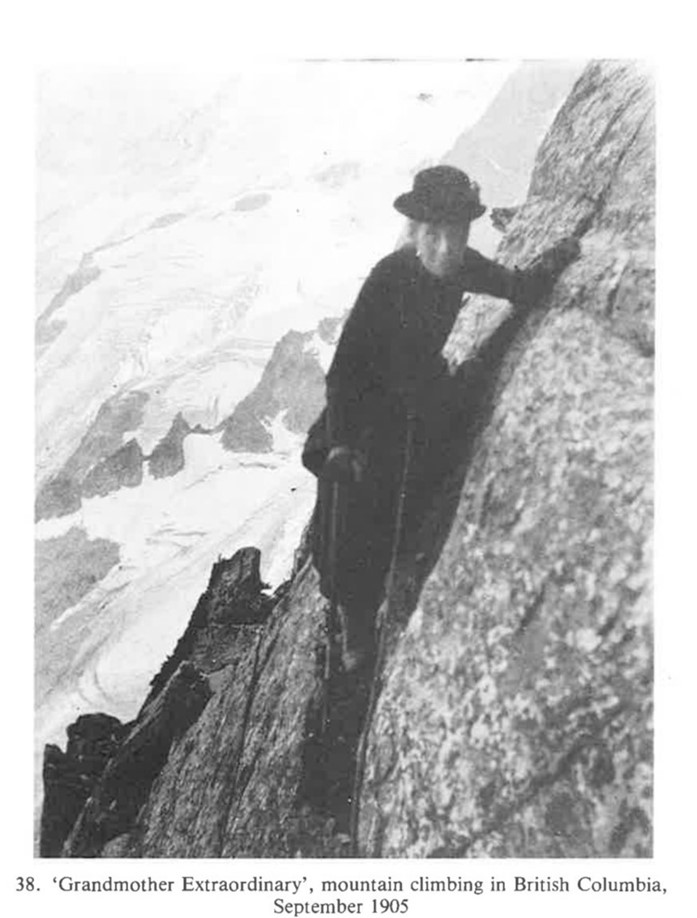
© Grandmother Extraordinary by Hilary M. Thomas
Continue reading

NatSCA Digital Digest – October

Compiled by Dr Emma Nicholls, Deputy Keeper of Natural History at the Horniman Museum and Gardens.

What Should I Read?

You may or may not own/have heard of ‘Dinosaurs, How They Lived and Evolved‘ by Dr Darren Naish and Dr Paul Barrett, but either way the good news is there’s now a literally-just-released-second-edition, which is the most up to date a (printed) book can possibly be really. There is a lot of talk about it already but my tuppence is- I have a copy and it’s brilliant. That description fully extends to the captivating cover art by Bob Nicholls of Paleocreations, featuring a hungry Tianyulong (that’s a dinosaur, in case you weren’t sure).

I came across a charming article about getting children into natural sciences recently called ‘Kids and caterpillars: Fostering a child’s interest in nature by rearing Lepidoptera (moth and butterfly) larvae‘. I’m not suggesting we all go out and start rearing leps, but in an age where human lives are ruled by technology, it’s a beautiful story and heart warming example of an intra-familial cross-generational citizen science project by an Assistant Curator at the Carnegie Museum of Natural History and his son.

Continue reading