Conservation Matters in Wales – Christmas Conference 2023

Written by Sebastien Lherondel-Davies, 2nd year BSc student, Swansea University, whilst on placement at National Museum Cardiff and Swansea Museum.

On Wednesday 13th December 2023, conservators and curators from all over Wales gathered in Swansea for the first in-person Conservation Matters Wales Christmas Conference since the pandemic. Conservation Matters Wales is a collaboration between Amgueddfa Cymru – National Museum Wales, the Federation of Museums and Art Galleries in Wales, and Cardiff University. The event, hosted by the delightful Swansea Museum, was an opportunity for professionals in the museum collections conservation sector to come together and share the wide range of projects they have been working on. The conference provided us with the chance to present our research project on a historic Lepidoptera collection. 
Swansea Museum
Continue reading

Dropping a Pin on the Salter Collection

Written by George Seddon-Roberts, PhD Student, John Innes Centre, work completed whilst on placement as a Curatorial Intern at Amgueddfa Cymru – Museum Wales.

When accessing an entomology collection, there are a few things that a researcher can expect to find. Each specimen should be pinned with labels describing its species and information about where it was collected – two valuable pieces of information which can help researchers to trace the specimen’s origin geographically and in time. Knowing where and when a specimen was collected can help researchers better understand the historical landscape and ecology and make predictions into the future. However, when collections receive specimens from private collectors, this standard of labelling might not be met. As part of a 3-month internship at Amgueddfa Cymru – Museum Wales, I aimed to transform one such collection.

The collection in context 

John Henry Salter (1862-1942) was an academic and naturalist, who spent much of his life as a lecturer at University College of Wales in Aberystwyth, where he would later be appointed as the first Professor of Botany. Outside of academia, Salter was a prolific collector of insects across several groups, most notably including coleoptera (beetles) and lepidoptera (butterflies and moths). Salter’s collection contains specimens from across Wales, as well as England, Tenerife and south-east France; regions where he spent time during his retirement. The specimens, which amount to over 15,000 individuals, were meticulously recorded in field logs by Salter, which were also donated to the museum with the collection.  

Continue reading

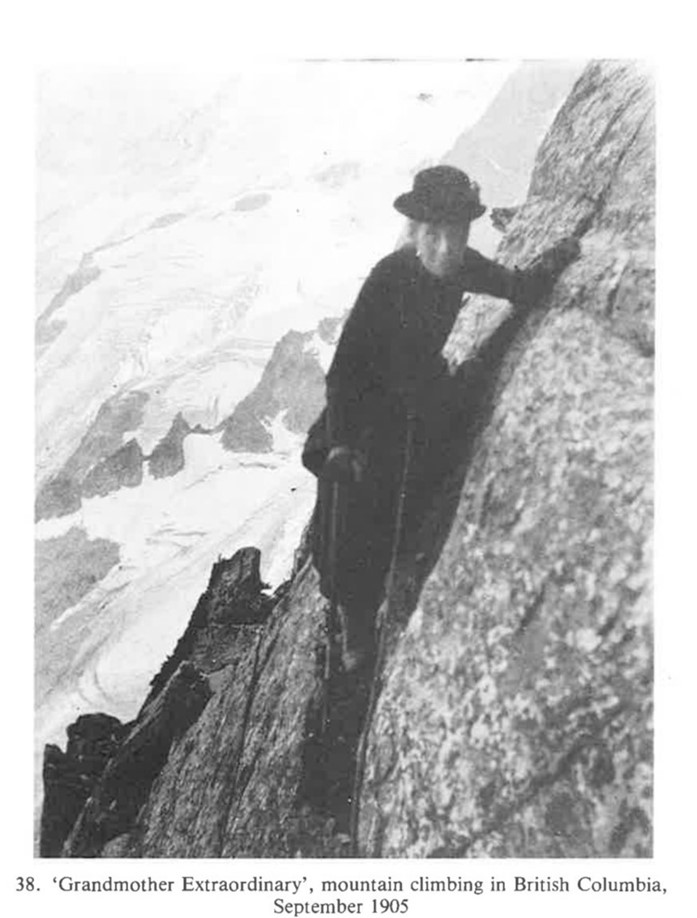
Mary De La Beche: Lady Lepidopterist

Written by Kanchi Mehta, 2nd year BSc student, Swansea University, whilst on placement at National Museum Cardiff and Swansea Museum.

Born in Swansea in June 1839, the young Mary grew up in a house where she had every freedom. Taught in politics, photography, languages, art and science, young Mary was a smart, outspoken, and opinionated girl. As she grew up, she learnt from her father, Lewis Llewelyn Dillwyn, in the forests and beaches around Swansea. Over the years, she took a particular interest in the biology around her family home and kept that interest throughout her life.

She married in Sketty Church to John Cole Nicholl in 1860. He shared her adoration for the outdoors and over the course of their honeymoon the couple went all over Europe seeing the sights, scaling every mountain they could and documenting it all in their diaries. Mary alone filled roughly six diaries with her thoughts on the nature she saw, the people she met and the languages she learnt all accompanied by her sketches. By the Christmas of 1860, the pair made it home with two puppies in tow, brought for Mary by John, and a baby on the way.

© Grandmother Extraordinary by Hilary M. Thomas
Continue reading

Discovering Treasures in the Depths of the Dagnall.

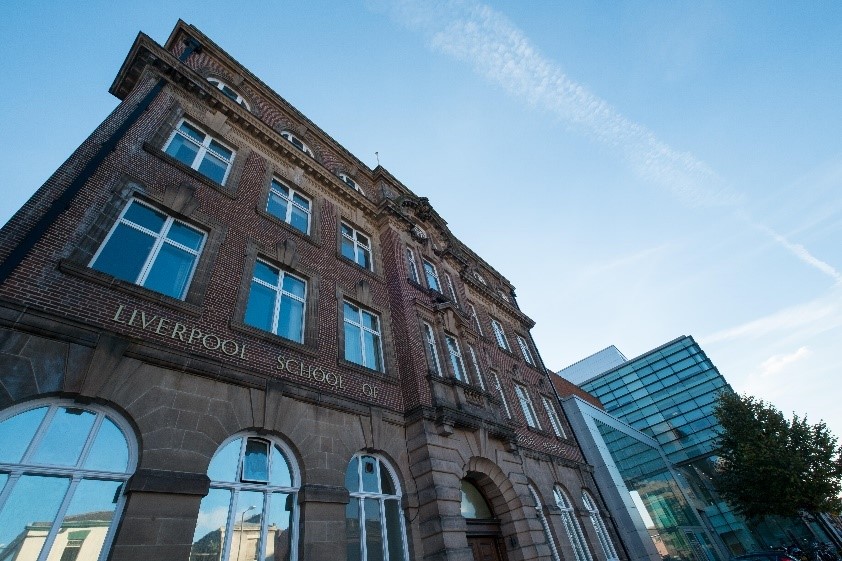
Written by Ruth Cowlishaw of Liverpool School of Tropical Medicine.

This year marks Liverpool School of Tropical Medicine’s 125th anniversary. The school was the first institute of its kind back in 1898, built to help investigate some of the tropical diseases brought back to the busy port city from shipping expeditions and trade. To celebrate such a major milestone an array of events and activities have been planned by the school, including outreach events and fundraising, whilst also giving us a chance to reflect on our history. One such planned scheme was the distribution of internal funds for exciting projects, proposed by staff members that would make a difference in this very special year.

Mary Kingsley Building, LSTM. ©LSTM

The Dagnall Laboratory situated in the Mary Kingsley Building is the main teaching laboratory for the school. Within its walls it houses many historical pathological and entomological samples, from mosquito wings and blood films to seven-meter-long tapeworms. Throughout the years a selection of these samples has been used to help educate thousands of medical professionals, postgraduate students and armed forces personnel. However, a large part of the collection became forgotten and neglected as specimen preservation skills and staff were lost over time. With news of potential funding myself and the team saw an opportunity to rediscover these “lost” specimens and decided to put together a bid with the aim to reinvigorate our collection. The project not only aligned with the 125 Anniversary theme of Heritage and History but also looked forward to the future.

Continue reading

Unravelling the Golden Thread: The Silk and Cocoon Collection at the Manchester Museum

Written by Piotr Korpak, Visitor Team Assistant, Manchester Museum, The University of Manchester.

Last August saw the Manchester Museum entering the final phase of its capital project called hello future when it closed to the public for over a year, until February 2023. Major redevelopments like this tend to be quite stressful for most institutions, but also bring a lot of excitement and many valuable opportunities for individuals. Being closed to the public meant no visitors and so I was able to support work in other departments. Always interested in natural history collections, I welcomed the chance to work with the Curatorial Team in the Entomology Department with true delight.

The Museum’s arthropod collections are amongst the top three in the UK, with over 3 million specimens, out of which about 2.5 million are insects (Logunov and Merriman, 2012). As is the case with many museums, the collections are vast, the staff numbers small, and it can be difficult for curators to catch up with the backlog of past acquisitions and historic materials. No doubt one could find boxes, cabinets, and all other imaginable storage units full of specimens still awaiting their official accessioning, cataloguing, research, and digitisation in any museum.

Continue reading