5 Top Tips on How to Decant your Museum

By Eimear Ashe, Collections Moves Project Manager, National Museum of Ireland

Having recently completed a major decant of Natural History collections in the National Museum of Ireland, I thought it a perfect opportunity to share my learnings with fellow NatSCA colleagues.
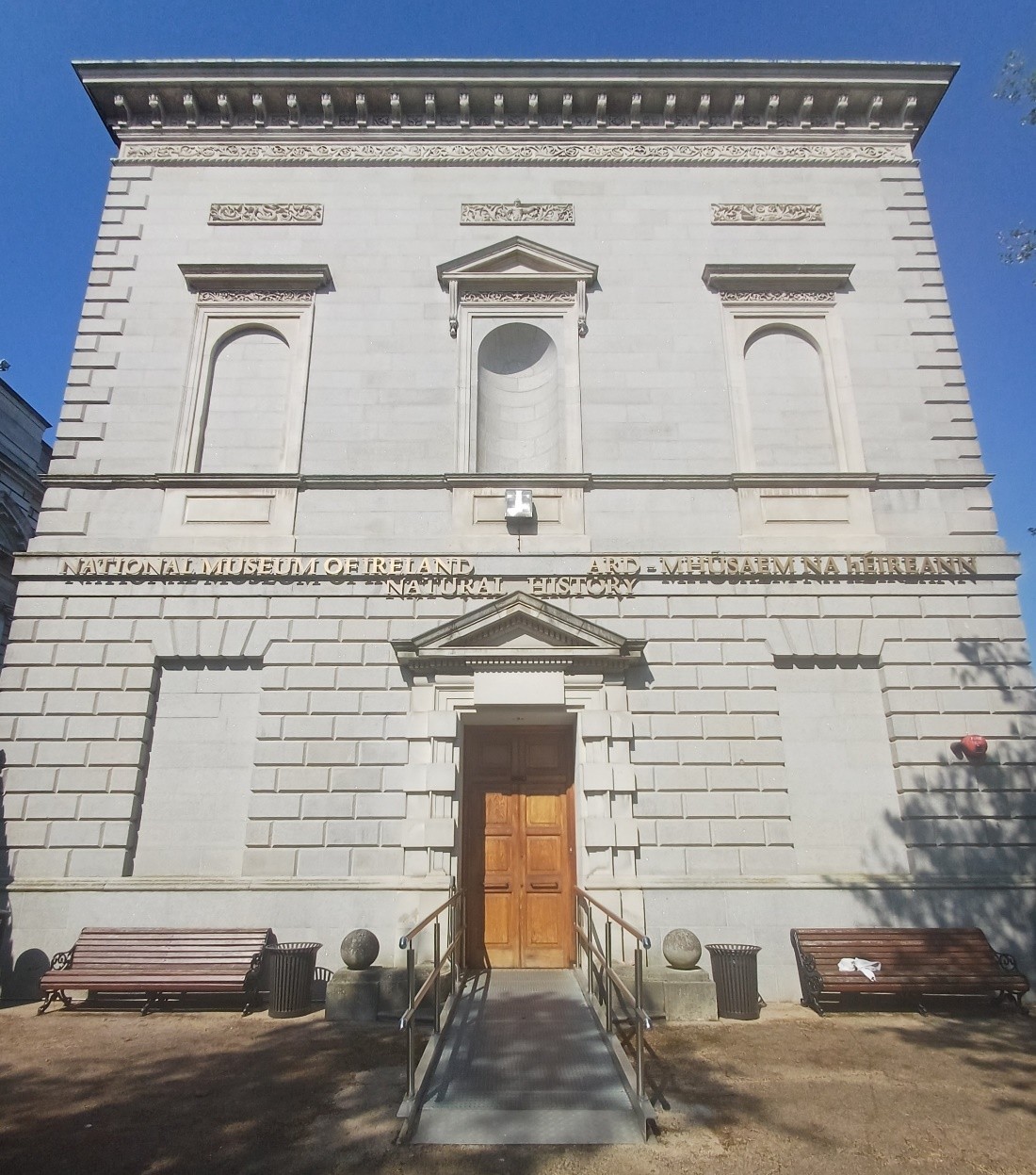
National Museum of Ireland – Natural History

Tip 1. Start with the staff!

  • What skills do you need to recruit in or increase capacity in?
  • Recruit new temporary staff. Training should be provided in the following areas: hazards in collections, manual handling, object handling, photography (if part of the workflow), condition assessment, object packing, transfer documentation procedures, integrated pest management (IPM), and the collections management system.
  • If you cannot recruit new staff, you will have to use existing resources. Agree with management that the permanent staff team will not be able to carry on their regular duties during the period of decant. You should also make the public aware of this reduction in capacity and service provision.
Continue reading

It’s Getting Better

Written by Dr Amy Geraghty, Assistant Keeper/Curator of aquatic zoology collections with responsibility for fluid collection management.

The National Museum of Ireland (NMI) Natural History Division (NHD) holds about 2 million specimens in its collection. The collection is ordinarily split between three locations: the museum and two off-site storage buildings. However, at the time of writing, nearly all specimens are in one of the two storage buildings. The museum galleries are being emptied to facilitate investigative works on and the refurbishment of building itself.

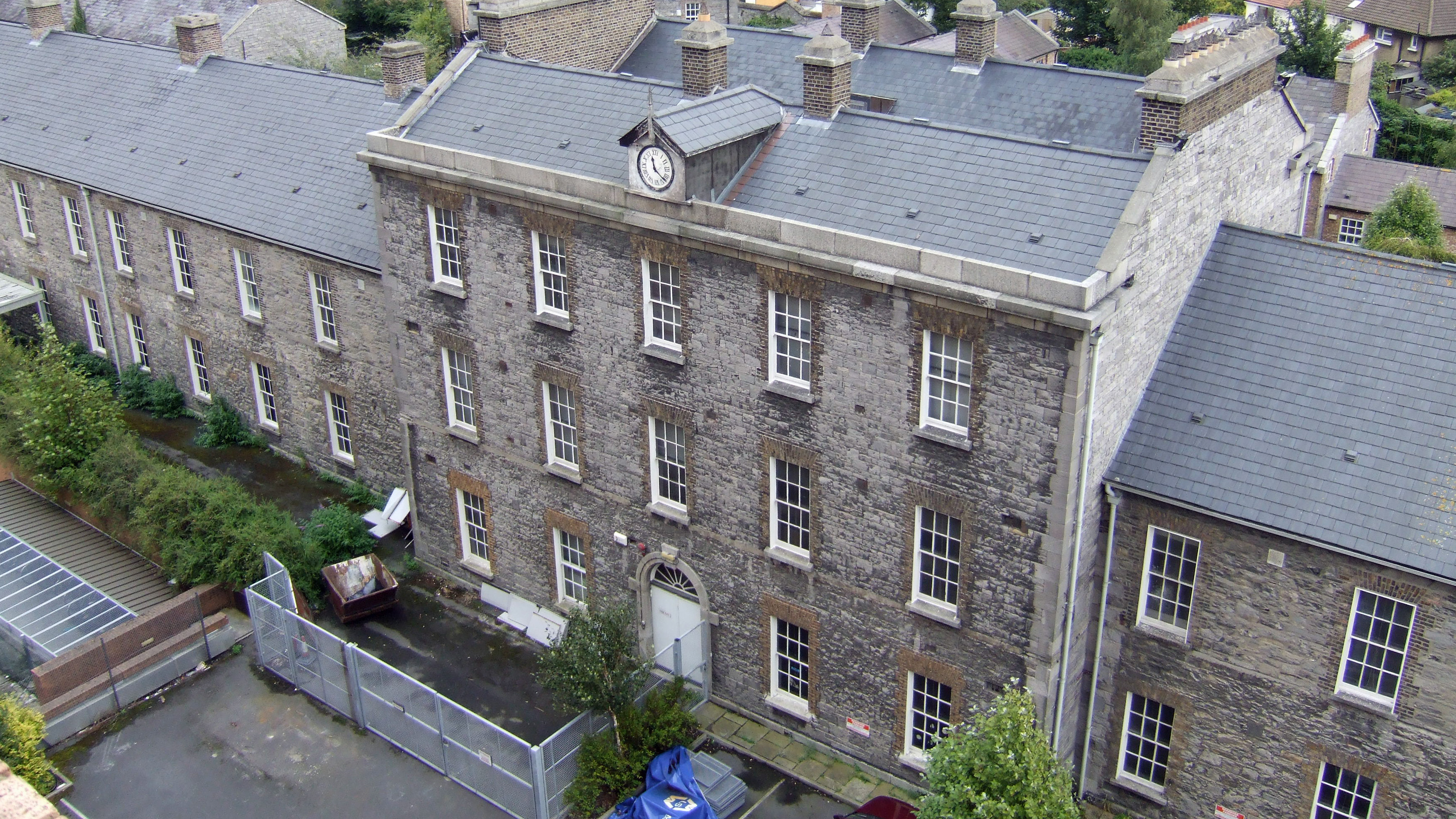
One of the National Museum of Ireland’s two storage buildings in 2006. It is an old British army barracks that now stores the fluid collection, some of the dry zoology, mineralogical and paleontological collections. (Image courtesy of Nigel Monaghan)

One of the storage buildings is a mid-nineteenth century British army barracks that came to NMI in the mid-1990s and now stores NHD collections. Retrofitting the building for collection storage has involved the installation of plasterboard ceilings, internal doors, and security and fire alarm systems. Toilets, telephones, a tearoom, shelving, and internet facilities were later installed in the 2000s.

Continue reading

Bryozoans on the Move: Trials and Challenges of Packing Collections.

Written by Abbie Herdman, Curator of Invertebrates (Non-Insects), Natural History Museum, London.

The Natural History Museum, London (NHM) is currently undertaking one of the biggest collections moves in history, around 38 million specimens total (with 28 million moving off site). A diverse range of collections are expected to move to the new site in Reading including fossils, wet, dry, taxidermy and osteological specimens. This blog will focus on some examples and challenges faced when preparing the bryozoan collections to move.

Bryozoans are an astounding yet little known phylum of predominantly colonial aquatic invertebrate animals, found in both freshwater and marine ecosystems. Known as the ‘moss animals’, for a long time, they were thought to be plants which still confounds the record of this group in aquatic collections due to their growth patterns encrusting on rocks, as seaweed-like and sometimes as gelatinous blobs. There are bryozoan reefs which support diverse marine species, they are recognised bioindicators in aquatic habitats and are ‘blue carbon’ stores (Porter, J, S. et al., 2020).

Continue reading

Preparing Collections for a Big Move

Written by Ellie Clark (Collections Move Team Lead) and Lizzy Devenish (Collections Move Team Lead Digitisation), Natural History Museum, London.

Introduction

The Natural History Museum is in the process of preparing 38 million specimens to be moved, 28 million of which will be rehoused to a new Science and Digitisation Centre at Thames Valley Science Park (TVSP) in Reading – the largest move of natural history specimens globally. Part of NHM Unlocked, this is an ambitious programme to secure the future of our irreplaceable collections, accelerate scientific research and enhance the Museum’s public offer. 

As part of this process, new workflows are being developed to ensure the safety of specimens before, during and after the move. Below, Team Leads Ellie Clark and Lizzy Devenish discuss a couple of ways this is currently being accomplished.

Physical Interventions Survey

It is important to gain a good understanding of the condition and housing needs of specimens before they move to TVSP. To do this, the NHM Unlocked Moves Team are currently undertaking a Physical Interventions Survey across the Palaeontology Collections to better understand these needs. The level of preparation needed varies from specimen to specimen depending on several factors including current storage, specimen condition, size of specimen and collection type. The ultimate aim of the survey is to provide an initial assessment for the time and resources needed for specimen preparation by curatorial and conservation teams to facilitate the safe movement of specimens to the new site.

Continue reading

Reflecting on a Collections Move During the Pandemic, the Royal Horticultural Society Herbarium one year on.

Written by Clare Booth-Downs, Herbarium Curator, Royal Horticultural Society Herbarium.

Moving On Up, To Move On Out

The Royal Horticultural Society Herbarium (RHS), which holds approximately 150,000 specimens and associated ancillary collections, had outgrown its original storage space.  The building of a new dedicated science and collections centre, RHS Hilltop, which opened in late June 2021, provided a solution to this. Hilltop, the home of gardening science, includes a larger, purpose built facility, the 1851 Royal Commission Herbarium.

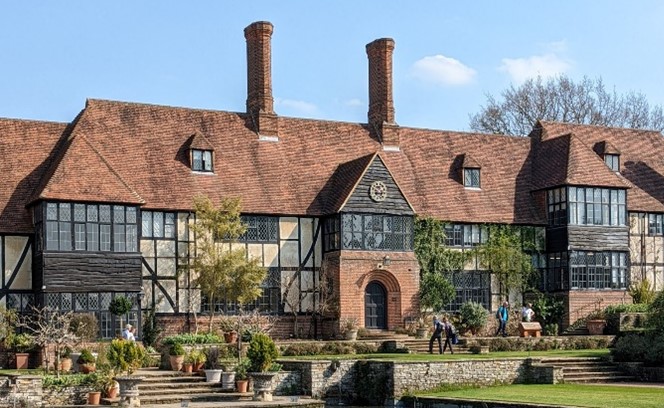
The Laboratory, RHS Wisley, Surrey. Image by Clare Booth-Downs. © Royal Horticultural Society.
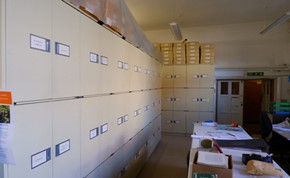
Interior of the original RHS Herbarium showing the overspill on top of the cabinets. Image: Yvette Harvey.

Increasing the capacity of the herbarium was vital as the collection is expected to expand at a fast pace over the next few years.  With a full time plant collector now in place, the RHS’ ultimate aim is to hold a specimen of every species and cultivar of garden plant growing in the U.K. It is estimated this will be a collection numbering 400,000 specimens by 2050.

This repository will act as a reference point for gardeners, breeders, students and researchers as well as for ‘non-traditional’ herbarium visitors, for example, artists and designers looking for inspiration for fabrics and jewellery.  This is alongside one of the Society’s own research foci, as described by Professor Alistair Griffiths, RHS Director of Science & Collections, “In the UK, we’ve got a massive diversity of cultivated plants, originating from around the world, and all have potential for nature-based solutions.  We’re going to work towards a database of the garden plants and their uses from an environmental, and health and wellbeing perspective”.

Continue reading