Rhinos and Museums

For over 2000 years, rhino horn has been used in Traditional Chinese Medicine to treat a variety of ailments including fever, headaches, and vomiting. It is typically ground or shaved and then dissolved in boiling water to drink. Rhino horn is solely comprised of keratin (as are your finger nails) with a structure more similar to a turtle’s beak or a horse’s hoof than the mass of compressed hair as it used to be thought. Keratin in really vast quantities may be able to detect some poisons, but absolutely not in a practical sense, and it certainly doesn’t have the ability to cure any of the vast number of illnesses listed in the ‘TCM handbook’.

Trade in modern rhino horn, and unworked antique pieces that predate the 1947 legislation, is illegal. Unfortunately the demand for horn is high and things like its legality don’t currently seem to be enough to deter the market. Poachers are turning to more sophisticated, and nefarious, techniques to obtain it.
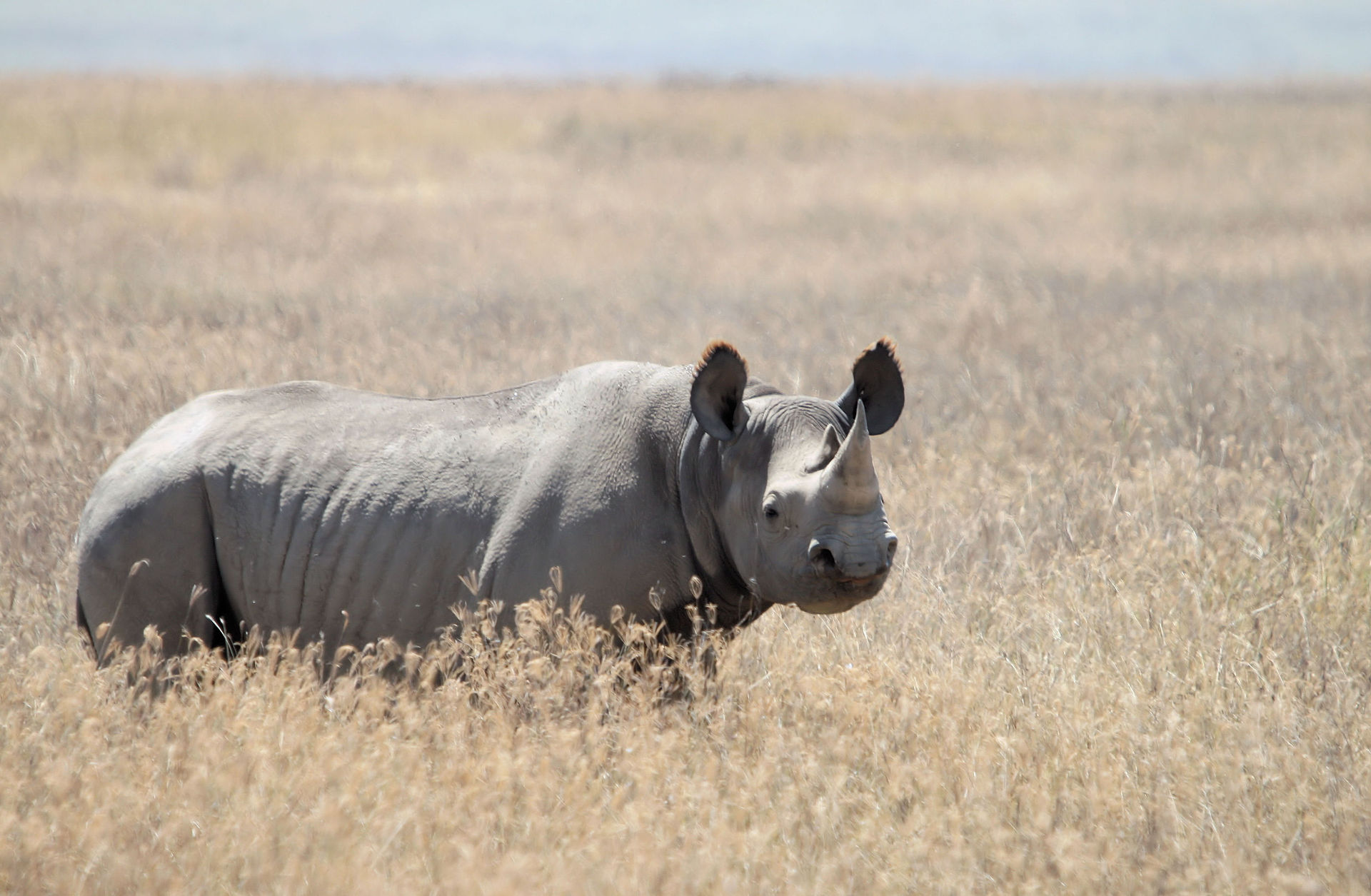
Black rhino in Ngorongoro Conservation Area, Tanzania (Image from Wikimedia Commons)

In South Africa, where the highest numbers of wild rhino live, poaching went from 13 deaths in 2007 and 83 in 2008, through 448 in 2011 and 668 in 2012, to a peak in 2014 where 1215 animals were killed for their horn. Since 2015 the number of rhinos killed per year has dropped slightly, largely due to an increase in security and protection in their range states, however the rate of slaughter is still alarming (1054 were poached in 2016 in South Africa alone) and conservationists fear the day that the number of deaths will outnumber the births, and the African rhinos will go into decline. Both African species are still trying to recover after intensive poaching during the 20th Century decimated their numbers, but are (were) recovering due to intensive conservation management. That is until the last decade and the current ‘poaching crisis’.

Continue reading

NatSCA Digital Digest – September

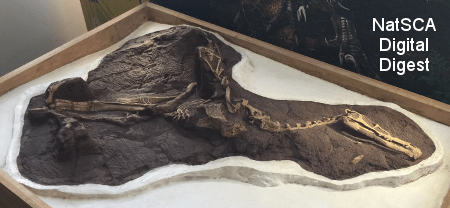
(Image from the collections at Plymouth City Museum and Art Gallery)

What  should I read?

Love the posters at this years NatSCA conference? Want to read and admire them in more detail? You can! Read them with pleasure at your leisure, because they are now all available free to look at!

Did you know there were ten different species of mammoth? A long read over your lunch time, spanning 5 million years in fact, visiting some very big and some very small mammoths!

A great piece by Mark Carnall, Life Collections Manager at Oxford University Museum of Natural History , looking at rudely shaped rocks! A fun piece with giants, owls and very early palaeontology.

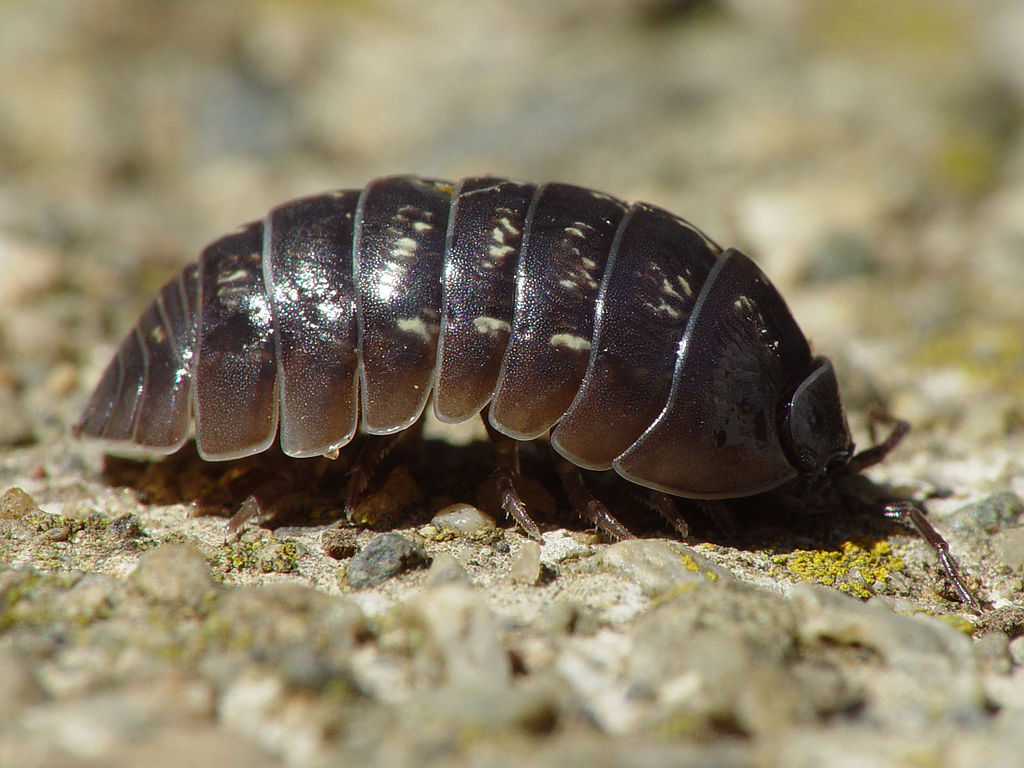
What do you call woodlice?

Just one of the many species of woodlice. Or is that roly poly, or sow bug, or …. (Image by Franco Filini, Public Domain)

A little map of woodlice names was shared on BBC’s Springwatch blog earlier this week. It has led to dozens more names of woodlice. Jan Freedman (that’s me!) is gathering up names and wants to update the map, so do get in touch if you know of any historic references or names.

What can I see?

The Dinosaurs of China exhibition at Wollaton Hall is on until the end of October. Visit beautiful grounds with deer, and explore some truly magnificent creatures in the exhibition, from the time of the dinosaurs.

Continue reading

A Blog from the Up and Coming

In 2016 I graduated with a BSc (Hons) in Zoology from the University of Reading. I picked the degree because I always loved animals and really enjoyed science at school. But studying zoology has given me a whole new appreciation for the natural world and a new interest in palaeontology and natural history collections. During my degree, I had access to the university’s lovely little museum, called the Cole Museum of Zoology. I had many practical lessons based on the Cole’s collections, and even did my final year dissertation on studying their ichthyosaur fossils.

In addition to this, I was lucky enough to gain a lot of work experience there through volunteering and doing summer placements. Initially, I helped with cataloguing the Cole’s seashell collection into a little notebook. But eventually I was assisting with rehousing a huge fossil collection, which involved re-boxing specimens, identifying the material, generating unique accession numbers for them and creating new records for a database. I enjoyed my time at the Cole very much and was sad to say goodbye after graduating and moving back to London.

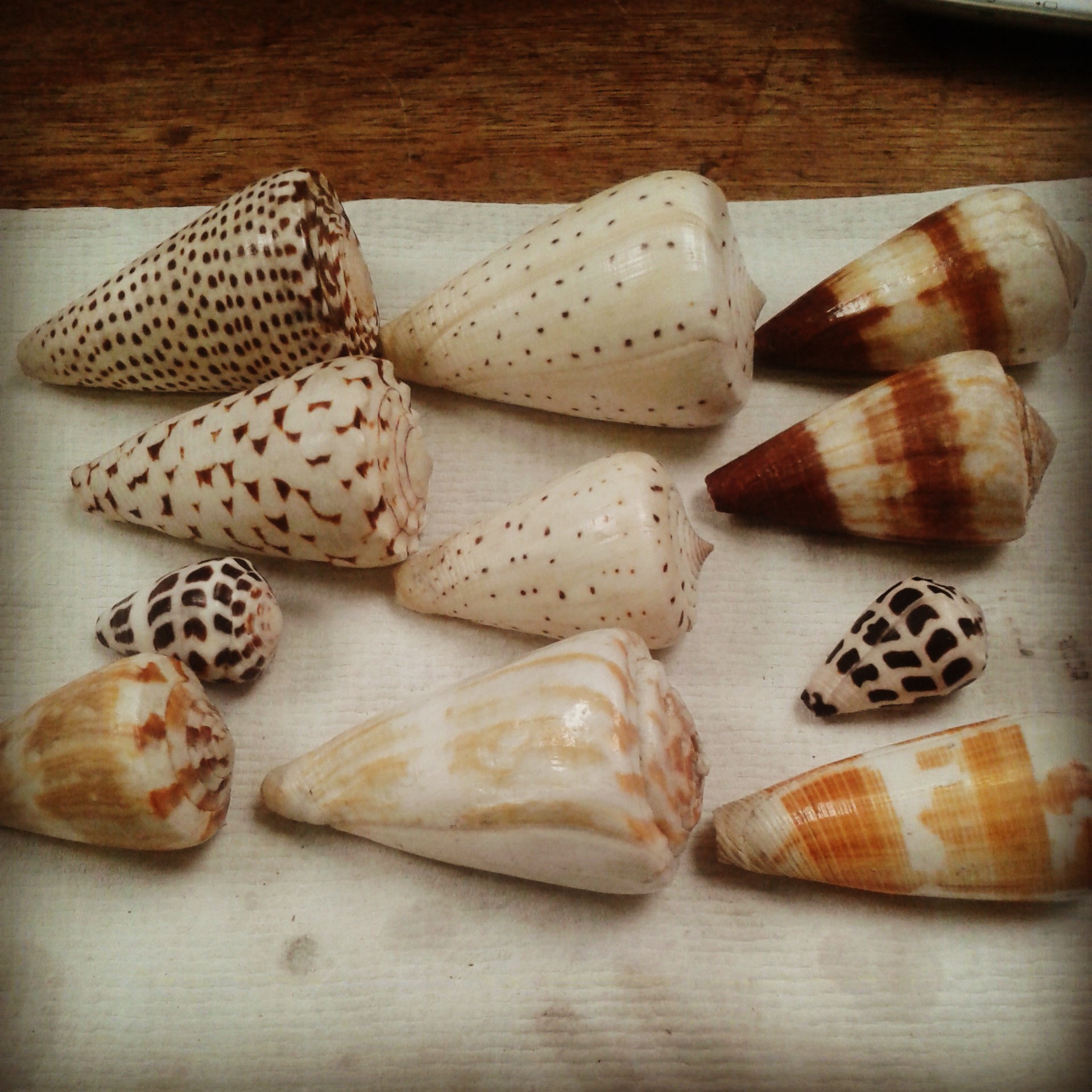
Some beautiful cone shells, belonging to the Cole Museum of Zoology’s shell collection.

Life after graduation was fairly chilled at first, free from university deadlines and the horrors of exam stress! Eventually I began working in retail while I continued to look for a career in science research or more interestingly… natural history museums. But I was beginning to lose hope as these kinds of opportunities were very competitive and felt very rare. I really started to miss being in the museum environment (and dislike being in retail… sales assistants have feelings too!). Continue reading

What is a museum curator made of? Slugs and snails and puppy dog tails, and then some…

We’ve all been asked it – what do you actually do as a zoology curator…

Some years ago, in a post I can no longer find, @morethanadodo responded with a long list that ranged from bar-tender to expert on name-your- taxon. Oh, how we laughed… In my long service at the Hunterian in Glasgow I have had the privilege of curating all sorts of zoology material – today I am a coral expert, tomorrow I’m puzzling over pickling fish correctly…

However, over the years, in addition to curating the zoology collection, my remit expanded to include the anatomy and pathology collections and most recently a collection of materia medica. ‘Wot dat?’ you may well ask. Well, essentially it’s an apothecary/pharmacology collection and could easily be the original ‘animal, vegetable, mineral’ quiz. In University museums, unsurprisingly and quite typically you are offered and acquire collections that have been made by former or existing academic staff in the course of their research and teaching. Given the collections are made for those
purposes, they usually require processing to get up to museum standards.

The collection in question is that made by Professor Ralph Stockman, (1861-1946), Regius Professor of Materia Medica 1897 – 1937 at the University of Glasgow. Stockman, born in Leith and educated at Edinburgh University, was a medical doctor who worked as an influential and successful clinician and an academic scientist in what was then called medical chemistry.

Ralph Stockman, University of Glasgow UGSP00223

Ralph Stockman (image from University of Glasgow, UGSP00223)

Continue reading

NatSCA Digital Digest – August

ndd-chinasaurs2

What Should I Read?

I encourage you to read Darren Naish‘s recent post on the “Mountain Beaver”, an unusual rodent which is not a member of the beaver family, nor is it mountain-dwelling. The article also goes into other members of the aplodontoidea so, if you like horned extinct cousins of the squirrel (of course you do), it’s well worth a read.

Why do all the beautiful things crack? Paintings by old masters, antique furniture, … and historical taxidermy. The Grant Museum has been running a project where they take their important taxidermy specimens in for essential conservation work and place stuffed toys on display in their place. A chance to see Jack Ashby‘s favourite teddy? You’d be crazy not to. For an example of the beautiful restoration work carried out by Lucie Mascord, check out this piece on the Owl Formerly Known as Googly-eyed.

What Should I Do?

What are you doing on the 22nd September? Keep it free if you can because we have a great workshop event coming up called Bringing the Dead to Life: How to Display Museum Natural Science. Among other things, you will hear testimonies from the Lapworth Museum, who were recently shortlisted for Museum of the Year.

Continue reading