
Written by Clare Brown, Leeds Museums and Galleries.
#fundraising #naturalsciencecollections #howtogetfunding #howtofundmyproject #fundingnaturalscience #botanyfunding #fundingforplantcollections etc
A long time ago, longer than I care to think about, I ran a herbarium coffee morning every week at Portsmouth Museums and Records Office. A group of us – staff and volunteers – got together, catalogued plants and had a coffee-and-biscuit break at about 11. The volunteers involved talked about their love of plants and their love of a good chinwag every week. For some it was their only regular social event. It was incredibly wholesome, inclusive, friendly and productive, and I have wanted to replicate it for ages.
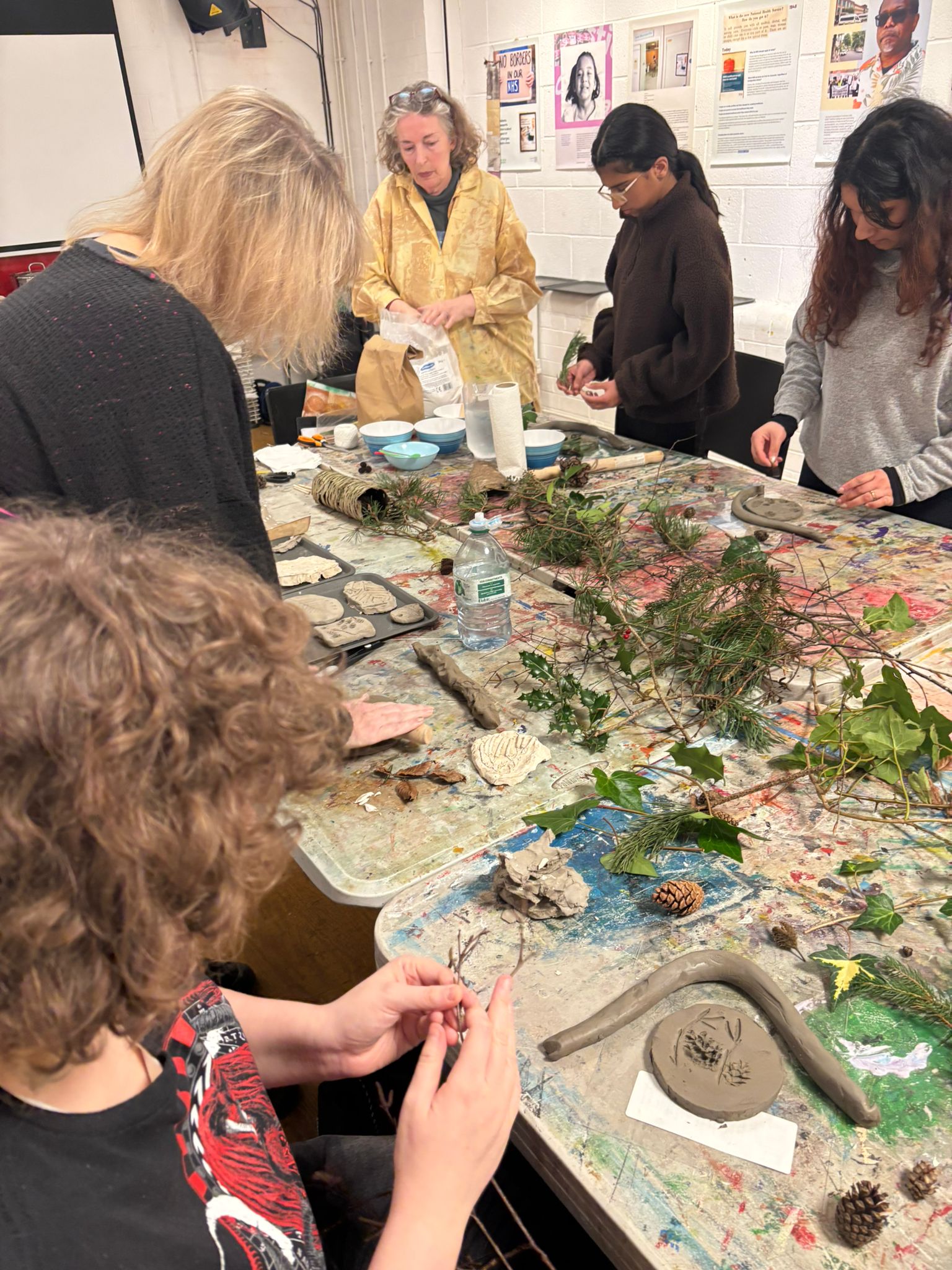
© Leeds Museums and Galleries/Space 2
For a few years now, Leeds Museums and Galleries (LMG) have been working with a charity called ‘Space 2’. Space 2 work in east Leeds and run a wide variety of events and activities for the people there. They describe themselves as an award winning arts and social change charity but, more importantly, they are good at making connections with local people and local institutions. They are also all really nice people.
As an east-Leeds based charity, Space 2 were heavily involved with my colleagues at Temple Newsam, a LMG site in the east of the city. Temple Newsam is an extraordinary place. Described as one of the great houses of England, this sprawling mansion, oozing money, heritage and even Audubon wallpaper (yep, Lady Hertford really did cut up her copy for her drawing room walls), finds itself in the less well-off neighbourhood of east Leeds. This, happily, means that our fantastic community curator team has a base there and have worked with Space 2 on various community projects within Temple Newsam’s Tudor walls.
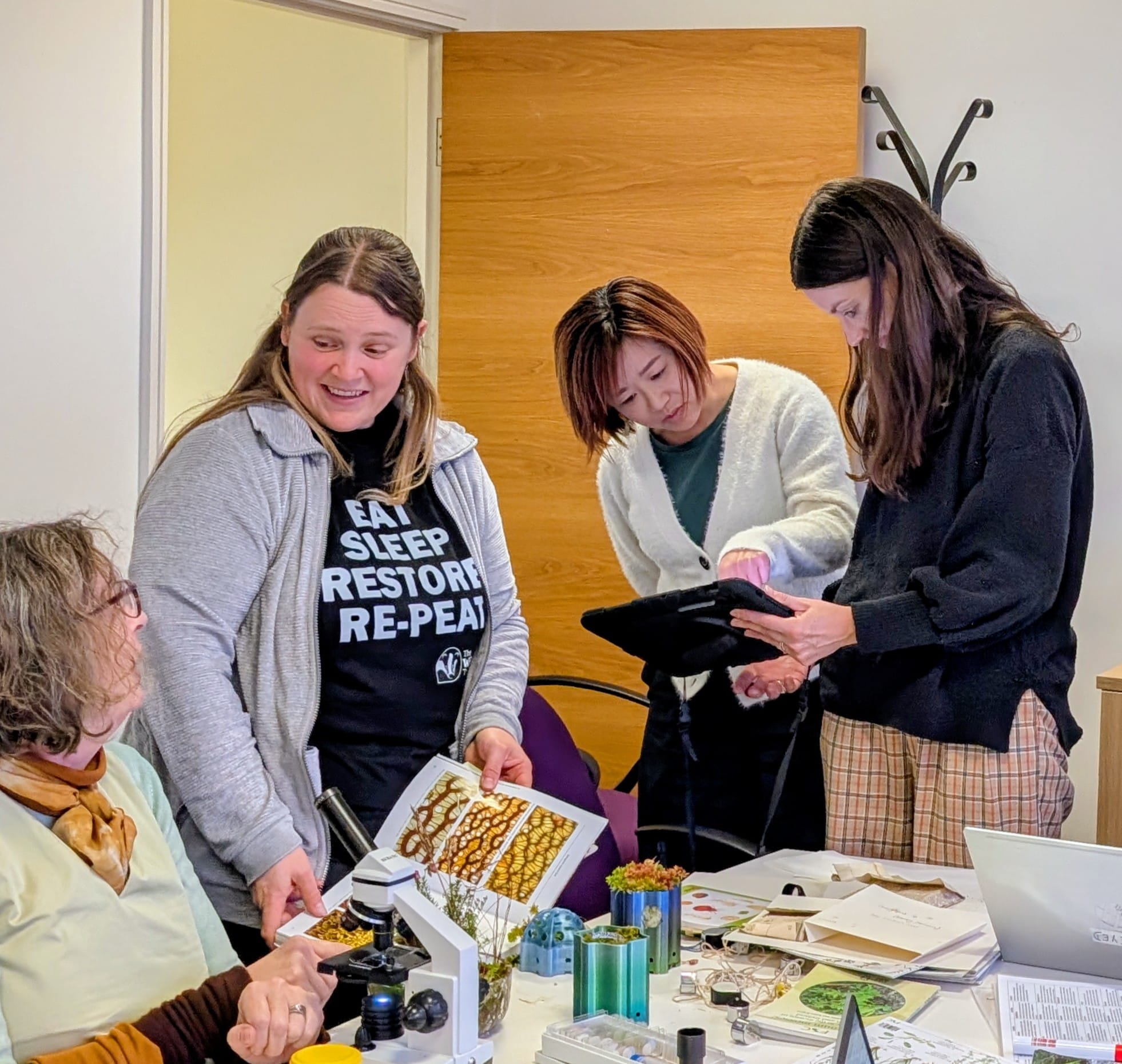
© Leeds Museums and Galleries/Space 2
All this backstory leads me to the door of a collaborative, partnership project between Space 2 and LMG. If you want to read about what we did there’s more here but this blog is mainly about how we got the money to fund it.
Everything seemed to slide into place when I happened to look at the criteria for the 2024 round of applications to the Esmée Fairbairn Collections Fund (EFCF, now the Esmée Fairbairn Collections and Communities Fund). This is one of the few funds out there still supporting natural science collections, with the John Ellerman Foundation moving away from museums, the closure of the PRISM fund eight years ago and the radio-silence that is the Designation Development Fund.
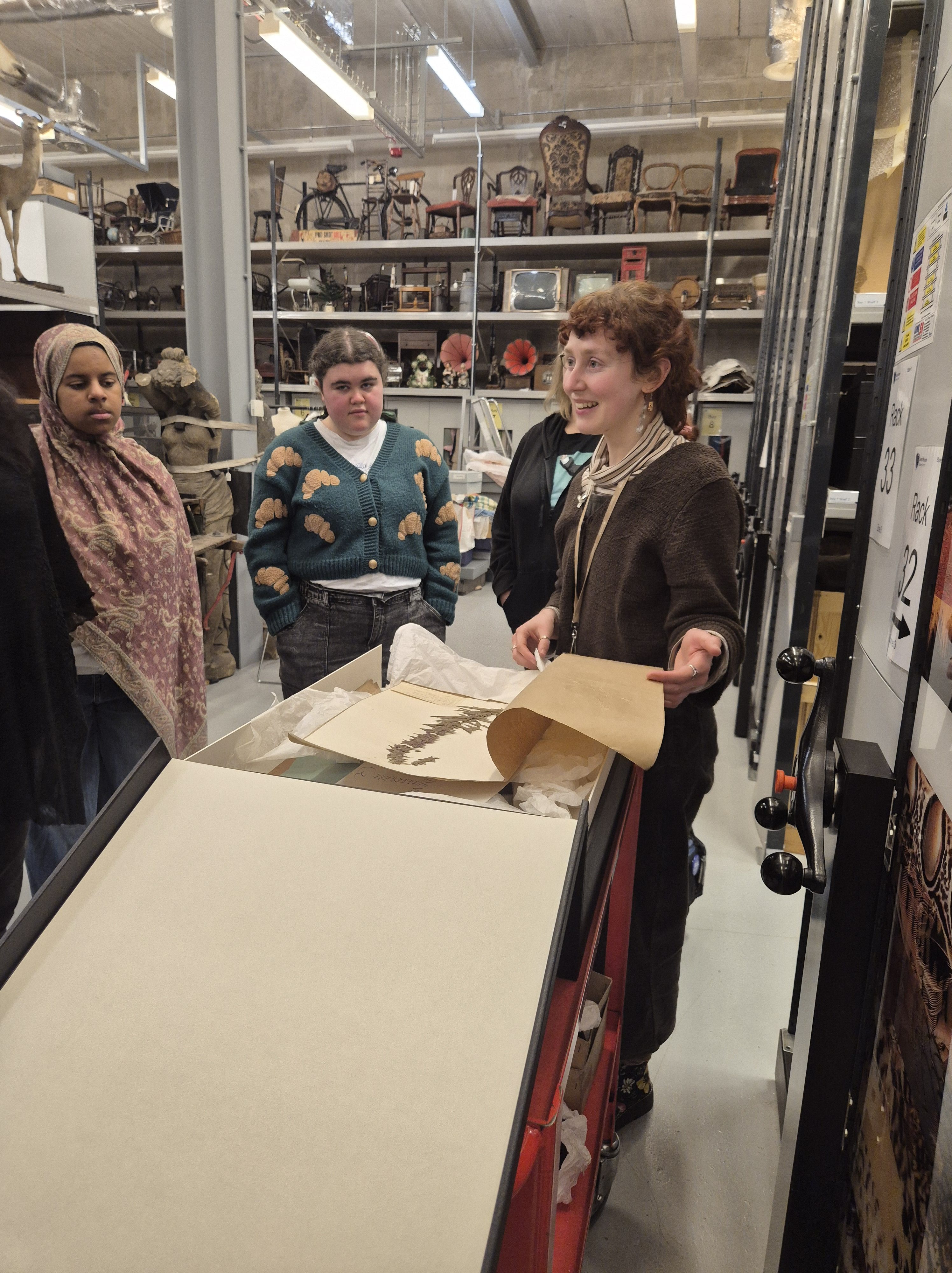
© Leeds Museums and Galleries/Space 2
If you are looking for funding for natural science collections, it’s worth keeping an eye out for funding deadlines, new criteria for grants and new grant-giving bodies. Dare I suggest that, whilst not perfect, AI is pretty helpful for pointing you in the right direction for these. We also used to subscribe to a company called Grantfinder, presumably other services are available, that kept an easily interrogated, active record of all funds and grant-givers.
So, my top tips for applying for funding for natural science collections are:
- Give it a go: Applications take time but, even if you aren’t successful, you can often copy-and-paste into another application.
- Give it a good name: There’s a human reading the application (you’d hope) and so a good/funny/pithy name usually lands well.
- Talk to the funders beforehand: My experience of doing this has only ever been positive. They are usually keen to chat as they want good quality applications, as well as directing people elsewhere if your project doesn’t quite fit.
- Read the brief and address every point with evidence of how you meet it: It’s exactly the same as a job application, they need you to tick off the criteria for them.
- Tell a story: Obvious, really, but it goes back to thinking about your application as a human interaction
- Include photos: Not always asked for but definitely worth doing. I just include them in with the text.
- Mirror the funders’ style of writing: This is old advice but it works. Got a stiff, formal funder? Write in the most stiff and formal way you know how.
- Speak to other organisations who have already been funded by the grant-giver: Not essential but can be very enlightening.
- Always apply for a salary: In my experience, delivering projects in addition to your day-to-day just leaves you with stress. Always include funding for a project manager position and a little extra for their PDP and travel.
- Apply for lots of funds: You’re not likely to get every grant you apply for. You can, as I’ve mentioned before, copy-and-paste if criteria are similar.
If you want to look at an example of a successful application to EFCF, the Dead Plant Society application is available here.
Good luck!

 NatSCA