Object Lessons; Manchester Museum

Most curators have those niggling objects at the back of their stores. Models and illustrations previously used for teaching or display in the dim and distant past, but kept for a rainy day. Not quite real objects and not the kind of thing you would necessarily want to accession.

Well, we’ve embraced these wonderful objects in our new exhibition: Object Lessons.
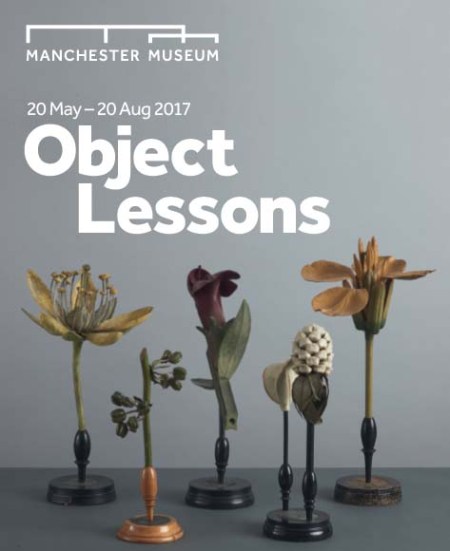
Brendel Models, George Loudon Collection

Brendel Models, George Loudon Collection

Object Lessons celebrates the scientific model and illustration collection of George Loudon. Each of these finely crafted objects was created for the purpose of understanding the natural world through education, demonstration and display.

The object-rich exhibition will look at this incredible collection through themes such as Craftsmanship, the Teaching Museum and the Microscopic. Continue reading

To Dress a Wolf

I like a nice little link to a place I am visiting. And there is a wonderful (if not a little tenuous) link between where I work in Plymouth and Cambridge. Charles Darwin studied theology at University of Cambridge in the old oak clad lecture theatres. And it was through the connections he made at Cambridge that set him on board the HMS Beagle, on a journey that would change the world of scientific thinking forever. The HMS Beagle, with Darwin and all the crew, set sail from in Plymouth after a three month delay. It’s a neat little link.

With such a strong historic links to science, there was perhaps no better place suited to hold the NatSCA  conference 2017. Even the theme title linked in, with a little nod to Darwin (those clever committee members): Evolving ideas: provocative new ways of working with collections.

Continue reading

Not Just Old Birds in Cases

This article is reposted from the Stories from the Museum Floor blog by the Visitor Team at Manchester Museum

Not Just old Birds in Cases – The Value of Natural History Collections

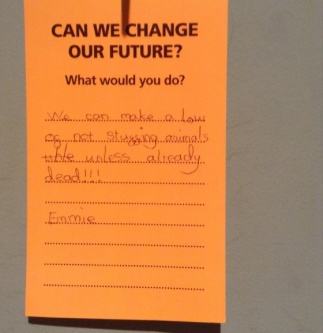
The most recent exhibition ‘Extinction or Survival?’ at Manchester Museum has brought many interesting ideas and suggestions from a wide group of visitors about how we can change our future. Several comments have mentioned animals kept in museums and collections, for example, “Stop killing animals to put in a museum” or “help all the animals by collecting DNA … and … not get stuffed like … in museums”. These comments have inspired me to write about the importance of natural history collections, especially the value of bird collections.

deana 2Comment card left at the ‘Extinction or Survival?’ exhibition at Manchester Museum, 2017.

Whether collecting birds for science is still necessary remains a hotly debated topic. However, the value of scientific collections cannot be questioned. Research or reference collections are still making crucial contributions in documenting biodiversity in time and space, and understanding species’ ecology and evolution, vital for conservation strategies. Furthermore, collections and museum have an important role in preserving and caring for past and present natural heritage and providing educational opportunities. Continue reading

NatSCA Digital Digest – March

The bob tailed squid. (Image from the collections at Plymouth City Museum and Art Gallery)

What Should I See and Do?

The fantastic ‘Extinction or Survival‘ exhibition at the Manchester Museum is still on until the 26th April. If you are visiting nearby, then you must pop into this museum!

Something is coming…..Bristol Museum and Art Gallery will be having a prehistoric adventure with their new Pliosaur exhibition opening in June this year. Expect lots of fossils, digital recreations, and I hear there will be a life-sized model of their incredible specimen. More updates as the beast swims towards June… Continue reading

Neither a Borrower Nor a Lender Be?

An exceptionally fragile Blaschka glass model of a radiolarian in Dublin.

An exceptionally fragile Blaschka glass model of a radiolarian in Dublin – would you lend it?

In museums, collections are key. They are the resource that we rely on to drive our exhibitions, research, outreach, educational activities and even our marketing. We use this resource sustainably, ensuring it will be available for future generations. Our policies and standards protect them, keeping them safe by providing an appropriate environment and managing access – and while this is not always easy, at least we have control. Continue reading