Decolonising Manchester Museum’s Mineral Collection – A Call To Action

Presented by David Gelsthorpe, Manchester Museum.

Abstract

The history of Black people, people from indigenous cultures and the role of empire in museum natural history collections is largely ignored. This talk uses Manchester Museum’s mineral collection to take the first steps to uncover these stories, analyse the role of empire and expose racism. For the first time, archive photographs from the early 1900s are used in a new display, to tell the story of the people who mined the Museum’s South African gold ore specimens. Recent research and the Museum’s Sierra Leone diamond are used to tell the story of ‘Blood Diamonds’. Data analysis of the mineral collection reveals that 24% of the collection comes from colonial countries. 50% of the Museum’s minerals from the British Empire are Australian, of which 33% came from the Imperial Institute. This research has shown that Manchester Museum’s mineral collection is intimately connected to empire, but the history of Black and indigenous people is ignored or unknown. This is institutional racism and museums need to be proactive in addressing this. There are enormous opportunities to develop this research through fostering partnerships with source communities around the world. This paper is a call to action.

Continue reading

Nature Read in Black and White: An Update

Presented by Miranda Lowe, Natural History Museum and Subhadra Das, University College
London.

Abstract

There has been an enthusiastic uptake of ideas and practices around decolonising the natural history museum in the wake of the publication of our paper ‘Nature Read in Black and White: Decolonial Approaches to Natural History Collections’ in the NatSCA Journal in 2018. People have written blogs, there have been exhibitions relating to the topic and even the Daily Mail scare quoted cancel culture fears when they heard the Natural History Museum in London was reviewing the colonial histories of its collections. A highlight moment was when Sadiq Khan, the Mayor of London, complimented one of the co-authors of the
paper, saying he had read all sixteen pages and how it was accessible and easy to read. We are gladdened by the national and international impact of our words and research, and this has encouraged us to reflect on this success and raise some other related issues that we would like to share with you in this keynote presentation. In addition to listing recent successes within our own organisations and some plans for future work, we also plan to talk about two further topics about decolonising natural history museums. The first will consider the colonial roots and context of the environmentalist movement, while the second will examine the question of representation in the natural history museum workforce. We will consider the current state of the discourse around decolonising museums, and discuss what continues to be required in the interests of long-term, equitable change.

Continue reading

Telling the Truth About Who Really Collected the “Hero Collections”.

Written by Jack Ashby, Assistant Director of the University Museum of Zoology, Cambridge.

One way that museums can decolonise their collections is to celebrate the true diversity of all the people that were ultimately responsible for making them. We often say things like, “This specimen was collected by Darwin”, or whichever famous name put a collection together, when in reality we know that often they weren’t actually the ones who found and caught the animal.

Museums can be rightly proud of their “hero collections” and the famous discoveries represented by them. Acknowledging that they did not work alone does nothing to diminish their accomplishments. We just need to make clear that other people made enormous contributions to their successes, and celebrate them too.

Undeniably, natural history museums have overwhelmingly celebrated dead white men. A major strand of decolonisation work is to show that a greater diversity of people are, in fact, represented in the history of our collections. But in reality, their contributions are rarely documented.

The Malay Teenagers Who Collected Wallace’s Birds

Lately, I’ve been looking at the collection of birds here at the University Museum of Zoology, Cambridge, that Alfred Russel Wallace brought back from his eight-year voyage to the Malay Archipelago. Any museum with Wallace material considers it among their treasures. He co-discovered evolution by natural selection, added mountains of invaluable specimens to museums worldwide, and founded entire scientific disciplines based on his interpretations of what he saw. And he gives a lot of credit to the people of colour who collected much of his material.

Continue reading

Frequently Asked Questions in Taxidermy

Written by Ella Berry (also available here), amateur taxidermist & MSc Conservation Practice student, Cardiff University. An extended version of this blog was published here on 12 March 2020.

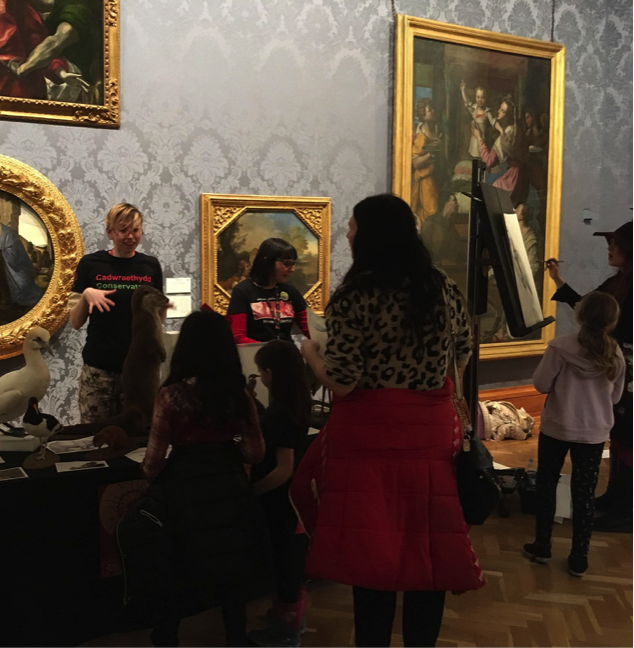
In March of this year I helped out on the Conservation stand at an evening event as part of my role as Volunteer Intern at National Museum Cardiff. It was a fun event, with a turnout of 852 curious visitors. Art conservators and natural history conservators collaborated to show how natural history specimens could inform and create imagery and art.

Photo of me (left) talking to guests at the National Museum Cardiff ‘After Dark’ event alongside Vertebrate Curator Jennifer Gallichan (centre) and local artist Nichola Hope (right) drawing. Photo courtesy of Caitlin Jenkins.

Throughout the event both children and adults came up and asked a lot of questions about the objects, and I noticed some reoccurring queries, especially around the ethics of taxidermy. I have attempted to answer some of these here, so that if anyone else reading this faces the same conundrums, this article will set their mind at ease, or enable them to answer the questions confidently.

Is it ‘ethical’?

‘Ethical’ is a subjective term, therefore what is considered ethical varies between taxidermists. Whether the preservation of animal remains, without the inherently unobtainable consent of the animal, is in itself ethical is up to each individual to decide. ‘Ethical-taxidermy’ has become a more frequently used term generally referring to the animal not being killed specifically for the purpose of becoming a mount. However, this refers to a wide range of sources and can range from accidental deaths such as finding an animal dead or road kill, right through to by-products of culling, pet food supply animals and pest control salvages.

Continue reading

Collecting with Lao Chao [Zhao Chengzhang]: Decolonising the Collecting Trips of George Forrest

Written by Yvette Harvey, Keeper of the Herbarium, Royal Horticultural Society, RHS Garden Wisley.

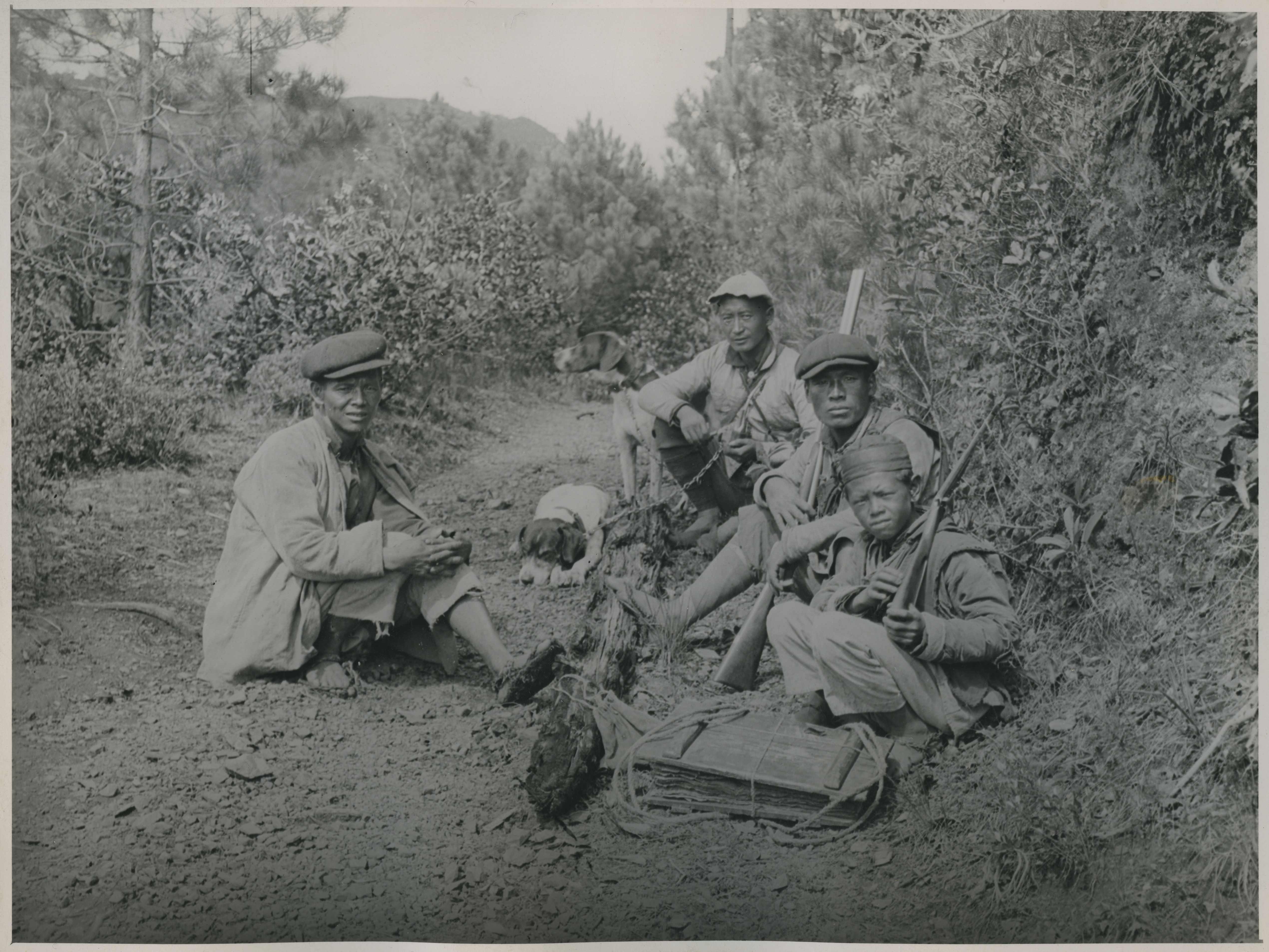
Lao Chao (left) and team. McLean (2004: 193) wrote that Forrest called Lao Chao his ‘best card in this business’ © The Royal Horticultural Society and Royal Botanic Garden Edinburgh

This is the essence of a talk that was recently presented at the virtual conference of the US based Society for the Preservation of Natural History Collections (SPNHC). Inspired by Das & Lowe in their 2017 NatSCA conference talk and subsequent paper (2018), in a similar way mentioned by Machin (2020) in her recent blog, I have started looking at stories by and about some of our revered plant collectors, or rather, hunting for small clues about their escapades from the perspective of others on their teams. This is with the aim of decolonising narratives for present and future interpretation, having finally opened my eyes and realised that current interpretation for living collections can fall way short of acknowledging what really happened and where credit should lie. And being mindful of different concepts of decolonisation, discussed by Gelsthorpe (2020) in an earlier blog.

For years, the curators of museums and living collections, and their visitors have been programmed to respond to and expect talks of the grand, death-defying adventures of our collectors – so much so that we appear to have closed our minds to the realities and injustices of what really happened on expeditions.

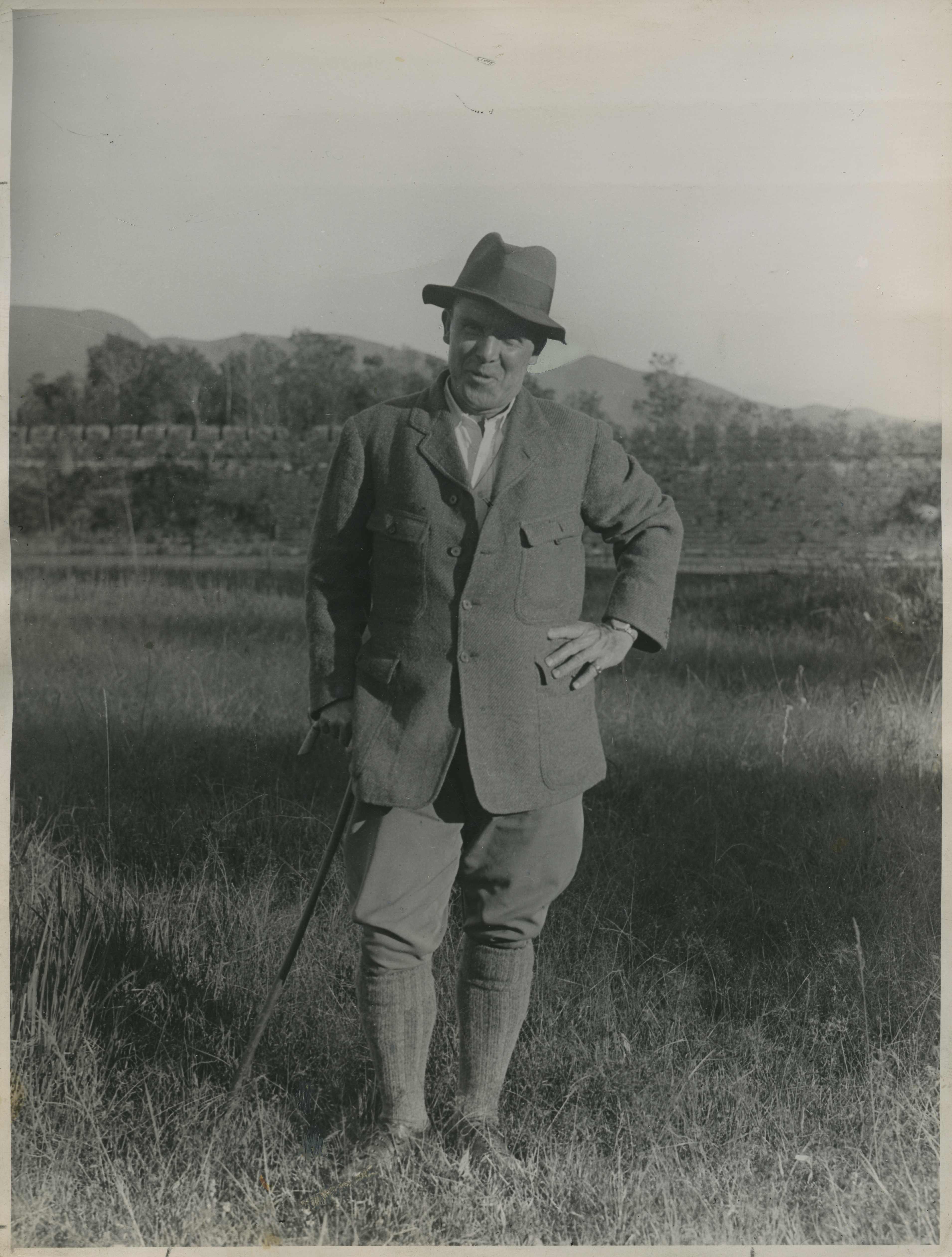
George Forrest © The Royal Horticultural Society and Royal Botanic Garden Edinburgh

The main focus here is on George Forrest, born in 1873, the Scottish plant collector whose collections still have a huge impact on what is grown in our gardens today. Son of a draper’s shop assistant, Forrest had an interesting earlier career after leaving school at 18 – he worked in a pharmaceutical chemists prior to getting a small inheritance that gave him the opportunity to travel to Australia where he undertook a few jobs including sheep shearing and gold-mining (McLean 2004). On his return to the UK, through a serendipitous stroke of luck in discovering a rare archaeological find whilst out botanising, he landed a job as an assistant in the herbarium of the Royal Botanic Garden Edinburgh in 1903 – gaining curatorial skills and insights necessary to make him an ideal plant collector in the field.

Continue reading