NatSCA Digital Digest – April

Compiled by Lily Nadine Wilks, Intern at Museum Development Yorkshire.

Welcome to the April edition of NatSCA Digital Digest!

A note from the Blog editor:

As you know, Digital Digest is our monthly blog series featuring the latest on what’s new in the natural history sector. We normally feature the latest on where to go, what to see and do in the natural history sector including jobs, exhibitions, conferences and training opportunities. With the onset of the lockdown, we can’t go anywhere physically, but perhaps now more than ever, there is still heaps of stuff out there to keep you entertained. I would like to welcome Lily to the Digital Digest team, who had the tough job of compiling her first ever Digest in our first month of lockdown! Many thanks and well done for all of your suggestions.

In this strange and unusual time more and more of us are looking online for fun things to do, read and watch. I have compiled some of my favourites:

Where Can I ‘Visit’?

If you are like me and are missing going out to museums and seeing physical exhibitions, the Smithsonian – National Museum of Natural History have the next best thing with a range of virtual tours through their permanent, current and past exhibits. There are plenty to choose from to keep you entertained.

Chester Zoo did two wonderful live virtual tours of some of their animals throughout the day on their Facebook page and YouTube channel. They are still up and if you didn’t catch them first time round they are definitely worth watching. My favourites are the adorable Red Pandas and the curious Meerkats. Find them all on YouTube here.
What Can I do?

The Natural History Society of Northumbria have issued the North East Bee Hunt to get help recording bee species across the North East. It comes with a handy identification guide, this is something I will be trying in my garden and on my daily outdoor exercise.

If you don’t have time to watch but are able to listen, I have enjoyed the Ologies series with Alie Ward, a comedic science podcast on all things ‘Ology’. I enjoyed Plumology (feathers) featuring Dr. Alison Shultz, the Ornithology curator at the Natural History Museum of LA.

I enjoy a good bit of competition and the University of Cambridge Museum of Zoology have created Open Your Window Bingo! You can get points for looking out your window and spotting Butterflies, Birds, Plants and Extras.

Good Reads?

I enjoyed reading the Late bloomer: the exquisite craft of Mary Delany blog from the British Museum, beautiful visuals accompany a story about Mary Delany who at 72 began producing floral collages. It is mind-blowing that the images are not painted but are paper collages.

April Fools came around once more and I thought the National Trust is definitely my favourite this year. Rangers on Brownsea Island are helping squirrels find their nuts.

As another bit of light relief, Laura Bailey has been sharing the adventures of Moley on Twitter. Moley is a stone seal. I have to agree with Moley on this one.

Before You Go…

If you have any top tips and recommendations for our next Digest please drop an email to blog@natsca.org.

Similarly, if you have something to say about a current topic, or perhaps you want to tell us what you’ve been working on, we welcome new blog articles so please drop Jen an email if you have anything you would like to submit.

Stay safe and keep well.

How To Get Money For Your Natural Science Collection

Written By Clare Brown, Curator of Natural Science, Leeds Museums and Galleries.

So you’ve got a lovely collection, with lots of lovely potential, you yourself have loads of lovely ideas for all the lovely things you could do with it but you have no money. It’s a pretty common situation in museums but there are ways to fund your collections and the rewards for doing so are BIG.

©Leeds Museums and Galleries

Where and How to Look

There are various companies you can subscribe to who will produce lists of funders that suit your project. People like https://www.grantfinder.co.uk/ and https://www.fundingcentral.org.uk/default.aspx but others are available. We’ve used these in the past in Leeds but haven’t kept up our subscription as museum funders rarely seem to change from year to year.

The main funders to consider in the natural science collection world are:

https://ellerman.org.uk/,

https://www.artscouncil.org.uk/funding-finder/designation-development-fund,

https://www.esmeefairbairn.org.uk/,

https://www.wolfson.org.uk/,

https://garfieldweston.org/,

https://www.museumsassociation.org/collections/esmee-fairbairn-collections-fund,

https://www.heritagefund.org.uk/

and absolutely not forgetting https://www.natsca.org/awards-and-bursaries

Continue reading

What Is That Spiny Thing?

Written by Ranee Om Prakash, Senior Curator – General Herbarium IV, Algae, Fungi and Plants Division, Department of Life Sciences, Natural History Museum

The Natural History Museum (NHM) holds over 80 million specimens and every single specimen tells a story.

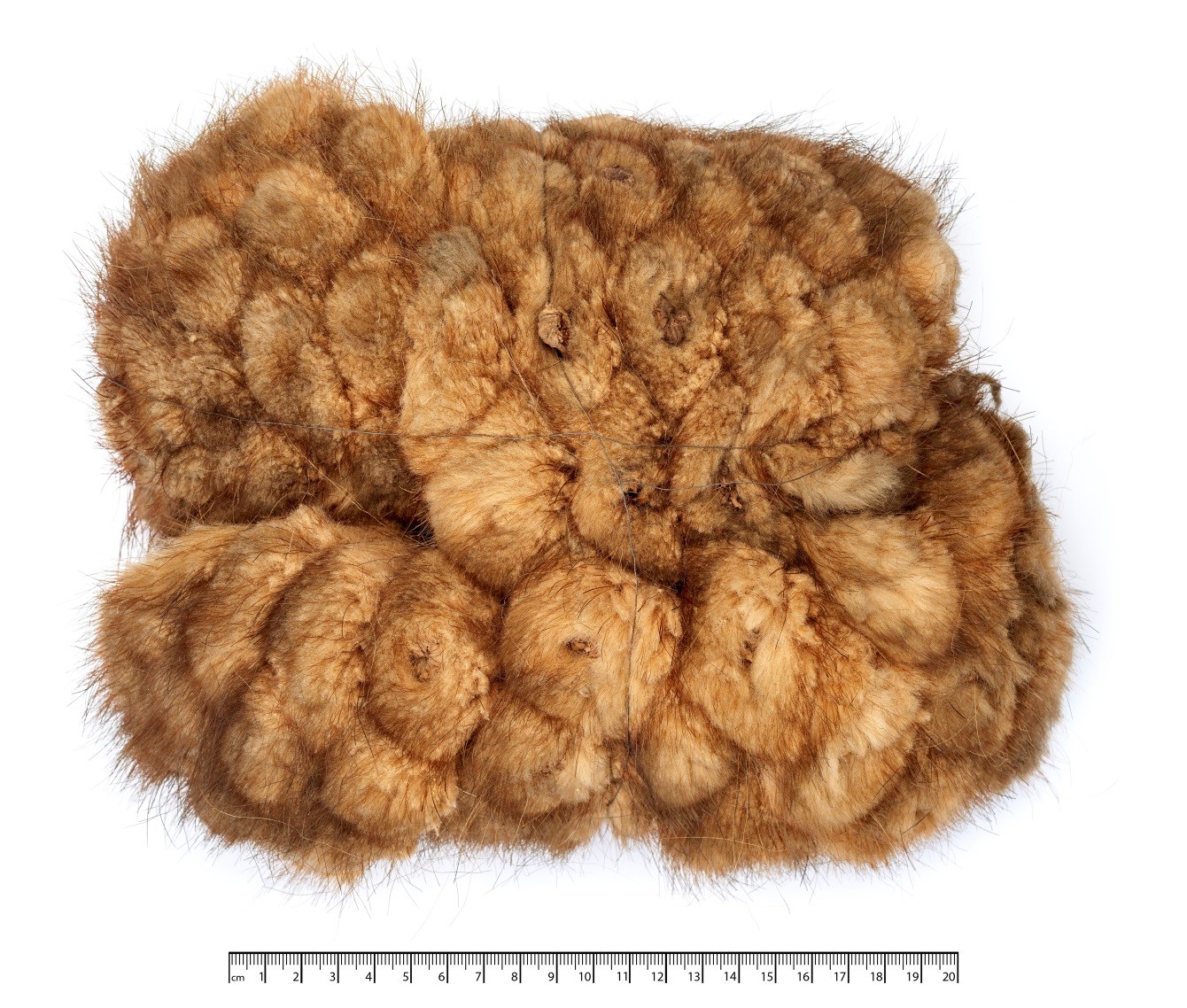
Amongst these 80 million objects, one such object is a specimen (Fig. 1) that the museum acquired from Mexico over 2 decades ago. This object excites curiosity amongst novices, students and the general public alike. Whenever anyone looks at this, the first thing they ask is what is that? A pineapple? A furry cat? Is it a sponge? The imaginations are limitless….

Fig. 1. Flower of Melocactus (© The Trustees, Natural History Museum, London)

Continue reading

NatSCA Digital Digest – March

Compiled by Jennifer Gallichan, Curator of Molluscs & Vertebrates at National Museum Cardiff.

Welcome to the March edition of NatSCA Digital Digest!

A monthly blog series featuring the latest on where to go, what to see and do in the natural history sector including jobs, exhibitions, conferences and training opportunities. If you have visited an exhibition/museum, have something to say about a current topic, or perhaps you want to tell us what you’ve been working on, please drop an email to blog@natsca.org.

Where Should I Visit?

Monsters Of The Deep opens on 20th March at the National Maritime Museum, Cornwall. Really curious to know what people think of this exhibition exploring centuries old myths of Krackens and Giant Sharks. I have also heard that there will be a Coelocanth on display for the first time in Cornwall!

Design For Life at Surgeons’ Hall Museums, Edinburgh explores the fascinating history of Comparative Anatomy and how integral it was to the beginnings of Surgeons’ Hall Museums. The exhibition will run until Easter 2020.

Continue reading

Exeter Shell Collection Designated by Arts Council England

Written by Holly Morgenroth, Collections Officer, Royal Albert Memorial Museum & Art Gallery (RAMM).

On 30 January 2020 Arts Council England’s (ACE) awarded Designated status to the George Montagu collection of Molluscs at the Royal Albert Memorial Museum & Art Gallery (RAMM). Just 152 collections in the country hold the coveted Designation award, and only a few of these collections are Natural History. Tullie House’s natural science collection recently received this accolade. The Designation scheme is a mark of distinction awarded to the finest cultural collections housed in non-national museums, libraries and archives across England.

Pioneering naturalist George Montagu (1753-1815)

George Montagu was the first person to collect and name British molluscs in a truly scientific manner. The shells were not just attractive curios. His work revolutionised the study of molluscs and his collection at RAMM is Britain’s most intact and taxonomically-important, early 19th-century collection of British shells (1800-1816). Today it is an essential resource for taxonomic research.

Continue reading