Exploring Materials in Natural History Dioramas

Written by Claire Dean, Curatorial Assistant at Tullie House Museum and Art Gallery, Carlisle, and MA Preventive Conservation student at Northumbria University.
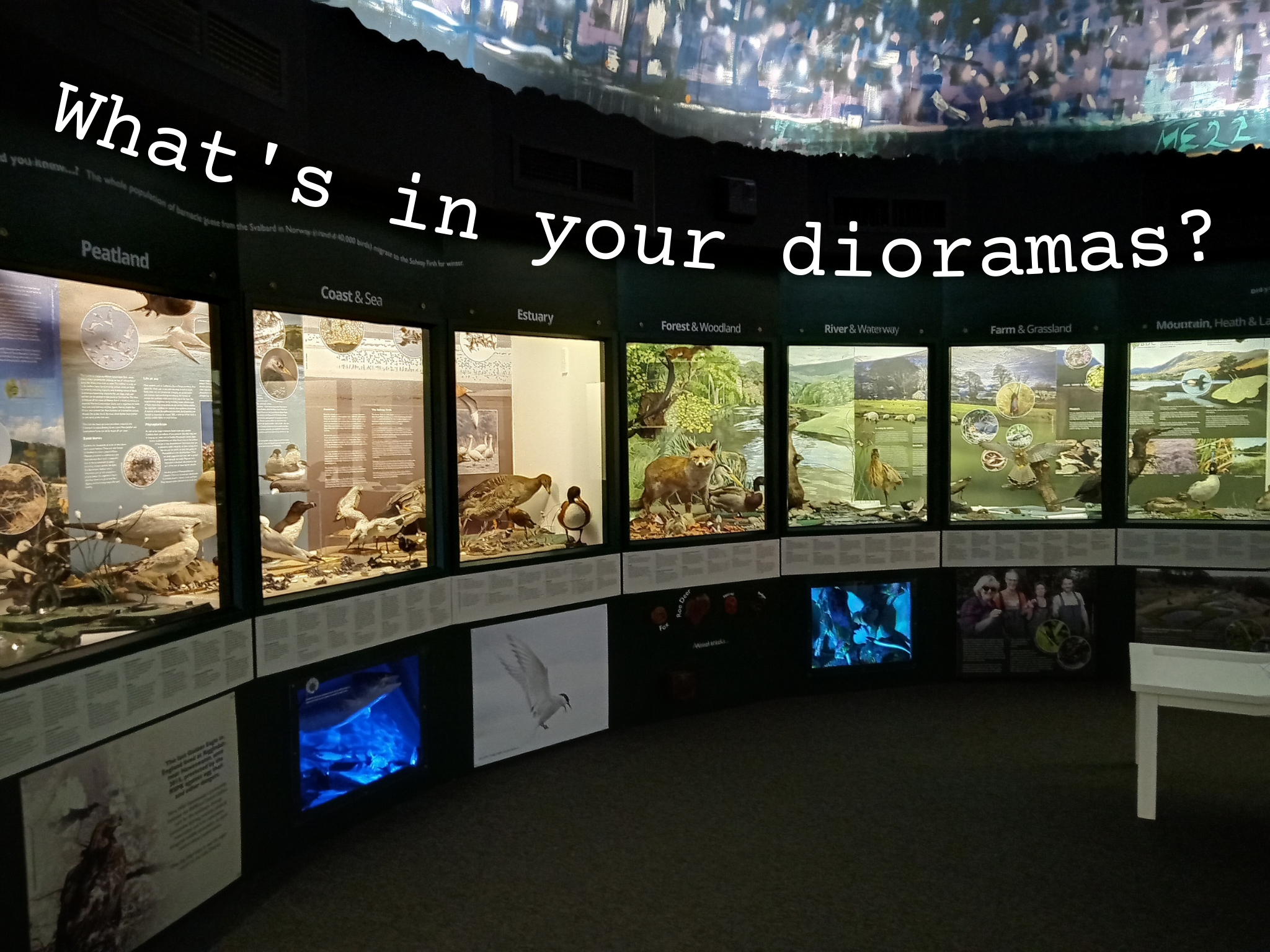
The wildlife dome at Tullie House Museum and Art Gallery
The wildlife dome at Tullie House Museum and Art Gallery Carlisle, C. Dean

In many old dioramas, material mysteries abound. As a Curatorial Assistant at Tullie House, I’ve encountered a tree trunk made from a Robinson’s fruit juice box, a fake roof that contained fibrous signs of asbestos, and a hodgepodge of unidentifiable paints and old plastics. The museum’s new-in-post Biodiversity Curator discovered pests thriving amongst the real vegetation and a 30-year-old slice of bread in a garden scene.

Dioramas aim to create the illusion of real habitats for their taxidermy inhabitants, and they use a huge range of materials to do so. After decades of neglect and destruction there is now wider recognition that habitat dioramas can instil a sense of wonder in visitors that no amount of digital wizardry can replace. Through my dissertation research for an MA in Preventive Conservation at Northumbria University, I wanted to find out more about what materials have been used in dioramas over time, how these might impact the preservation of specimens, and what we can do to better protect the dioramas that remain. I put a call out to ask, ‘What’s in your dioramas?’ through an online survey and received 30 responses from people with experience in a range of different sized institutions and private practice.

Continue reading
NatSCA Digital Digest – November 2022

Compiled by Olivia Beavers, Assistant Curator of Vertebrate Zoology at World Museum, National Museums Liverpool.

Welcome to the November edition of NatSCA Digital Digest.

A monthly blog series featuring the latest on where to go, what to see and do in the natural history sector including jobs, exhibitions, conferences and training opportunities. We are really keen to hear from you if you have any top tips and recommendations for our next Digest, please drop an email to blog@natsca.org.

Sector News

Museum Association Conference 2022 & The Wild Escape

Last week, the Museum Association held their Annual Conference from 3rd – 5th November in Edinburgh. The conference was online and in person for those that could attend.

One of the projects mentioned, that may be of interest to some, was The Wild Escape project led by Art Fund – ‘a major participatory project for museums and schools inspired by the wildlife found in museum and gallery collections’. The project was previously called the Great Escape but aims to connect nature and biodiversity particularly for children aged 7-11 but is relevant for all ages. The project runs from January to June 2023 but can be shortened/lengthened to your museum’s specific needs. Resources are currently online and more are still to come. Grants are still available in Scotland and Wales.

Visit their website to find out more about how to get involved in The Wild Escape project.

Online Symposium: Uniting Earth Science Collections

The Geological Curators Group (GCG) and The Society of Mineral Museum Professionals (SMMP)have scheduled a meeting and seminar: Uniting Earth Science Collections. The one-day, online symposium takes place via Zoom on December 1st 2022. The 49th AGM of the Geological Curators Group will follow the first session of the seminar. Find out more and register here.

Continue reading

Museo Giovanni Capellini – Wunderkammer or Modern Museum?

Written by Michela Contessi, Conservator, Museum University Network, Collezione di Geologia “Museo Giovanni Capellini”, Alma Mater Studiorum – Università di Bologna.

The Geological Collection “Museo Giovanni Capellini” is part of the University Museum Network in Bologna (SMA – Sistema Museale di Ateneo). The museum is in an 18th-century building and includes a core of 16th-century geological and paleontological collections dating back to one of the oldest natural history museums in the world, created by Ulisse Aldrovandi in 1556. Most of the two million specimens now hosted in the museum though, were acquired by Professor Giovanni Capellini (1833-1922), holder of the first chair of geology established in Italy and rector of the University of Bologna. The museum holds important (both historically and scientifically) collections of rocks, fossils and documents from all around the world (Europe, Africa, North and South America), including the 1909 cast of Diplodocus carnegii, which is a popular touristic attraction in Bologna.

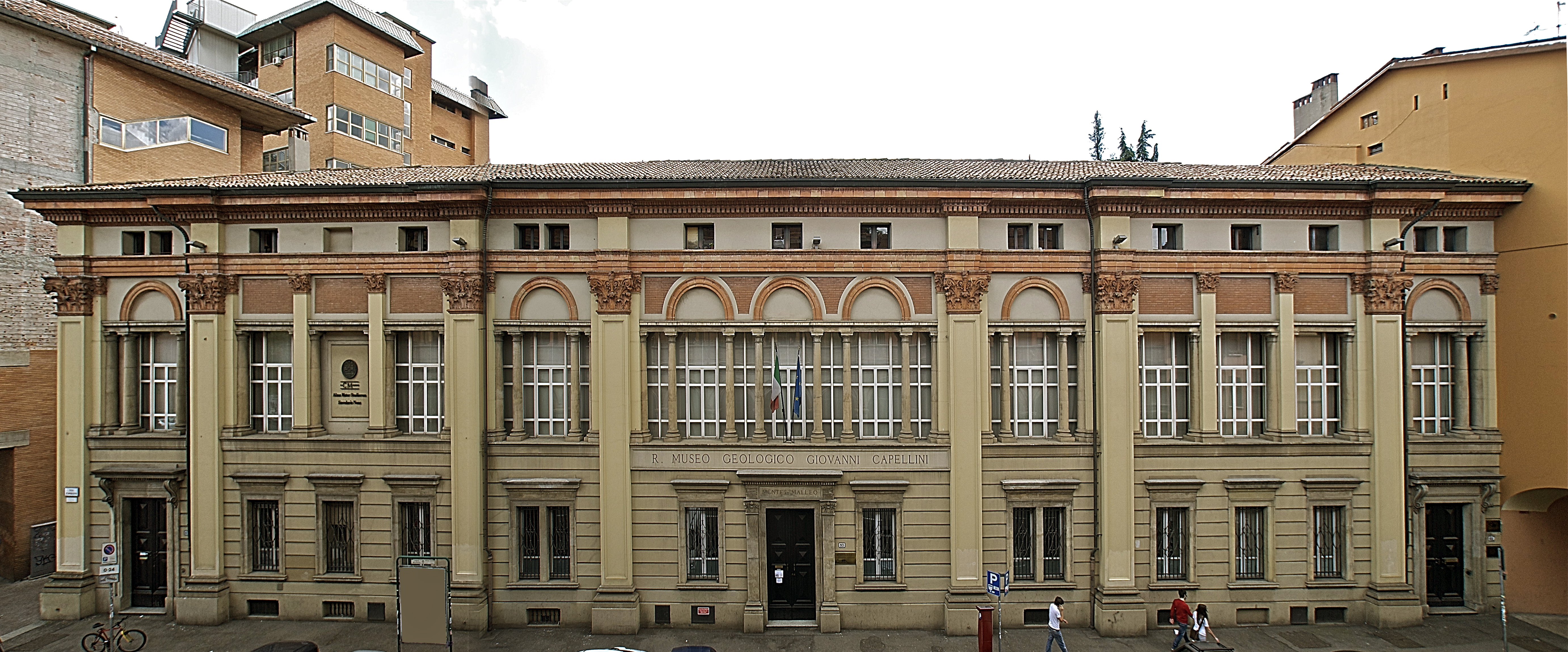
Facade of The Geological Collection "Museo Giovanni Capellini"
Figure 1 – Museum facade. © @Sistema Museale di Ateneo – University of Bologna

However, and here comes the problem…

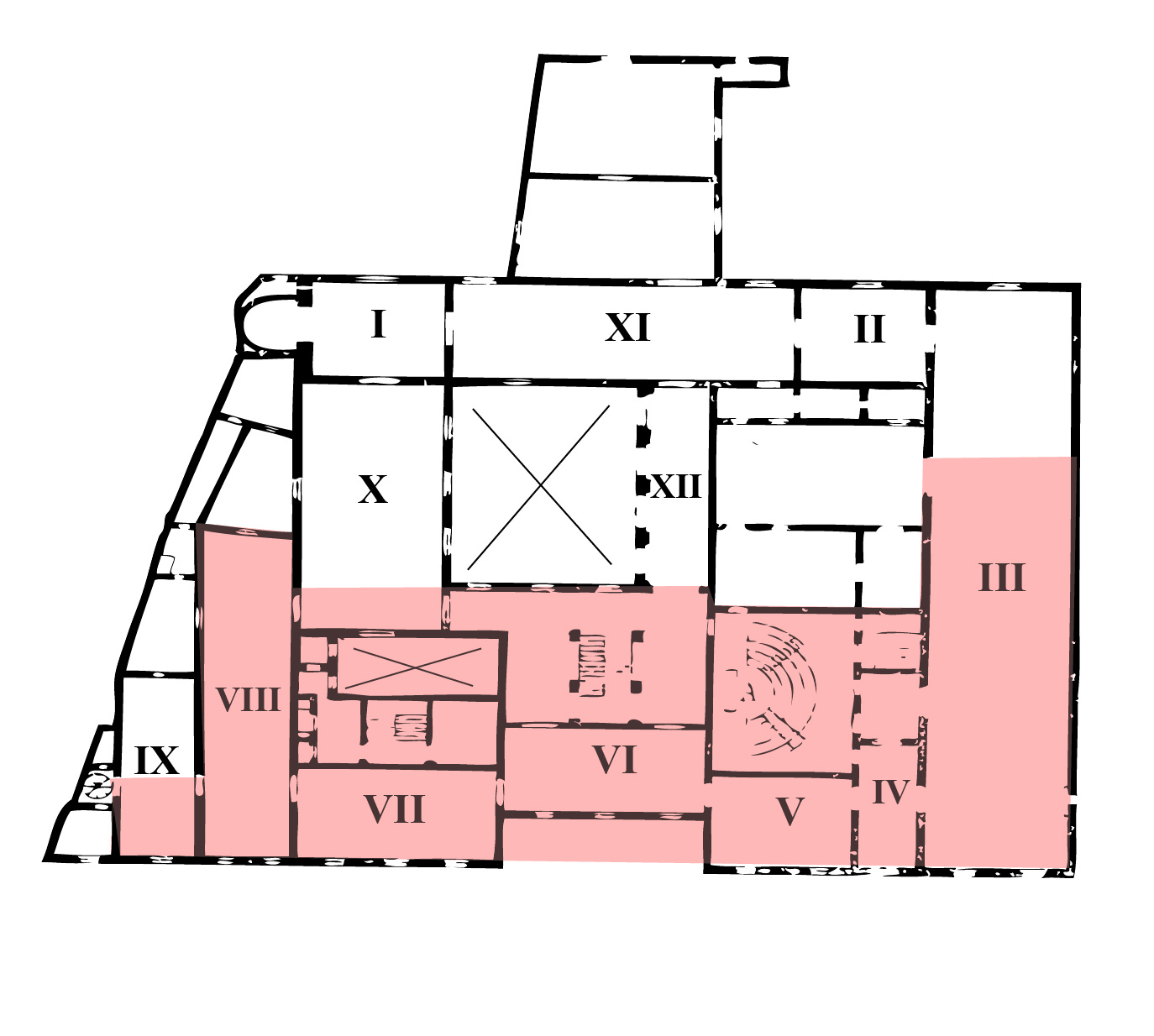
After Capellini’s death in 1922 little was done for the museum, in the early 1960s, when the new-born Institute of Geology and Paleontology was built, the museum building was literally cut in half and the collections crowded into half the original space.

Figure 2 – Museum plan in 1911, shown in red is the current available space.
Figure 2 – Museum plan in 1911, shown in red is the current available space. © @Sistema Museale di Ateneo – University of Bologna

Structural issues arose due to this move, and the museum was closed to the public for almost 30 years. After a major renovation, funded for the ninth centenary anniversary of the University in 1988, the museum was given a new lighting and heating system, reopened to the public and it welcomes several thousand visitors a year since then. The building is now solid (as an old 500-year-old lady can be), but again nothing has been done since, and what looked like a good compromise in the eighties is now obsolete.

Continue reading

NatSCA Digital Digest – October 2022

Compiled by Glenn Roadley, NatSCA Committee Member, Curator of Natural Science at The Potteries Museum & Art Gallery.

Welcome to the October edition of NatSCA Digital Digest.

A monthly blog series featuring the latest on where to go, what to see and do in the natural history sector including jobs, exhibitions, conferences and training opportunities. We are really keen to hear from you if you have any top tips and recommendations for our next Digest, please drop an email to blog@natsca.org.

Sector News

COP27 and Action for Climate Empowerment
COP27 will be happening in Egypt, in November, as the international meeting of governments to progress climate action. The main programme for the Paris Agreement and the UN Framework Convention on Climate Change (UNFCCC) that relates to the work of museums was already adopted at COP26, in Glasgow. This is called the Glasgow Work Programme on Action for Climate Empowerment and runs from 2021-31. It covers the public-facing aspect of the UNFCCC and Paris Agreement, relating to education, training, public awareness, access to information, public participation and international co-operation on climate change matters. The new programme also sets out a framework for stronger climate action, through effective policies, co-ordinated action, sharing tools and support, and more effective monitoring and communication of climate actions. The new programme specifically points out the important role of a range of sectors, including museums, educational and cultural institutions. Climate action is not just for COP, nor is it just for governments, and the new programme is both a recognition and an invitation for sectors to play their part.

Continue reading

Book Review: A Historical Directory of Taxidermists.

Reviewed and written by Jazmine Miles Long, Taxidermist. https://www.jazminemileslong.com, Twitter: @TaxidermyLondon; Instagram: @Jazmine_miles_long

A Historical Directory of Taxidermists: Bird and Animal stuffers, Naturalists, Beast and Bird Preservers in Southwest England and Wales. Early 19th C to Mid-20th C.

A directory complied by Kelvin Boot
Published by MPM Publishing
2022
ISBN 978-1-7397161-0-3
Contact – kelvinbootbooks@gmail.com

This book is a must have for any researcher exploring the lives and work of taxidermists from Southwest England and Wales during the 19th and 20th Century. 140 pages in black and white including some images of taxidermists trade labels.

The book is a thorough directory of the taxidermists trading in the area at the time, the introduction cites how the directory was researched, exploring printed documents, not only naturalists publications but newspapers, trade directories and census records where taxidermists may have been mentioned or advertised. Exploring what the life of a taxidermist may have been like and how just like today it was the ‘celebrity’ taxidermists that would have been more likely to be written about.

Continue reading