
Written by Sebastien Lherondel-Davies, 2nd year BSc student, Swansea University, whilst on placement at National Museum Cardiff and Swansea Museum.
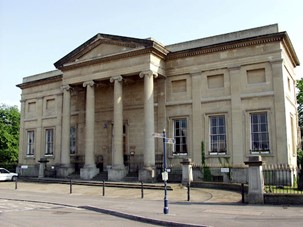
On Wednesday 13th December 2023, conservators and curators from all over Wales gathered in Swansea for the first in-person Conservation Matters Wales Christmas Conference since the pandemic. Conservation Matters Wales is a collaboration between Amgueddfa Cymru – National Museum Wales, the Federation of Museums and Art Galleries in Wales, and Cardiff University. The event, hosted by the delightful Swansea Museum, was an opportunity for professionals in the museum collections conservation sector to come together and share the wide range of projects they have been working on. The conference provided us with the chance to present our research project on a historic Lepidoptera collection.
Our Project
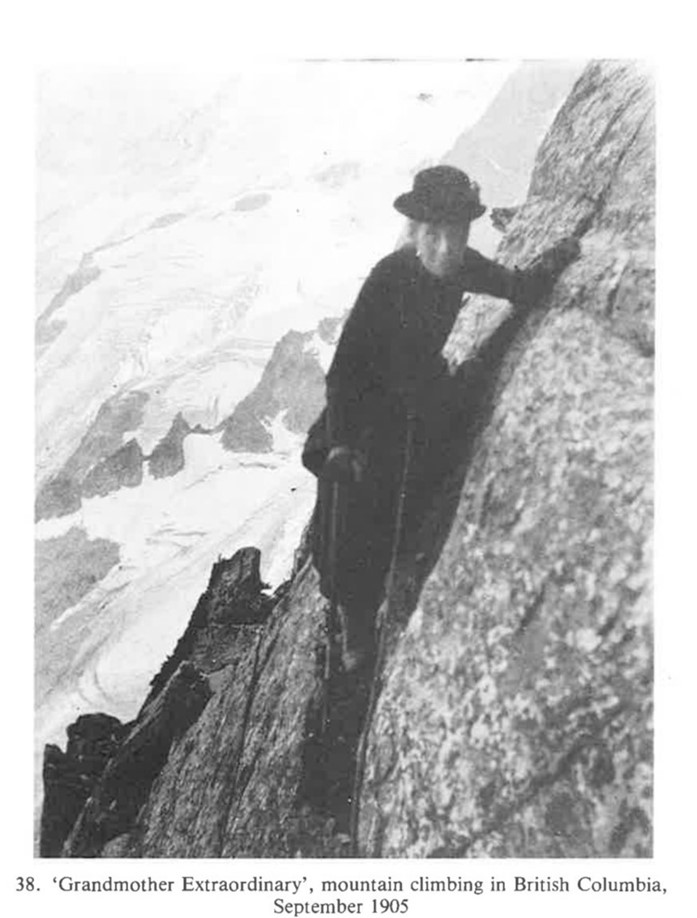
Kanchi Mehta and myself are undergraduate students from Swansea University working with Swansea Museum and Amgueddfa Cymru – National Museum Wales on the digitisation and conservation of the Mary de La Beche Nicholl Lepidoptera collection. The collection includes over 400 species, with over 9000 individual butterfly specimens, amassed by Mary de La Beche in the late 19th and early 20th centuries. During her travels across Europe, North Africa, the Middle East and Canada, Mary collected butterflies, scaled mountain ranges and wrote scientific publications on her findings. Her collection was donated to Swansea Museum and is an important record of historical biodiversity. It is geographically broad, has a wide taxonomic representation and includes some rare specimens. It is also important to recognise the value of Mary’s contribution to entomology as an early woman in STEM.

Overall, the collection is in good condition. We have identified some conservation issues within the drawers and will be undertaking some simple conservation work to specimens affected. Issues noted are pest damage, broken wings, loose pins, naphthalene and verdigris. This essential work will help to ensure the longevity of the specimens for the future. We are then digitising the collection using specialist equipment at Amgueddfa Cymru – this involves making a digital copy of the physical items and compiling any data we can get out of it. This process will make Mary’s collection accessible to other scientists.

At the end of this project, Kanchi and I hope to have had a successful year in industry placement and we’ll have had a taste of work in a natural science collection museum department. As this is a partnership project involving collaboration between Swansea University, Museum Wales and Swansea Museum there are new links being created amongst these institutions.
The Conference
The conference theme was “simply one of sharing your conservation related story to celebrate the diversity and creativity of our work”. The morning saw some talks on heritage sites and artefacts, with projects looking at decolonialisation in Wales and the preservation of street artworks with significant cultural importance. Following these was a talk focusing on the work of Swansea artist Elizabeth de La Beche, the mother of our scientist Mary de La Beche. This served as the best set-up we could have asked for to deliver the presentation on our project. Our preparation for the day proved to be fruitful as our presentation was received well, with many of the guests particularly enjoying the photograph of Mary displaying her impressive mountaineering skills. The welcoming atmosphere at the conference and the warm reception from the conservator community put to rest any anxieties over presenting. I definitely benefited from this experience, gaining confidence in my ability to present to large audiences and learning what it takes to prepare a 20-minute presentation that keeps the audience engaged.
Other talks later in the day included work carried out over two years on Victorian paper curtains from a manor in Ireland that were restored to their original quality and work by National Museum Cardiff on researching the fading of red pigments in Van Gogh paintings. Going further back in time, a project in Newport working on the salvaging and exploring the wooden hull of a Spanish Medieval ship. This project piqued our interest as there were so many mysteries with this ship, from a skeleton pre-dating the ship by a thousand years to an Italian nobleman’s helmet belonging to a different time and place that had somehow found its way to the ship. However, conservation projects are not only limited to artefacts from the past – we heard talks from an organisation using modern Virtual Reality equipment, adapted from video gaming technology to produce interactive software allowing users to explore dinosaur fossils in a virtual museum gallery.
Final Thoughts
Overall, this was an excellent experience that I would recommend to anyone in the conservation sector looking to branch out and meet like-minded individuals. The day was very successful, and I learned some fascinating stories about crucial work being done in Wales across a broad spectrum of collections. It was warming to see there is a thriving community in Wales of professionals in the conservation sector. Finally, this is great exposure for the collection itself – it’s adding to the worlds growing demand for biodiversity data. It’s been a privilege to bring to light one of the many empowering stories of women in STEM through Mary de La Beche Nicholl. Anyone who wants to learn more about this lady and see her collection can visit Swansea Museum.
You can read more about Mary de la Beche Nicholl here.

 NatSCA
Pingback: NatSCA Digital Digest – November 2024 | NatSCA