
Written by Bethany Palumbo, Head of Conservation, Natural History Museum Denmark.
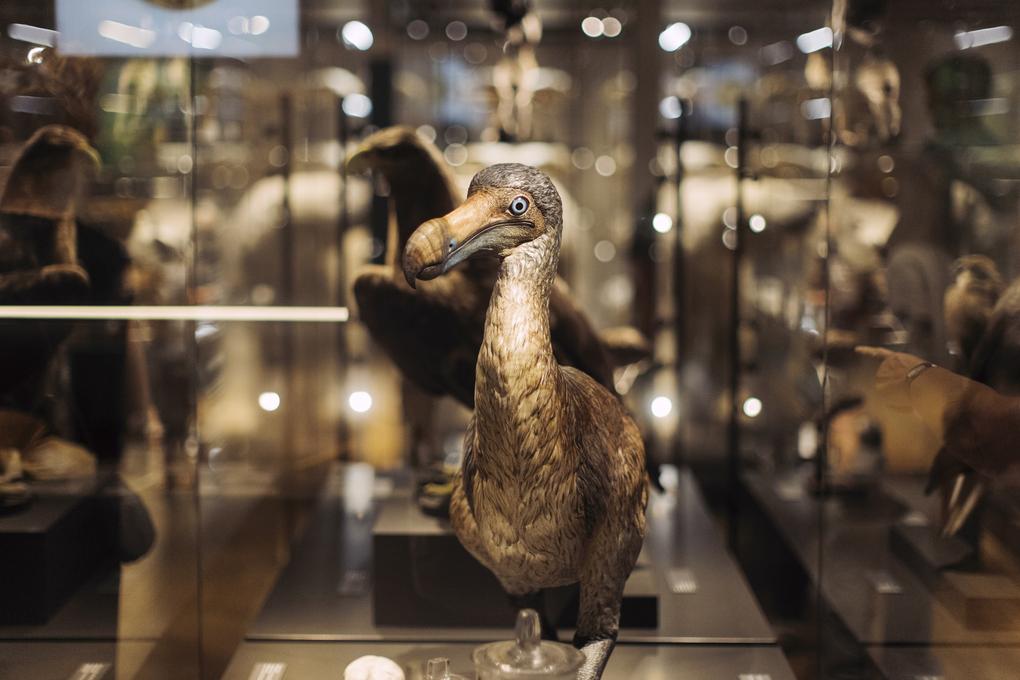
In June 2024, the Natural History Museum Denmark opened a new temporary exhibition titled ‘Wild, Wonderful World or ‘Vilde, Vidunderlige Verden’ in Danish. The exhibition presents the colourful, authentic stories behind specimens, and introduces new perspectives on how to think about nature and the significance of the natural history collections.
For the past several years, temporary exhibitions at the museum had all been loaned exhibitions from other institutions. We decided that this one would instead be entirely from our own historical collections, with some of the specimens on display dating as far back as 400 years. This blog post will present 3 fascinating object stories from the exhibition that I am especially excited to share.
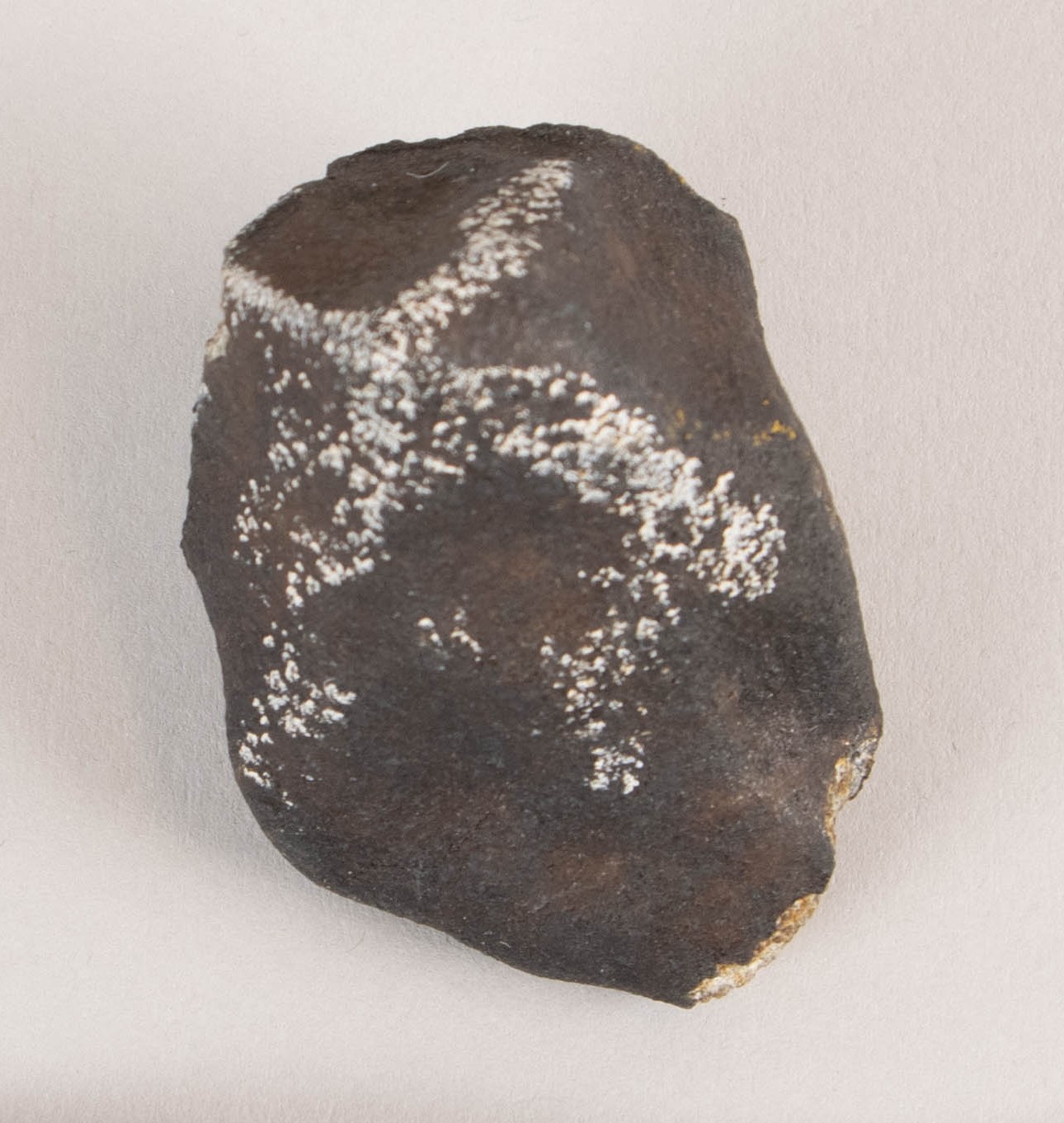
The first is the Ejby meteorite from Denmark. This was discovered by 6-year-old Melina who found it in her school playground. Her mother, upon realising the ‘rock’ was magnetic, handed it over to the museum who confirmed it to be part of the 2016 ‘Herlev Meteorite Fall’. The cutest thing about this specimen is that Melina drew on it with crayon before giving it to the museum and this has been left in situ as part of the object’s collection story.
You can also watch this video: https://www.dr.dk/nyheder/indland/video-6-aarige-melina-gik-paa-meteorit-jagt-i-frikvarteret
Another fascinating specimen is the 300-year-old foetus of African elephant (Loxodonta africana), preserved in alcohol. It was originally part of the ‘The King’s Kunstkammer’ a royal collection of spectacular objects, both natural and man-made which was founded by King Frederik III in 1650. In the Kunstkammer, objects were divided by material type and held in various chambers, i.e. ‘Natural Kammeret’ where this little one was displayed. A record from 1737 mentions the specimens of the Natural Kammeret being ‘monstrous’ but its impossible to look at this foetal specimen and see a monstrosity. The specimen is an interesting reflection on how animals, especially those unfamiliar to Europeans, were historically perceived. The Kunstkammer itself was eventually dissolved in 1825 and the collections transferred to the newly established specialised museums, marking the end of the Renaissance idea of all-embracing collections in favour of a modern view of the world divided into different sciences.

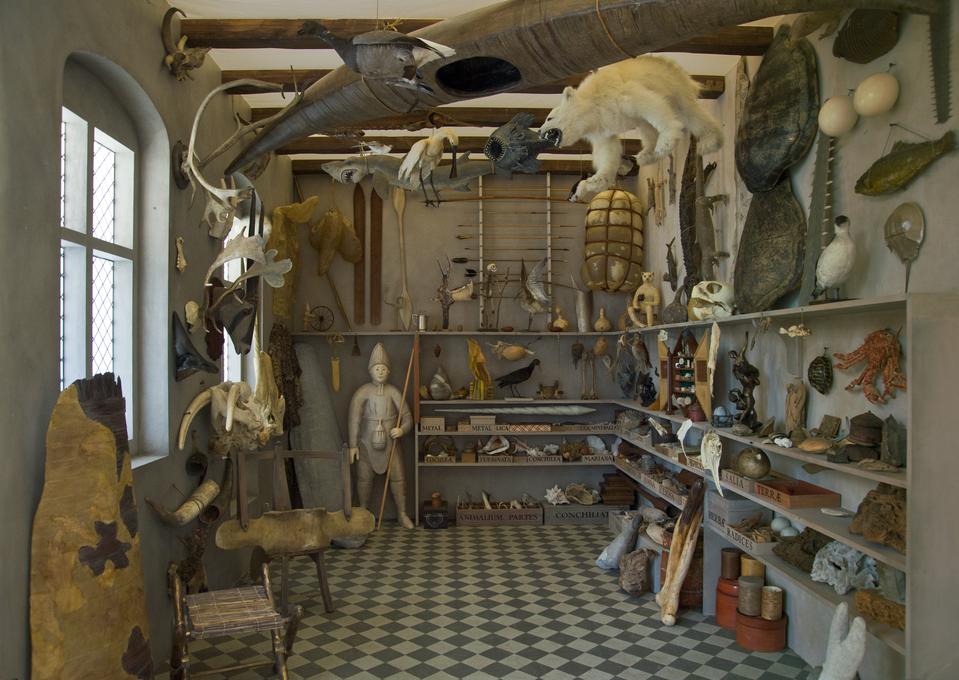
Finally, the exhibition also includes a 3D art installation by American artist Rosamond Purcell. This piece titled ‘One Room’ is a near complete reconstruction of the Museum Wormianum, as shown in the famous engraving by G.Wingendorp from 1655.
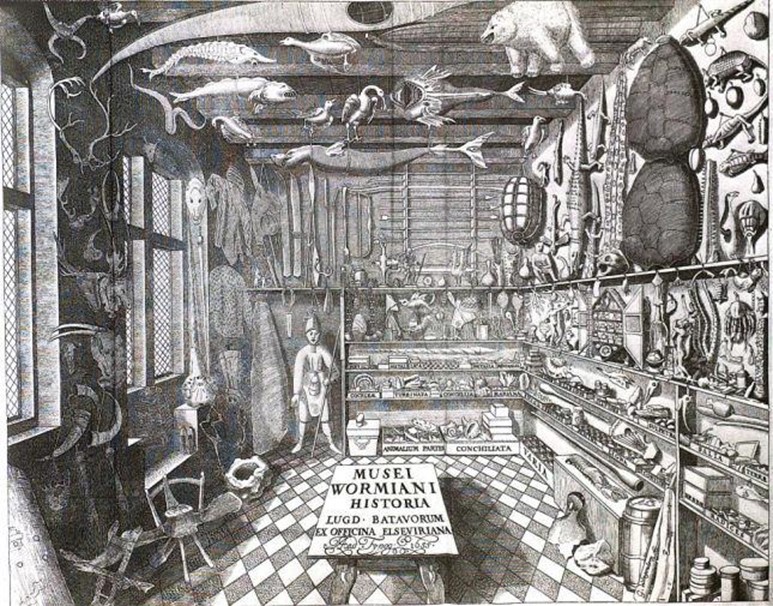
The ‘Museum Wormianum’ was the private collector of esteemed Dane Ole Worm (1588-1654). Ole Worm, a professor at the University of Copenhagen, built what many in our field refer to as the first ‘museum’. During his life he collected and organised a large number from both the mineral, plant and animal kingdoms. The collection also contained antiquities and ethnography, which were both a supplement to his teaching and an expression of his interest in ancient monuments.
The art installation includes both real specimens and recreations of the various curiosities seen in the historical engraving. For natural history museum nerds, seeing this in person feels like the holy grail!
These are just 3 examples of the many amazing objects we now have on display in ‘Wild, Wonderful World’. The exhibition is open to visitors until summer 2026, when many of the objects on display will be relocated to permanent exhibitions in our new site. I look forward to welcoming you to Copenhagen soon!
Sources
Gundestrup, Bente, The Royal Danish Art Gallery 1737, I-II, National Museum, 1991
https://natmus.dk/museer-og-slotte/nationalmuseet/udstillinger/kongens-kunstkammer/
https://snm.dk/en/exhibition/wild-wonderful-world

 NatSCA
Pingback: NatSCA Digital Digest – October 2024 | NatSCA