Uses of Natural History Collections – NatSCA2014 Meeting

20140714-084406.jpg

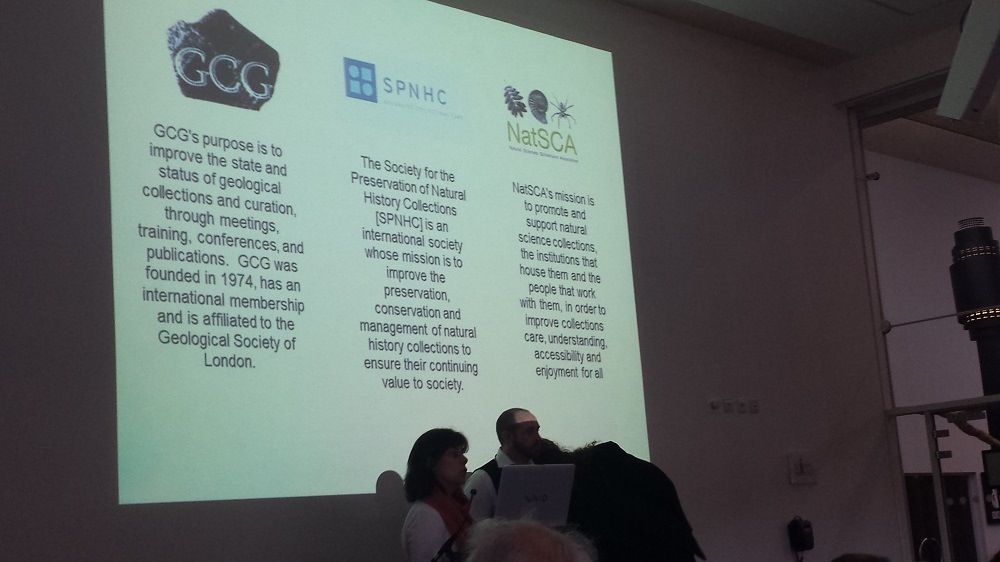
Day three of SPNHC2014 kicked off with the NatSCA conference! Clare Brown introduced the session with a brief account of the importance of NatSCA. Many non-specialist museums do not have access to staff with an understanding of science, and so NatSCA can provide support to these institutions as well as demonstrate the importance of advocating collections and the many different uses that can be made of them.

The NatSCA conference continued with a series of (strictly!) five minute presentations.

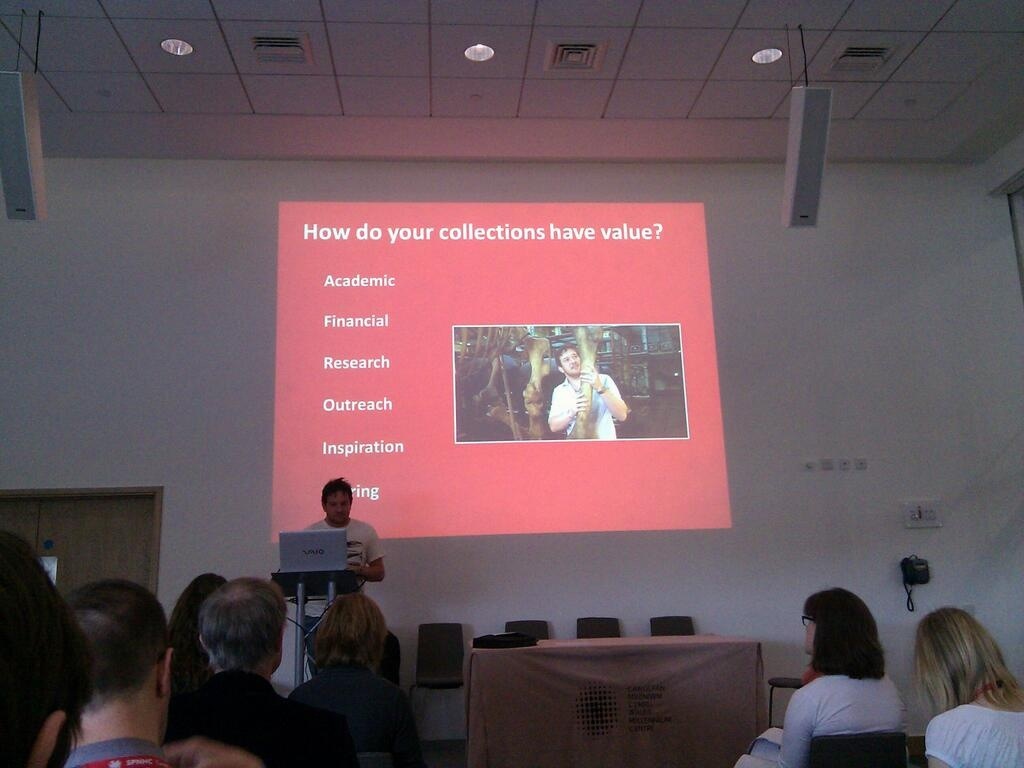
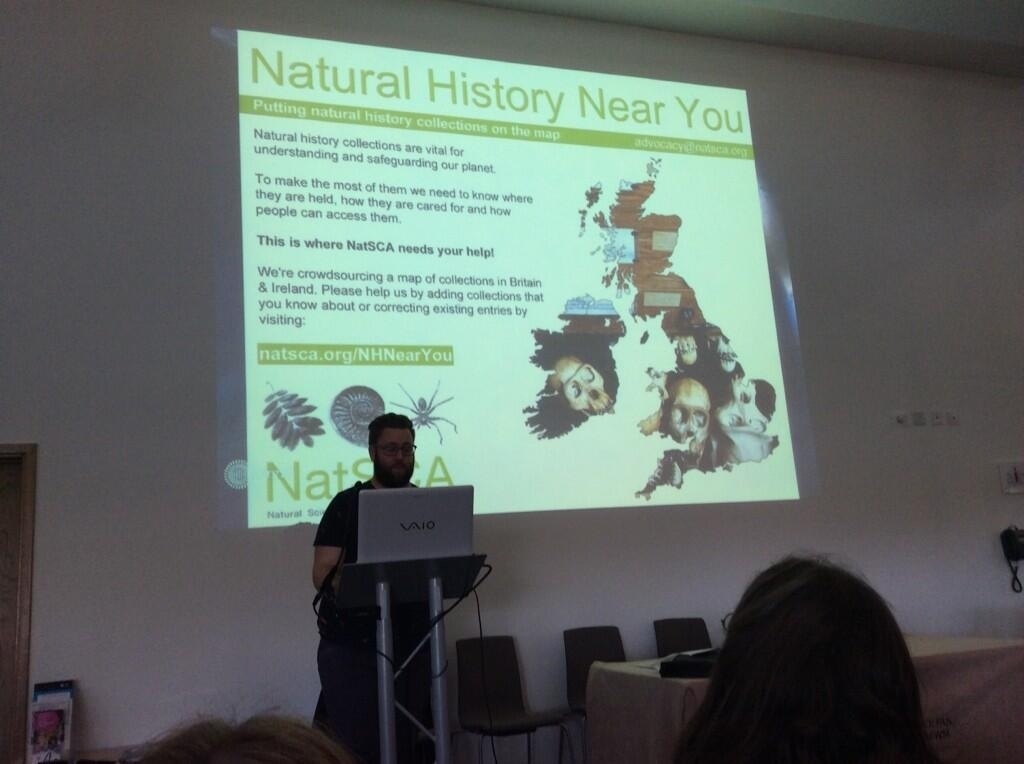
Henry McGhie, of the Manchester Museum, discussed how natural history collections are under-appreciated and underused, and how an informal partnership of museums in the North West has formed in order to aid advocacy.

Rob Huxley, Natural History Museum, London, showed that museums could be used much more by a range people, such as molecular biochemists, vets, geneticists or medical practitioners. We need to think of strategies for reaching out to many more people that could make use of the collections.

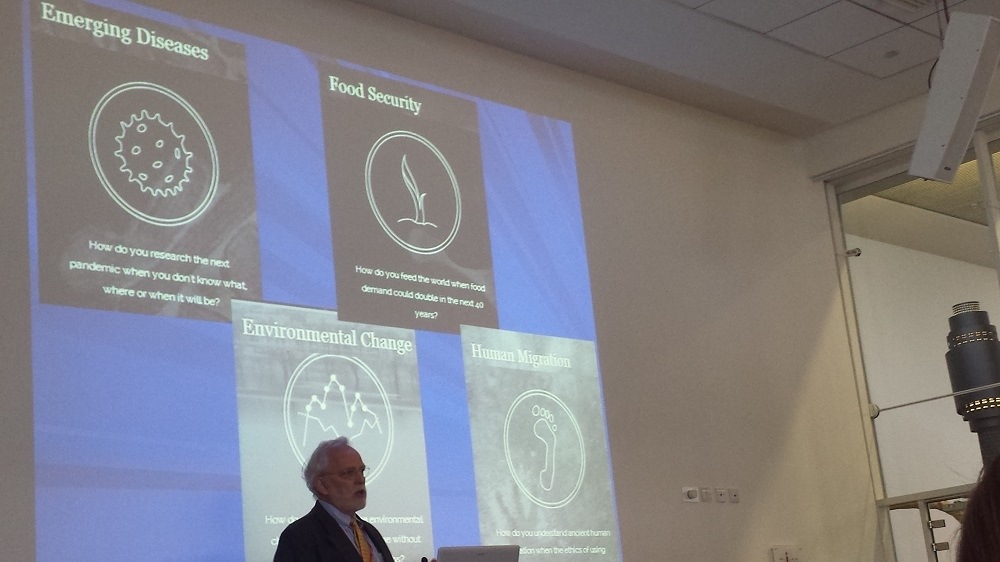
David Schnidel from the NMNH Smithsonian Institution suggested we focus on what others might want from the collections, and the new uses that could be discovered for data. Scientific collections could hold answers for research in a range of fields such as the food shortage crisis, disease research and climate change. In addition to scientific research, collections could be used for inspiration for artists, fashion designers, or even architects. With millions of objects across the UK, the opportunities for expanding the usage of our collections could be endless!

Glenn Roadley, Natural Science Curatorial Trainee
20140714-084334.jpg

Advocacy for Collections – SPNHC2014 Day Three

20140705-110102.jpg

Today we have a write-up by Rachel Jennings of the Horniman Museum, London:

The need to advocate for natural history collections, so that those making decisions about the future of museums can understand their importance, has been a recurring theme over the last few years – and SPNHC 2014 was no exception. The Thursday morning session, chaired by NatSCA, focused on this very topic. Ben Garrod, in his keynote speech, stated that we need to inspire our visitors so that they become our advocates. Luanne Meehitiya of Birmingham Museums argued that advocacy must start with basic concepts, such as ‘What is natural history?’, because, while it is obvious to us, our visitors and colleagues may have a very different idea.

While the afternoon sessions on collections were not overtly advocacy-themed, I still found the thread running through, with many examples of the importance of natural history collections. Bethany Abrahamson of the University of New Mexico (UNM) showed, by looking at publication records, that natural history collections are supporting a much wider range of research now than ever before. J. Tomasz Giermakowski, also of UNM, demonstrated that historic collections data can be used to target hotspots for current conservation efforts. Tiffany Adrain of the University of Iowa showed that historical research can reveal the importance and improve the future research potential of forgotten specimens.

While advocacy is not a new topic, this year I left the conference feeling that there was a new optimism, as colleagues from all over the world came together to share their vision for the future of natural history collections.

20140705-110129.jpg
Photo by Judith C. Price