Museums Unleashed: Using traditional and social media to reach audiences, build communities, and transform hearts and minds

This year’s NatSCA conference at Bristol’s M Shed brilliantly championed the ways in which TV, storytelling, and social media can engage and inspire the public with fantastic natural history content, and make museum collections come alive. Wendy Darke, head of the BBC Natural History Unit, opened the conference with a moving presentation on the enduring power of the BBC Natural History Unit to produce jaw-dropping films that stir our hearts, like Life Story and Frozen Planet, versus shows like the Lost Land series that appeal to those of us who want to understand more about nature and expand our minds.

The equally inspiring Sara Zeidler, Social Media Manager at BBC Earth, discussed how the team have built an impressive global community of 4.85 million fans across six social media platforms including Twitter, Facebook, and Instagram. The popularity of the Natural History Unit filming in all corners of the globe has allowed the public to connect to the researchers and filmmakers, places and wildlife being filmed in real time through #EarthCapture and #Earthonlocation. Sara emphasised that nature content that is positive, surprising,and emotional provides the best hooks for audiences.

As an archaeologist who is passionate about geology, Prof. Iain Stewart is one of my heroes of popular science. A passionate academic, like Prof. Alice Roberts, he has successfully communicated the stories of geoscience for over a decade, from Earth: The Power of the Planet, to the more recent Rise of the Continents. In his talk, ‘50 Shades of Grey’, he explained that geology works on TV because it deals with ‘Big Histories’ that ultimately help tell our human story. Iain passionately believes in science for society, and raised the important question of how to maintain meaningful public engagement with increasingly disparate audiences in a world where the Internet has overtaken TV as the main source for the dissemination of scientific knowledge.
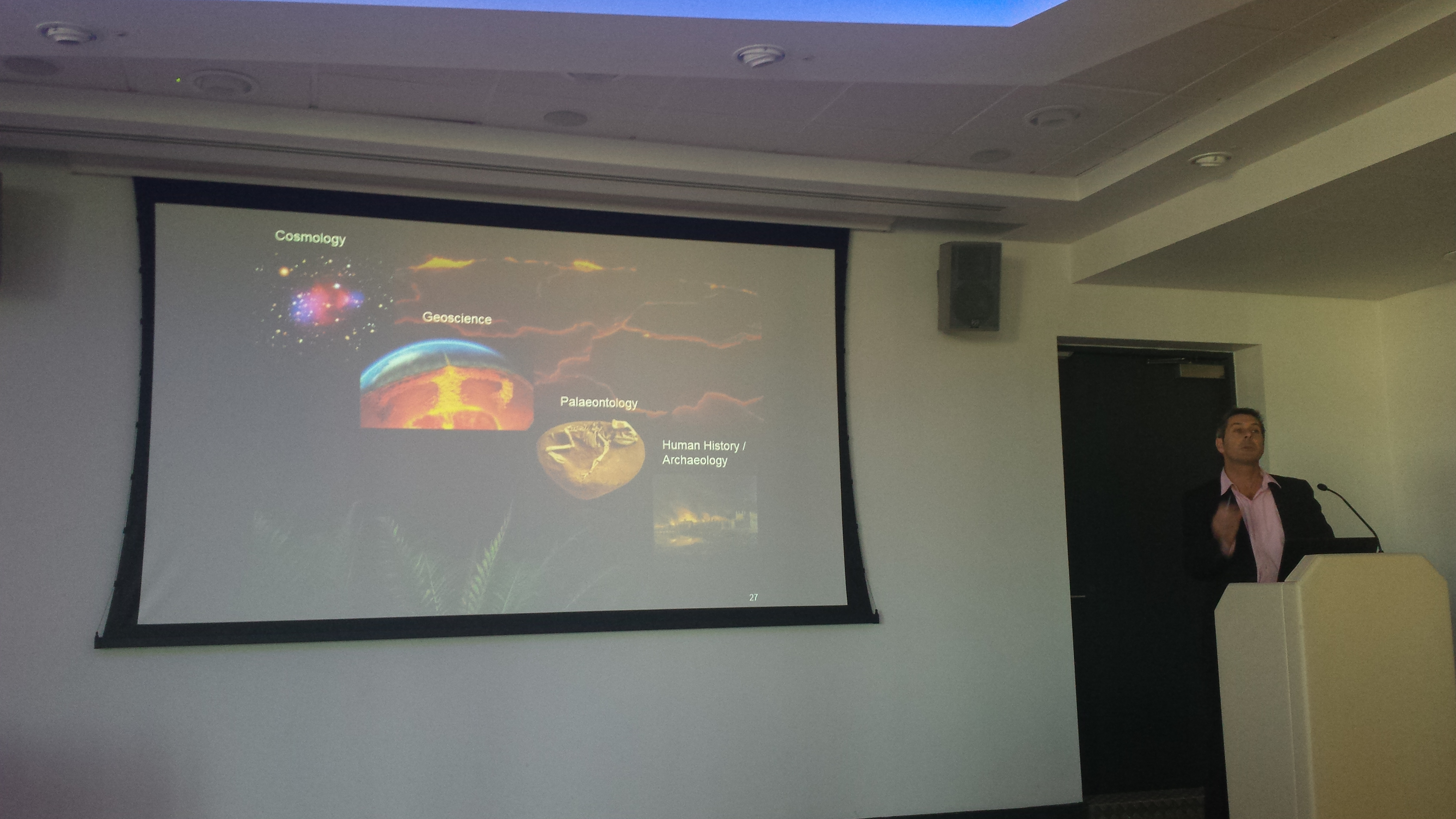
Prof. Iain Stewart explains the continuum of science programming. (Image: Anthony Roach)

Prof. Iain Stewart explains the continuum of science programming. (Image: Anthony Roach)

Iain’s research into audiences explained that many of us fanboys and fangirls are of course continually engaged in science programmes, events, and activities. We also see the benefits of science in solving societal issues. But Iain raised the strong need to find new ways to reach those who are disengaged in science (either because they lack interest, do not see the relevance in their lives, or perhaps just don’t make the time for science), and move away from ‘disasters and dinosaurs’ TV.

The second half of the conference displayed the shared passion of museum professionals who were inspired by their collections and wanted to ‘be where their audiences were’. @oisinthedeer at Warwickshire Museum was a superb example of how museum mascots can be used as a springboard for a museum looking outwards to its audiences. The composite Irish Deer skeleton has been at the centre of a successful twitter campaign that has given the museum a voice to promote its collections, events, and activities, and ‘build the buzz’.

I enjoyed hearing from Kate Mortimer about the National Museum of Wales’ joined up approach to social media to improve the visibility of their amazing collections. The use of ‘tweet guides’ has allowed colleagues across the museum to co-ordinate the scheduling of tweets, such as #MolluscMonday and blog posts about specimens. My personal favourite being that of the conservation of Arthur the Arthropleura. Kate explained the added longevity that Storify brings to their social media platforms through curating particular tweets and posts. This strategy has enabled colleagues to build deeper public engagement with their diverse and beautiful collections.
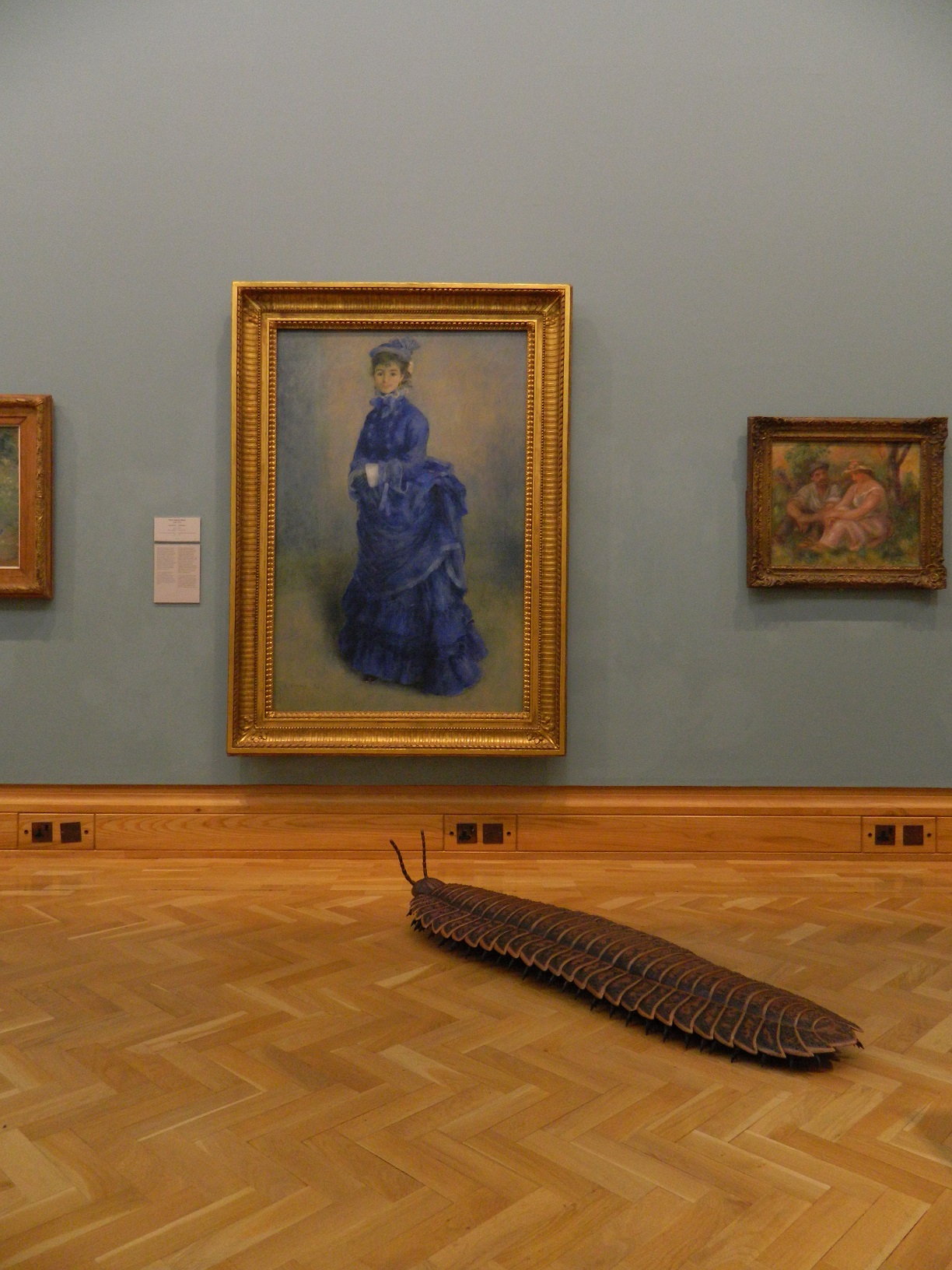
Arthur the Arthropleura visits the impressionists (Image source: http://www.museumwales.ac.uk/blog/2014-11-11/The-Adventures-of-Arthur-the-Arthropleura-/)

Arthur the Arthropleura visits the impressionists (Image source: http://www.museumwales.ac.uk/blog/2014-11-11/The-Adventures-of-Arthur-the-Arthropleura-/)

My overall favourite for the innovative use of social media to engage audiences with collections projects was ‘Objects, Meet World!’ by the Horniman Museum and Gardens. Rachel Jennings explained the benefits of Tumblr as a micro-blogging platform to upload multimedia object content during the Horniman’s major review of their anthropology collections. The platform is quick and easy to use, and allows users to put together an interesting story about the object in a few sentences. As a result of their sterling work, the site has generated interest world-wide, gaining a whopping 39,000 followers in under three years. And if you’re a fan of sticks, just check out their ‘Stick of the Week’.

Thanks to Bristol Museums and NatSCA for organising a brilliant conference and set of collections tours, and I look forward to seeing what museums will unleash next year!

Anthony Roach, NHM

NatSCA Digital Digest

ChameleonYour weekly round-up of news and events happening in the world of natural sciences

Jobs

Curator, Grant Museum of Zoology, UCL. It’s here! The job I’m sure you’ve all been waiting for. Just make sure you get your applications in by 3rd August 2015!

Interpretation Producer, Kew Gardens. Closing date: 5th July 2015.

Conservation and Documentation Manager, Bristol Museums, Archives and Galleries. Closing date: 19th July 2015.

See the job page of the NatSCA website for more exciting opportunities!

News

The deadline for submissions to the next issue of the Journal of Natural Science Collections is 15th July 2015. Get writing! Guidelines for authors are available online, and please send your submission and any queries to Jan Freedman (editor@natsca.org).

Around the Web

Donna Young of Liverpool Museums has been busy digitising Brendel plant models.

A look inside the collections of National Museums Scotland.

North America’s herbarium collections are under threat due to funding cuts. The article is also a nice piece of collections advocacy for herbaria.

New research from the American Museum of Natural History shows that the teeth of Smilodon fatalis grew rapdily, but took years to mature.

The rise and fall of the barbary lion. Could it help to save other species from beyond the grave?


NatSCA Digital Digest

NatSCA Digital Digest

Welcome to another edition of the NatSCA Digital Digest! This episode has been brought to you today by the phrase “birdy num num”. Extra credit if you know where that phrase comes from.

Let’s start off with the news everyone’s been waiting for: Fenscore is back! It was showcased at Refloating the Ark last week and it has a new home right here at NatSCA. We are going to have a full story on this later with many more details from a mystery guest blogger, so we’re looking forward to that. For those of you still struggling to complete your NatSCA Bingo cards, reading this counts.

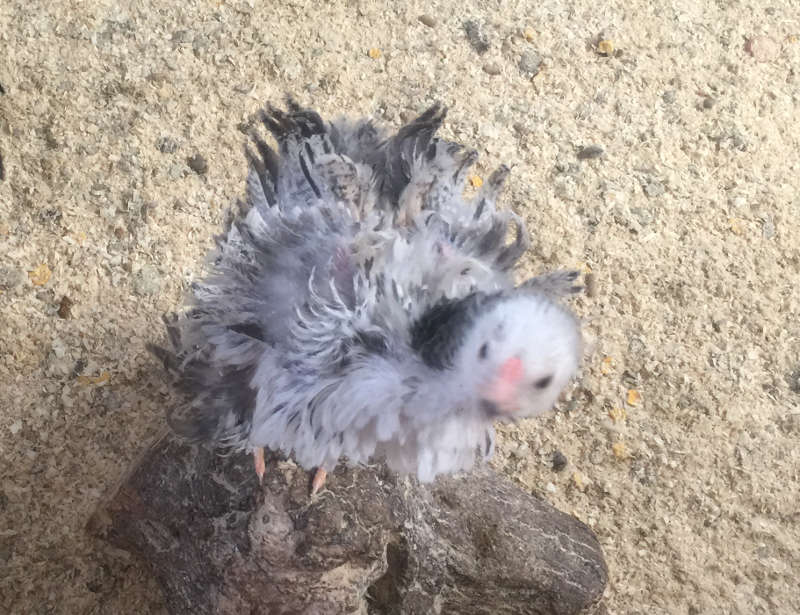
Another reminder for anyone wishing to submit a poster for the Bone Collections day in Cambridge, Vicky Purewal and Natalie Jones want to hear from you. Get your submissions in or scrawny chick judges you.

Scrawny chick judges you

For those of you that weren’t in the UCL grounds on Monday night, you missed a great night out (including free and student price drinks)  with some of the NatSCA irregulars. The night started with a talk about the Victorian attitudes to fossil discovery by Professor Joe Cain and proceeded to an evening viewing of the Grant Museum‘s temporary exhibition. Joe highlighted the Crystal Palace dinosaurs as a great place to go and see that enthusiasm for lost worlds. He also highlighted the repair work needed and the important work being done by the Friends of Crystal Palace Dinosaurs.

Which brings us to our news from interesting recent papers: weird Romanian theropod Balaur bondoc, with its distinctive pair of sickle claws per foot has been shifted from the dromaeosaur to the basal bird clade, thanks to the work of Cau, et al. It isn’t all that big a jump but it does mean Balaur won’t be getting picked on by its clademates for being different quite so much. For more on this, check out co-author Darren Naish’s write-up at Scientific American.

That’s all for now. Tune in next week when we (hopefully) will be able to advertise a really tempting job vacancy!

Request for Poster Submissions for Bone Collections Conference

Bone Collections: Using, conserving and understanding osteology in museums.

Tuesday, 8th September 2015
University Museum of Zoology, Cambridge

NatSCA invites you to submit abstracts for short, informal poster presentations to be held at the NatSCA Bone Collections day on the 8th September at the University Museum of Zoology, Cambridge.

The day will include both a workshop on in-depth case studies of bone cleaning, re-articulation, conservation and restoration as well as presentations on bone identification and preparation, covering a wide variety of museum osteology topics.

Spaces are still available for both workshop and talks. The full programme and booking are available here.

Working with, understanding, using, maintaining and conserving bone collections is a large and complex topic. If you have experience and would like to submit a poster, please follow the guidelines below.

We hope that this poster session will facilitate skills-sharing and friendly discussion among participants, as well as providing an opportunity to exchange tips and tricks. Poster presentations are an ideal format for student projects, case studies, innovative ideas, and tried and tested techniques, as well as research related to this topic.

Abstracts must be submitted by 14th August, 2015. All submissions will be acknowledged within a few days. The posters will be on view throughout the day, with an organised time period for authors to discuss posters with conference attendees. Please ensure posters are no larger than A2 (420 x 594mm).

All abstracts will be printed and made available to attendees, and all posters will be made available on the NatSCA blog in pdf format.

Abstract submission:

  • List all authors: surname first, followed by first and middle names or initials. Separate authors’ names with semicolons
  • List authors’ institutions and addresses
  • Include the title in boldface
  • Abstract

Please send your abstracts and any queries to:

Natalie Jones

nj273@cam.ac.uk
T 07786 023709

or

Vicky Purewal

E vjpurewal@gmail.com
T 07917533411

Handle with care: bringing museum egg collections to life

This post is another in our series of presentation write-ups from the 2015 NatSCA Conference, Museums Unleashed!


How can we bring museum egg collections to life?

Egg collecting is now illegal in the UK and has been for many years. Possibly because of the legal situation, and the social stigma understandably attached to egg collecting today, museums can be reluctant to publicise their egg collections, even though they are entitled to do so. For example, out of the thousands of eggs held by Glasgow Museums, only a handful are currently on public display, which is a pity as they are beautiful and fascinating objects.

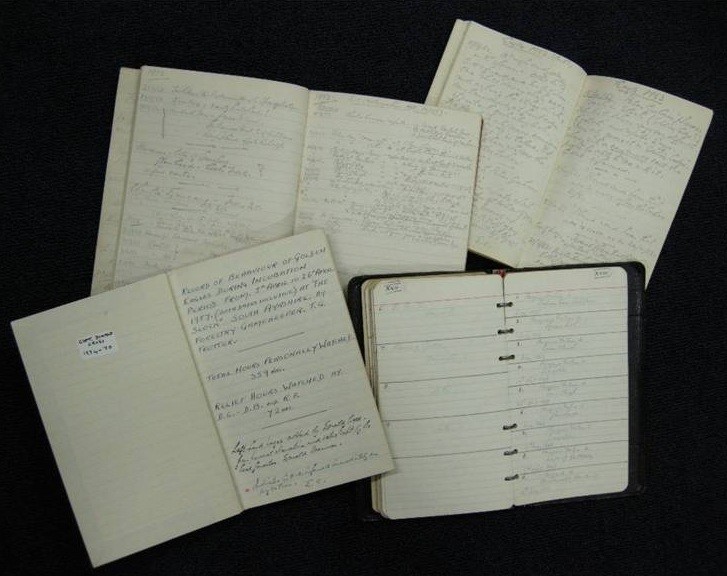
These issues form the basis of my PhD, which is a Collaborative Doctoral Award with Glasgow Museums and the Geography Department at the University of Glasgow. I have been researching the cultural and social aspects of egg collecting (also known as ‘oology’), which was a very popular pastime among both adults and children from the Victorian era well into the twentieth century. I have been researching collectors’ diaries held by Glasgow Museums, and also investigating the wider world of British egg collecting via old egg collecting magazines. This material has revealed some of the people, places, and practices of egg-collecting, which could provide new possibilities for communicating the stories of the birds’ eggs held by Glasgow Museums.

A selection of egg collectors' notebooks and diaries

A selection of egg collectors’ notebooks and diaries

Egg-collecting interconnections

One of the most striking aspects of this research has been the interconnectedness of the British egg-collecting world. These connections can take various different forms. For example, egg collections have been donated to Glasgow Museums by individual collectors who knew each other, such as Captain Donald Cross and Peter Hay, who both lived in Ayrshire in the 1940s, where Cross was a farmer and Hay was a schoolboy. Cross shared his collecting knowledge with Hay, and sometimes even gave him eggs to add to his collection.

Eggs taken by a collector called E. S. Steward over 100 years ago have arrived at Glasgow Museums by two very different routes. Some were given by Steward to his friend Robert Arbuthnott, whose son donated his collection in 1967. More recently, in 2014, we received an egg collection confiscated by police after a collector was convicted of trading in eggs, some of which were very old. A few of these eggs were also taken by Steward, and must have passed through various different intermediate collections, along convoluted geographical journeys, before arriving at Glasgow Museums.

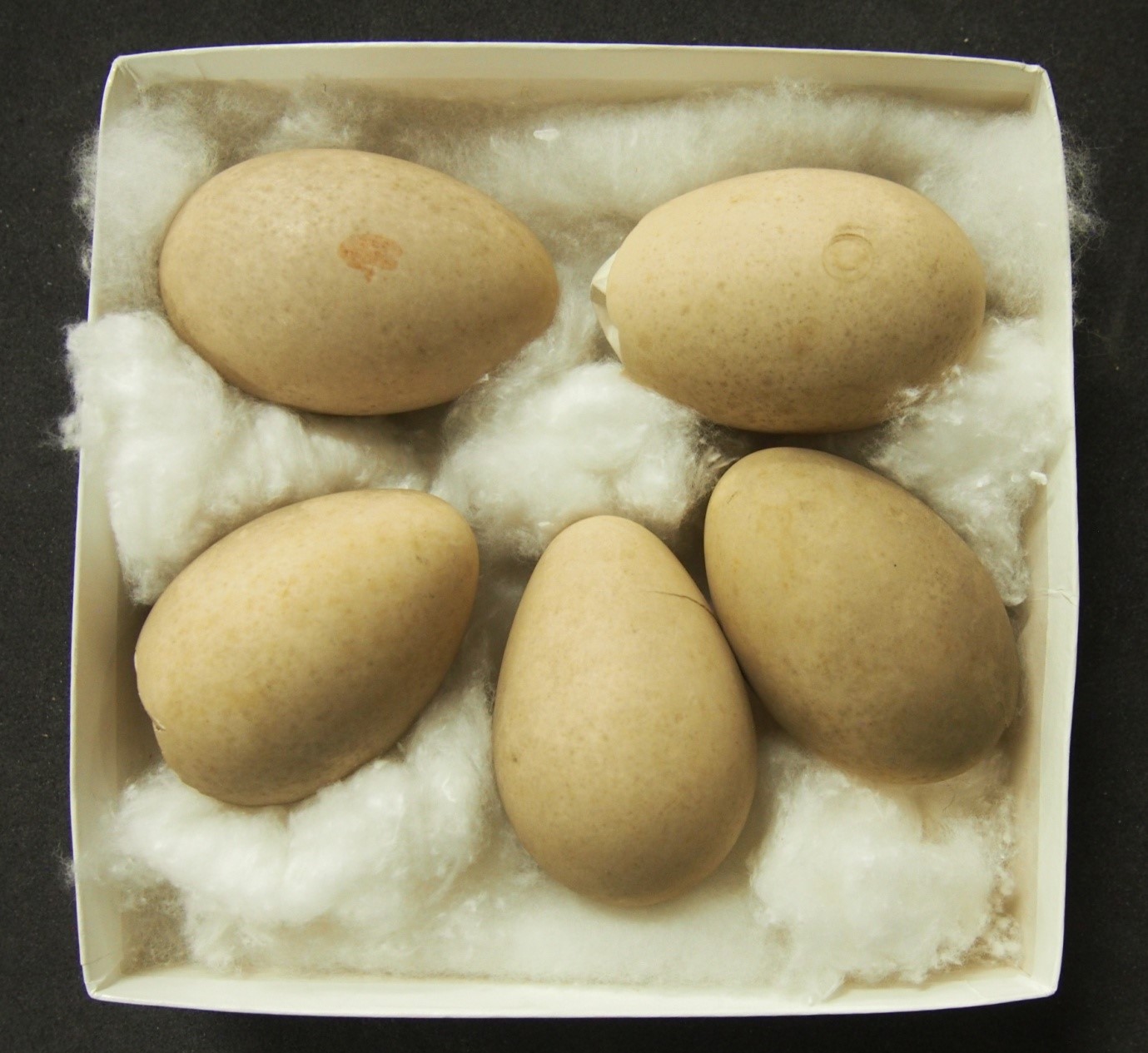
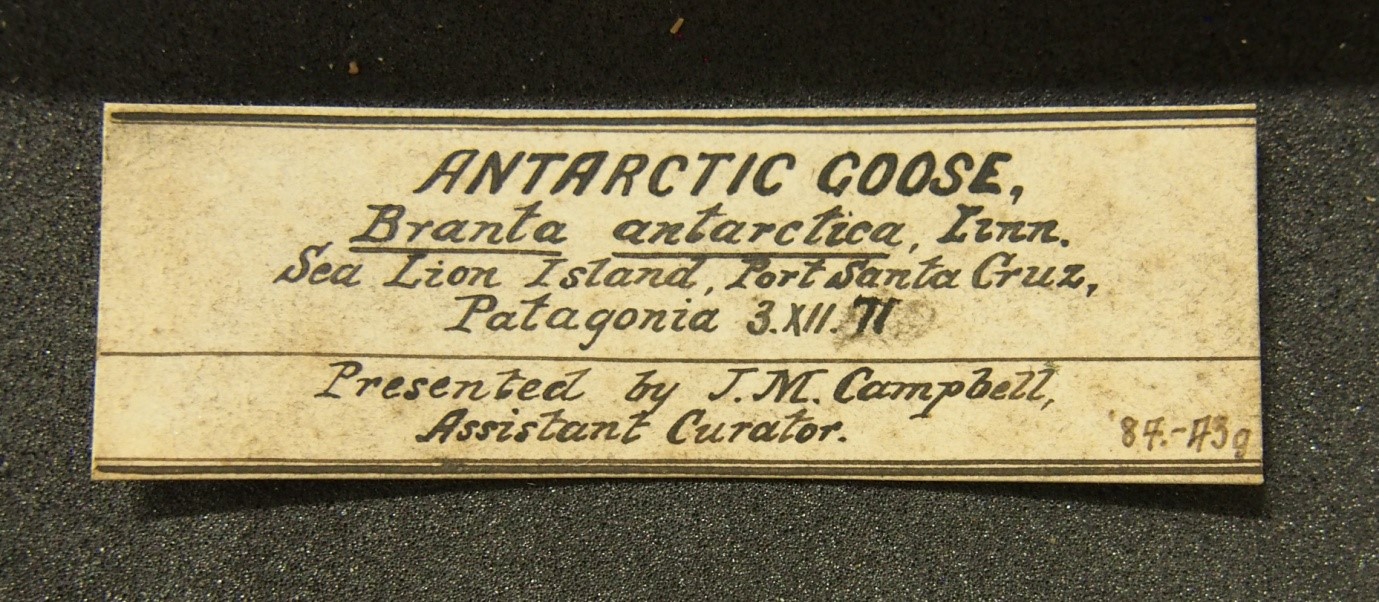
Eggs taken by another collector have ended up at different museums. On National Handwriting Day in January, the Natural History Museum’s brilliant oology Twitter feed featured a beautifully scribed red-legged cormorant egg from a collector called John MacNaught Campbell. He was the second Natural History curator at Kelvingrove Museum in Glasgow, and one of the earliest egg collectors to visit South America. Glasgow Museums also have some of his eggs, including this Antarctic goose set collected just three days after the Natural History Museum’s egg, on 3 December 1871.

Clutch of Antarctic goose eggs collected by John MacNaught Campbell in 1871

Label for Campbell's goose egg clutch

Clutch of Antarctic goose eggs collected by J. M. Campbell in 1871

Telling the interconnecting stories of these collectors, and others, could be a way of showing the human side of egg collecting, while being careful not to encourage the practice today. This could be via traditional media, such as museum exhibitions, online catalogues, or using social media.

Finally, a request: I’m keen to trace any other eggs that were collected by ES Steward, as I’d like to see how widely his collection has been dispersed. If any of you know of any of his eggs in your collections, I’d be very interested to hear from you, at e.cole.1@research.gla.ac.uk.


Edward Cole
PhD student, University of Glasgow/Glasgow Museums