NatSCA Digital Digest – March

The bob tailed squid. (Image from the collections at Plymouth City Museum and Art Gallery)

What Should I See and Do?

The fantastic ‘Extinction or Survival‘ exhibition at the Manchester Museum is still on until the 26th April. If you are visiting nearby, then you must pop into this museum!

Something is coming…..Bristol Museum and Art Gallery will be having a prehistoric adventure with their new Pliosaur exhibition opening in June this year. Expect lots of fossils, digital recreations, and I hear there will be a life-sized model of their incredible specimen. More updates as the beast swims towards June… Continue reading

It’s All In The Subconscious

Biologically speaking, women (in general) are built lighter than men and with less physical strength. In the past this has been used to decide that women are therefore weaker in all ways, including in intelligence, and even worse, in worth. Putting aside those people whose brains are wired a little strangely and believe it’s genuinely ok to be racist, homophobic, sexist, misogynistic, etc, society at large, full of good, caring and wonderful people, still has a curious way of putting men first.

It is often by accident and sometimes it’s even in an errant attempt to put women first; for example I recently read a headline that said ‘Top Female Scientist Discovers…’. Great! But if it had been a male scientist, it wouldn’t have said ‘Top Male Scientist Discovers…’, it would have said top scientist. This perpetuates the idea that a scientist is a man unless otherwise stated. Another example aimed at a more general audience is that infuriating feminine hygiene product advert that has a sassy DJ jumping up and down saying ‘As a woman, I can step aside or step up’. Erm actually, men have the choice of whether to step aside or step up too. Being trod down and overlooked is not just for women. Continue reading

Neither a Borrower Nor a Lender Be?

An exceptionally fragile Blaschka glass model of a radiolarian in Dublin.

An exceptionally fragile Blaschka glass model of a radiolarian in Dublin – would you lend it?

In museums, collections are key. They are the resource that we rely on to drive our exhibitions, research, outreach, educational activities and even our marketing. We use this resource sustainably, ensuring it will be available for future generations. Our policies and standards protect them, keeping them safe by providing an appropriate environment and managing access – and while this is not always easy, at least we have control. Continue reading

Making Nature; at Wellcome Collection

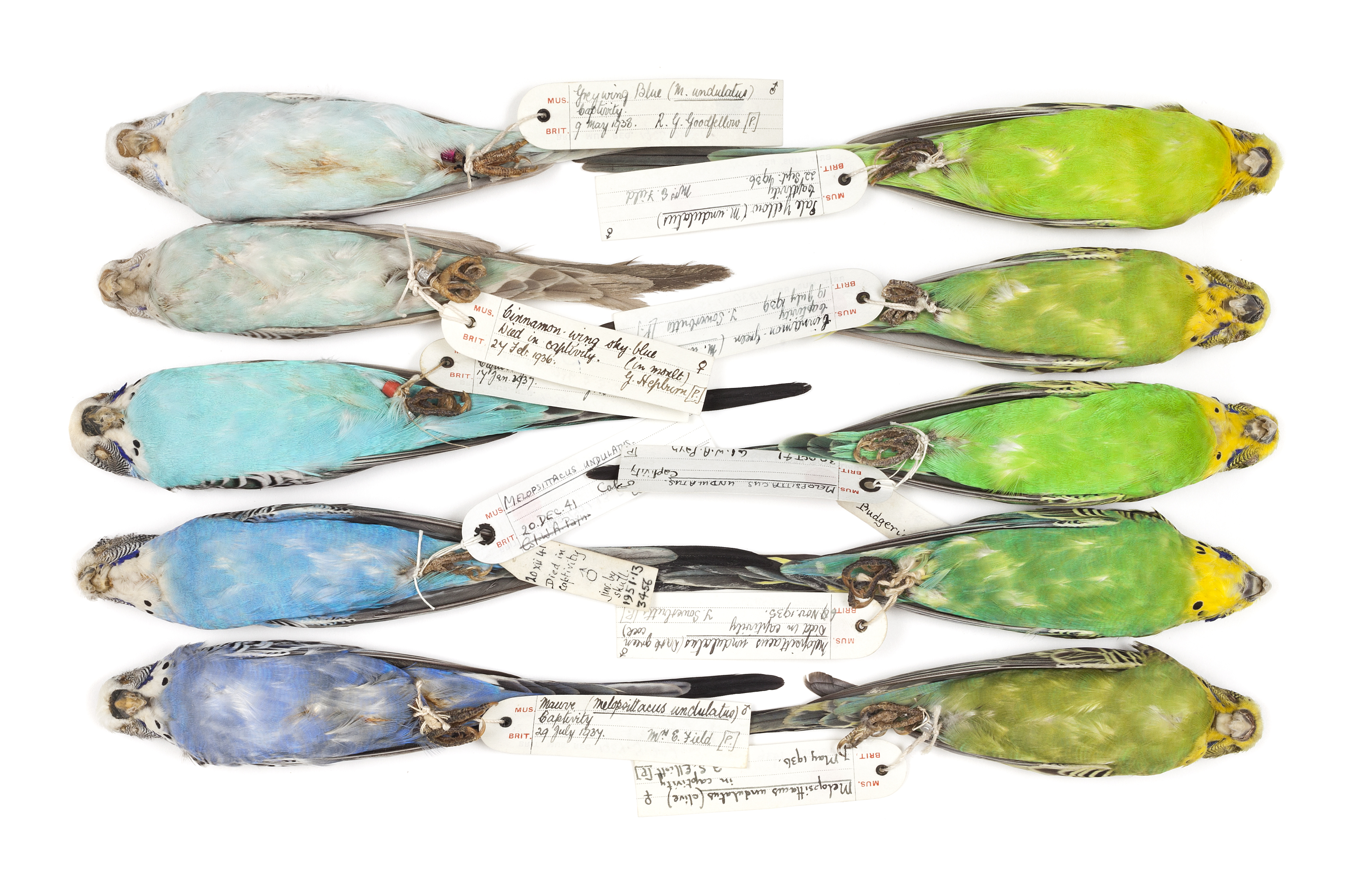
Budgie specimens illustrating colour variations (c) Trustees of the Natural History Museum

Budgie specimens illustrating colour variations (c) Trustees of the Natural History Museum

In December the exhibition Making Nature: How we see animals opened at London’s Wellcome Collection. Rather than being an exhibition of natural history (because natural history museums are better placed to provide such things), it is an exhibition about natural history. Wellcome is fundamentally interested in humans, and Making Nature explores the human perspective on nature. How do we engage with and try to make sense of the natural world?

The exhibition takes us through four different themes – ordering, displaying, observing and making nature. Together, they demonstrate that human ways of encountering, standardising and talking about nature are essentially unnatural. But it’s the only way we know how. Continue reading

The Robot Zoo: A Must-See Exhibition

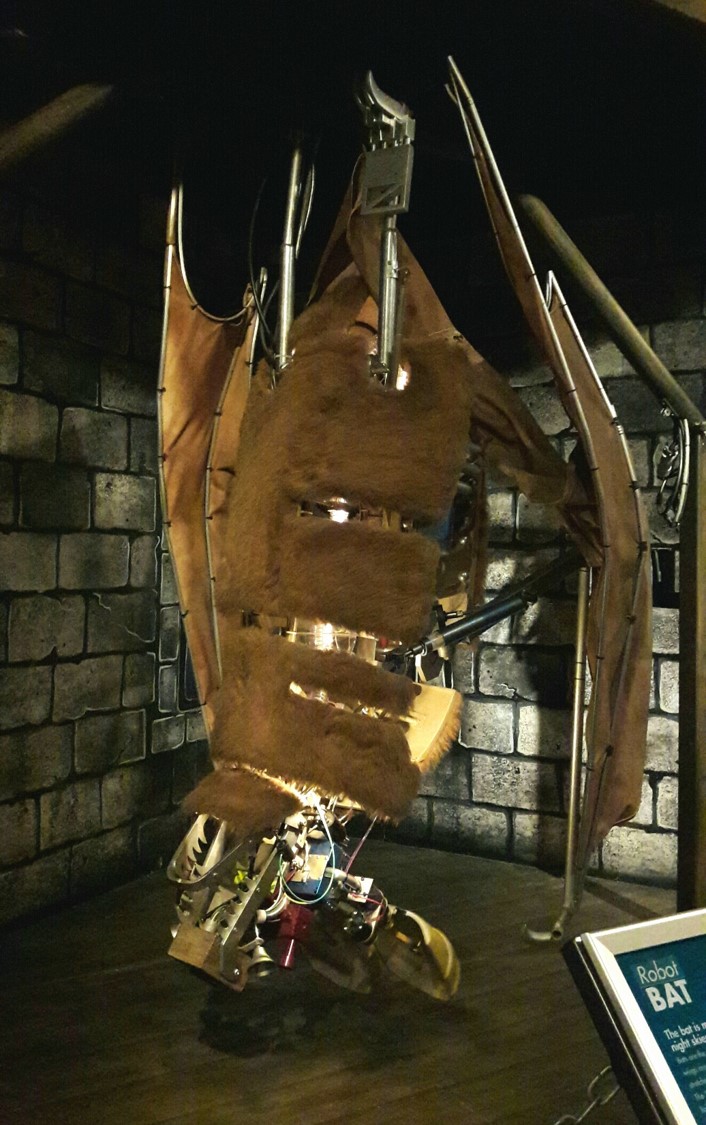
This bat robot is nearly 20 x life-size. The Robot Zoo, Horniman Museum and Gardens

This bat robot is nearly 20 x life-size. The Robot Zoo, Horniman Museum and Gardens

The reaching-for-the-moon aim of any natural history exhibition is to get the perfect combination of knock-your-socks-off-fun and wow-I-didn’t-know-that-informative, for both children and adults, because (obviously) that attracts the biggest crowd.

Appealing to everyone is pretty much an unobtainable goal. A wise man, who I call Dad, once relayed the phrase to me ‘You can please some of the people all of the time, you can please all of the people some of the time, but you can’t please all of the people all of the time’*. However some, albeit rare, exhibitions, through some manner of dark magic combined with an alignment of moons from all over the universe manage to come together in such a way that the exhibition is branded as ‘outstanding’ and ‘captivating’ by journalists and listed as ‘fun for all the family’ on websites and What to do with the kids this half-term guides. These exhibitions are termed blockbusters and are the envy of their less popular exhibition counterparts.

The Robot Zoo, you will probably have guessed by that prologue, is one such exhibition. I had nothing to do with its inception nor its creation, it’s a touring exhibition that has nested temporarily at the Horniman Museum until October. However, as Deputy Keeper of Natural History at said Museum, I feel a level of temporary ownership and pride in its success. Thus I shall sing and dance about it from now until October when it leaves us for another galaxy gallery far, far away. Continue reading