Trials From The Riverbank: Conserving a Taxidermy Otter

Written by Jen Gossman, MSc first year Conservation Practice student at Cardiff University.

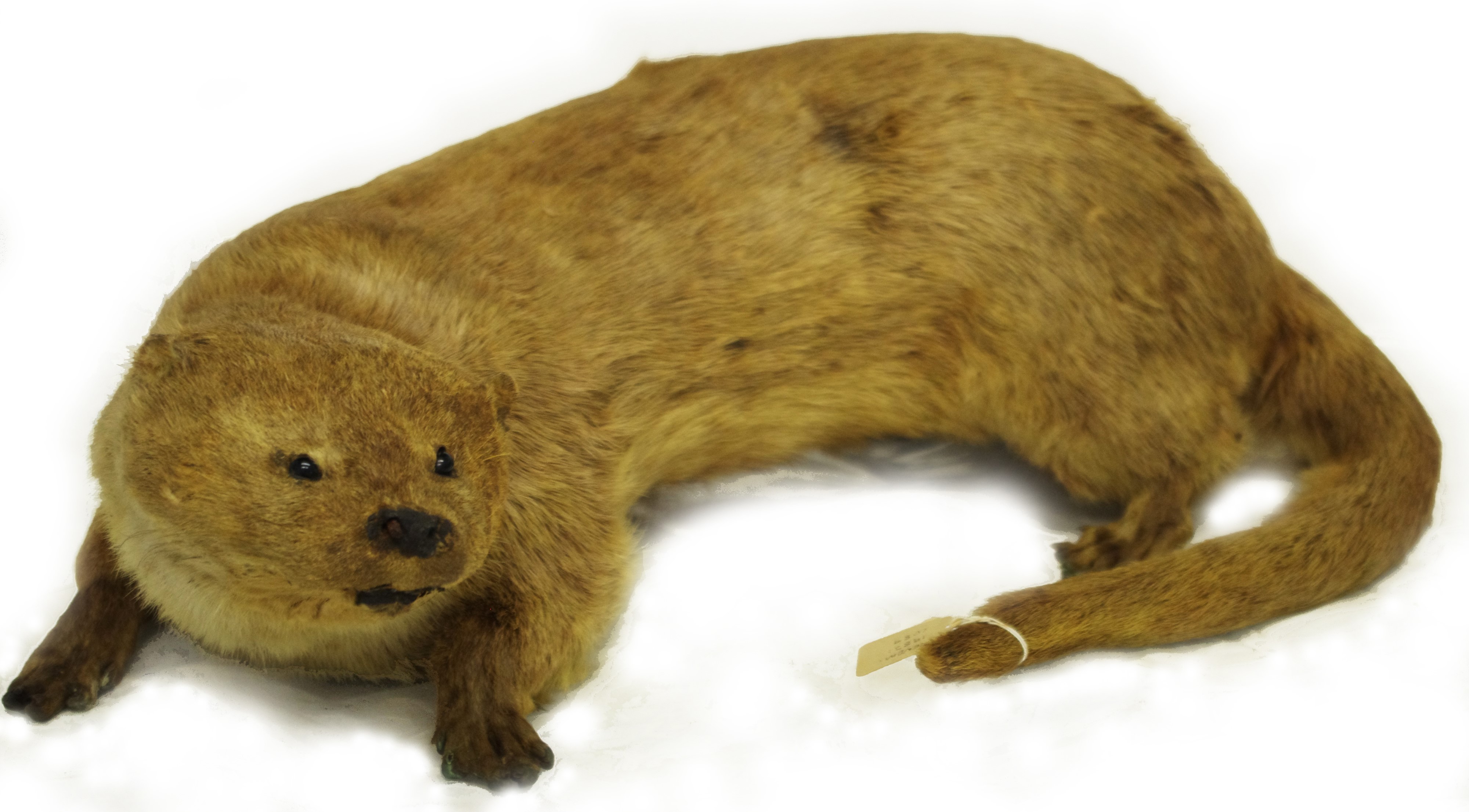
Otter mount © Jen Gossman

I received a mounted taxidermy otter in still life pose without a base from the Tenby museum, Wales where it had been in long term storage wrapped in Tyvek. On initial examination it showed some skin shrinkage and was covered in a thick layer of dirt, grease and dust.

Continue reading

NatSCA Digital Digest – August

Compiled by Glenn Roadley, Curator (Natural Science), The Potteries Museum & Art Gallery.

Welcome to the August edition of NatSCA Digital Digest!

A monthly blog series featuring the latest on where to go, what to see and do in the natural history sector including jobs, exhibitions, conferences and training opportunities. We are really keen to hear more about museum re-openings, exhibition launches, virtual conferences and webinars, and new and interesting online content. If you have any top tips and recommendations for our next Digest please drop an email to blog@natsca.org.

Where Can I Go?

Museums have been steadily reopening since the beginning of July, and August brings a growing list of museums tentatively opening their doors to a limited number of visitors. The Art Fund has put together a list of opening dates, with big names in August including The Natural History Museum, the Science Museum (London), the Museum of Science and Industry (Manchester), National Museum Cardiff and Eureka (Halifax).

What Can I Read?

We’ve got two great posts on the NatSCA blog this month. Yvette Harvey writes about the colonial history of the collecting trips of George Forrest, whose collections still have a huge impact on what is grown in our gardens today. Jan Freedman writes about his experiences in busy museums, and how a calmer, post-Covid environment may benefit the experiences of visitors.

Continue reading

Resurrection 101

Written by Paolo Viscardi, Curator of Zoology, National Museum of Ireland – Natural History

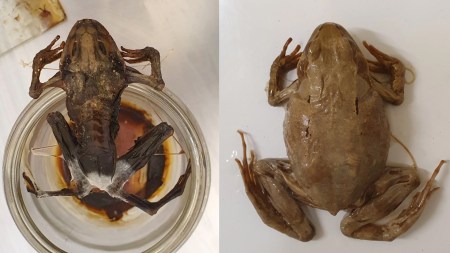
Anyone who has to deal with fluid collections, without the support of a natural history conservator, probably has nightmares about cracked jar lids and desiccated specimens. But would you sleep more easily if I told you that it’s possible to get a transformation like this using a straightforward and inexpensive method?

Frog_before-after

Here’s my account of how I resurrected this dehydrated specimen using stuff you probably have sitting in your museum cupboards or that you can buy for less than £20. It’s worth noting that the technique will not always work and if you plan to use it on a specimen that may have useful DNA to contribute, you should take a sample before rehydrating, since it is likely to reduce the quantity and quality of DNA you can extract.

Continue reading

How To Get Money For Your Natural Science Collection

Written By Clare Brown, Curator of Natural Science, Leeds Museums and Galleries.

So you’ve got a lovely collection, with lots of lovely potential, you yourself have loads of lovely ideas for all the lovely things you could do with it but you have no money. It’s a pretty common situation in museums but there are ways to fund your collections and the rewards for doing so are BIG.

©Leeds Museums and Galleries

Where and How to Look

There are various companies you can subscribe to who will produce lists of funders that suit your project. People like https://www.grantfinder.co.uk/ and https://www.fundingcentral.org.uk/default.aspx but others are available. We’ve used these in the past in Leeds but haven’t kept up our subscription as museum funders rarely seem to change from year to year.

The main funders to consider in the natural science collection world are:

https://ellerman.org.uk/,

https://www.artscouncil.org.uk/funding-finder/designation-development-fund,

https://www.esmeefairbairn.org.uk/,

https://www.wolfson.org.uk/,

https://garfieldweston.org/,

https://www.museumsassociation.org/collections/esmee-fairbairn-collections-fund,

https://www.heritagefund.org.uk/

and absolutely not forgetting https://www.natsca.org/awards-and-bursaries

Continue reading

NatSCA Digital Digest – January

Compiled by Jennifer Gallichan, Curator of Molluscs & Vertebrates at National Museum Cardiff.

Welcome to the January edition of Digital Digest and a Happy New Year to you all.

I am dedicating this first Digital Digest to conferences, as calls for papers seem to be coming thick and fast. There are some fab events this year so get planning, submitting and registering.

NatSCA Conference & AGM 2020 .

Changing the World: Environmental Breakdown, Decolonisation and Natural Science collections

Thursday 14th & Friday 15th May 2020. National Museum Wales, Cardiff.

The #NatSCA2020 conference invites proposals for presentations exploring the role of natural science collections in addressing or engaging with ‘big issue’ challenges, both in the environment and in society. For example:

  • Have you been involved in a research project using natural science collections to inform decision/policy makers on the implications of climate change, biodiversity loss or biosecurity threats?
  • Are you developing plans to reconceptualise and decolonise your collections?

We would like to hear from anyone and everyone who uses natural science collections to interact with important global topics.

Deadline for submission: 7th February. Click here for more info about how to submit your abstract.

Continue reading