Making Nature; at Wellcome Collection

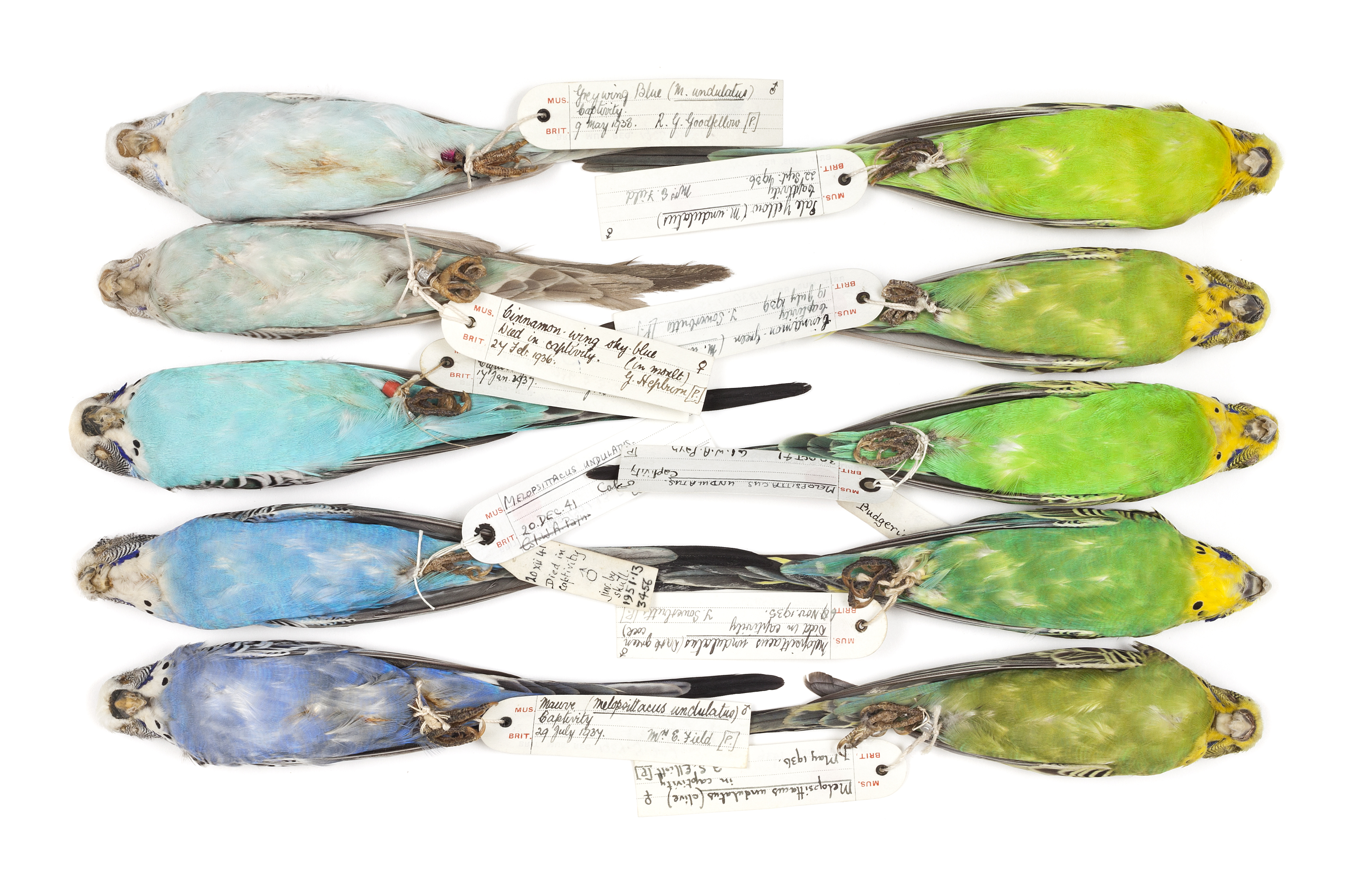
Budgie specimens illustrating colour variations (c) Trustees of the Natural History Museum

Budgie specimens illustrating colour variations (c) Trustees of the Natural History Museum

In December the exhibition Making Nature: How we see animals opened at London’s Wellcome Collection. Rather than being an exhibition of natural history (because natural history museums are better placed to provide such things), it is an exhibition about natural history. Wellcome is fundamentally interested in humans, and Making Nature explores the human perspective on nature. How do we engage with and try to make sense of the natural world?

The exhibition takes us through four different themes – ordering, displaying, observing and making nature. Together, they demonstrate that human ways of encountering, standardising and talking about nature are essentially unnatural. But it’s the only way we know how. Continue reading

The Robot Zoo: A Must-See Exhibition

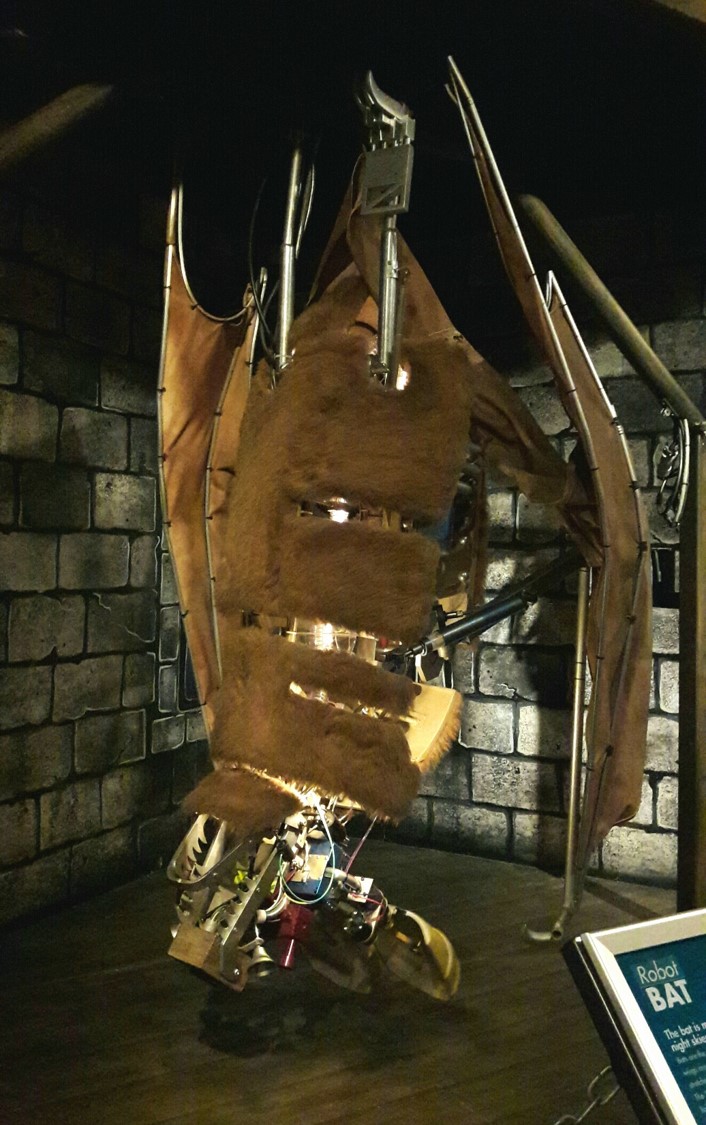
This bat robot is nearly 20 x life-size. The Robot Zoo, Horniman Museum and Gardens

This bat robot is nearly 20 x life-size. The Robot Zoo, Horniman Museum and Gardens

The reaching-for-the-moon aim of any natural history exhibition is to get the perfect combination of knock-your-socks-off-fun and wow-I-didn’t-know-that-informative, for both children and adults, because (obviously) that attracts the biggest crowd.

Appealing to everyone is pretty much an unobtainable goal. A wise man, who I call Dad, once relayed the phrase to me ‘You can please some of the people all of the time, you can please all of the people some of the time, but you can’t please all of the people all of the time’*. However some, albeit rare, exhibitions, through some manner of dark magic combined with an alignment of moons from all over the universe manage to come together in such a way that the exhibition is branded as ‘outstanding’ and ‘captivating’ by journalists and listed as ‘fun for all the family’ on websites and What to do with the kids this half-term guides. These exhibitions are termed blockbusters and are the envy of their less popular exhibition counterparts.

The Robot Zoo, you will probably have guessed by that prologue, is one such exhibition. I had nothing to do with its inception nor its creation, it’s a touring exhibition that has nested temporarily at the Horniman Museum until October. However, as Deputy Keeper of Natural History at said Museum, I feel a level of temporary ownership and pride in its success. Thus I shall sing and dance about it from now until October when it leaves us for another galaxy gallery far, far away. Continue reading

NatSCA Digital Digest – February


"What shall I do this month?" Namibian giraffe, image in public domain

“What shall I do this month?”  Namibian giraffe, image in public domain

What Should I See and Do?

I have had a number of people telling me how good the ‘Extinction or Survival‘ exhibition at the Manchester Museum is recently. You have until the 26th April to see it but we all know how fast time flies so don’t keep putting off your trip. And I’ll do the same.

This Saturday (11th February) the New Walk Museum is running ‘Fossils in Focus’ from 11am to 1pm, at which you can fondle some specimens and take in the Museum whilst you’re at it. For more information, check out the Museum’s website.

Opening soon is an exhibition at the Lapworth Museum of Geology (where I began my career! Ahhh fond memories…*) called ‘Where Land Meets Sea’. It is a photographic exhibition of work by Dr. Richard Greswell who, as both a scientist and photographer, has created what looks to be a stunning exhibition. A more detailed description of the exhibition can be found here. Continue reading

Improving Specimen-Data Recording and Access in a Life Sciences Museum

The Museum of Life Sciences at King’s College London contains teaching and research material from King’s College London (KCL) and elsewhere. The collections include Botany, Zoology and Pharmacy specimens, including microscope slides, from around the world and a small, unique exhibition of glass sculptures recently created to commemorate the role of KCL in the discovery of the structure of DNA.

Paper and electronic (Access) databases were first created in 2003 and contained data for the then KCL Zoology and Botany Collections. In the last few years, volunteers have been recording specimens in paper (form-based) or electronic (Excel) formats and we have all been learning ‘on the job’. Inevitably specimens have been catalogued in different ways to record various kinds of information and many specimens remain uncatalogued. Some groups of specimens from a single collector/preparer or from a single source have been catalogued together as eg ‘The Daws Collection’, The Challenger Collection’.  The accumulating data were becoming unwieldy as there are now more than 8000 records. Continue reading

Nature Notes

In 2016 the Herbert held its first in-house natural history exhibition since a major redevelopment was completed in 2008. The exhibition, Nature Notes, explored the seasonal changes in local wildlife by displaying taxidermy, nests, insects, botany and fungi, botanical watercolours, oil paintings and contemporary artworks. It encouraged visitors to look at the natural world around them and the artworks aimed to inspire visitors to respond to nature in a creative way.

Nature Notes was designed to be enjoyed by all and accessibility was a key consideration in developing the interpretation and interactives. Additions to the exhibition included Makaton on the text panels and interactive tables; and the provision of accessibility aids such as torches, magnifying sheets and ear defenders. We considered contradictory needs such specific learning difficulties and visual impairments by producing lower contrast labels and providing high contrast large print text to take round the space.

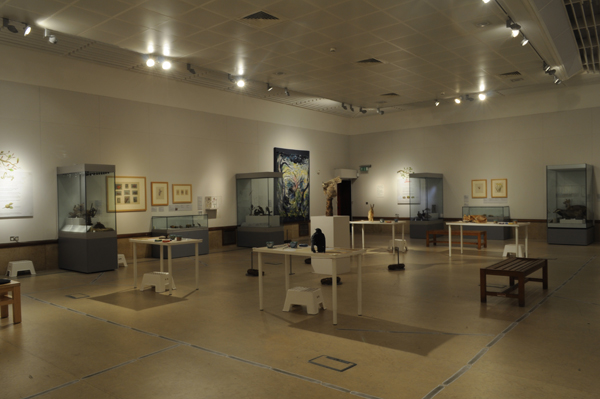
Gallery view of Nature Notes.

Gallery view of Nature Notes. The seasonal display runs around the wall, with interactives and handling specimens in the centre.

The most popular part of the exhibition was the multi-sensory interactive tables with things to touch, smell and listen to. These were created by using low cost tables with adjustable legs with a vinyl graphic applied so they tied in with the exhibition’s design. Five pieces of taxidermy were commissioned – one of each season, plus a spare mouse. We worked with a local group of disabled and non-disabled teenagers to help us choose the right smells for each table – only the brave dared to smell the otter dung! As each offered the same experience of touch, smell and sound this meant queues did not form around one table, allowing for a better visitor experience. Continue reading