
Written by Dr Amy Geraghty, Assistant Keeper/Curator of aquatic zoology collections with responsibility for fluid collection management.
The National Museum of Ireland (NMI) Natural History Division (NHD) holds about 2 million specimens in its collection. The collection is ordinarily split between three locations: the museum and two off-site storage buildings. However, at the time of writing, nearly all specimens are in one of the two storage buildings. The museum galleries are being emptied to facilitate investigative works on and the refurbishment of building itself.
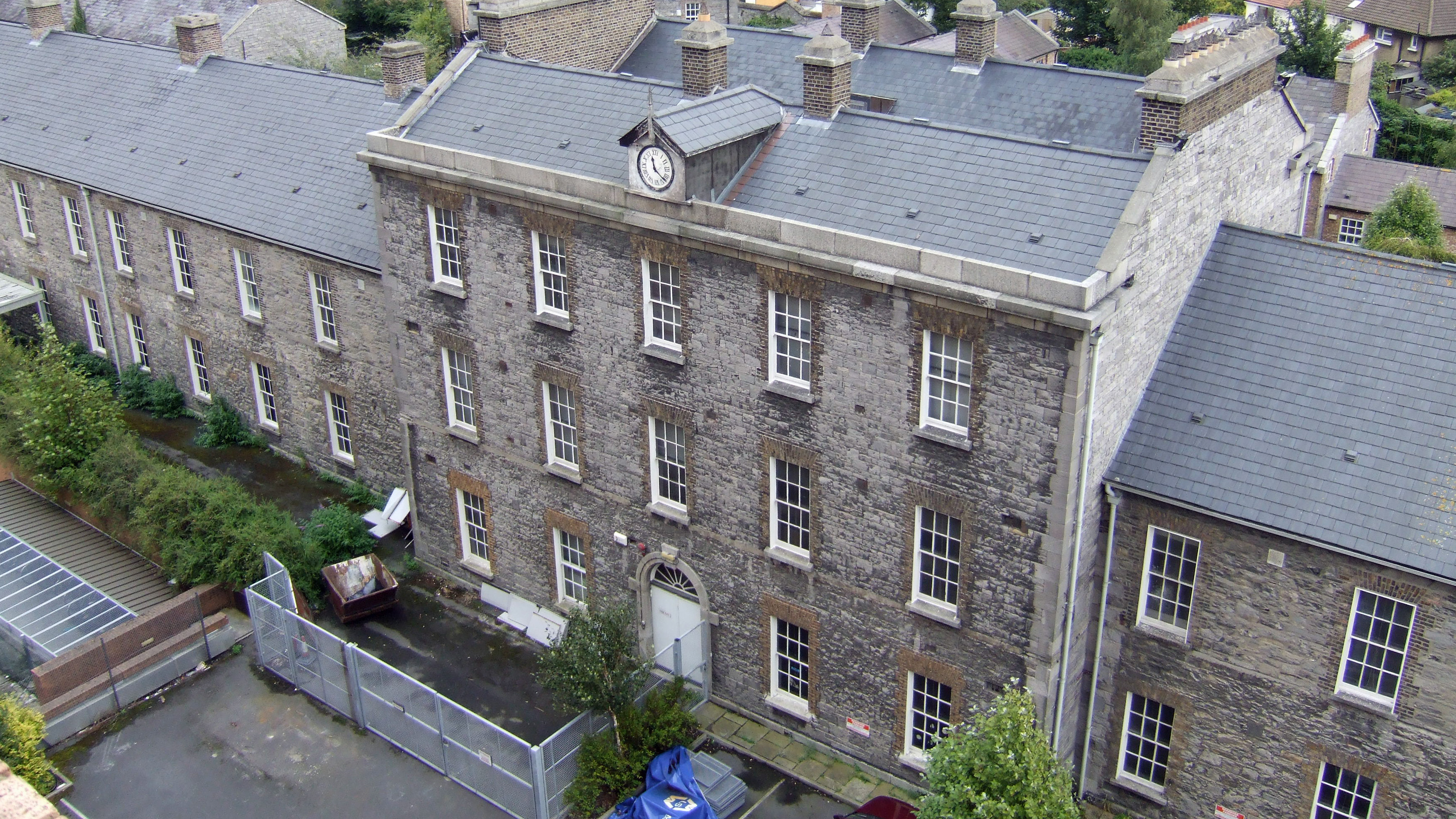
One of the storage buildings is a mid-nineteenth century British army barracks that came to NMI in the mid-1990s and now stores NHD collections. Retrofitting the building for collection storage has involved the installation of plasterboard ceilings, internal doors, and security and fire alarm systems. Toilets, telephones, a tearoom, shelving, and internet facilities were later installed in the 2000s.
More recent work has focused on improving the storage efficiency of research collections and the accommodation of the newly displaced display specimens. This blog will cover some of the changes made in rooms that contain fluid specimens with results shown in the images of the “big tank” (BT) room. Refurbishment is worthwhile but takes time. If the process seems straightforward or easy, please keep reading and let me change your mind.
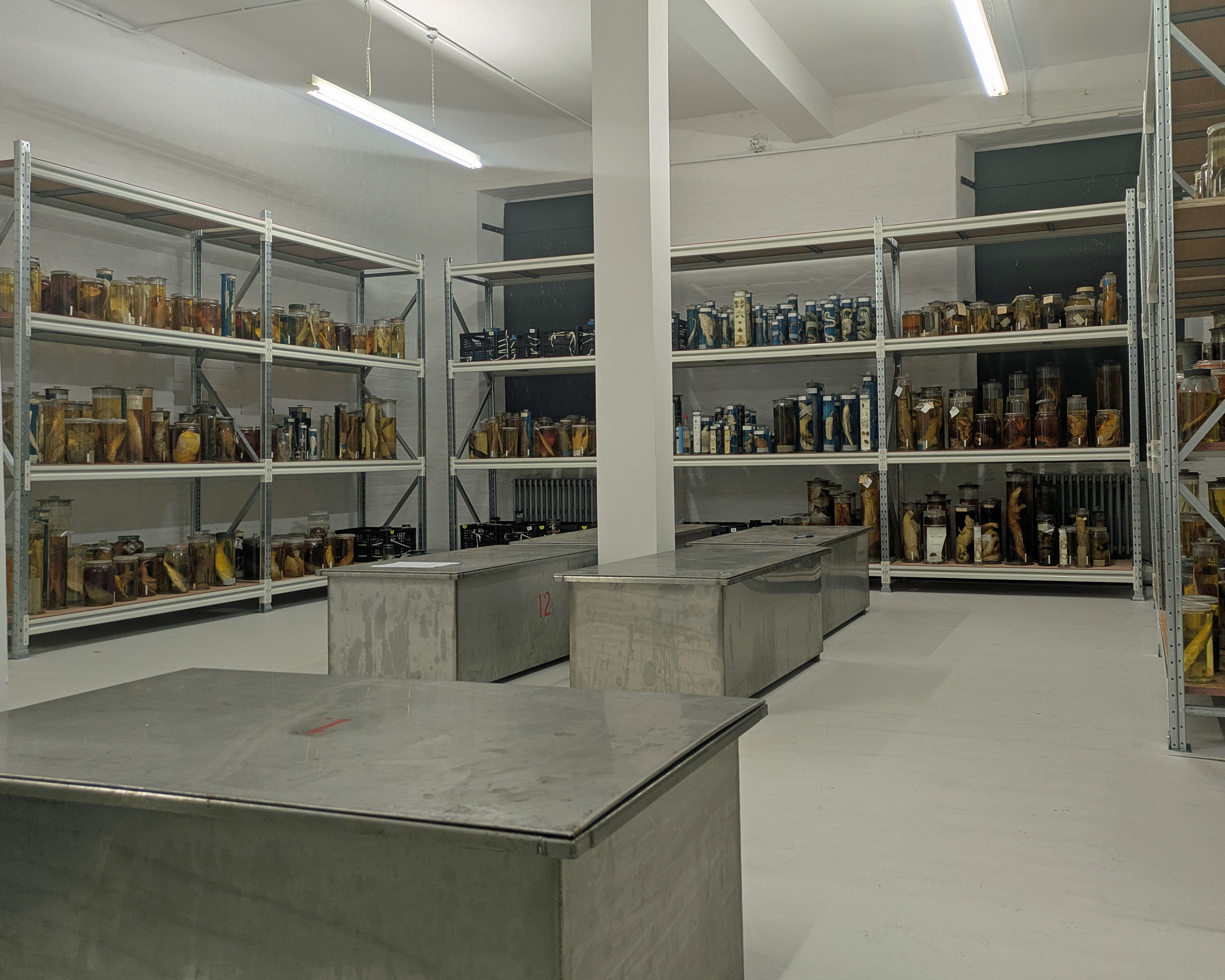
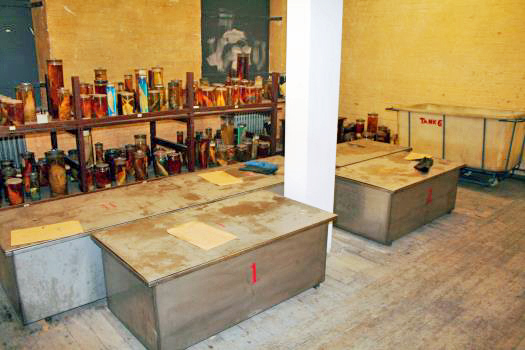
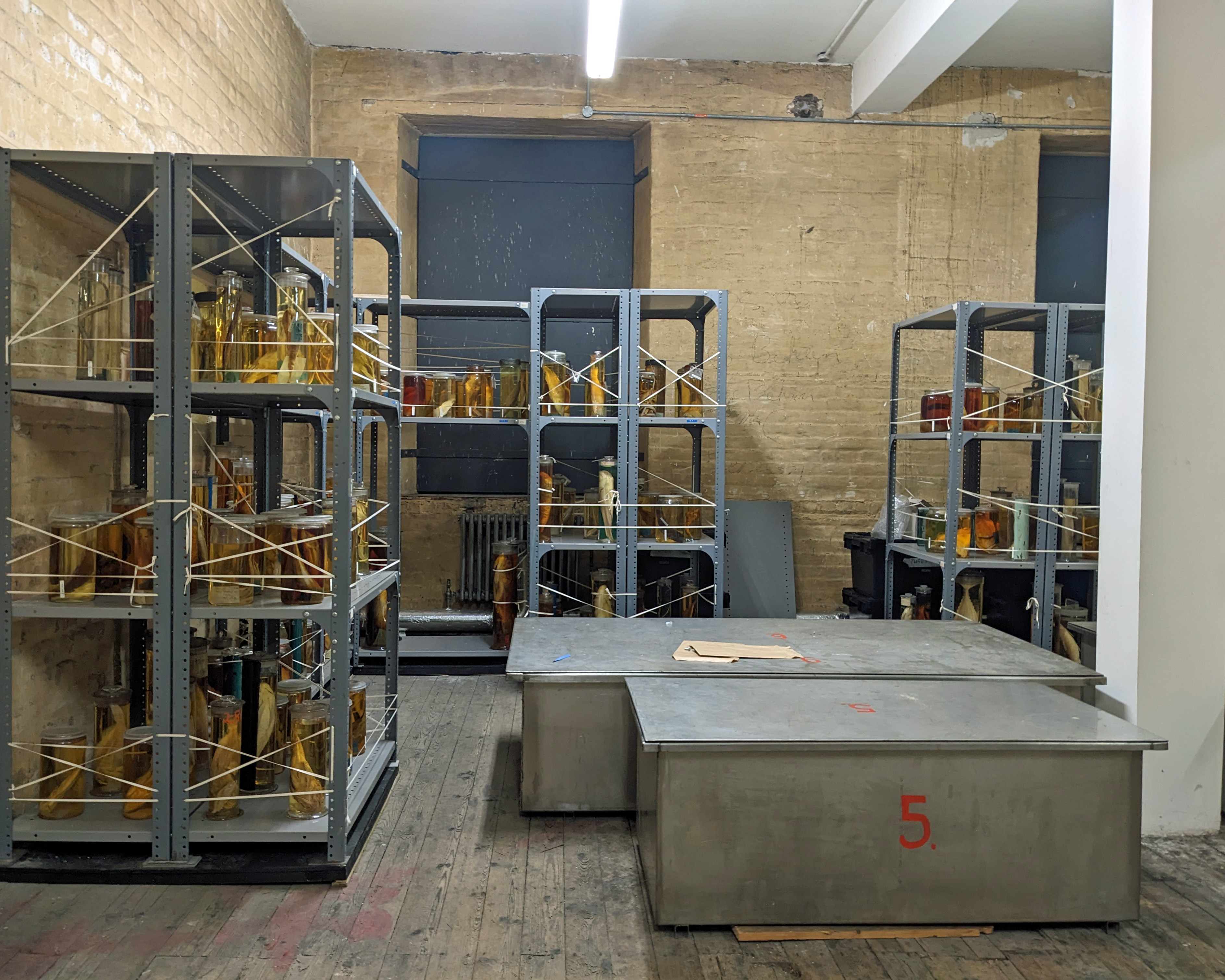
Storage of large specimens in NHD’s fluid collection. (top right) The “big tank” room in 2009 – tanks sat on the wooden floor and tall glass jars were stored on open wooden racking and on the floor. (Image courtesy of Nigel Monaghan) (bottom right) The same room in 2020 where tall jars were housed on Dexion shelving bracketed to the wall, levelled with wooden props and were braced with museum tape. (left) The room in 2024 after recent refurbishments. Tanks now sit on sealed vinyl floors and tall jars are stored on surrounding long span shelving.
Moving collections is a serious amount of work. This is especially true for moving collections housed in these stainless-steel tanks. The tanks contain over 350 valuable specimens that are preserved in a high strength alcoholic solution (70% Industrial Methylated Spirits and 30% Deionized Water). The tanks range in volume from 250L to 650L, are unsealed and static. The bodies of the tanks rest on 3cm high, wide square steel bars, which are a full 2cm too short to accommodate the forks of a pallet truck.
To safely move tanks out of the BT room two-thirds of the preservation solution was decanted. This solution was temporarily stored in 300L open plastic containers on top of plastic heavy-duty pallets. This setup ensured its easy movement by pallet trucks and safe recanting once tanks were moved. To prevent specimens from drying out, several layers of alcohol-soaked muslin were carefully placed in the tanks over specimens.
The decanted tanks were moved by professionals either by hand or with multiple skates evenly distributed under the tanks. Once the tanks were moved, so were the open containers of preservation solution so that they could be quickly and carefully re-canted. The muslin was then removed, specimens were visually inspected, and tank lids were replaced.
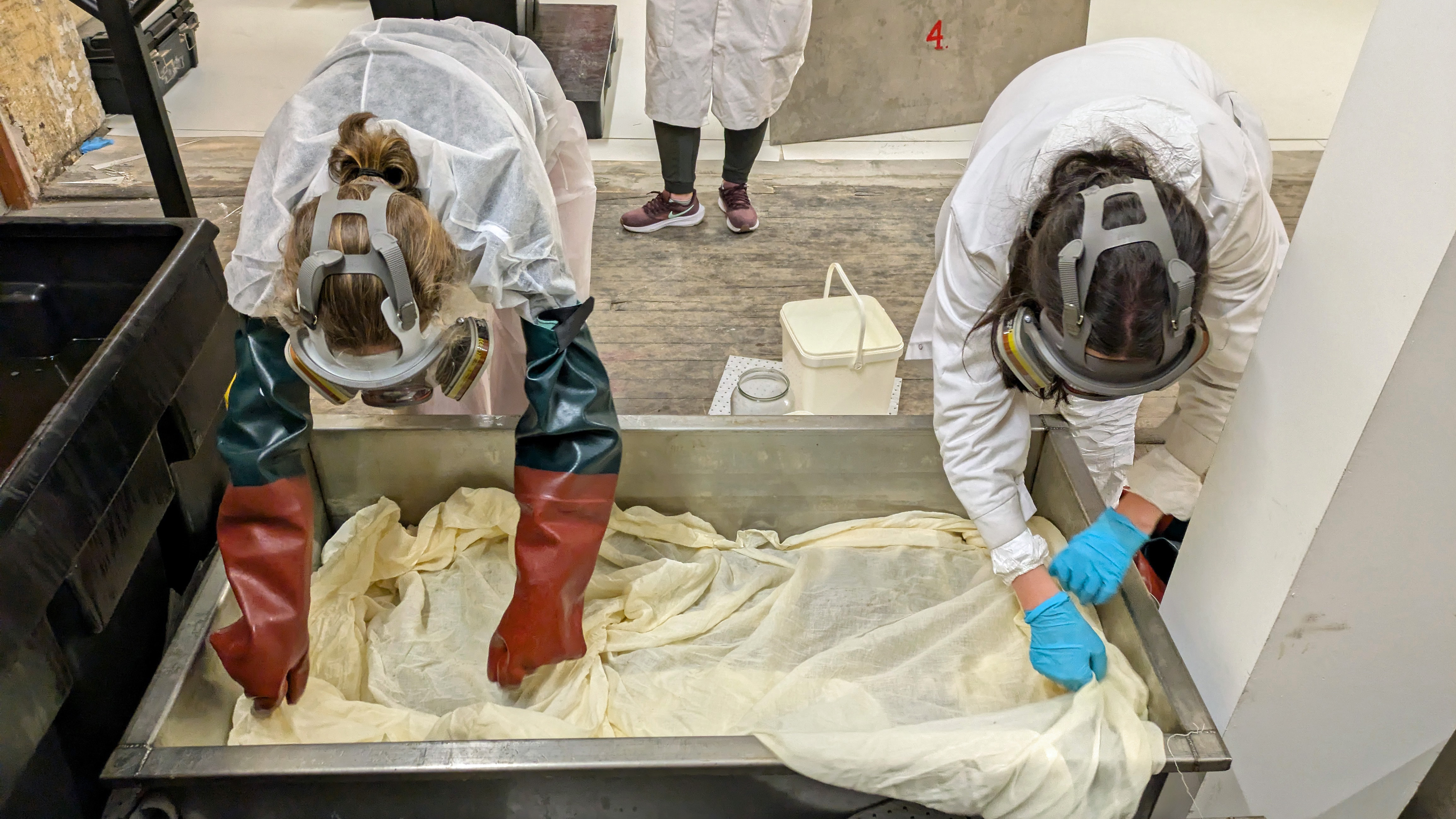
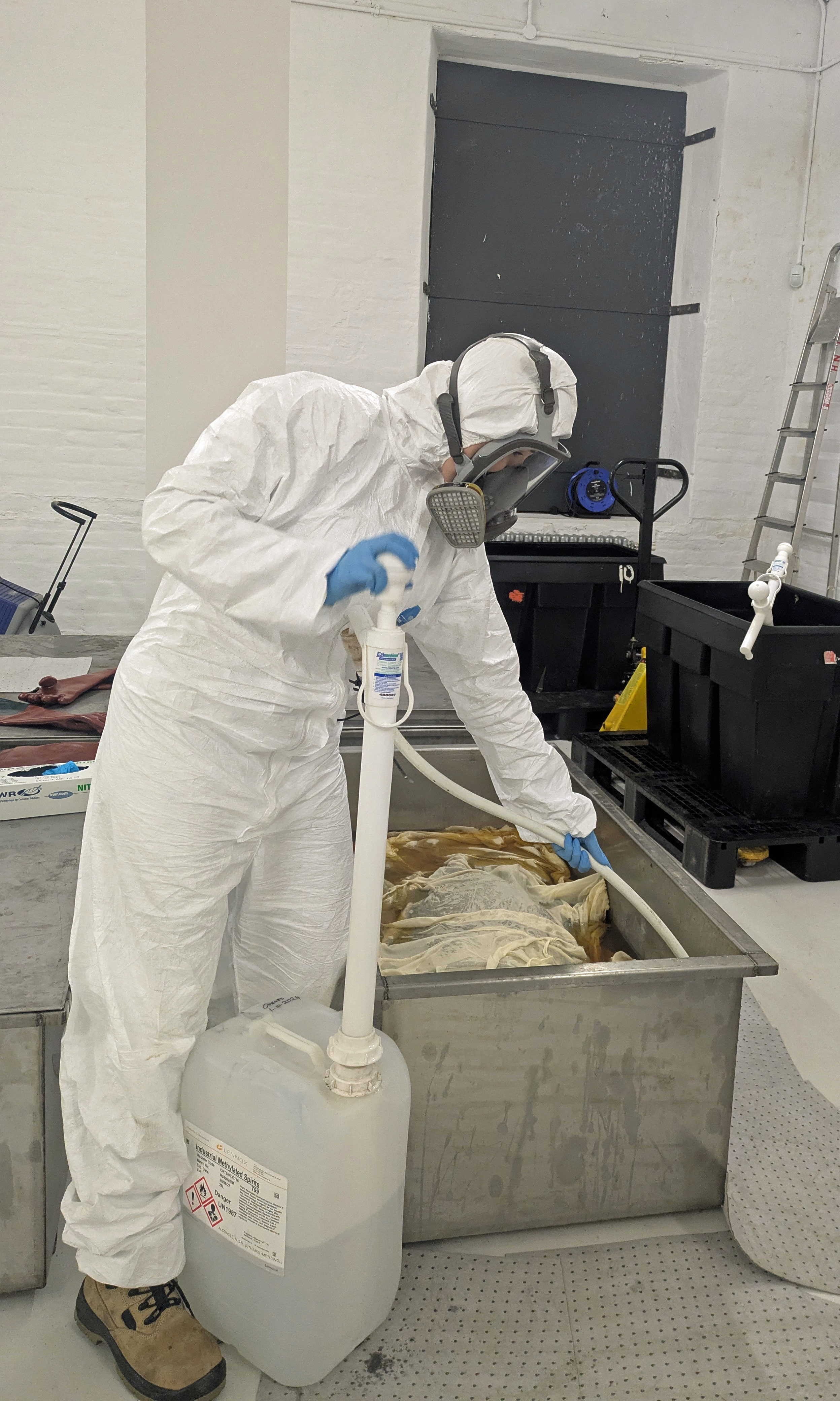
Staff wore 3M 6000 full-face masks with A1 Form filters, white coats or Tyvek suits, close toed boots, nitrile and/or PVC Gauntlets gloves. (left) (L-R) Anna Massignan and Fionnuala Wright cover fluid species in alcohol-soaked muslin. (right) Vertebrate curator Emma Murphy refills a steel tank in its permanent position with the 70% alcohol solution. Note that the tube is directed to the wall of the tank away from the specimens still covered in muslin.
In case a tank leaked or was damaged during a move, various materials were kept nearby. This included but was not limited to PPE, empty tanks, muslin, spill kits, thick plastic, a heat sealer and large volumes of the preservation solution. Additionally, staff repeatedly discussed worst-case scenarios, and were briefed about hazards, the correct use of PPE, and the importance of taking breaks.
After half the tanks were moved from the BT room, refurbishment works began. After one side of the room was finished, remaining tanks were moved to the unfinished side. This move included the largest tank (650L) in the collection. Before being decanted or moved, specimens within were surveyed and measured. This was to ensure, that in the case of an emergency, specimens would fit in the available empty tanks. I would highly recommend this exercise, as it quickly became clear that recorded measurements were taken prior to specimens’ fixation and preservation. As a result, many were smaller or more compact than expected and could have happily fit in the nearby tanks if needed. The move process was then repeated to return tanks to the BT room.
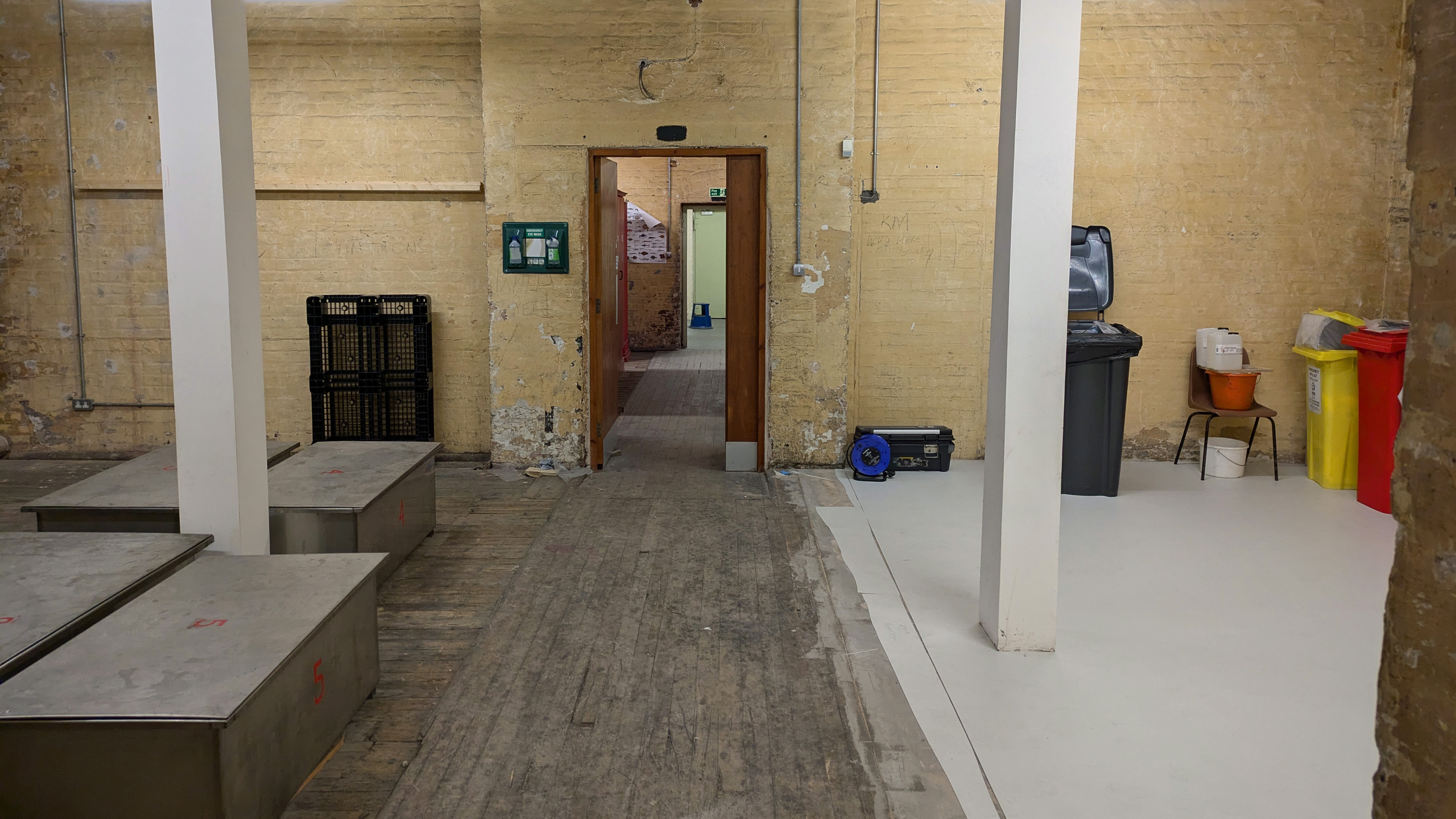
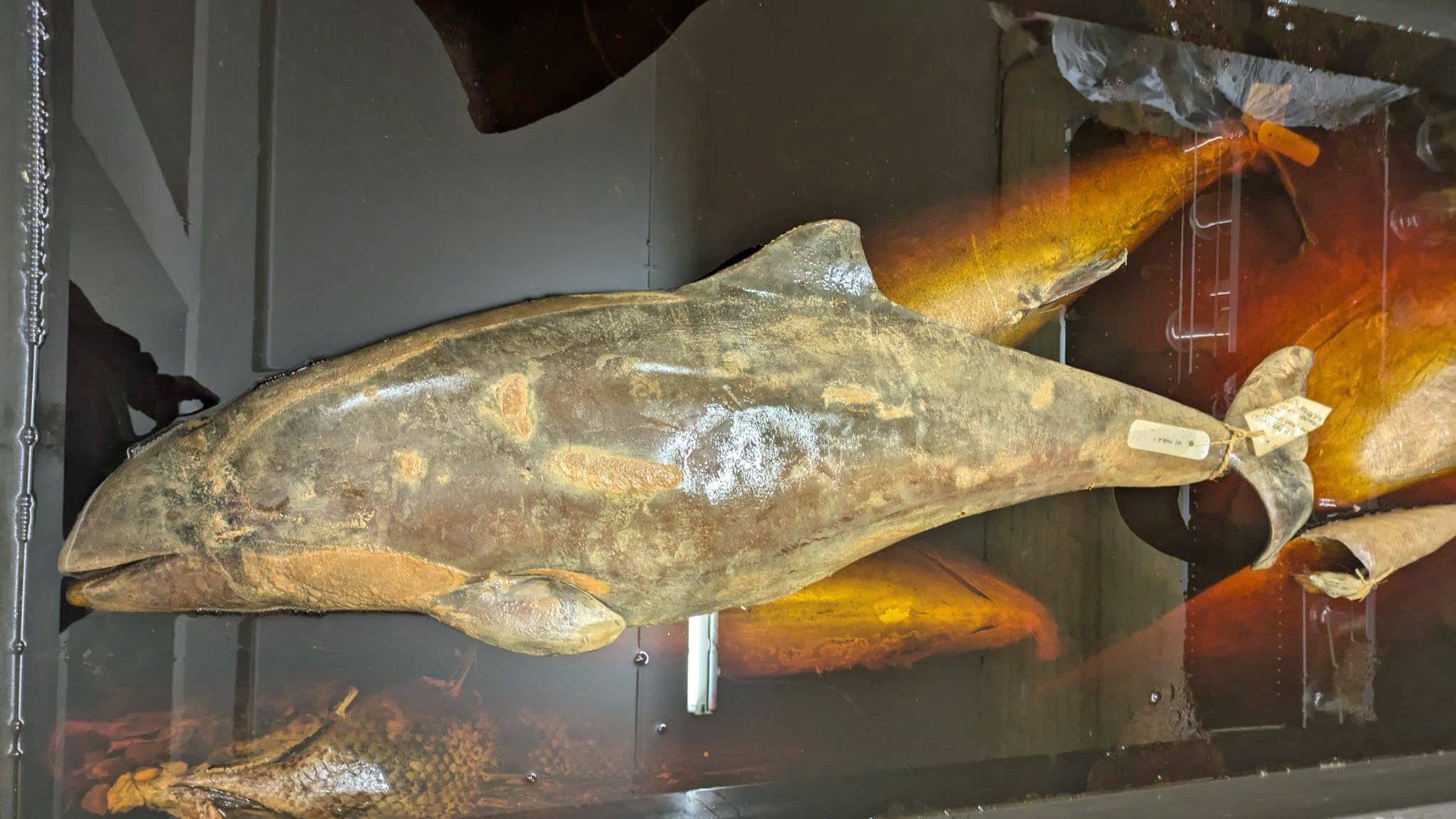
(left) Halfway point in the “big tank” room. (right) One of, if not the, largest fluid specimen in the collection. NMINH:1966.6.1 is a whole harbor porpoise Phocoena phocoena (Linnaeus, 1758). It is worth knowing it is one of the few specimens that remained its recorded length – over 1.2m long.
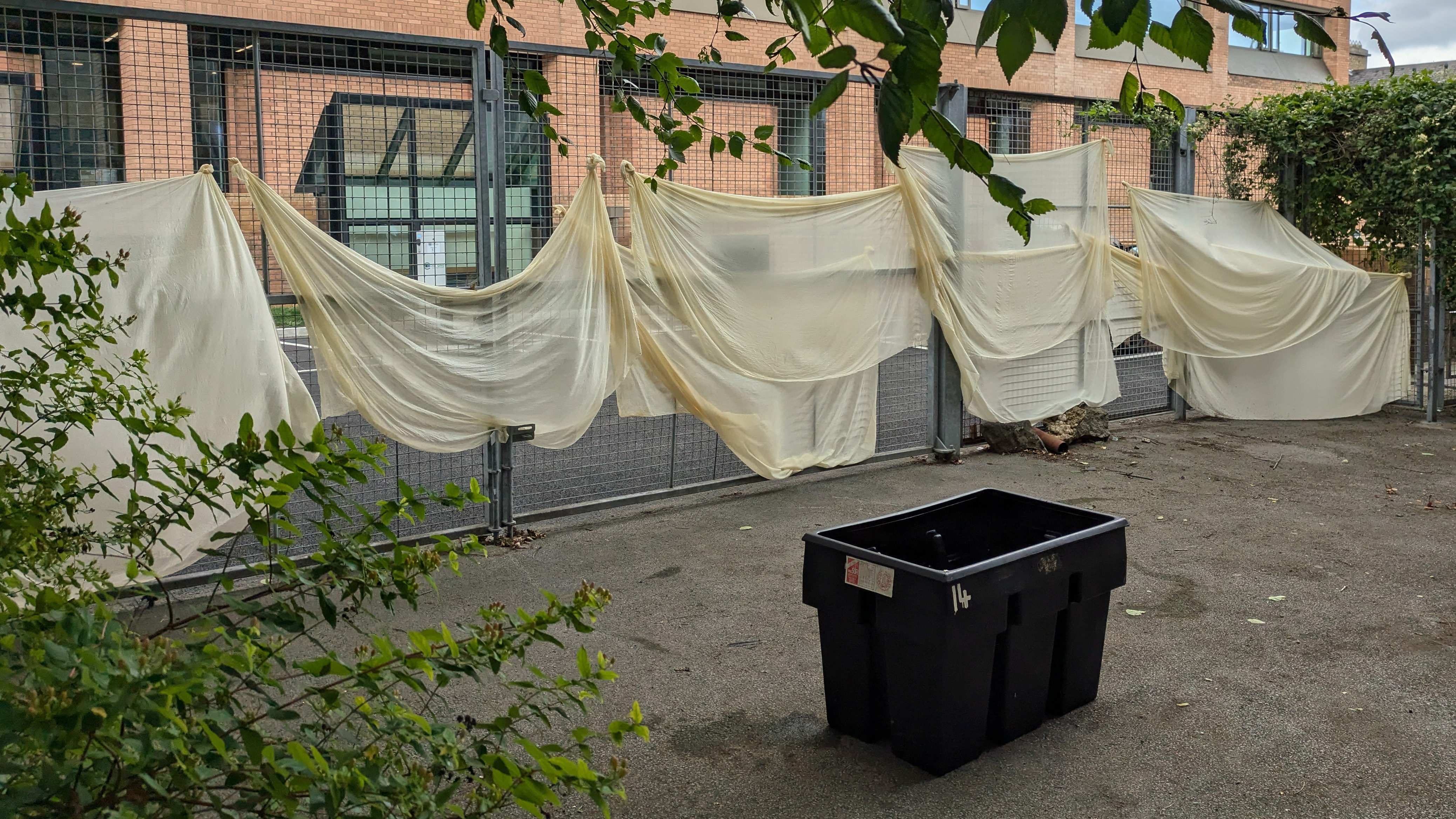
Upon reflection and a bit of distance from the moves, it’s clear that teamwork, communication and tea breaks were key. While the vapor masks were effective at filtering fumes, they muffled voices. By having repeated breaks in the fresh air or in a tearoom, we could talk freely and lessen the need to do so when moves were underway. It is not surprising that after the moves there was still a lot to do – cleaning the muslin (pictured), moving specimens into the room, condition checks, updating locations, etc. Finally, I should acknowledge that this task would have been inadvisable if not impossible without my colleagues from the Natural History, Conservation and Registration Divisions, the help of professional movers William Tracey & Sons and support from the Office of Public Works. Tanks so much!

 NatSCA
Pingback: NatSCA Digital Digest – March 2025 | NatSCA
Pingback: Top NatSCA Blogs of 2025 | NatSCA