
Editors note: This is the second of two concurrent blogs about the new diorama at the Booth Museum. Click here to read the first and find out more about how the diorama was created.
Written by Su Hepburn, Head of Learning & Engagement, Brighton & Hove Museums.
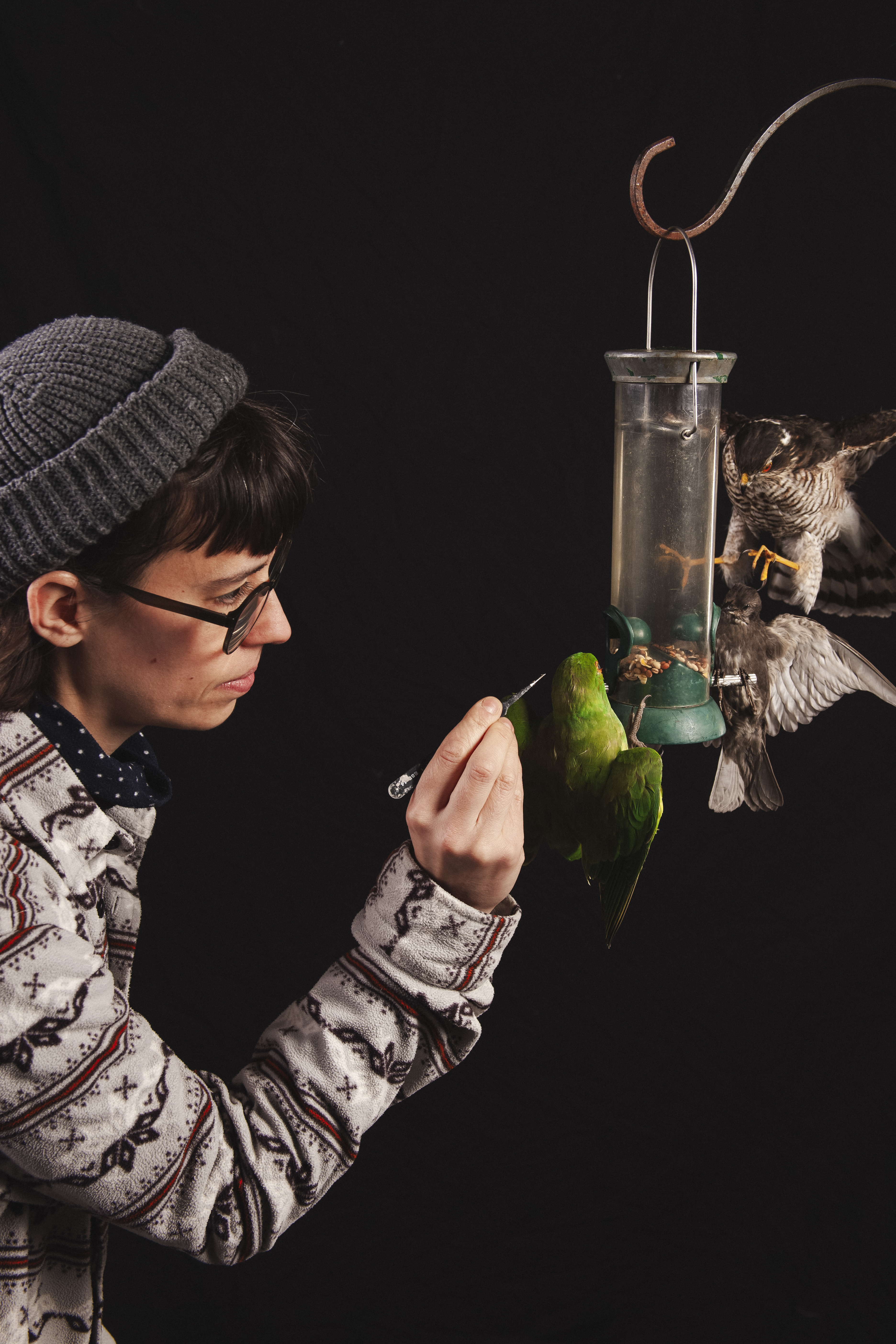
Why a new diorama?
In the autumn of 2022, we started our ‘Discover our Dioramas’ project at the Booth Museum of Natural History, part of Brighton & Hove Museums. Funded by an Esmée Fairbairn Collections Fund of £50,000 we set about building the first natural history diorama at the museum in 92 years. This was a significant project for a museum whose Victorian creator Edward Booth had lined every wall with dioramas of birds. Dioramas are an ideal way of storytelling. They are visual and can get a lot of key information to audiences without the need for words.
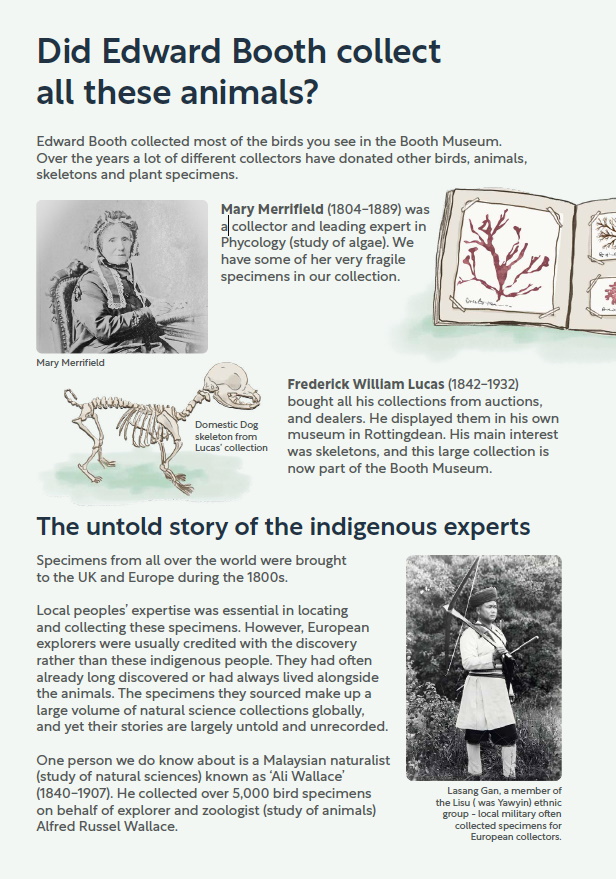
Alongside this we were also given £3000 from Rampion Windfarms to research and display more information about people especially women involved in the museum’s history.
These projects gave us the time and space to be playful and to make friends. To impact on our audiences, our staff, our collections, and our future practices. It has brought joy to the museum, visitor and staff alike.
Why a focus on the under 10s?
As we were coming out of lockdown our audience of children was growing. The dioramas are historic, beautiful to look at and well conserved but are they understandable to a modern audience especially the under 10’s?
What did we ask them?
Why do you come? What do you like? What don’t you like? What’s missing? What’s your favourite? Where do you see nature in your own lives? What’s the most popular collection? What do you understand about these collections? Do you know about decolonising? What would you like to know more about? What are your climate concerns? What would you put in a new diorama and why?..
How did we ask them?
We were very low fi and very playful. We made sure we were having an ongoing conversation not one off focus groups. We tested and tried things out and tweaked. We did surveys, observations, voting station, open ended questions, feedback stations, focus groups, and mystery shops.
What did they ask us?
Something that guided a lot of the project was a simple ‘ask us a question’ visitor activity. What we got back was absolute gold dust.
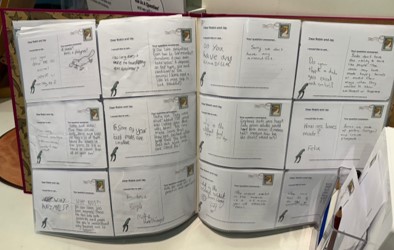
- Why do snakes slither?
- Do the animals go to sleep at night?
- Why do flamingos have funny teeth?
- Can you put my dad in your museum?
- Why are squirrels so greedy?
- Do seagulls eat tuna?
- Why are elephant bird eggs so big?
- Why animals?
- Whose museum is this?
- Are all the animals real?
- Why so many birds?
- What is a diorama?
- Do you kill the animals?
- How long does it take to stuff them?
- Why don’t the animals decompose?
- Are the eyes real?
- How do people make these things?
What did we learn?
We learnt that most visitors don’t know what taxidermy is but they REALLY want to know. They don’t know what a diorama is or that they are hand crafted. They had no idea about the scientific significance of the collections and but have a real interest in science, nature and ecology.
So, what changes did we make?
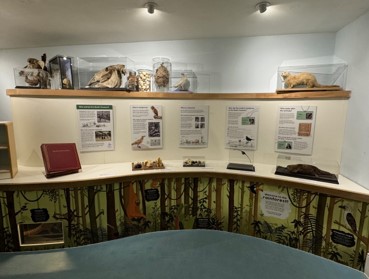
The new ‘Peopling the Booth’ display of 10 panels and objects used the questions as the lead. We used 5 of these panels to explain what taxidermy is from the Victorian period to the modern day. The rest explain how things were collected and how the museum runs.
Some quick wins:
- We diversified our book box – with a focus on science, ecology and climate change, women and people of colour working in science.
- We put out the SEN resources usually used for schools for everyone to use. These included ear defenders, fidget toys, weighted soft toys, binoculars, colour filters, magnifying glasses and torches.
How are we addressing climate anxiety which is especially high in children and young people?
- Being truthful and acknowledging there is a problem
- Not putting it all on children to solve
- Highlighting collective action
- Showing achievable goals
- Highlighting positive news with our Good News Board
- Continuing to encourage a joy of nature
How are we decolonising with the under 10s?
Stories, stories and more stories – we add more, we don’t take away. We add more narratives, more viewpoints, more experiences and more voices. We have a polyvocal approach – all voices are valid and no one voice has the authority.
What does the new diorama look like?
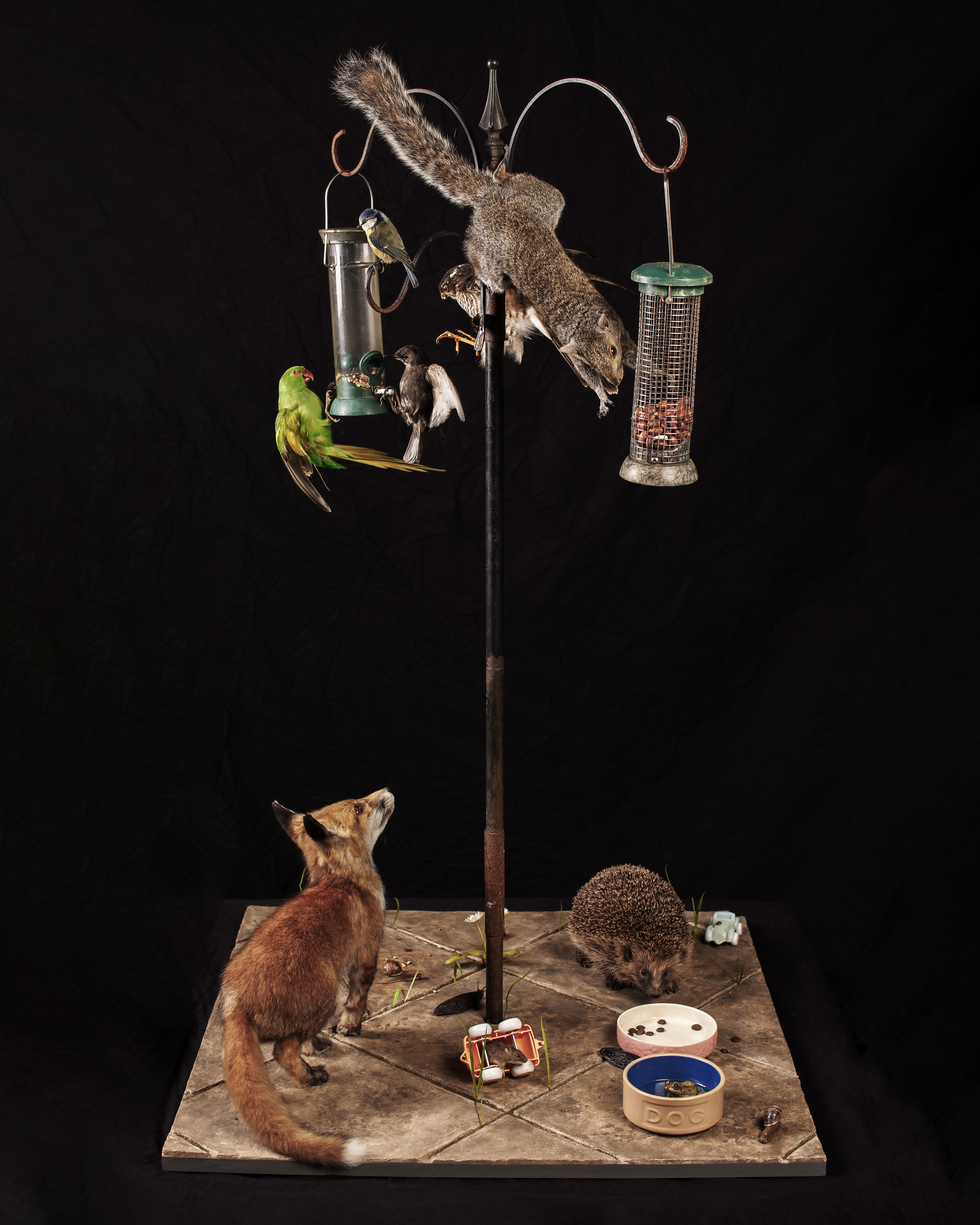
Launched in January 2024, the Life in a Garden diorama shows mammals, birds and insects in an average urban garden scene. It looks perfectly at home amongst the historic displays yet stands out as something special. Its illustrated base has interpretation panels with touchable fur and bird sounds. The stories it tells are relevant to our audiences young and old and connects them to the historic collections. It doesn’t shy away from discussing climate change and the delicate eco systems we are all a part of or how the animals on display died. When Edward Booth began his museum, he was at the forefront of natural sciences with his displays. Our hope is, that this new diorama continues his legacy for a modern audience but without losing any of the Booth Museum’s much loved charm.

 NatSCA
Pingback: NatSCA Digital Digest – September 2024 | NatSCA