Top 10 Blogs of 2020

Written by Jennifer Gallichan, NatSCA Blog Editor; Curator (Vertebrates/Mollusca), National Museum Cardiff.

2020 – what a year! Well done on getting through it, and a heartfelt thanks from me for all of the fantastic blog contributions this year. We saw a marked increase in online engagement when the first lockdown hit, with more of you reading and engaging with our blog page than in any other year. I have very much enjoyed reading all of the articles, and I hope you have too.

To reflect on the year, here are your Top Ten most read NatSCA blog articles from 2020. Covid obviously features, as well as a strong focus on discussions surrounding decolonising collections. I am also pleased to see that there is a healthy dose of solid natural history conservation practice this year. I know I have taken great solace from the fact that no matter what was happening in the world, time seemed to stand still the minute I entered the stores. I hope that focusing on the practicalities of caring and conserving our collections has been a healthy and hopefully reassuring distraction from the craziness surrounding us all.

10. Frequently Asked Questions about Taxidermy

Written by Ella Berry amateur taxidermist & MSc Conservation Practice student, Cardiff University. Attempting to deal with some of those tricky taxidermy questions.
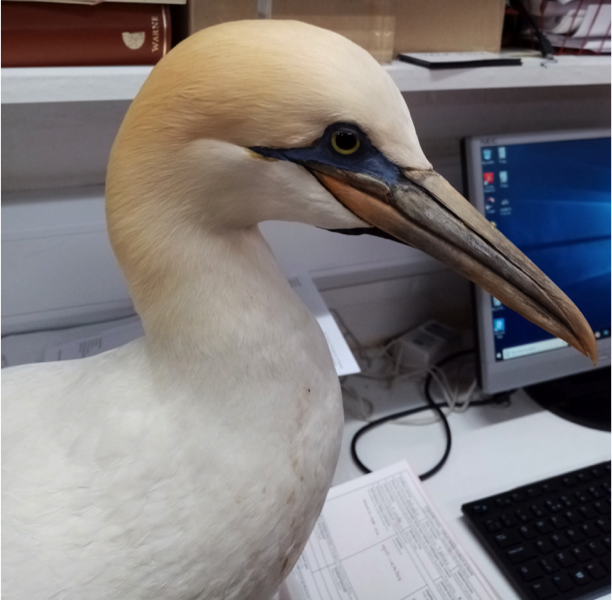
Photo of the taxidermy Gannet (Morus bassanus) waiting patiently(!) to go on display before the event. Photo by author.

9. Museums Beyond Covid

Written by Jan Freedman, Curator of Natural History, The Box, Plymouth. Exploring how our museum spaces and experiences might be very different in the future.
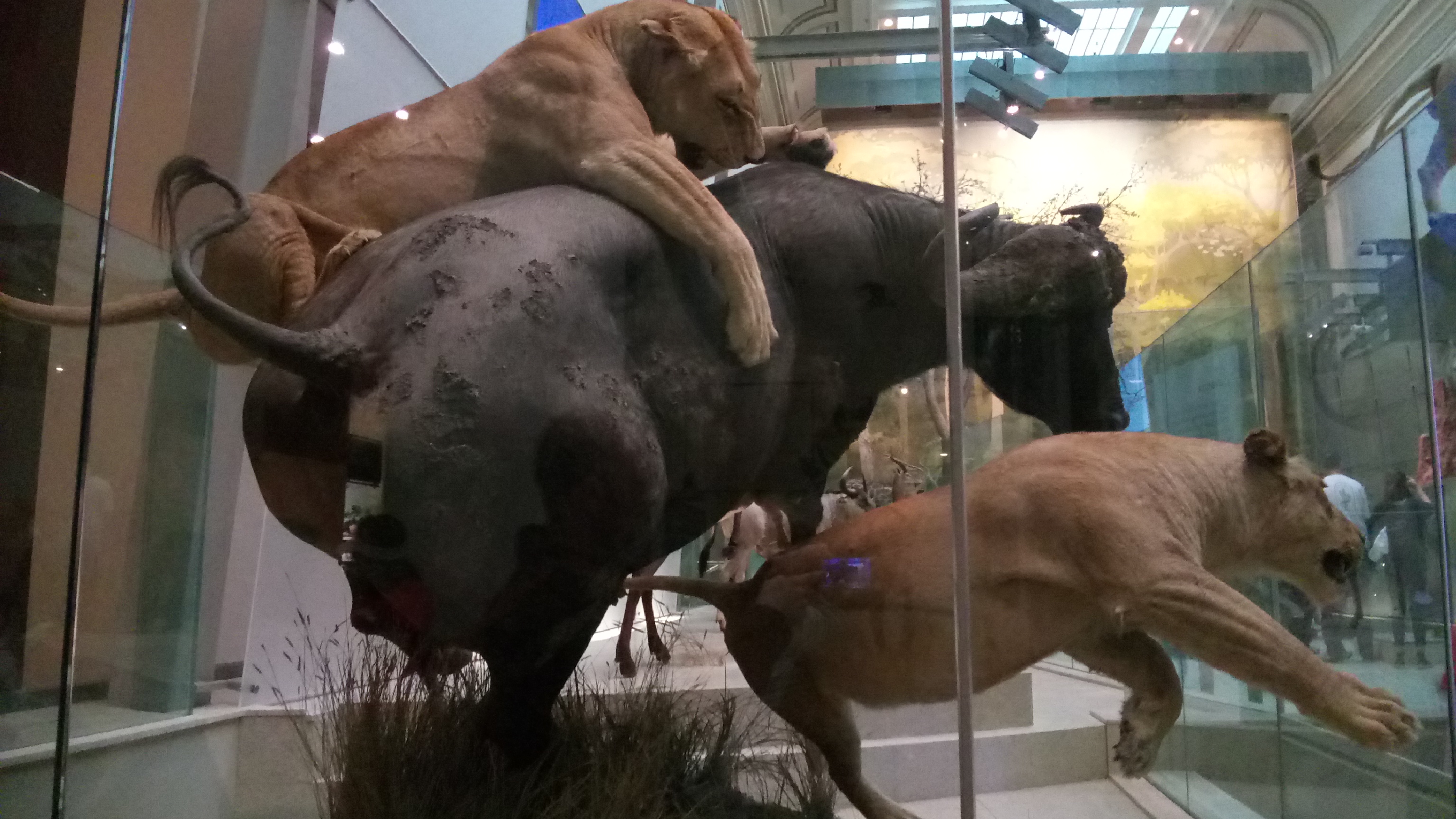
Beautiful taxidermy work of lions attacking a buffalo. I patiently waited 15 minutes until the case was clear of visitors for this photo. Photo by Jan Freedman.

Continue reading

NatSCA Digital Digest – December

Compiled by Jennifer Gallichan, NatSCA Blog Editor; Curator at Amgueddfa Genedlaethol Caerdydd – National Museum Cardiff.

Welcome to the December edition of NatSCA Digital Digest.

This month’s Digest dispenses with the usual format and focuses on all things Christmas. Apologies to all those Scrooges out there, but all things considered, this year needs as much sparkle and fairy lights as we can throw at it people!

There are some super virtual advent calendars going on. I am off course recommending my very own institutions @CardiffCurator account. This year our annual #MuseumAdvent calendar meets #NatureOnYourDoorstep. We launched our nature #WinterBingo challenge on the 1st December. Find all 24 things before Christmas, tag them in and they’ll retweet your finds.

Then there is the wonderful Leeds Discovery Centre Video Advent Calendar. Every day, open a door to see what object their curators and staff have found in the Store. Also an excellent opportunity for a virtual nose around their stores.

And this year, Manchester Museum are bringing you a #Caring Christmas advent calendar. Each day their gift to you is a little story of wonder, celebrating how we care for our world and each other.

Continue reading

NatSCA Digital Digest – October

Compiled by Lily Nadine Wilkes. NatSCA Volunteer.

Welcome to the October edition of NatSCA Digital Digest.What can I read?

There are some wonderful posts on our blog. Patricia Francis, the natural history curator of Gallery Oldham, wrote Natural Connections an investigation of the person, place and specimens of a painting that reveals a hidden Oldham story. There is also Andrew Kitchener’s post on CryoArks, the UK’s first zoological biobank.

As we are in Black History Month, there is a lovely collection of research from the Natural History Museum into how the museums history and collections are connected to the transatlantic slave trade in Slavery and the Natural World.

Continue reading

NatSCA Digital Digest – September

Compiled by Jan Freedman, Curator of Natural History, The Box, Plymouth.

Welcome to the September edition of NatSCA Digital Digest.

What can I read?

There’s a few lovely posts on our blog. Our chair, Isla Gladstone, encourages our members to have a look at our survey, for the committee to learn more about your needs from NatSCA. Bethany Palumbo takes us through the conservation of a mummy sarcophagus at the Bournemouth Natural Science Society.

There’s some nice reading on our friend’s, The Geological Curator blog. An interesting post about the discovery of a dinosaur bone on the Isle of Wight, Vectaerovenator inopinatus.

There’s a new book recently out, which is the most up to date look at our closest extinct relatives, the Neanderthals. Kindred: Neanderthal Life, Love, Death and Art is available now.

Continue reading

NatSCA Digital Digest – August

Compiled by Glenn Roadley, Curator (Natural Science), The Potteries Museum & Art Gallery.

Welcome to the August edition of NatSCA Digital Digest!

A monthly blog series featuring the latest on where to go, what to see and do in the natural history sector including jobs, exhibitions, conferences and training opportunities. We are really keen to hear more about museum re-openings, exhibition launches, virtual conferences and webinars, and new and interesting online content. If you have any top tips and recommendations for our next Digest please drop an email to blog@natsca.org.

Where Can I Go?

Museums have been steadily reopening since the beginning of July, and August brings a growing list of museums tentatively opening their doors to a limited number of visitors. The Art Fund has put together a list of opening dates, with big names in August including The Natural History Museum, the Science Museum (London), the Museum of Science and Industry (Manchester), National Museum Cardiff and Eureka (Halifax).

What Can I Read?

We’ve got two great posts on the NatSCA blog this month. Yvette Harvey writes about the colonial history of the collecting trips of George Forrest, whose collections still have a huge impact on what is grown in our gardens today. Jan Freedman writes about his experiences in busy museums, and how a calmer, post-Covid environment may benefit the experiences of visitors.

Continue reading