
Written by Caitlin Jamison, Museum Collection Technician, Montrose Museum: ANGUSalive.
Montrose Museum in Angus, northeast Scotland, houses an impressive natural history collection. Everything from taxidermy to fossils to rare minerals are housed in a modest, Greek-revival style museum off the high street. Built in 1842, it is one of the first purpose-built museums in Scotland.
Sadly, due to changing public interest (and the challenging funding situation facing many local authority museums) the collection has been somewhat forgotten since it was catalogued onto neat pink index cards in the late 1970s.
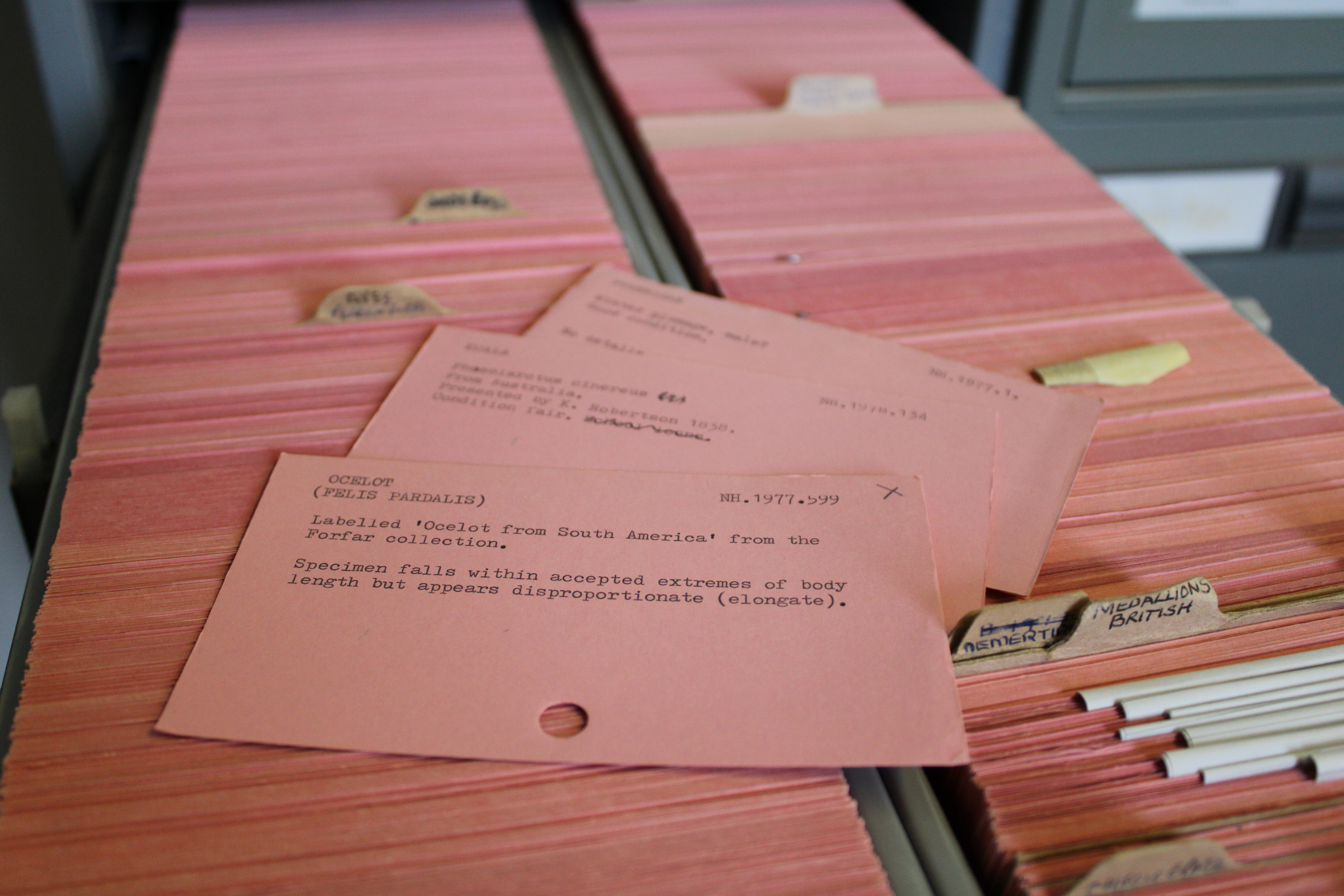
This is where I come in – as Museum Collections Technician, Natural History, it is my (part time) role to digitise this vast collection of some 3000 specimens. Beyond the wonky Victorian mount of an ocelot and vaguely radioactive fossils, this project highlights the rapid pace of the climate crisis on a local scale.
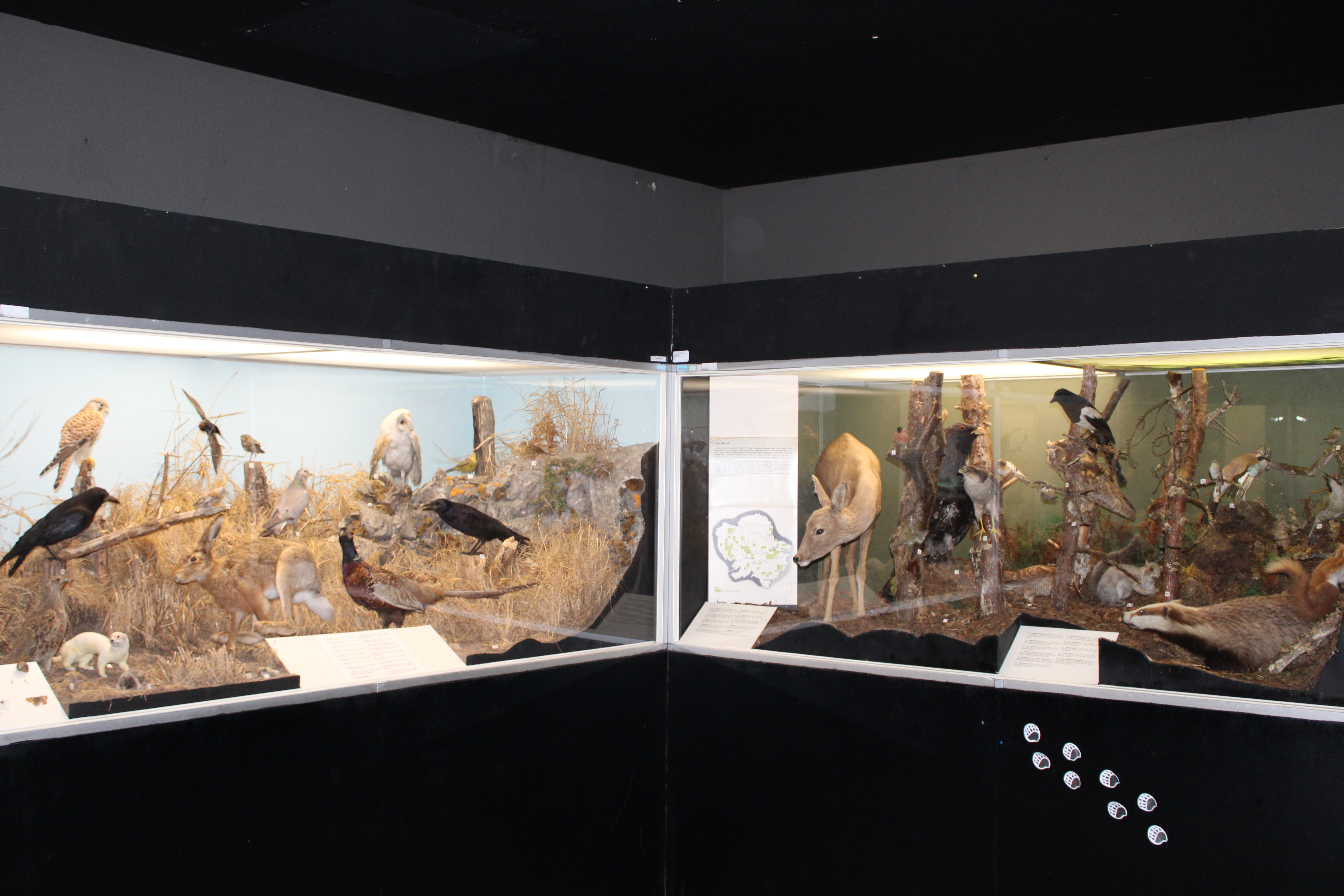
The natural history gallery displays specimens from around Angus in their natural habitat of the seashore, mountain or glen. Many of these specimens were ‘shot to order’ in the late 1970s then exhibited with educational interpretation. These panels have remained largely unchanged for nearly 50 years – a time capsule of extinction.
Since then, migratory bird populations have declined, and hedgehogs no longer frolic in gardens, but what is most poignant is the stark and saddening difference in the life of two iconic Scottish species.
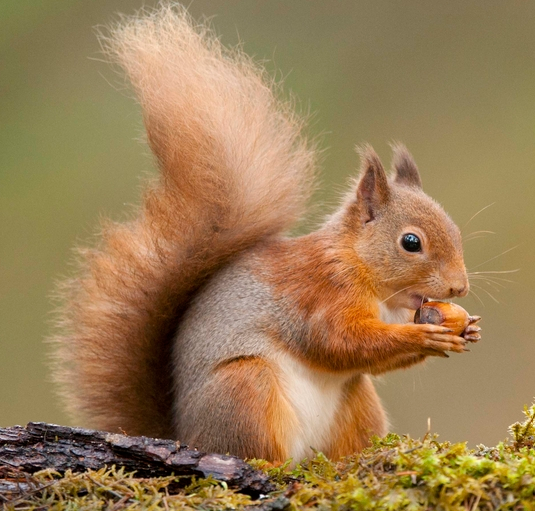
The Red Squirrel and The Scottish Wildcat
Take, first of all, the interpretation label for the red squirrel:
‘Widespread and common, even visiting town parks and gardens. Native red squirrels are a lot rarer in the UK than their American cousins, grey squirrels.’
Today, red squirrels are endangered in the UK, only inhabiting remote locations in Scotland and northern England. In just a few short decades, this species has been decimated by the loss of their woodland habitat; the trees no longer lock up carbon and the climate crisis is fuelled further. But the main reason for the sharp decline in the red squirrel population is their invasive American cousins, the grey squirrel. This label states:
‘To date, only a few recorded and it is to be hoped that it does not spread into Angus.’
Sadly, this was not to be. The grey squirrel is now widespread throughout Scotland, a tangible example of human activity having a devastating and long-lasting effect on the natural world.
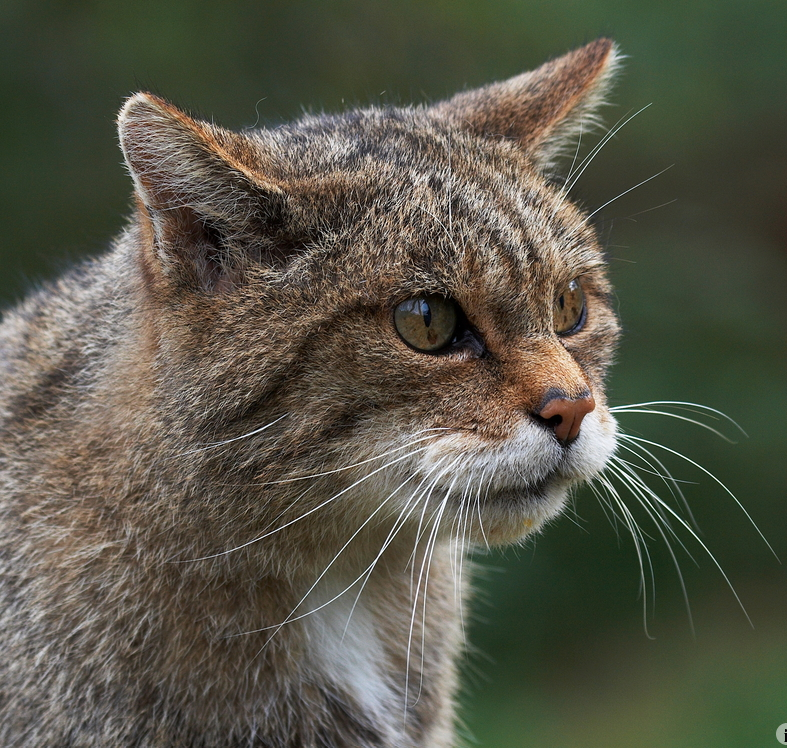
Now, onto the majestic but shy Scottish wildcat. Visitors learn that this species is:
‘Fairly common in our hills and glens. Although persecuted, it is a beneficial predator, with 90% of its diet consisting of rabbits.’
Today, the wildcat is ‘extremely rare and elusive’ according to The Woodland Trust and has been pushed further and further north to tiny pockets of suitable habitat in the Highlands. After hundreds of years of hunting and habitat loss, it now faces its biggest threat: hybridisation. Interbreeding with feral and domestic cats makes the wildcat susceptible to disease and dilutes the gene pool of its distinctive features, which will eventually be lost. Once again, human activity is having a direct impact on diversity of local wildlife.
Tackling a Global Challenge on a Local Scale
People often comment that they remember more songbirds when they were children, or that floods seem to be more ferocious now than they used to be. The climate crisis is a real threat to life on planet earth, but often it can be hard to pin down exactly what has changed when the scale is global. In this small museum, visitors can see what has changed in their own lifetime – red squirrels and Scottish wildcats being pushed to the brink of extinction.
This natural history collection has the potential to act as the catalyst for discussions around the climate crisis. Montrose Museum is working to update their natural history interpretation and through the plight of these two iconic species, open a non-confrontational dialogue to address a global challenge on a local scale. In adopting this approach, museums can reach visitors that may not have engaged with environmental issues before, and prompt further engagement in the museum and beyond.

 NatSCA
Hi there! Speaking as a former curator of Montrose Museum I would like to say that when the gallery was opened in the early 1980s only the specimens which were already in the collections were used. Any new ones were the result of collection by natural death. While our Victorian forebears were all too ready regrettably to shoot specimens, this was certainly not the case at the time this gallery was curated. Some updates in the labels have been done as well since the early 1980s.
LikeLike
Pingback: NatSCA Digital Digest – May 2025 | NatSCA