
Written by Lauren Field, Curator of Natural History, Bolton Museum.
In June 2024 Bolton Museum launched a summer exhibition titled Birds of Bolton. This exhibition celebrated the incredible variety of bird life in Bolton and beyond and was inspired by the recent donation of a large collection of sketchbooks by Bolton-born artist and naturalist Eric Gorton (1929-2001).
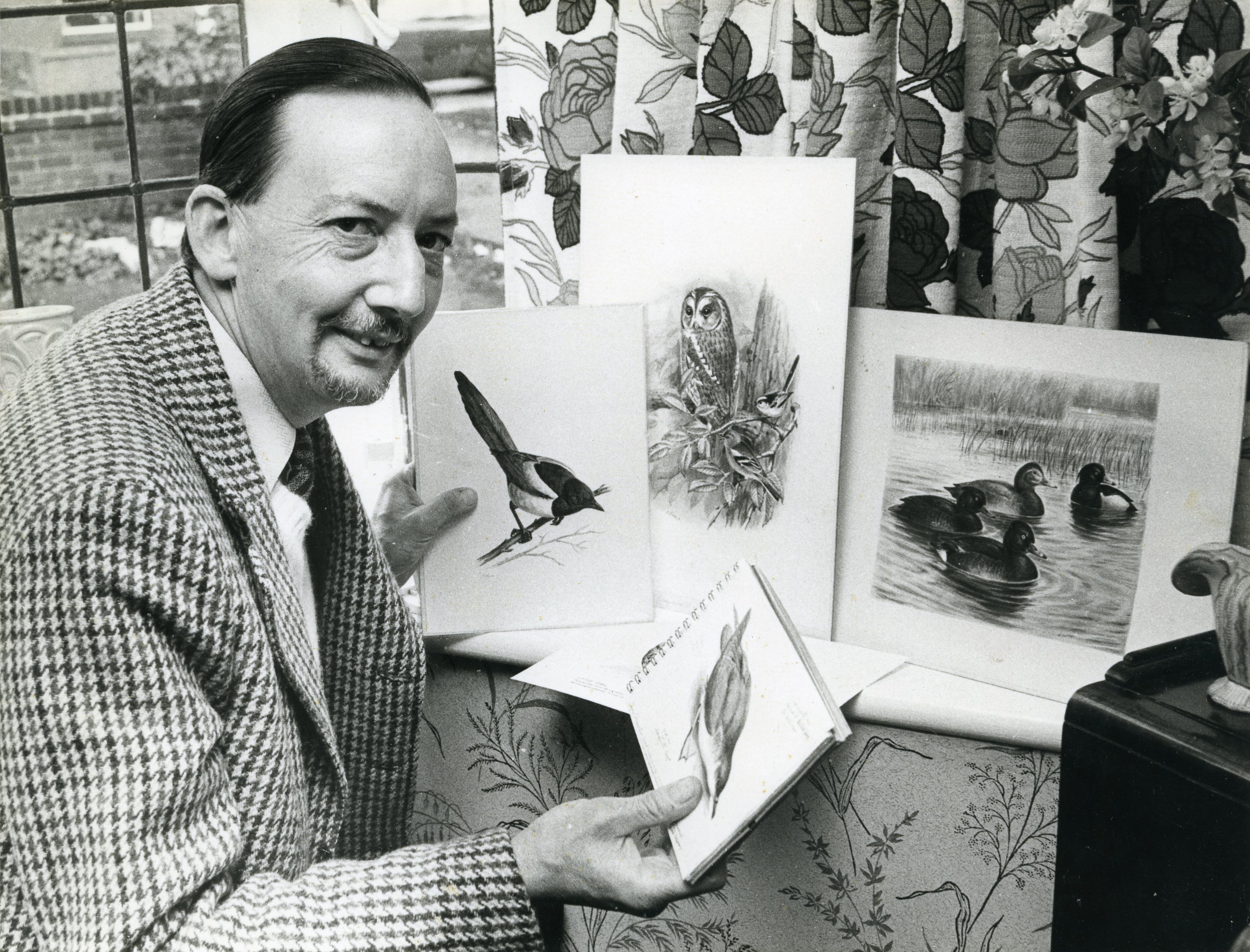
Dating from 1947 to 1998, the sketchbooks are the record of a lifelong love of birds and other local wildlife. His drawings capture the rich diversity of Bolton’s bird population – their shapes, colours, how they behave, and where they live. Eric Gorton spent over fifty years filling his sketchbooks with observations of birds in the field.


Gorton worked for Bolton Museum from 1947 to 1976. He worked initially as the museum taxidermist and later as Keeper of Natural History, and he helped to build one of the best collections of bird skins in the country which is still held at the museum today.
Bolton Museum’s ornithology collection consists of approximately 5000 bird skins, 7000 eggs, 200 nests, 2000 taxidermy mounts, and 275 skeletons. Approximately 200 of the mounts are cased and the majority of these are from the transfer of natural history collections from Buile Hill Mining Museum in Salford in 1991.
Eric Gorton played a central role in building Bolton Museum’s nationally important collection of bird skins. He organised a nationwide team of collectors who sent him birds that had died after crashing into windows, road collisions, or through old age and illness. He actively built this collection to ensure the people of Bolton had access to a collection of quality. The specimens are of local and worldwide origin, but due to Gorton’s work there is a significant British collection dating from the 1950s onwards.

Along with their scientific importance, these bird skins also provided an inspiration for his art. Birds move fast, and it can be difficult to see the finer details such as their features and feathers. Gorton would do an initial sketch in the field and then return to the museum and colour the illustration using a bird skin as reference, or he would produce illustrations from freshly deceased specimens.
This became evident during the documentation of the sketchbooks when they were accessioned into the collection. Illustrations have been connected to the actual specimens in the collection due to matching dates – additional information about these birds has then been recorded that was not held previously, such as collection location.
Gorton lived in Westhoughton for much of his life, and he often made drawings of birds that visited his garden. He also made regular field trips to the countryside surrounding Bolton, filling hundreds of sketchbooks with brilliantly observed drawings. One of the places he visited most often was Rumworth Lodge, a large shallow reservoir in Bolton. He once said that “one of the best places for bird watching in Bolton is Rumworth Lodge,” and this is clear from the number of sketches he produced at this location. The great variety of breeding and nesting places including trees, water, bushes, and undergrowth, means that it is full of birds all year round and that Rumworth Lodge Reservoir is of great ornithological interest. Both reed and sedge warblers can be seen in summer and other species of bird recorded at the site includes arctic skua, brent goose, great grey shrike, and purple sandpiper. Two islands created by Lancashire Wildlife Trust has allowed both oystercatchers and little ringed plovers to breed, and common terns, tufted ducks, and great crested grebes have successfully bred at the lodge also.
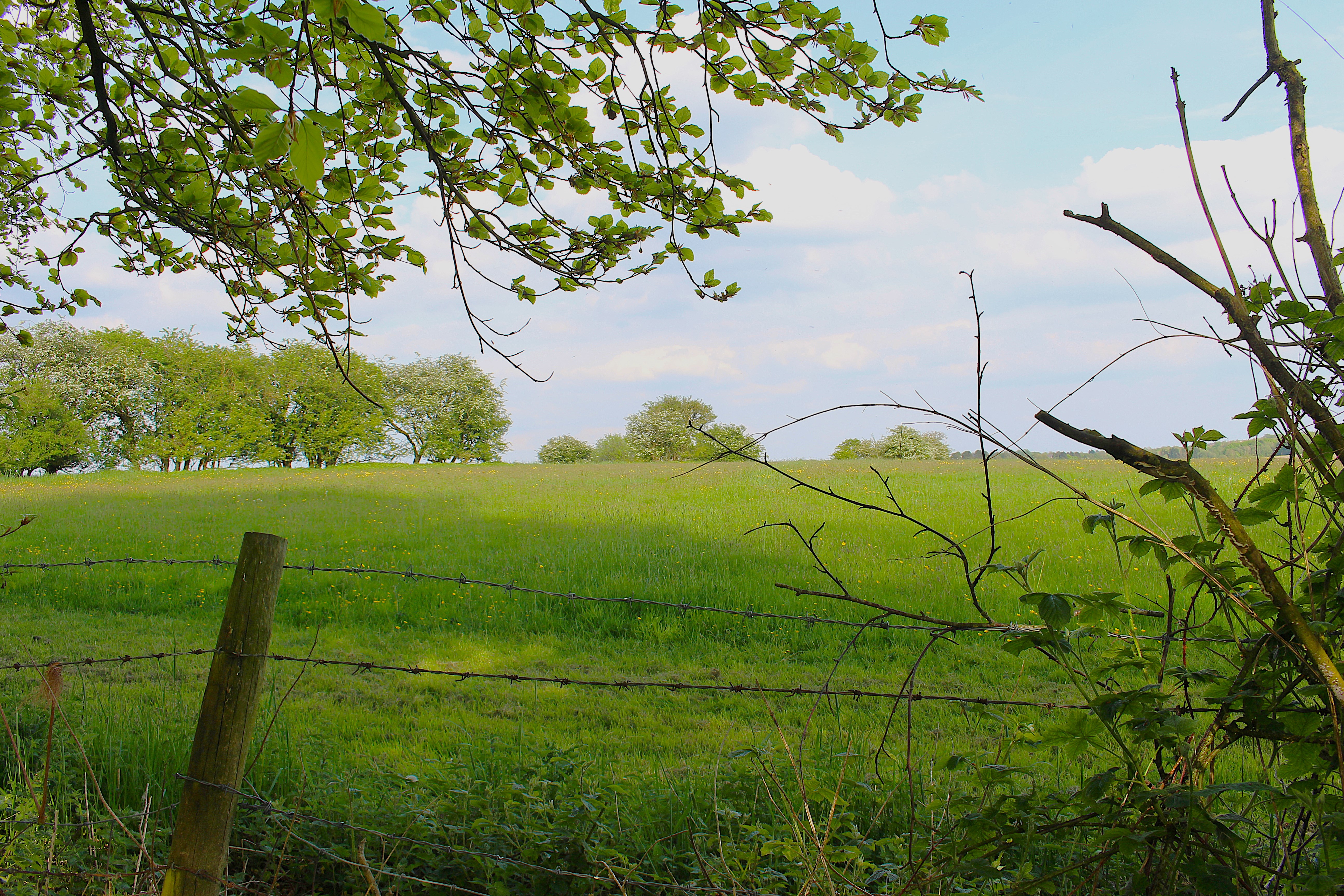
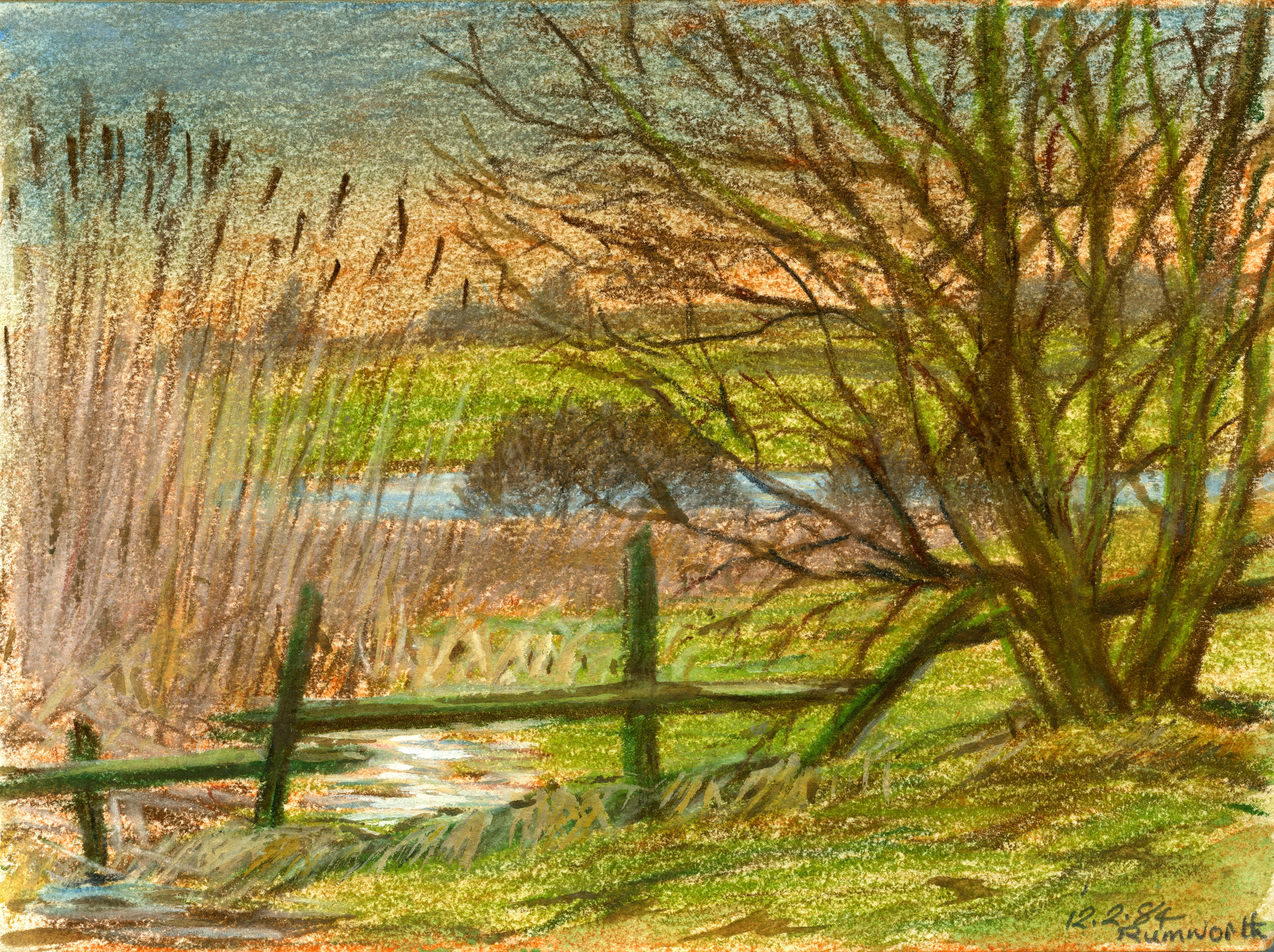
Eric Gorton was also a long-term member of the Bolton Field Naturalists. On 7th February 1907, a group of keen local naturalists met at the Chadwick Museum (Bolton Museum’s first building) to discuss setting up a new society to promote the study of wildlife and natural history. Including botanists, entomologists, and ornithologists, the group soon settled on the name Bolton Field Naturalists’ Society.
Over its long history the society had many notable members including several curators from Bolton Museum, including Eric Gorton. Another notable name, Frank Lowe, was a member and president of the society until his death in 1986. For most of his life he had studied birds and given lectures about them to groups across the country, taking a dedicated look at the heron throughout this time. His monograph The Heron was published in 1954 – a well-versed study that explores one of the most common large birds of Britain. With observations made on their fluctuations in numbers, habitats, physiologies, and more. His weekly Nature Notes appeared in the Bolton Evening News from February 1926 to October 1986. This 60-year run saw Lowe featured in the Guinness Book of Records as the author of the country’s most durable newspaper feature.

The purpose of the Bolton Field Naturalists’ Society was to record the flora and fauna of the Bolton area and educate people on its rich diversity. Many of the society’s meetings were for the study of nature in the field where plants, birds, and other species were listed and mapped. At its peak, the society had over 230 members. However, as numbers fell and costs began to rise, the Bolton Field Naturalists’ Society folded after 110 years in 2017.
The Birds of Bolton exhibition launched on the 29 June and following an extension due to popularity, closed on the 10 November 2024. The exhibition explored all these themes and encouraged visitors to engage with the collection via bird watching and identification in the space. A bird hide was constructed in the gallery to allow people to view the birds in a Rumworth Lodge-like habitat and increase their skills and confidence. Following the success of the exhibition, Bolton Museum will be launching a Young Naturalists Club with the view of bringing the Field Naturalists’ Society back to the museum.

During its run, the Birds of Bolton exhibition received 39,611 visitors and 800 pieces of feedback submitted which identified Bolton’s favourite bird as the robin – thankfully, there was one included in the exhibition!


 NatSCA
Pingback: NatSCA Digital Digest – February 2025 | NatSCA
Pingback: Top NatSCA Blogs of 2025 | NatSCA
Pingback: A New Generation of Bolton Field Naturalists. | NatSCA