
Compiled by Jen Gallichan, NatSCA Blog Editor.
2024 was a great year for the NatSCA blog and we have seen increases in both the number of readers and number of articles submitted. We are now reaching well over 2000 views per month. I want to take this opportunity to thank everyone who contributed an article. The NatSCA blog is driven solely by your contributions, and it is stands as a testament to all the hard work you are doing. I am pleased to say that the 2025 blog calendar is open for business, so drop me a line if you would like to contribute!
To celebrate all your wonderfulness, I am taking this opportunity to highlight the top 10 most read posts from 2024. This year’s line-up feels more diverse that ever, featuring a coelacanth, live dissections, radiocarbon dating, and fluid collections!
In descending order…
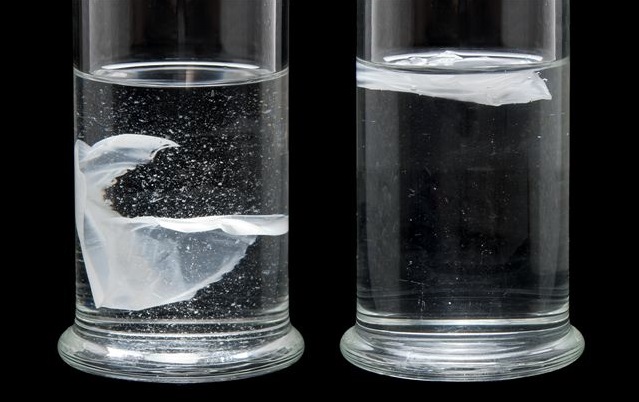
10. Snagged Setae 2, The Sequel: Packing Materials After 14 Years in Fluid Storage. By Lu Allington-Jones (Senior Conservator), Wren Montgomery (FTIR Specialist) and Emma Sherlock (Senior Curator), The Natural History Museum, London. An interesting review of how certain packing materials used in fluid collections faired over a long period of time.
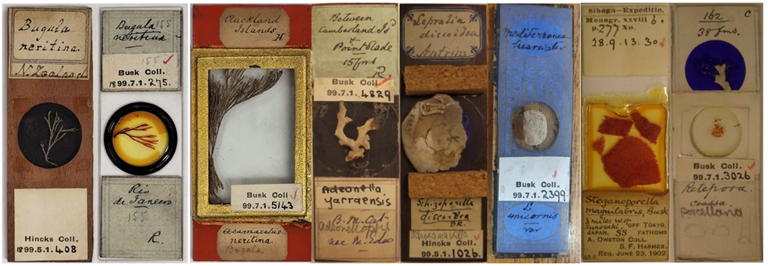
9. Bryozoans on the Move: Trials and Challenges of Packing Collections. Written by Abbie Herdman, Curator of Invertebrates (Non-Insects), Natural History Museum, London. Quite possibly the first time bryozoans have featured in the top ten! This blog focuses on some examples and challenges faced when preparing the NHM bryozoan collections for the big move.
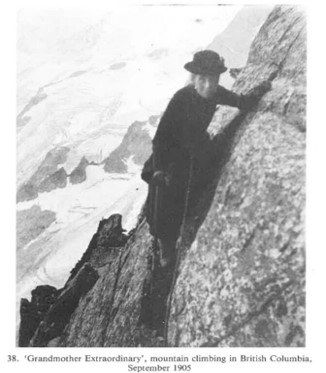
8. Mary De La Beche: Lady Lepidopterist. Written by Kanchi Mehta, 2nd year BSc student, Swansea University, whilst on placement at National Museum Cardiff and Swansea Museum. A great blog showcasing some historical collections research into the life of this engaging entomologist.
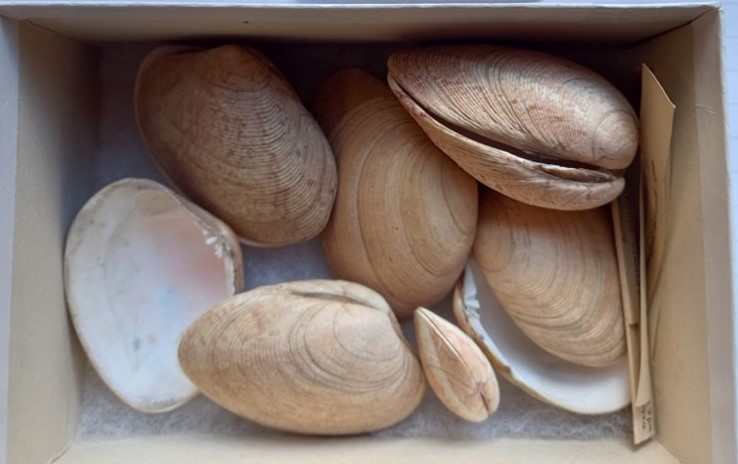
7. Feeling Older than Your Age? The Importance of Museum Collections for Radiocarbon Dating, and a Request for Collections containing Bivalves Collected Before 1950 from the UK. Written by Rachel Wood, Associate Professor, Oxford Radiocarbon Accelerator Unit, School of Archaeology, University of Oxford. Both a blog exploring the research going on into improving dating archaeological and palaeontological collections, but also a request for help.
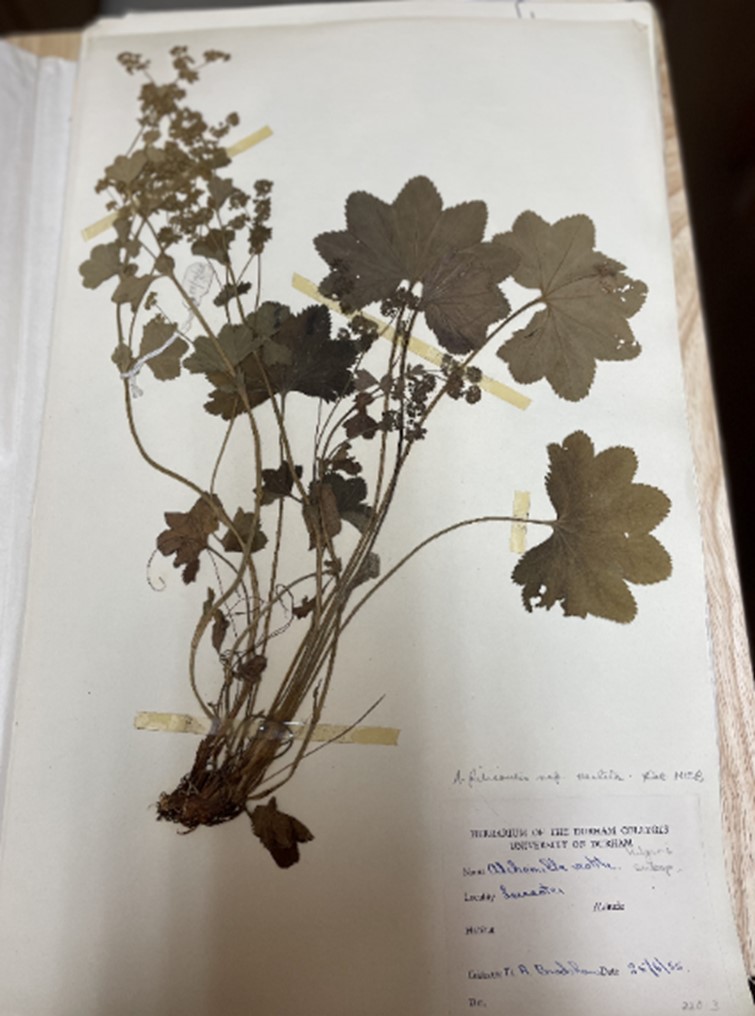
6. Taking a ‘Leaf’ of Faith: Managing a Forgotten University Herbarium. Written by Anna Robson, Graduate Intern Archaeology and Bioscience Collections, Durham University. A brilliant story of reawakening the herbarium at Durham University, revealing unique plant specimens and important stories about the Bioscience Collection as a whole.
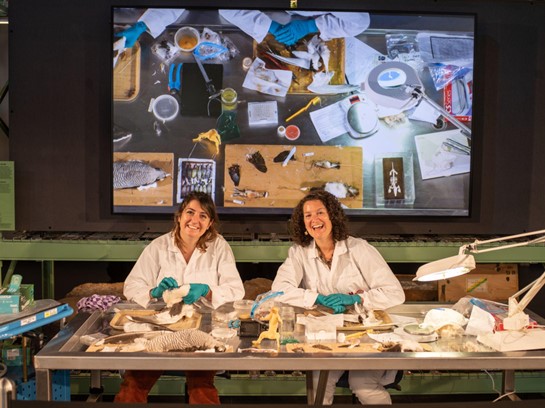
5. Tails from the Weekly Live Preparation Sessions at Naturalis Museum. Written by Becky Desjardins, Senior Preparateur, Naturalis Biodiversity Center. A great blog showcasing the dissection and preparation sessions being run in front of visitors at Naturalis.
4. Creating a New Diorama for The Booth Museum of Natural History – Taxidermy, Silk flowers and Wax Slugs. Written by Jazmine Miles Long, Taxidermist. https://www.jazminemileslong.com, Twitter: @TaxidermyLondon; Instagram: @Jazmine_miles_long. The first of two concurrent blogs about the creation of a new diorama for the Booth Museum. You can read the second one here.
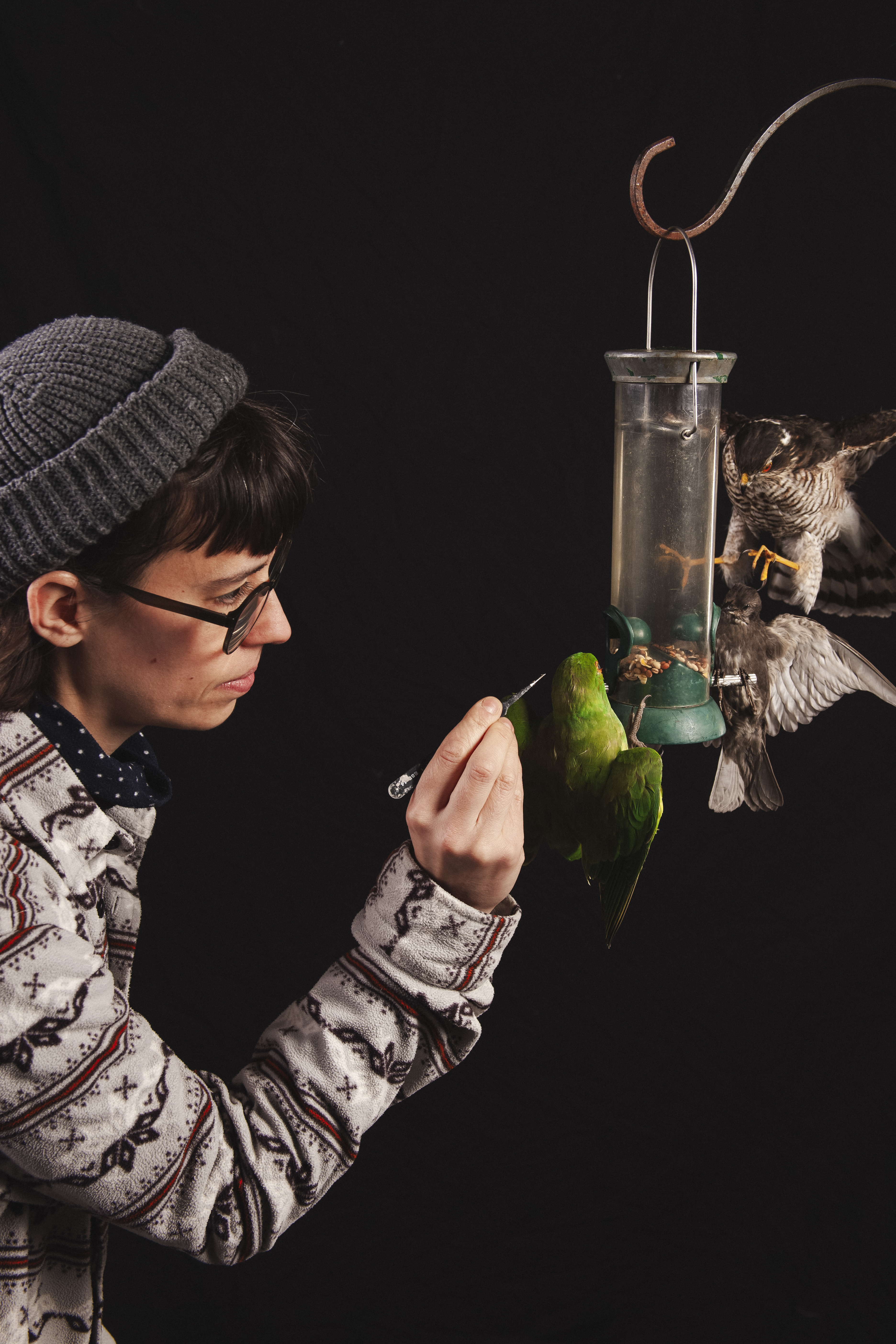
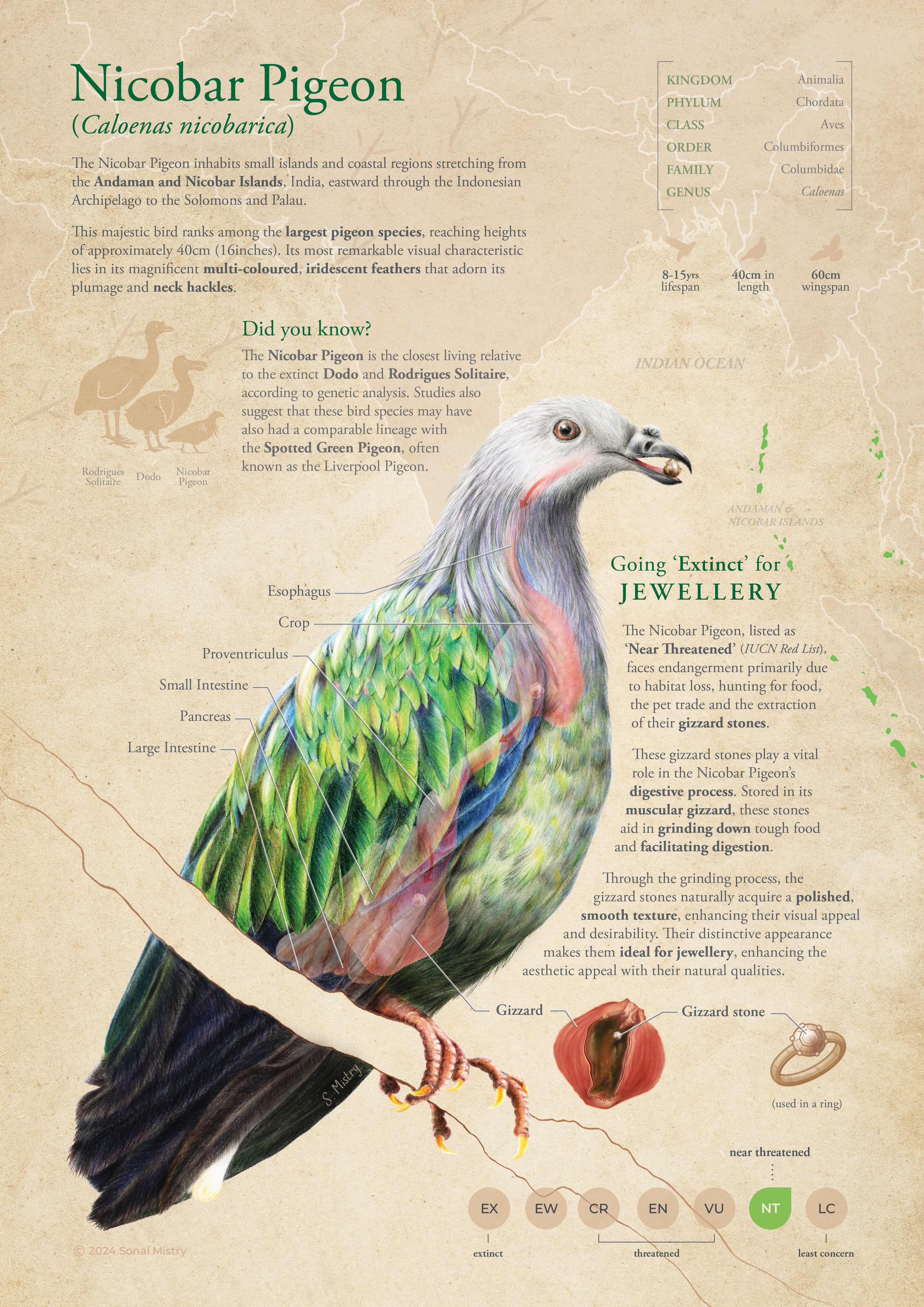
3. Going ‘Extinct’ for Jewellery. Written by Sonal Mistry (Masters Students in Scientific Illustration, Zuyd University of Applied Sciences, the Netherlands) and Olivia Beavers (Assistant Curator of Vertebrate Zoology at World Museum, National Museums Liverpool). An interesting insight into Sonal’s explanation of her university assignment shedding light on the endangered status of Nicobar Pigeons and the unconventional use of their gizzard stones in jewellery.
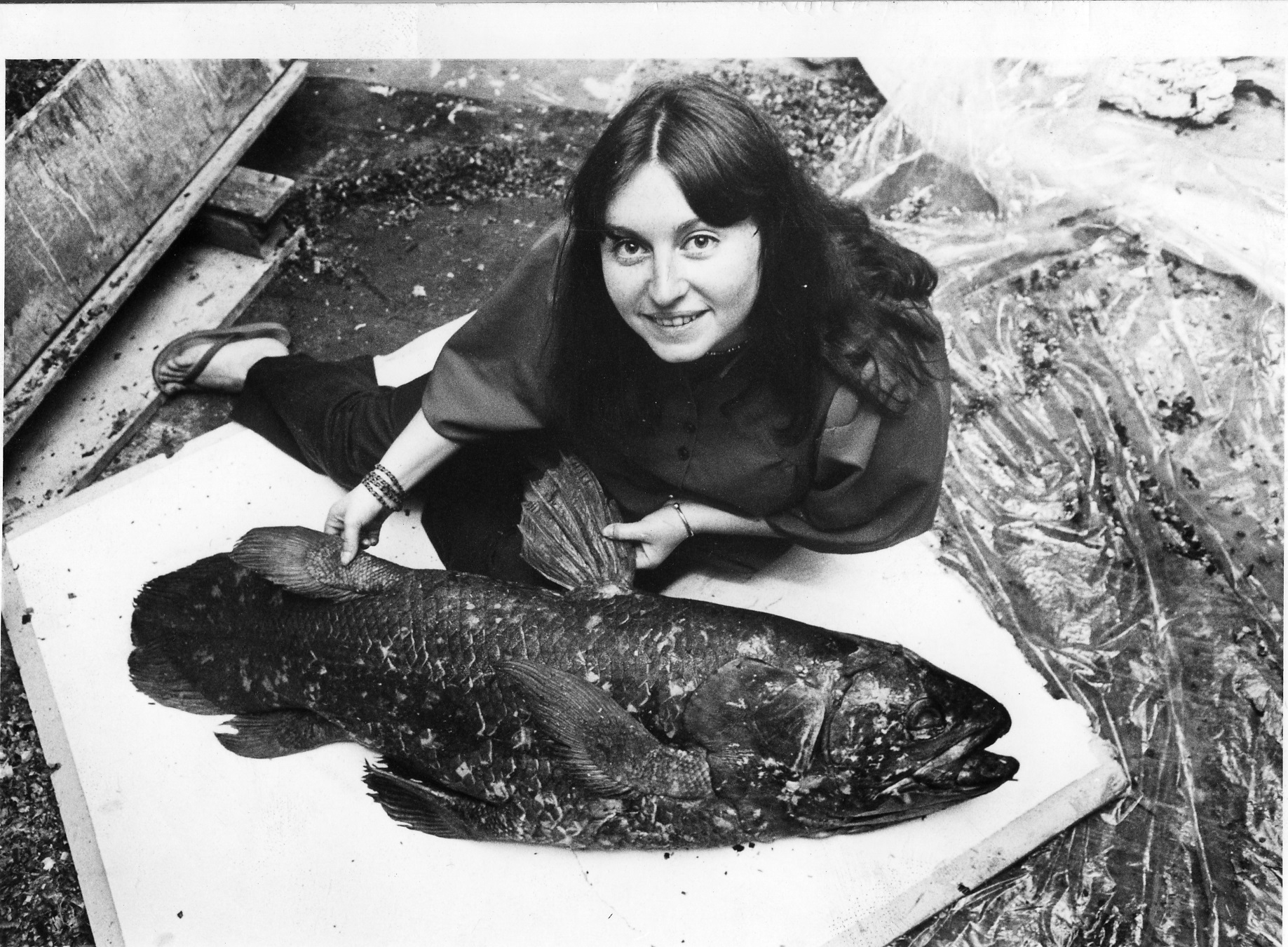
2. Rediscovering the Hancock Coelacanth. Written by Dan Gordon, Keeper of Biology, The Great North Museum: Hancock. A deep dive into the murky tank containing the Coelacanth at The Great North Museum: Hancock.
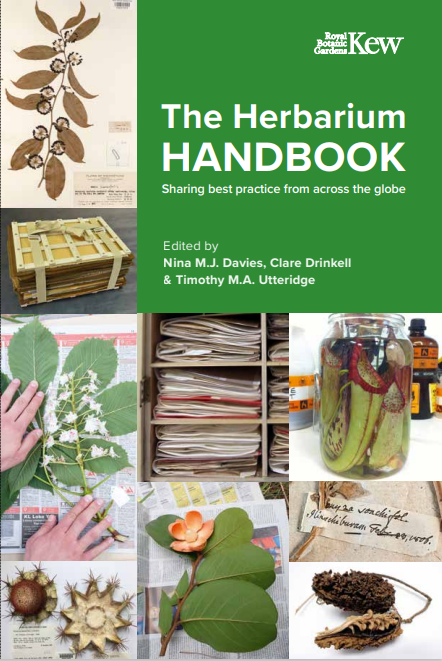
1. The Herbarium Handbook – Sharing Best Practice from Across the Globe. Submitted by Clare Drinkell, Senior Curator Botanist at the Royal Botanic Gardens, Kew. Botanists will rejoice to know that once again a botanical blog has made the top spot! Quite understandably, this hallowed position was taken by a review of what has become the go to guide to managing a herbarium.
You may be wondering what is the most read blog of all time? That honour goes to a 2017 post ‘Private Bone/Taxidermy Collection: The Good, The Bad and The Illegal’, an article re-posted from the Adventures in Natural History Illustration blog by natural history illustrator Beth Windle. Despite being 7 years old, the discussions surrounding private natural history collections remain relevant to all of us.
These are just ten examples of the wide range of articles we publish on the blog throughout the year. If this has given you an appetite for more, you can find all our articles on our blog pages, enjoy!
If you would like to know more about joining NatSCA and being part of our community, try visiting our webpages.

 NatSCA