
Written by Glenn Roadley, Curator of Natural Science, The Potteries Museum & Art Gallery, Stoke-on-Trent.
In May 2023, Professor Claire Gwinnett reached out to me with an opportunity to host a public event at The Potteries Museum & Art Gallery (PMAG). Claire, Professor of Forensic and Environmental Science at Staffordshire University, is an expert in the study of plastic pollution and has worked with the museum before to lead activities at our various science events, so immediately thought of us when seeing the call for applications for the British Academy’s SHAPE Involve and Engage grants. The programme offered grants of up to £8,000 for innovative engagement activities which highlight humanities research, with partnerships between academic and cultural institutions eligible to apply. Claire and I put our heads together and came up with a plan for a day of family-friendly activities aimed at raising awareness of plastic pollution and the research being undertaken to tackle it. At the centre of these activities would be a workshop run by Dan Lewis, an artist who uses plastic fragments found on the beach to create works of art.
By mid-August we had been notified that the bid, put together by Staffordshire University and backed by The Potteries Museum & Art Gallery, had been successful! So planning for our plastic pollution event (now called ‘Make Plastic History’) could step up a gear. Claire and I were invited down to the British Academy in London to meet other successful applicants, find out about previous projects and learn about the expectations of the funders. This was really valuable for getting a feel of how our project fit into the wider programme’s aims in addition to being able to meet people face to face!
Under the terms of the funding agreement, the project needed to be completed by October 2024, so we chose April 20th 2024 as the date for the Make Plastic History event as the Saturday closest to Earth Day (April 22nd). Claire put together a team of Staffordshire University staff and students to help deliver the project – which thankfully included project management, finance and marketing support. To help inform the event content and gain an understanding of the museum visitors’ pre-existing knowledge of the history of plastic, its uses and plastic waste challenges, a pre-event survey of PMAG family visitors was conducted by Staffordshire University, and before long we had a growing list of workshops and activities which would be spread throughout the museum. The activities were designed to encourage families to consider their impact on the environment and the small changes they can make to minimise it, and included:
- Community Art Workshop – Led by artist Dan Lewis, visitors were invited to create flat-lay collages using colourful fragments of plastic waste collected from the beach, inspired by research findings presented by Staffordshire University publications.
- Interactive Whale Performance – An interactive, storytelling theatre production on plastic pollution with actors/singers performing inside a giant inflatable whale.
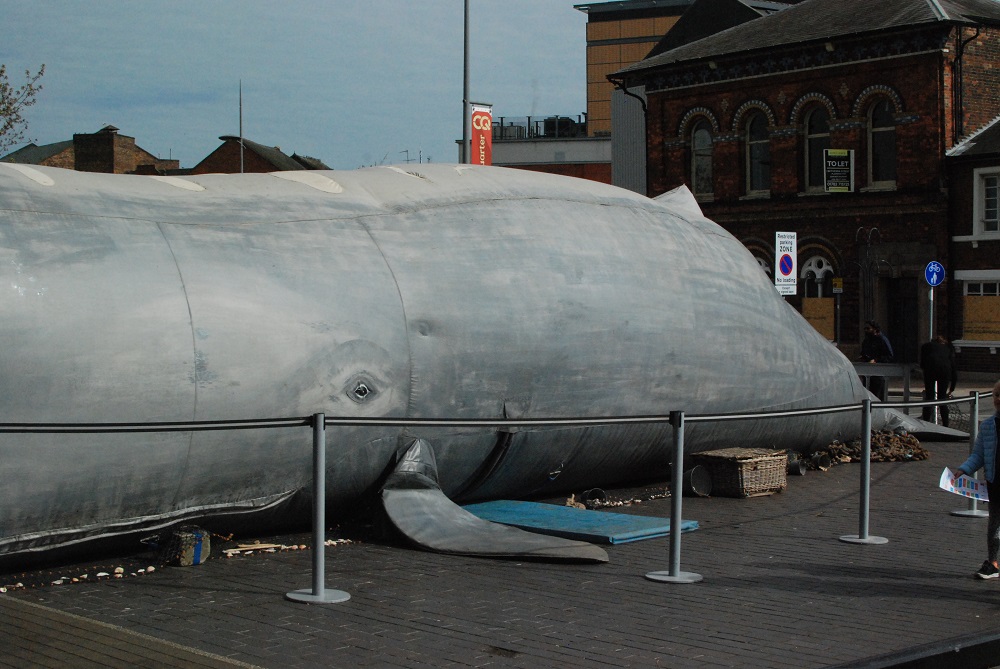
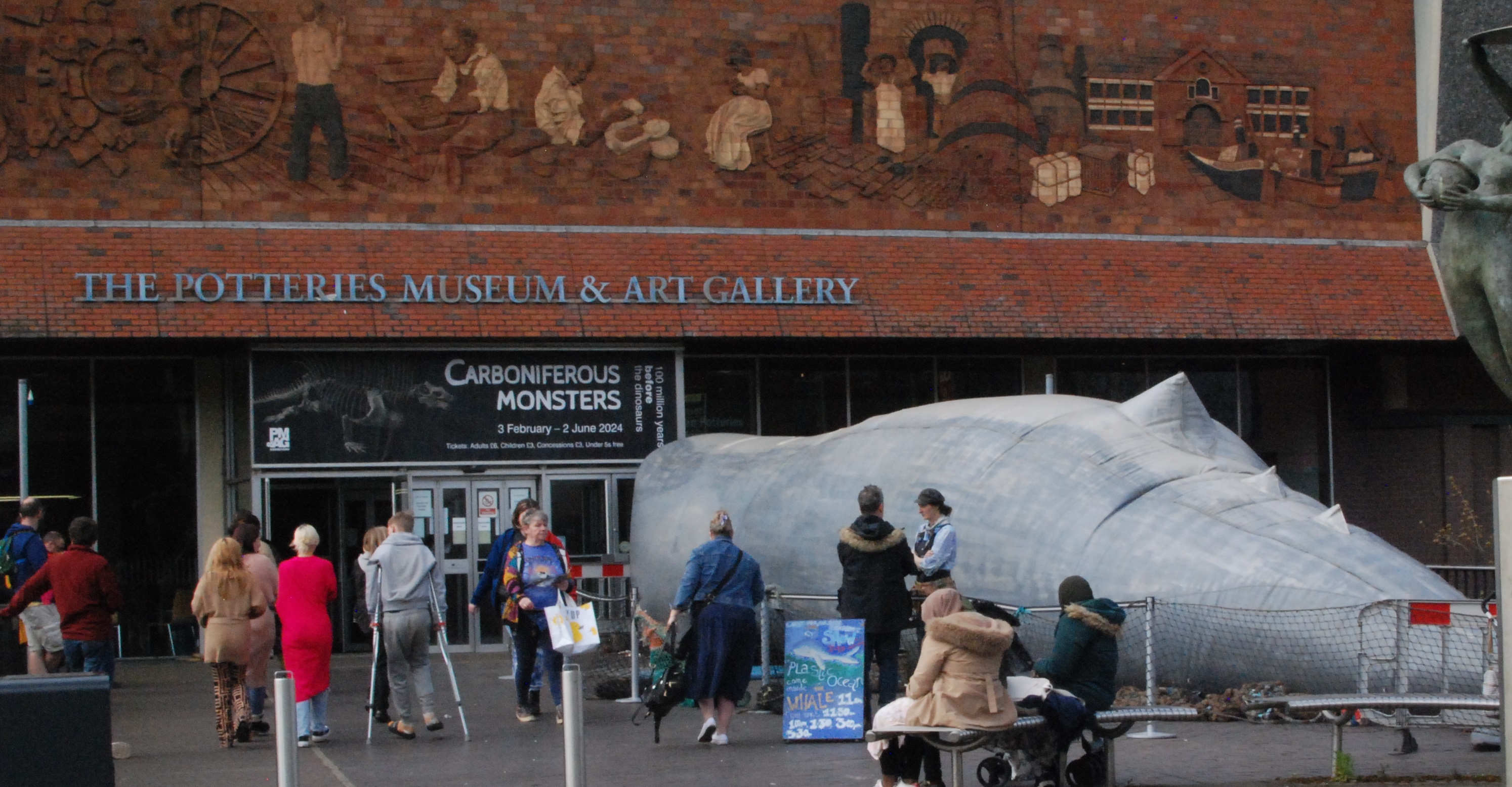
The Inflatable Whale Stage – visitors could walk inside to take part in theatre
- An Archaeological Dig for Plastic – Visitors were provided with plastic trowels and sieves before being let loose in the PMAG sand pit to hunt for different types of plastic pollution. Those who tracked down all the kinds listed on a bingo sheet were rewarded with a sticker.
- Creature Creations – Run by the PMAG Education Team, visitors were able to use a combination of clay and plastic waste to invent their own fantasy creatures.
- Make an Ocean Plastic Bauble – Visitors could create a decoration from microplastics collected from Staffs Microplastic Challenge, a citizen science challenge with the staff/students collecting microplastics from UK beaches.
- Microplastics from Clothes Washing – Small swatches of different fabrics were available for visitors to pick and put in a ‘mini washing machine’ which is a glass jar half filled with water. After shaking to a short music track, the water was filtered onto filter papers to see how many fibres were lost and would have ended up being let into the water outlet.
- Eco Glitter – Eco glitter face painting with a fun info sheet about glitter and microplastics.
- Puzzle Zone – A calmer zone with a series of animal/plastic pollution/recycling paper-based puzzles – complete at least one and get a sticker.
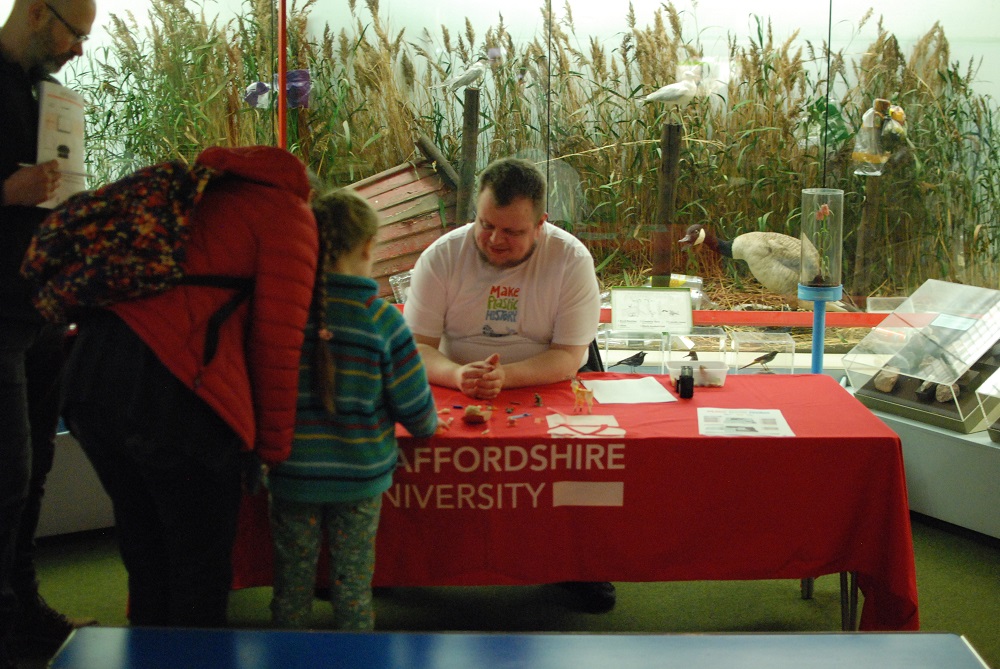
- Sustainable Straws – Visitors could guess what each straw was made of and how sustainable they are. Get a sticker and pick your favourite!
- Creative Writing – Led by Stoke-on-Trent Writer in Residence Natalie Linh Bolderston, visitors were invited to talk about writing, receive feedback on their own writing, or try a short writing exercise exploring plastic pollution.
- Carboniferous Fossils – Led by PMAG Collections volunteers, visitors could get hands-on with real fossils from the Carboniferous period and explain their importance in industrial history and the origins of coal and oil used to make plastic.
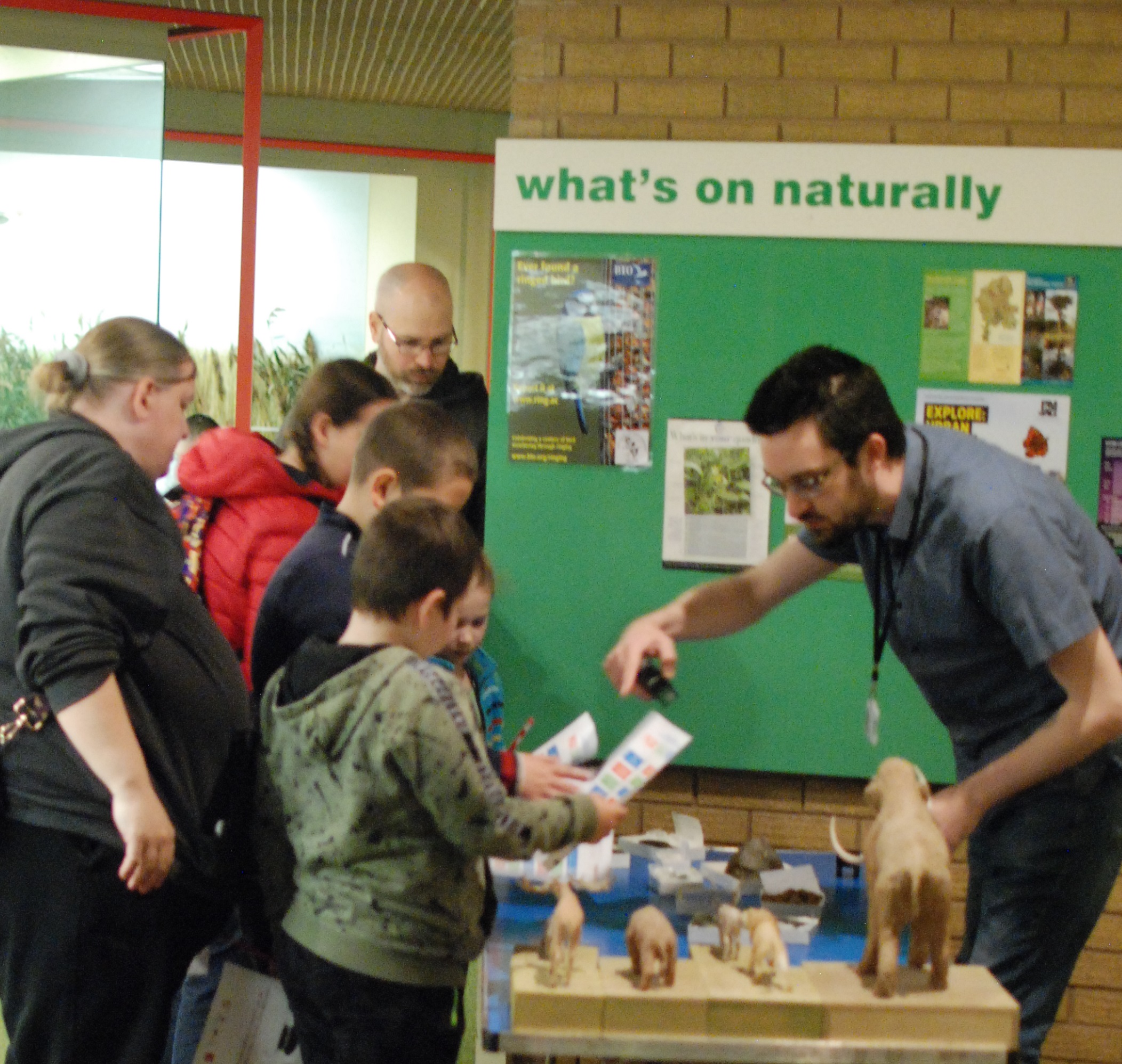
Visitors are shown local fossils by volunteer Dane.
‘Make Plastic History’ was a great success, with the museum seeing over three times the average number of visitors through the door on the day of the event. Of particular appeal were the theatrical performances held inside a giant whale and the art workshops run by Dan Lewis. Almost 70 artworks were made during the event. Each one was photographed and were are planning to print a selection to display as an exhibition in the museum’s ‘Secret Garden’ area – you can see all of the works produced online here.
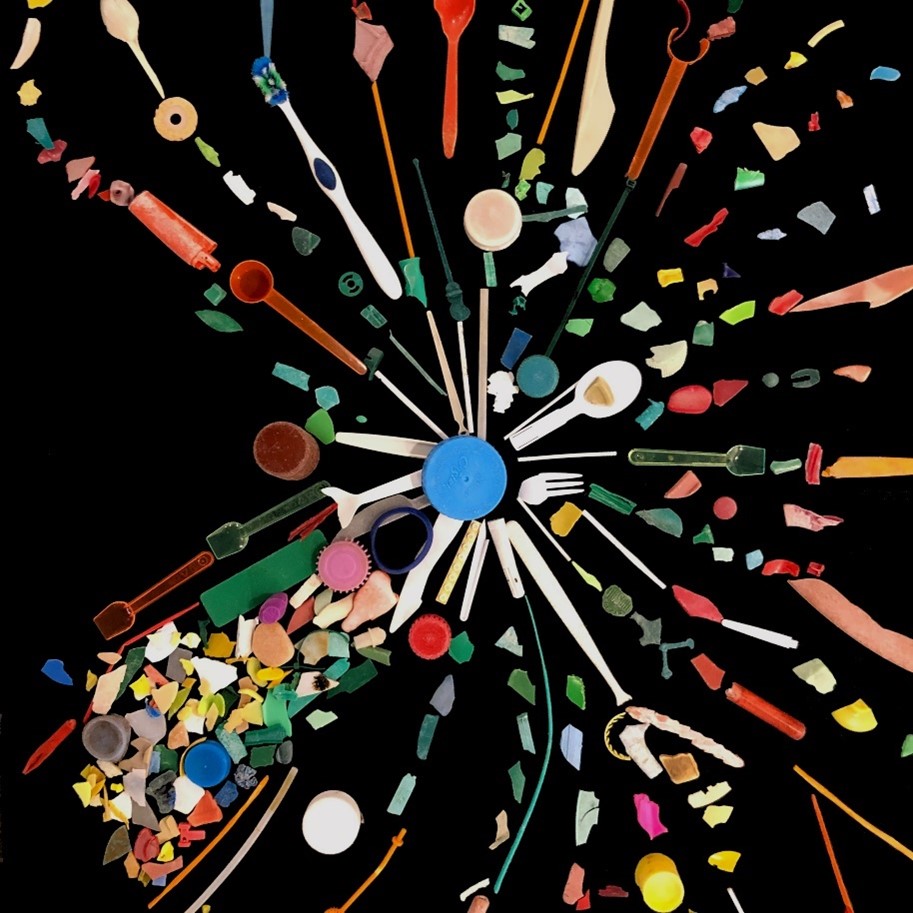
One of the works produced as part of the Make Plastic History workshop
I’m incredibly grateful to Claire for approaching The Potteries Museum & Art Gallery with such a fantastic opportunity, to the British Academy for supporting the project and to all the University and Museum staff and volunteers who helped to Make Plastic History!

 NatSCA
Pingback: NatSCA Digital Digest – November 2024 | NatSCA