
Written by Louise Gibson, ZSL biobank manager at the Institute of Zoology, Zoological Society of London (ZSL).
Lurking in the depths of the Zoological Society of London (almost 200 years old), are vast collections of frozen, wet, and dry biological specimens. Amassed over several decades, procurement of these items has come via scientific fieldwork researching wildlife conservation, standard pathological investigation of captive animal mortality, contributions from Border Force and police wildlife crime investigations, and from the occasional public donations, dropped off on our doorstep.

Although the collections are extensive, knowledge of their contents is limited to those who have collected samples or managed them, many of which have long since left ZSL. Potential was seen to create a biobanking programme with the objective of preserving the collections and the knowledge that comes with them and in turn creating an accessible biological archive open to the scientific community and beyond. As a not-for-profit charity with minimal resources, we are aiming to achieve this on a shoestring budget.
First and Foremost
The first step on our biobanking journey involved a general audit to build a picture of all the various types of collections within our possession. Current estimates show we have approximately 1200 dry specimens, 100,000 frozen specimens and over 5,000 wet specimens. This doesn’t include the wax block and slide collection that complements the wet collections, with slides found dating back to 1908.

While simultaneously assessing curation needs and future usage potential, we were able to prioritise collections for cataloguing. We immediately noticed that consolidation of any long abandoned frozen collections would provide the most immediate gains, freeing up much needed freezer space, whilst the dry collections were in needed some TLC.
Many Hands Make Light Work
We are still undergoing the cataloguing process, but thanks to our team of dedicated volunteers we are discovering collections we didn’t know existed and learning about some of the amazing careers and scientific achievements of past researchers.
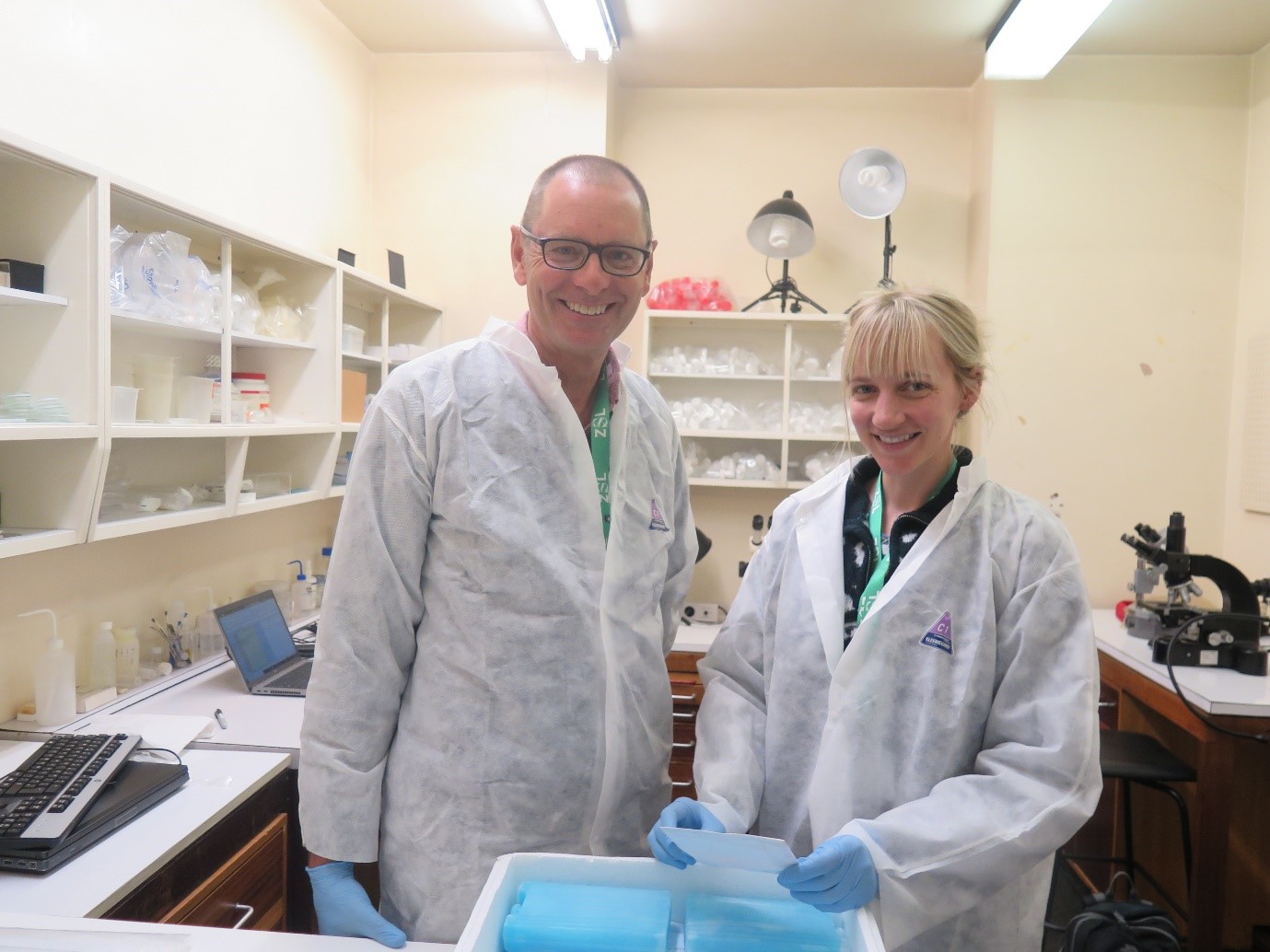

The data associated with these collections can vary from patchy to excellent. In instances where data is missing, we have to do investigative work to track down and contact the original collector of samples. For the time being we have used well-known Microsoft apps such as Excel, OneDrive and Teams to collect and store information due to their ease of use for all.
Penny Savers
When on a shoestring budget, addressing curation needs such as pest infestations, better housing and repairs is not always possible. Without external funding the damage to some of ZSL’s taxidermy specimens will never be repaired. However, we can limit further damage by implementing cheap solutions to deal with pest infestations, such as spray-on Cage & Hutch pesticides, airtight boxes and vacuum bags. These items can be posted on an Amazon Wishlist allowing our very kind supporters to donate to our cause.

In order to preserve biological samples at low temperatures long term, much of our frozen collection would need to be rehoused into new leak-proof vials that can withstand low temperatures without cracking. We teamed up with a company called Ziath (part of Azenta Life Sciences), who specialise in 2D barcoding systems. Ziath provided the biobank with cryotubes and cryoboxes at charitable rates and donated a 2D barcode single tube barcode reader and the Ziath sample inventory software. This technology will enable us to quickly and easily retrieve samples from the collection when requested by researchers.


Make it Visible and People will Come to You
The ZSL Biobank has bought together both our research, conservation and zoological collections. For us, being able to make our collections visible to others within ZSL is already an achievement. Using Microsoft OneDrive and Sharepoint we can share our inventory list, making it accessible to all ZSL’s departments, from researchers, to zookeepers, to fundraising, and as such see all the inventive ways it can be utilised.
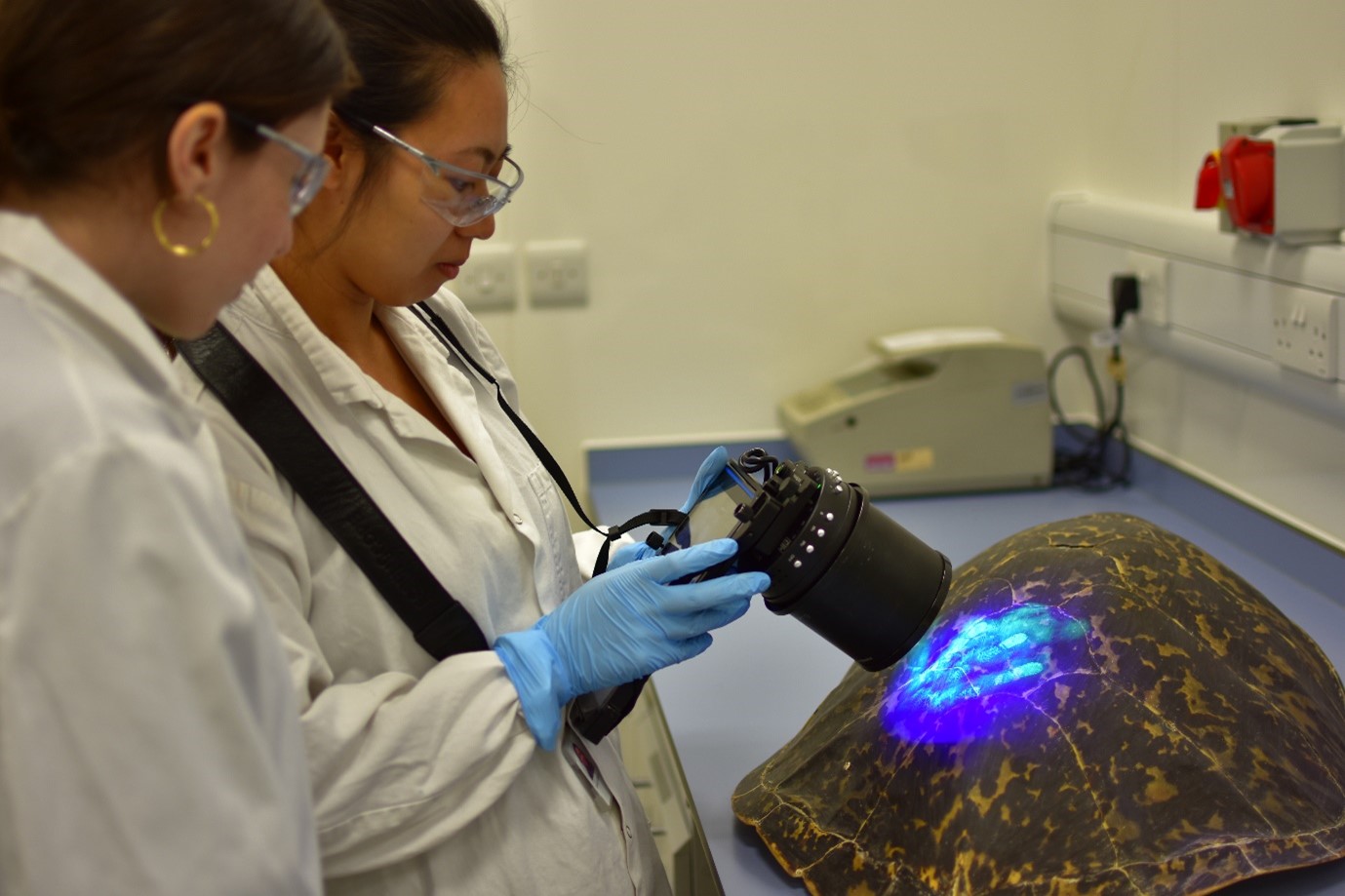
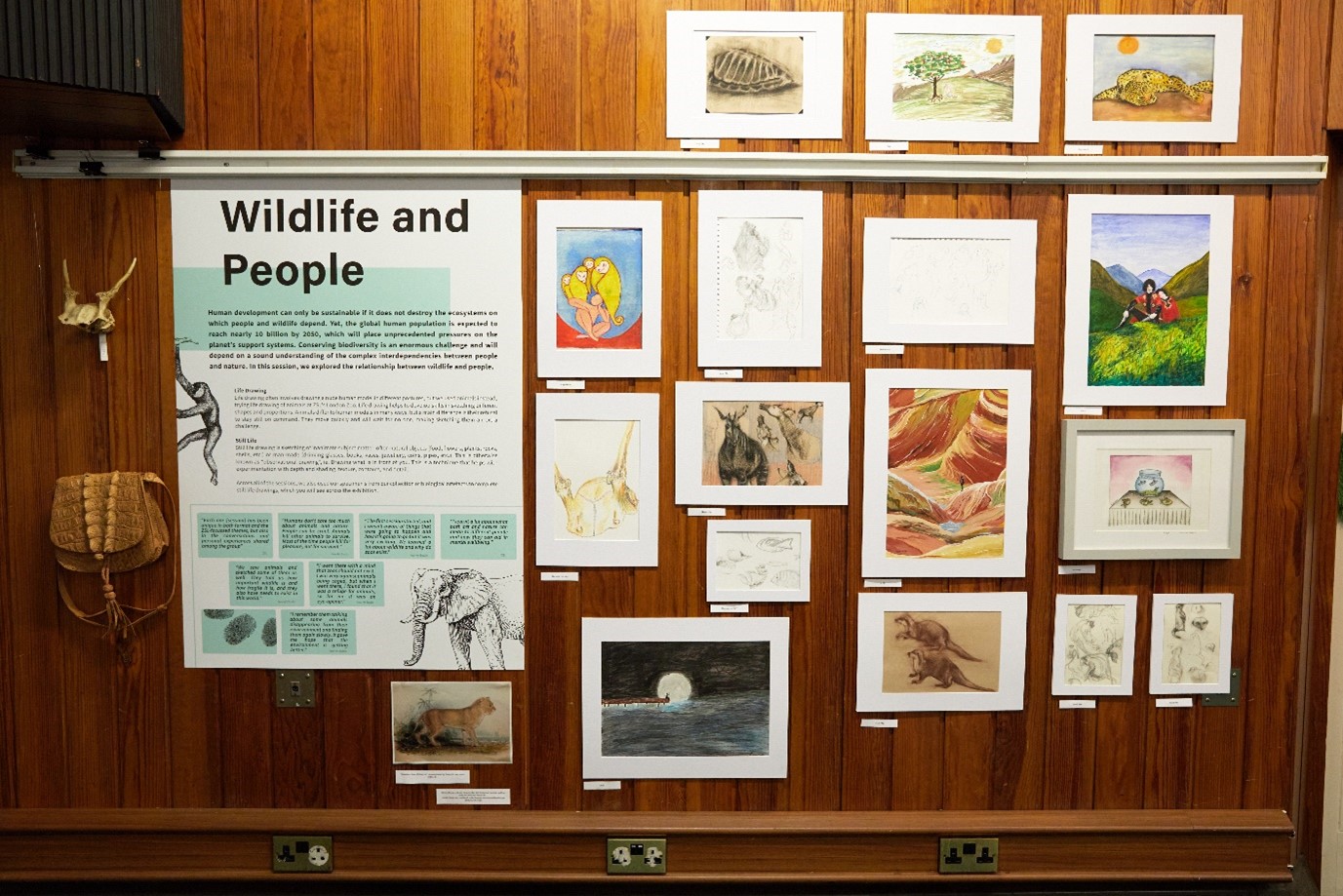
Despite being in its infancy, the programme has already been a valuable resource to ZSL. By opening up the collections we have seen them used for public engagement, innovative science, therapeutics arts programmes and wildlife forensics research, something that was not explored previously.
Don’t Re-create the Wheel
Our frozen collections can be used to generate molecular information that can direct conservation efforts, for example, the data can inform population management of species, conservation translocations, wildlife disease investigations and to confirm taxonomy, as well as contribute to novel research. In order to make samples publicly available to the scientific community, rather than recreating the wheel, we are collaborating with existing biobanks, such as CryoArks, EAZA biobank and Nature’s SAFE so that researchers can find ZSL’s samples alongside other institutions using the same data portal.
For more information please visit: https://www.zsl.org/zsl-biobank.

 NatSCA
Pingback: NatSCA Digital Digest – August 2023 | NatSCA